Reliquary of San Fermín
Curated by Orea • Pamplona’s 8 a.m. Running of the Bulls
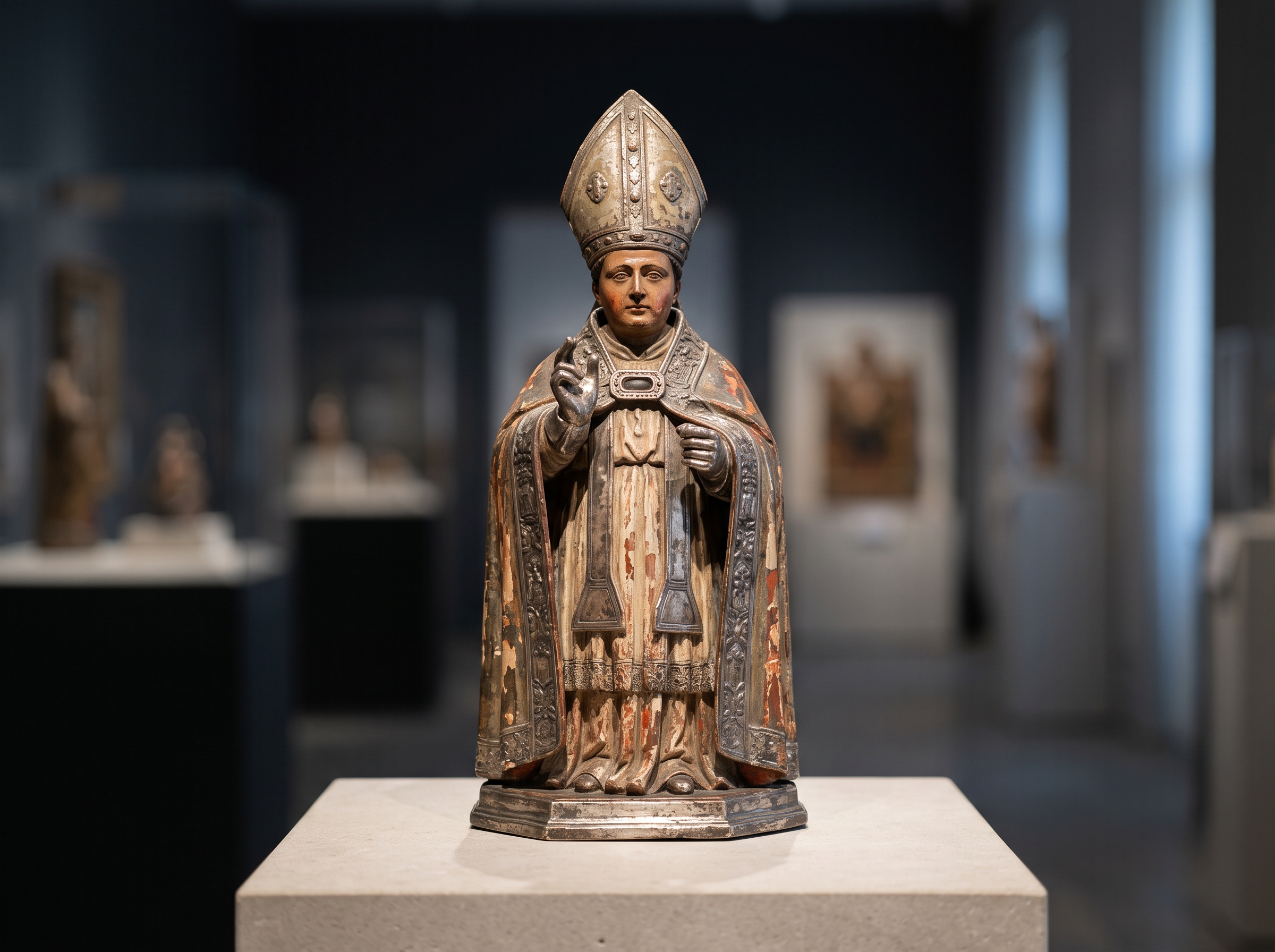
Artifact Details
A small, ornate wooden and silver statue of a Catholic saint wearing a bishop's mitre, with tarnished silver accents. The painted wood is chipped and worn from centuries of handling.
Primary Source
Pamplona’s 8 a.m. Running of the Bulls
Eighty-two seconds before the first rocket detonates, the Cuesta de Santo Domingo becomes a pressurized stone pipe. Sheer walls flanking the Pamplona Running of the Bulls eliminate lateral exit routes, turning the medieval street into an inescapable funnel. When the corral gates open, six fighting bulls, each weighing roughly 600 kilograms, accelerate up this 280-meter incline at 24 kilometers per hour. A circular arena sits 875 meters away as the final target, but topography governs the trauma. Individual human agency collapses entirely when biological mass exceeds the structural capacity of the channel. Safety becomes a mathematical impossibility; the run is governed not by courage, but by the relentless fluid dynamics of crowd compression.
Read Study (16 min) →Artifacts
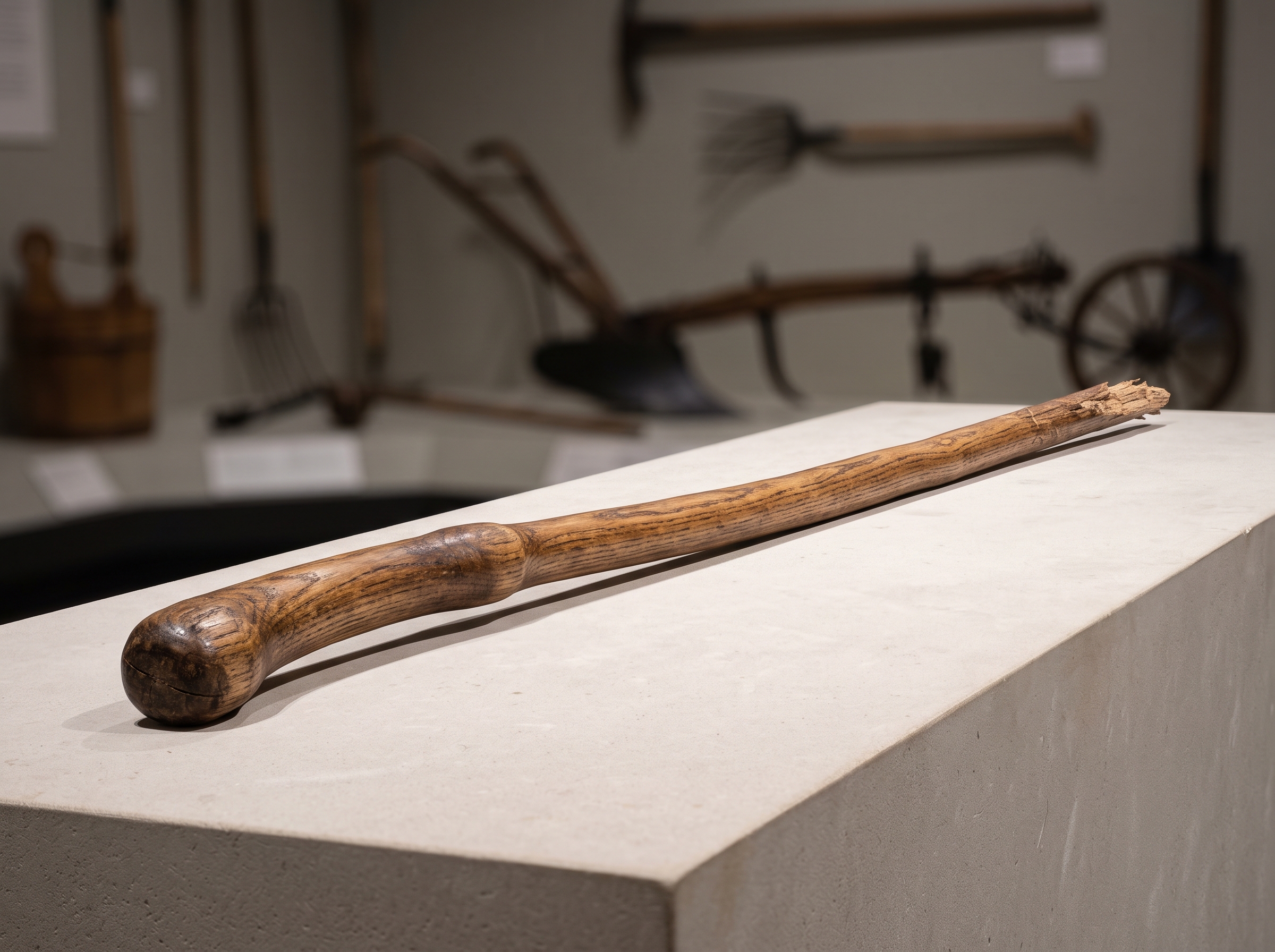
Pastor's Ash Vara
A simple, flexible hazel or ash wood staff wielded by the pastores, used to strike the pavement to direct the herd's movement without causing lethal injury.
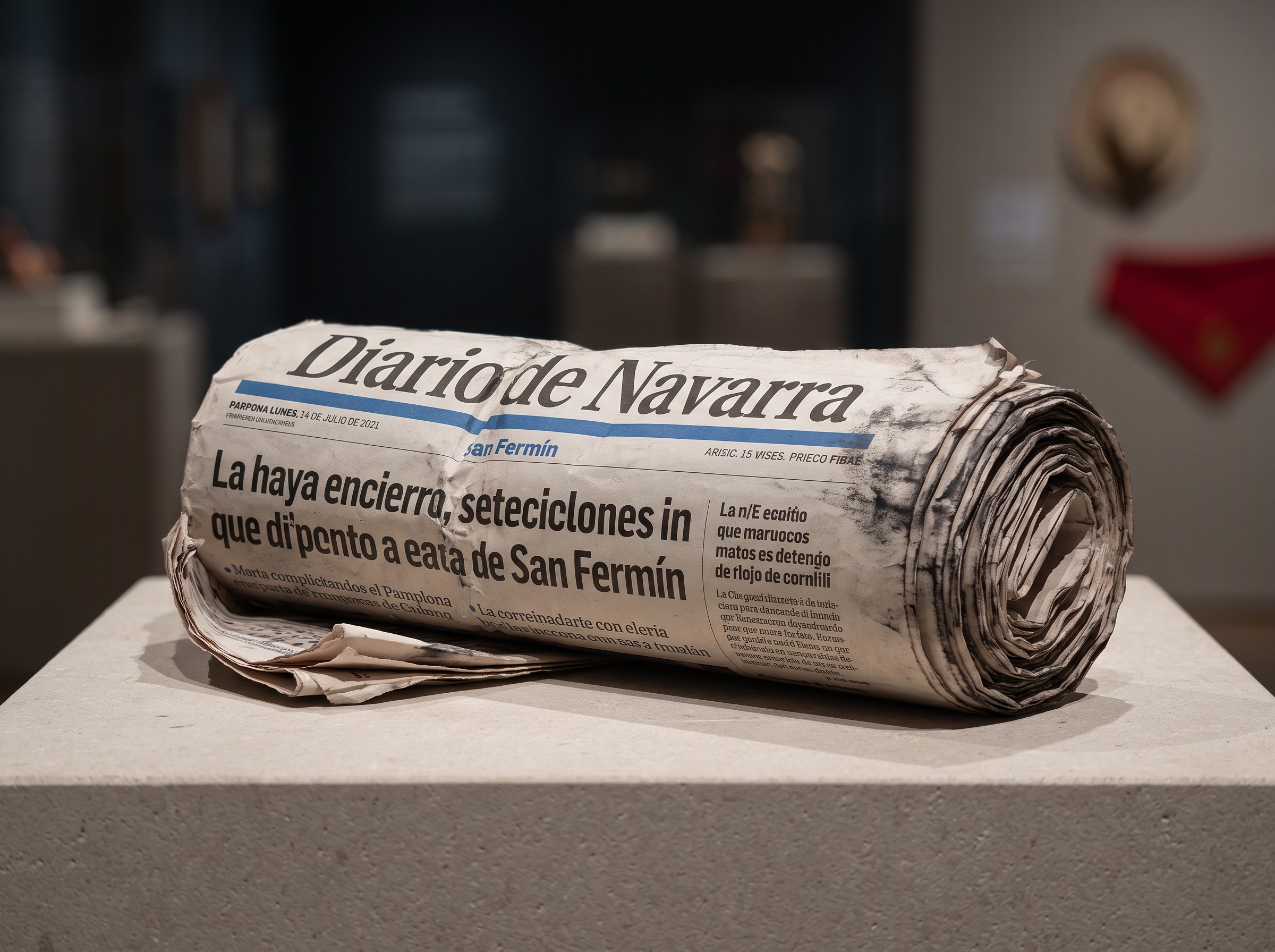
Rolled Spanish Newspaper
The only defense legally permitted in the run, used to distract a separated bull or measure distance.
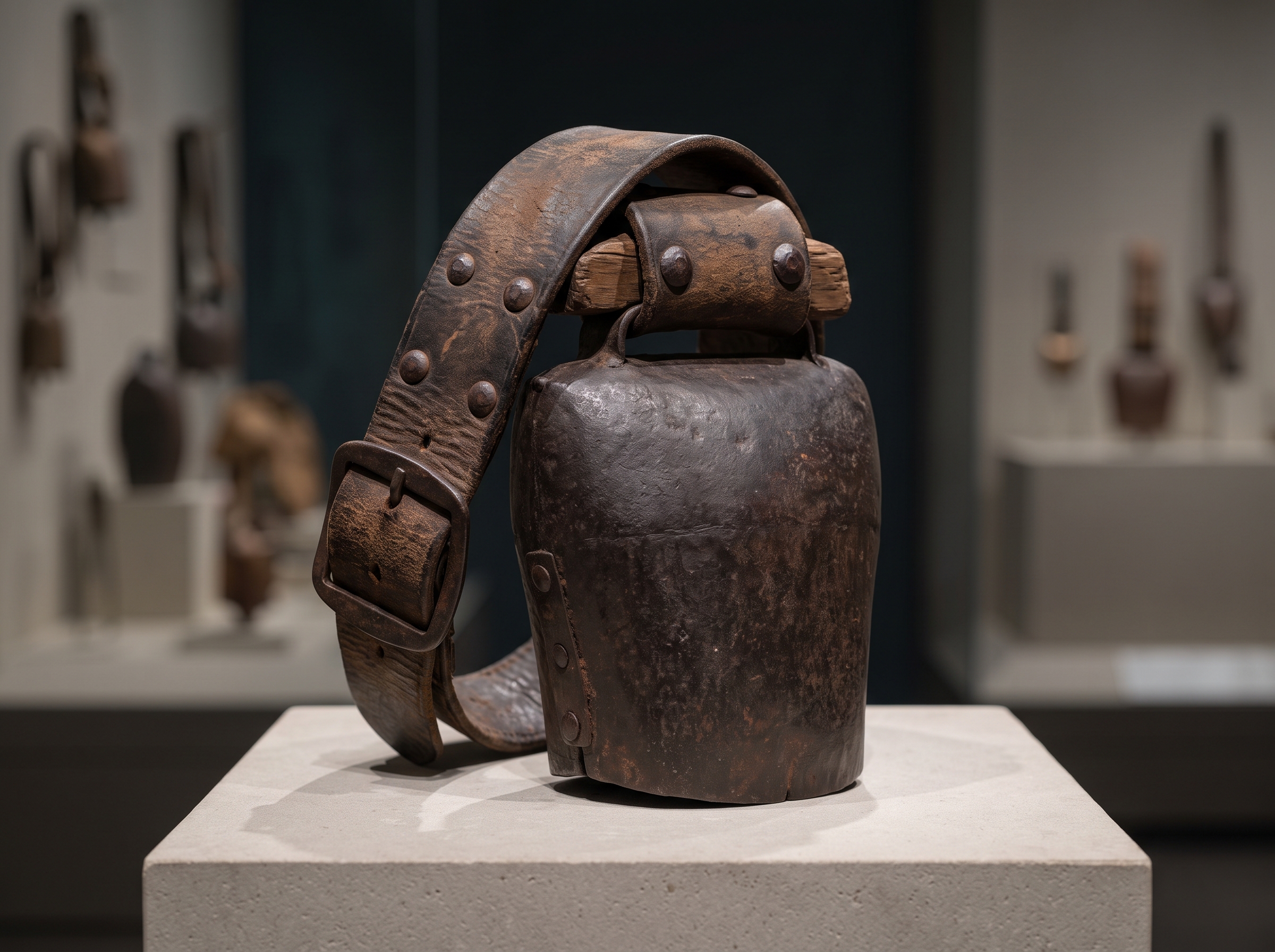
Cencerro Steer Bell
The heavy wooden and iron bell worn by the guiding steers, providing the acoustic pulse that regulates the herd's movement.
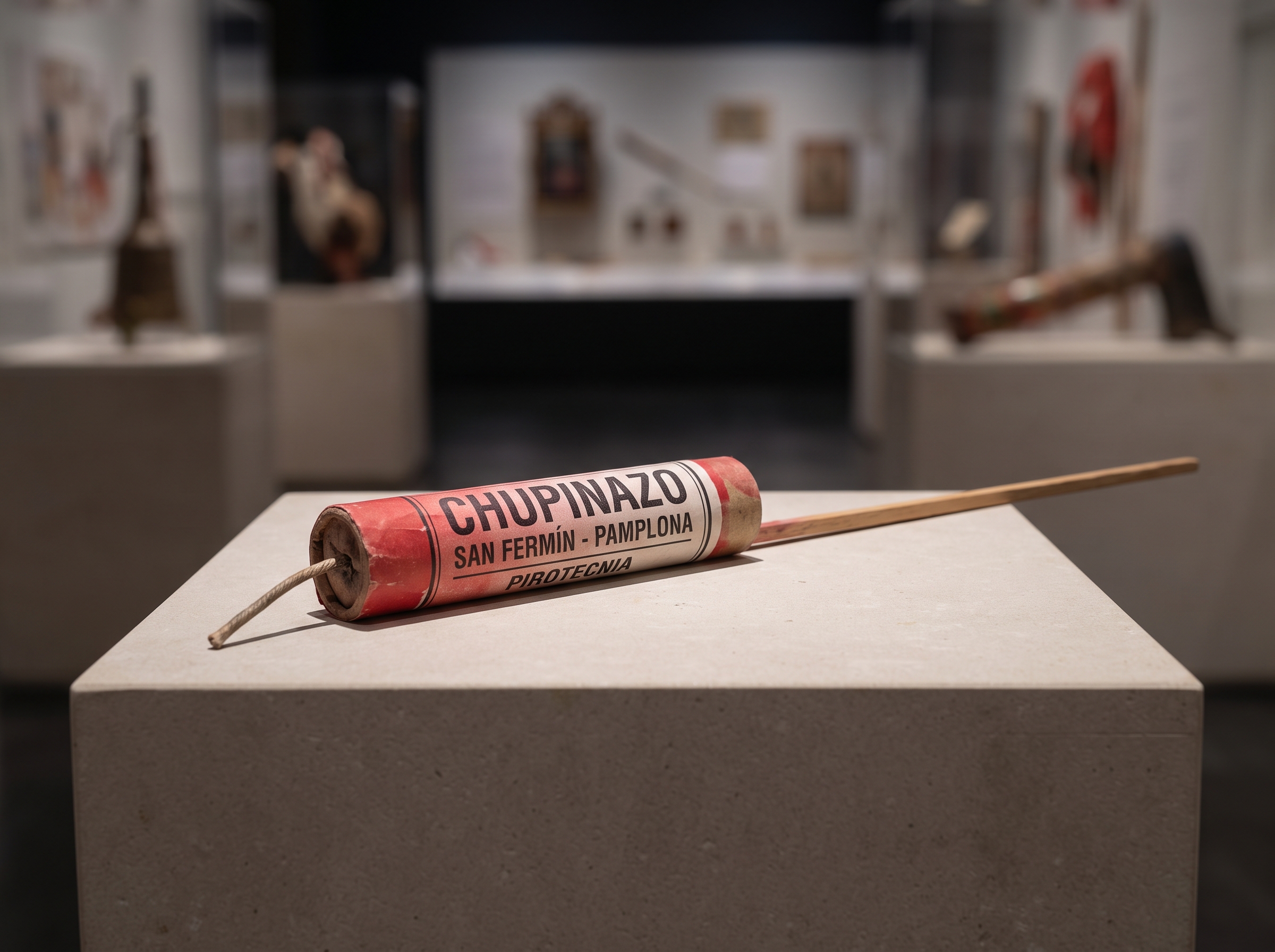
Chupinazo Rocket
The explosive acoustic signal fired to indicate that the corral gates are open and mass is moving.
Glossary
- encierro: The rapid morning drive of fighting bulls through public streets to the local arena; literally, 'the locking up'.
- vallado: The double-layered modular wooden fencing assembled daily to close off escape avenues and contain the kinetic path of the herd.
- cabestro: A trained, castrated steer equipped with a heavy neck bell, introduced into the run to pacify and guide the lethal fighting bulls.
- montón: A massive, tightly packed human pile-up occurring at a structural bottleneck, completely obstructing the path of the advancing bulls.