Limestone Ossuary
Curated by Anima • The Crucifixion of Jesus Under Roman Rule
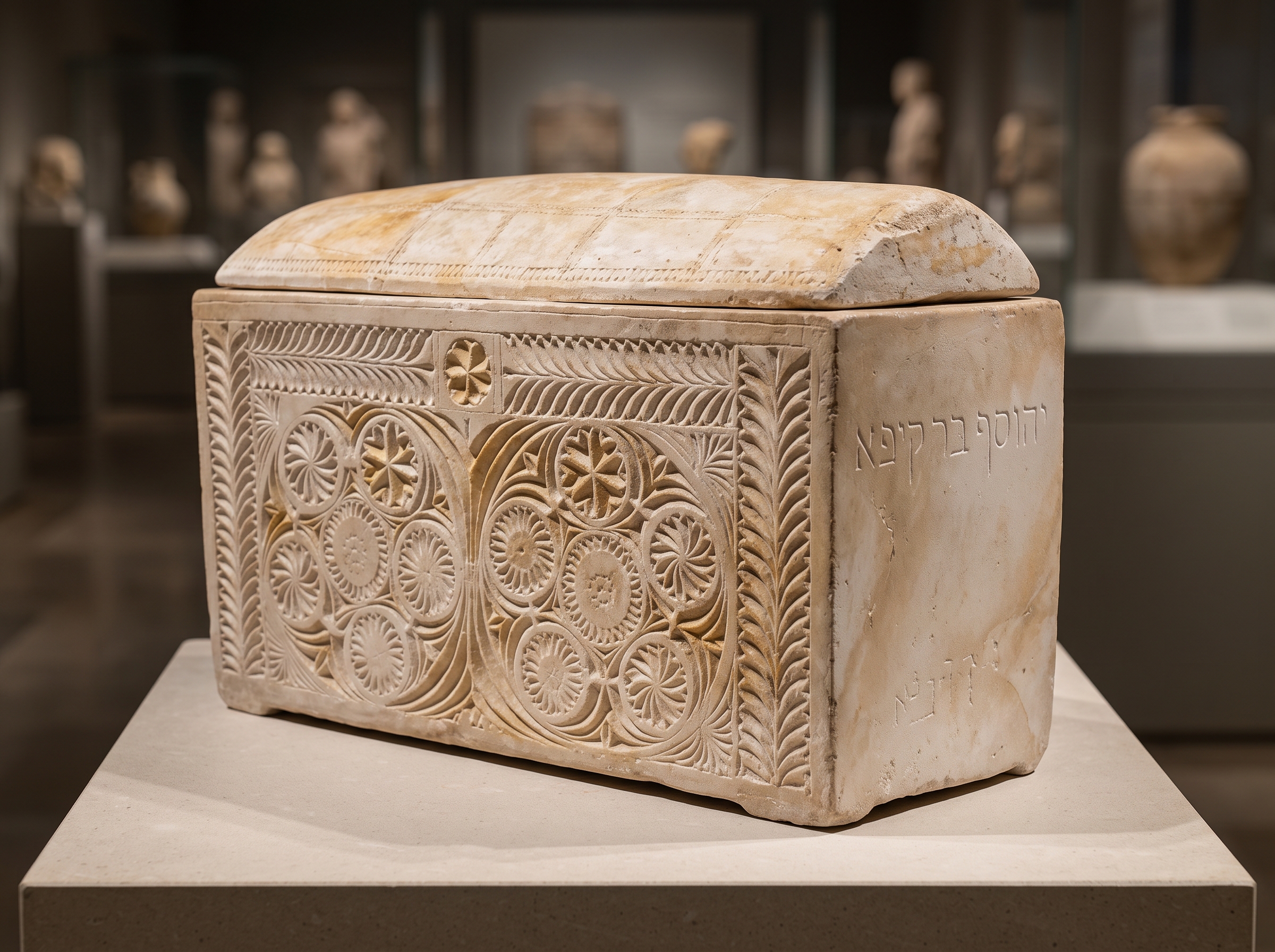
Artifact Details
A rectangular limestone box adorned with geometric rosette carvings. Intricate chisel marks visible on the brittle surface.
Primary Source
The Crucifixion of Jesus Under Roman Rule
During the spring of A.D. 30, Jerusalem swelled from 40,000 residents to nearly 400,000 for the Passover festival. The air in the lower city hung heavy with woodsmoke and the blood of sacrificial lambs. High above the temple courtyard, Roman sentries paced the Antonia Fortress, watching for nationalist riots. Into this volatile environment walked a Galilean preacher named Jesus. Within days, he would be arrested and nailed to an olive-wood crossbar at a limestone quarry outside the city walls. His execution at the hands of Roman provincial authorities was designed as the sterilization of a political threat, yet this bureaucratic violence inadvertently anchored the theological foundation of a new religion.
Read Study (18 min) →Artifacts
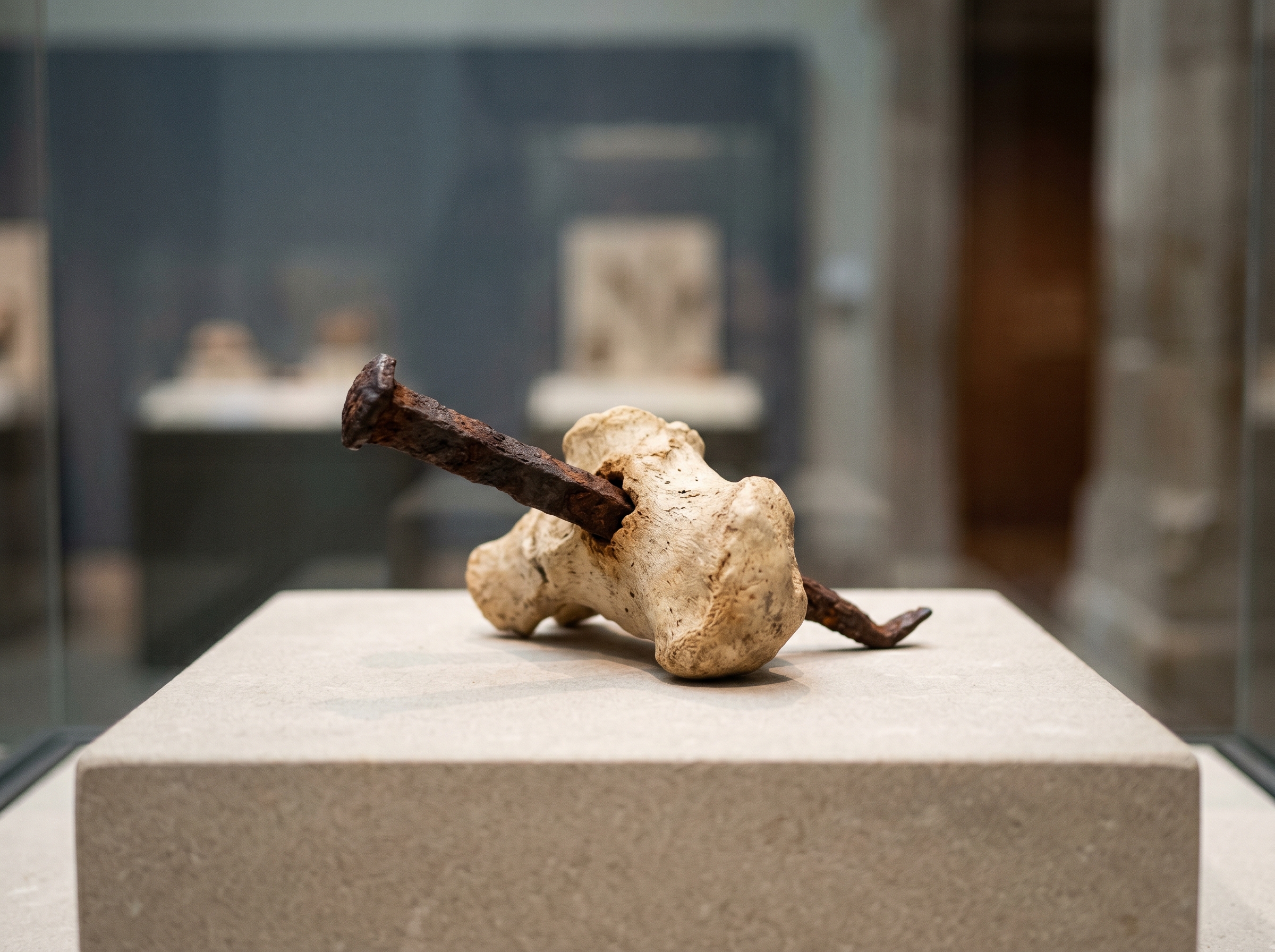
Iron Heel Nail
An iron nail driven through the right heel bone of Jehohanan, a first-century crucifixion victim.
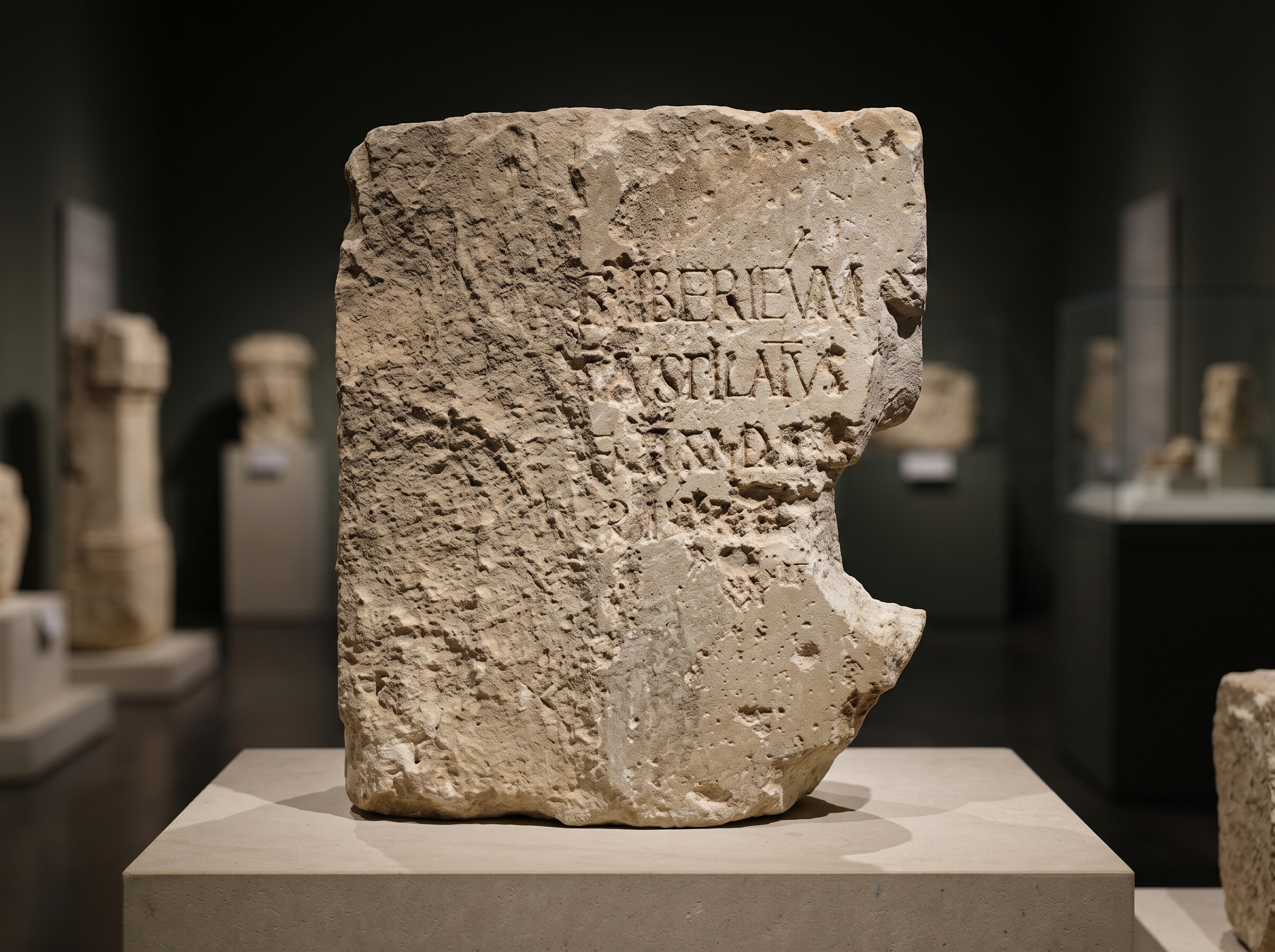
Pilate Inscription Stone
A damaged limestone block from Caesarea Maritima bearing the dedication of Pontius Pilate.
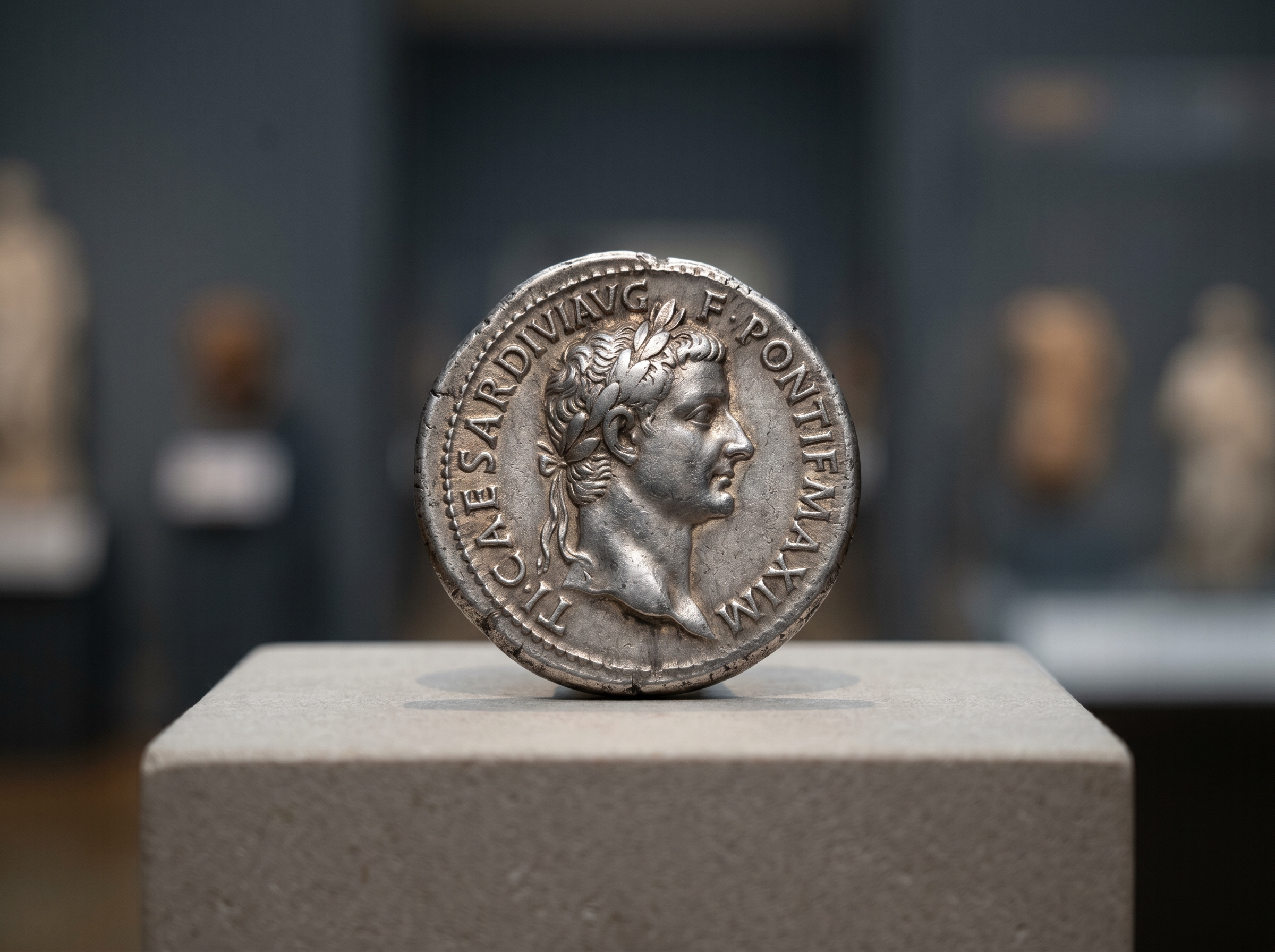
Silver Tribute Penny
A silver denarius of Emperor Tiberius, the currency used to pay Roman taxes in Judea.
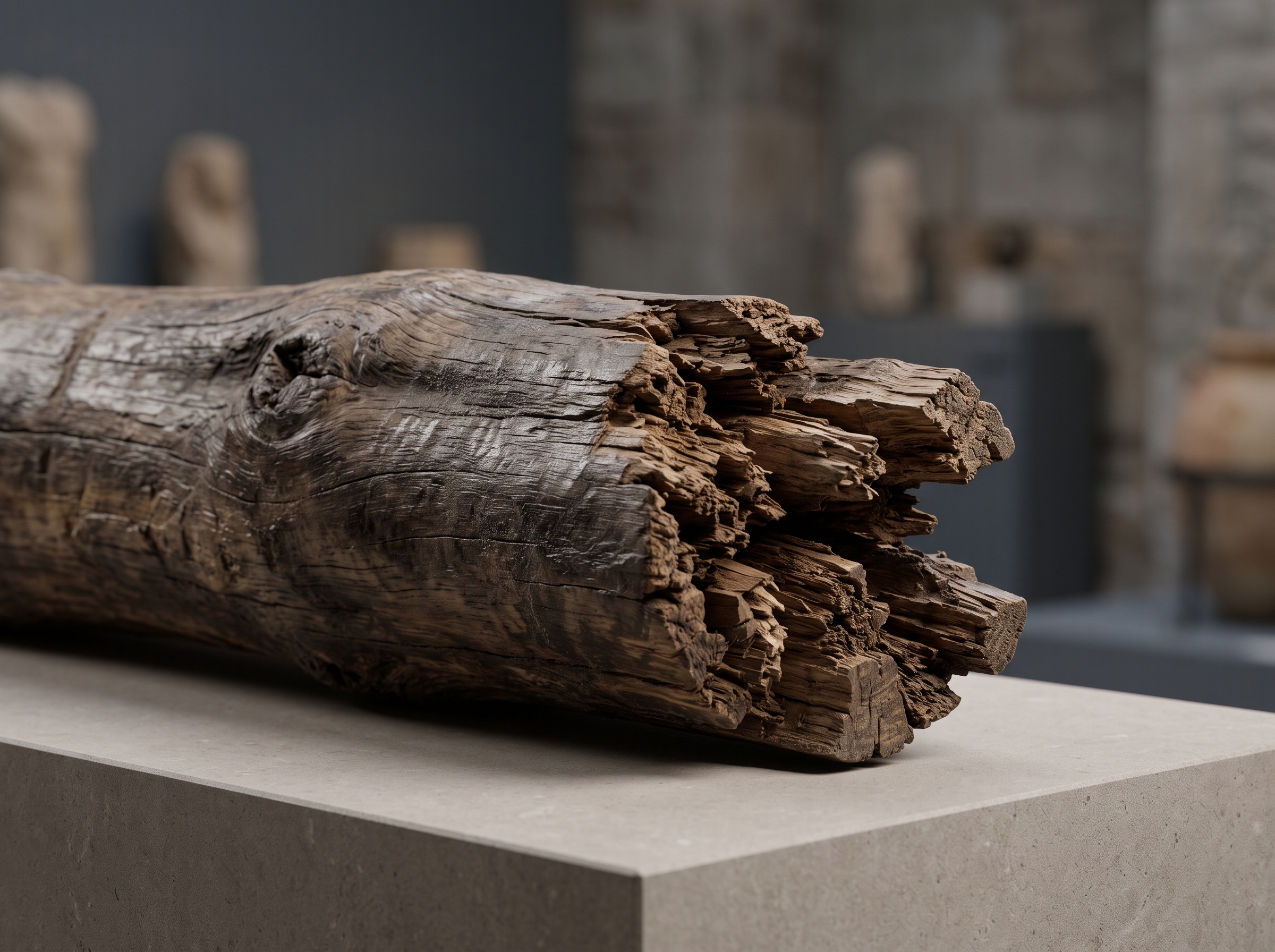
Splintered Olive Wood
A section of rough olive timber, the dense, localized wood used for the patibulum (crossbar).
Glossary
- crucifixion: A brutal and highly public Roman method of capital punishment designed to maximize physical suffering, slow death by asphyxiation, and public humiliation as a deterrent.
- scourging: A severe Roman pre-execution whipping using a multi-thonged leather whip weighted with lead or bone fragments, designed to induce deep trauma and blood loss.
- patibulum: The horizontal crossbar of a cross, weighing 75 to 100 pounds, which the condemned was forced to carry across their shoulders to the execution site.
- auxiliary troops: Provincial, non-citizen military units of the Roman army deployed to volatile territories to maintain administrative order and suppress rebellions.