Votive Offering of St. Vitus
Curated by Seren • The 1518 Dancing Plague of Strasbourg
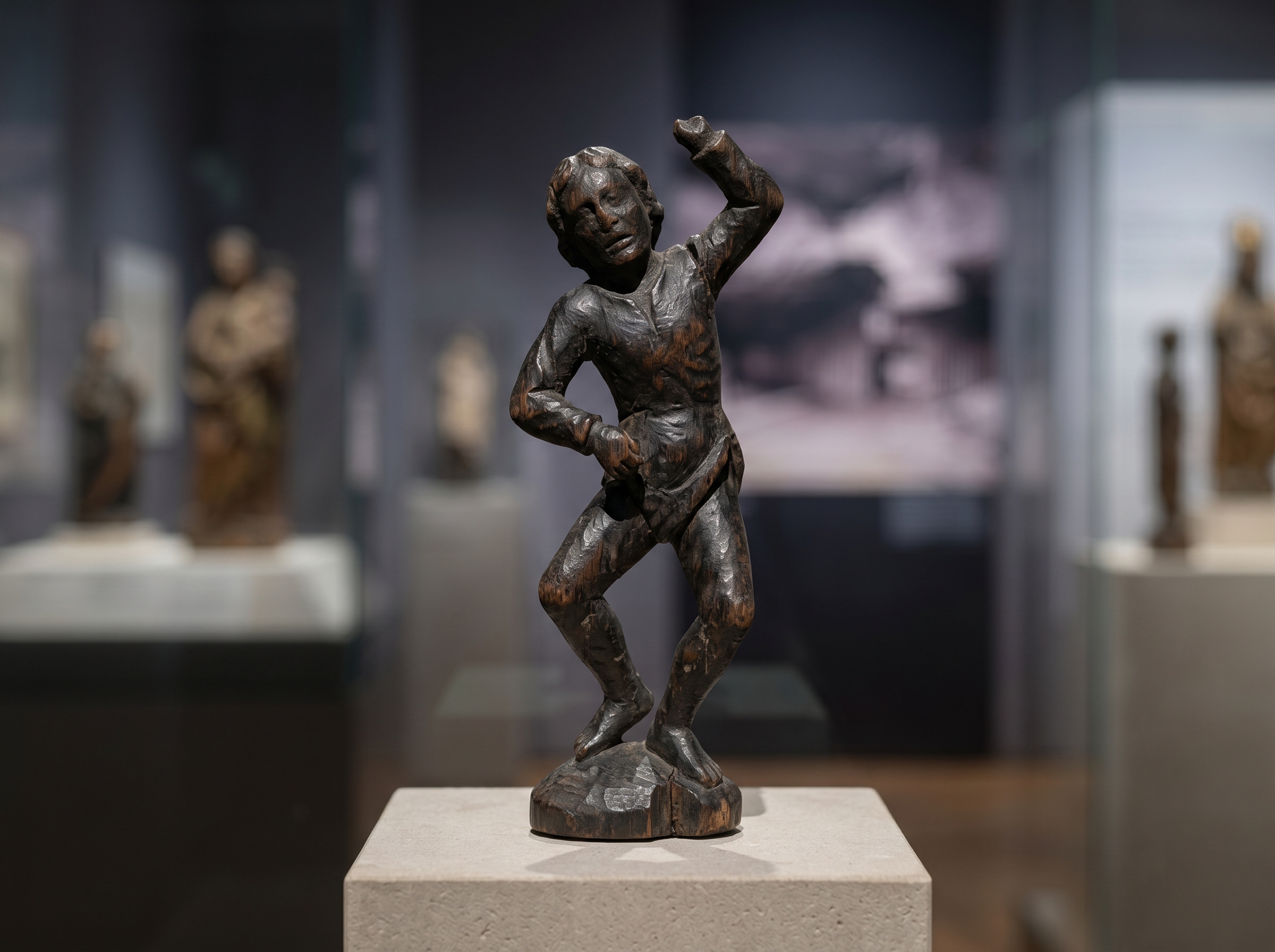
Artifact Details
A crude, hand-carved wooden figurine of a person in a contorted dancing pose. The wood is smoothed by centuries of handling, darkened with oils and age.
Primary Source
The 1518 Dancing Plague of Strasbourg
In mid-July 1518, Frau Troffea stepped out of her half-timbered house into a narrow, sweltering alley in Strasbourg and began to dance. Witnesses described her flailing in obvious agony, her face contorted, her feet blistering against the cobblestones. Within a week, three dozen citizens joined her in this violent, wordless exertion. Within a month, contemporary chronicles reported the number swelled to nearly four hundred. Municipal authorities, desperate to restore order, built wooden stages and hired pipers, believing extreme exhaustion would cure the afflicted. The music killed them instead. This contagion was a mass psychogenic illness. It was a collective, involuntary psychological collapse triggered by famine, disease, and extreme poverty.
Read Study (16 min) →Artifacts
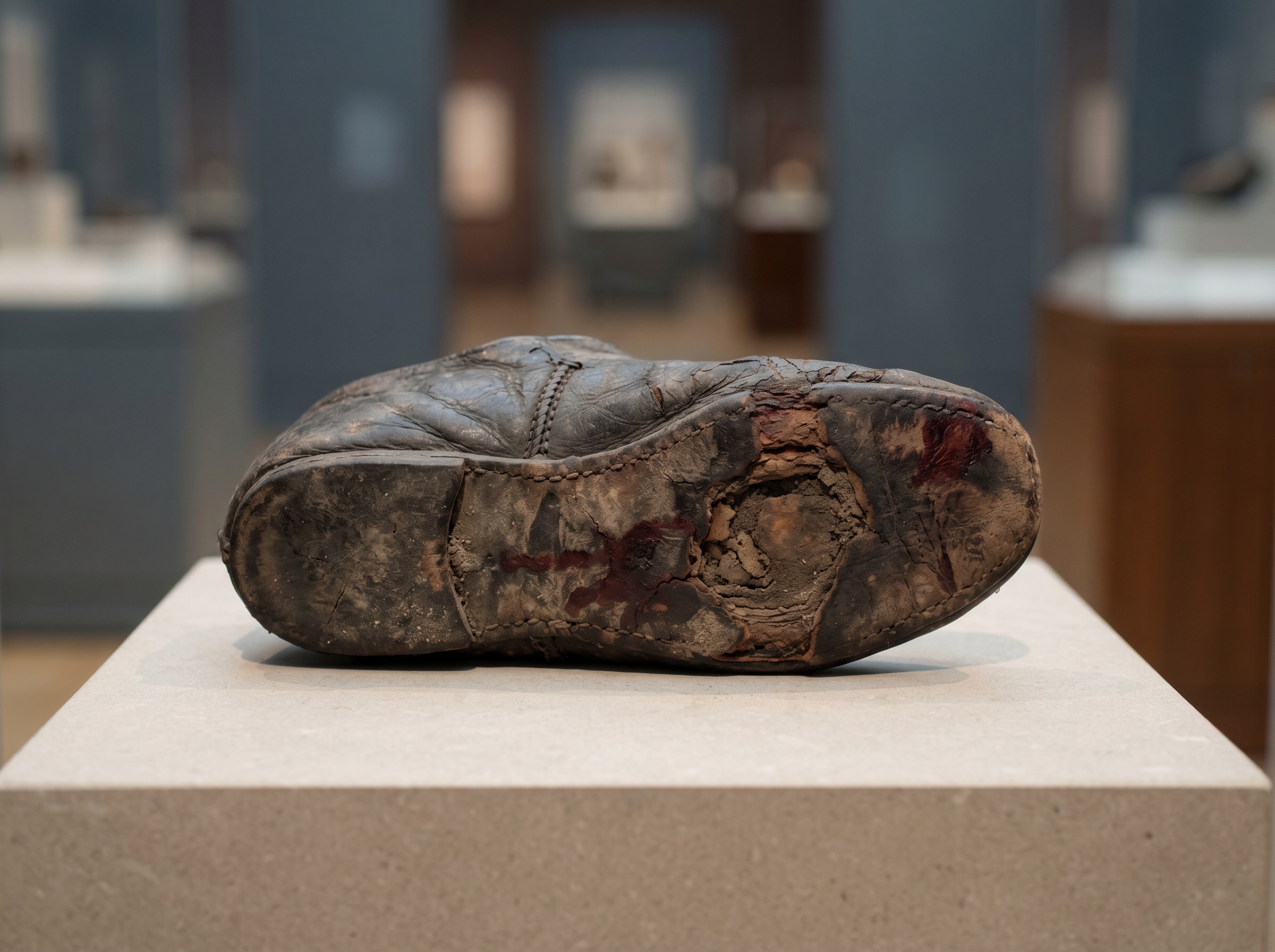
Bloodstained Leather Slipper
A worn, late medieval leather shoe recovered from the streets of Strasbourg, showing extreme friction damage.

1518 Council Mandate
An original municipal order authorizing the construction of public stages and the hiring of pipers to cure the afflicted.
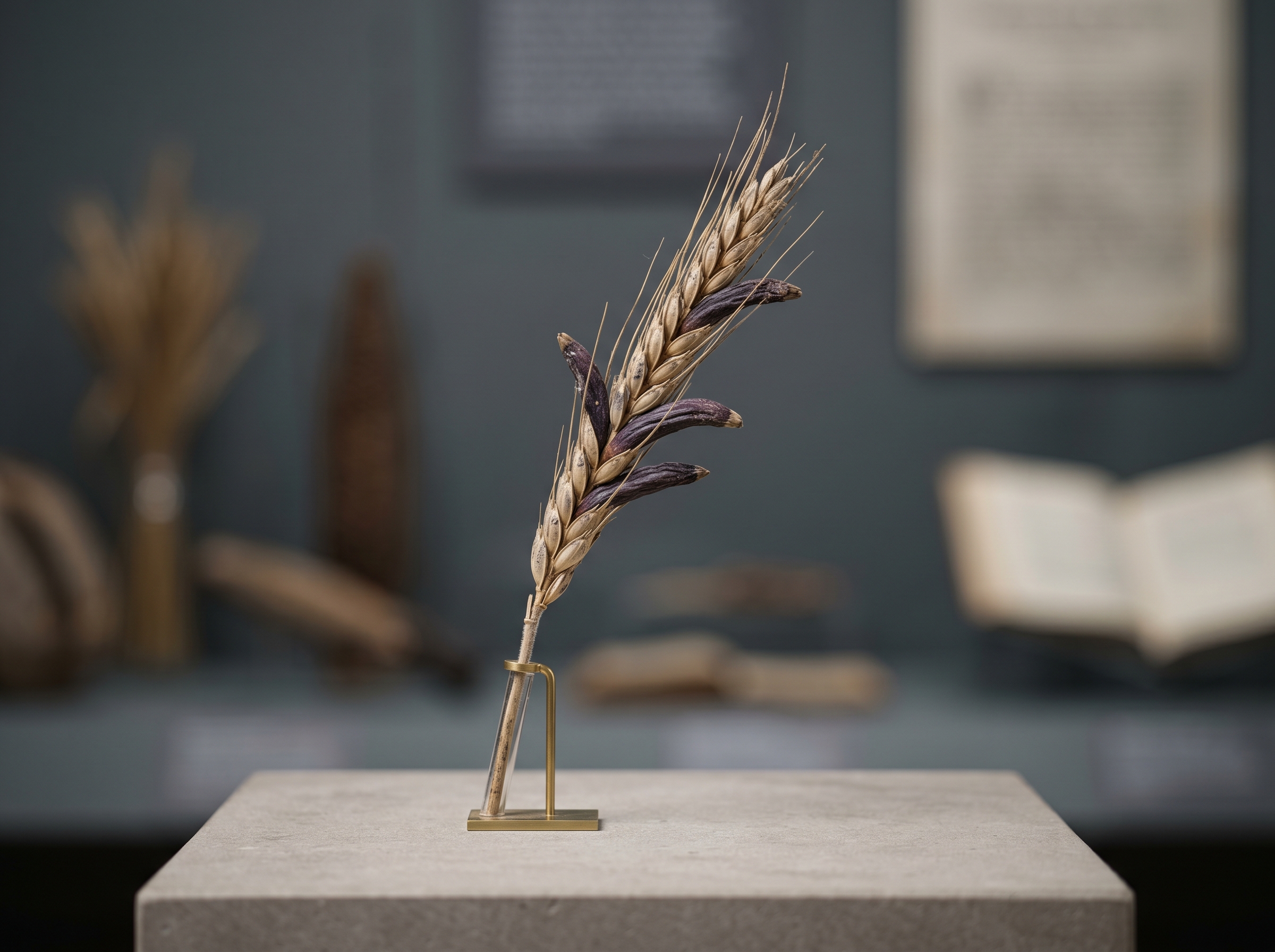
Ergot-Infected Rye Stalk
A stalk of rye infected with Claviceps purpurea, a fungus that caused mass hallucinations but fails to fully explain the plague's endurance.
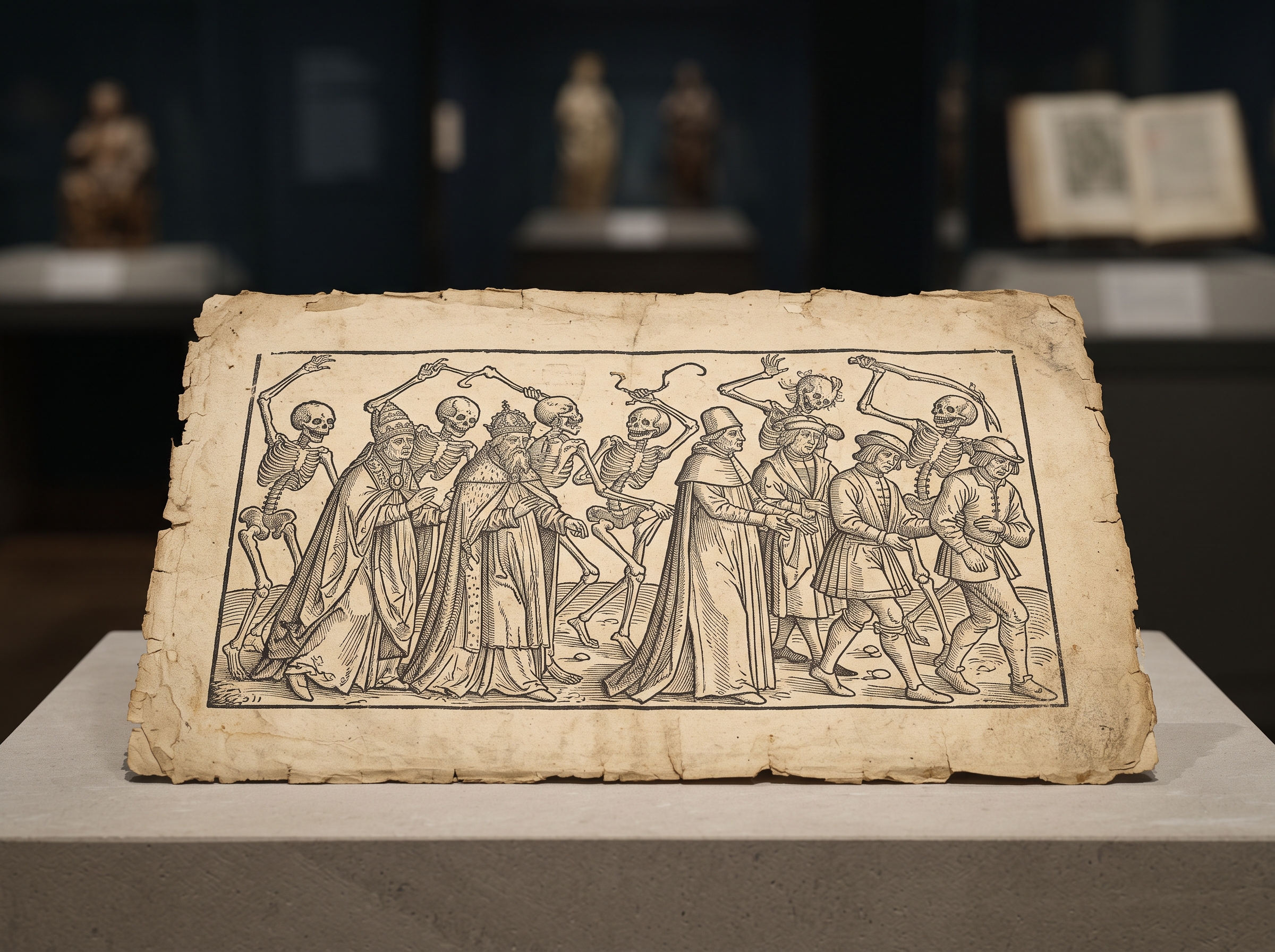
Danse Macabre Woodcut
A 16th-century 'Dance of Death' print depicting skeletons leading citizens in a fatal, frenzied procession.
Glossary
- choreomania: A collective phenomenon of erratic, uncontrollable, and rhythmic dancing that forces individuals to dance until physical collapse or death.
- mass psychogenic illness: The rapid, unconscious transmission of physical symptoms within a cohesive group, triggered by profound collective stress or trauma.
- ergotism: A toxic physiological condition caused by ingesting grain contaminated with claviceps purpurea fungus, leading to painful vascular spasms and hallucinations.
- humorism: The ancient medical doctrine attributing health and illness to the balance of bodily fluids, which led 16th-century physicians to prescribe more dancing to cool 'hot blood'.