Bengal Silver Rupee
Curated by Cassian • The East India Company’s 1765 Right to Tax Bengal
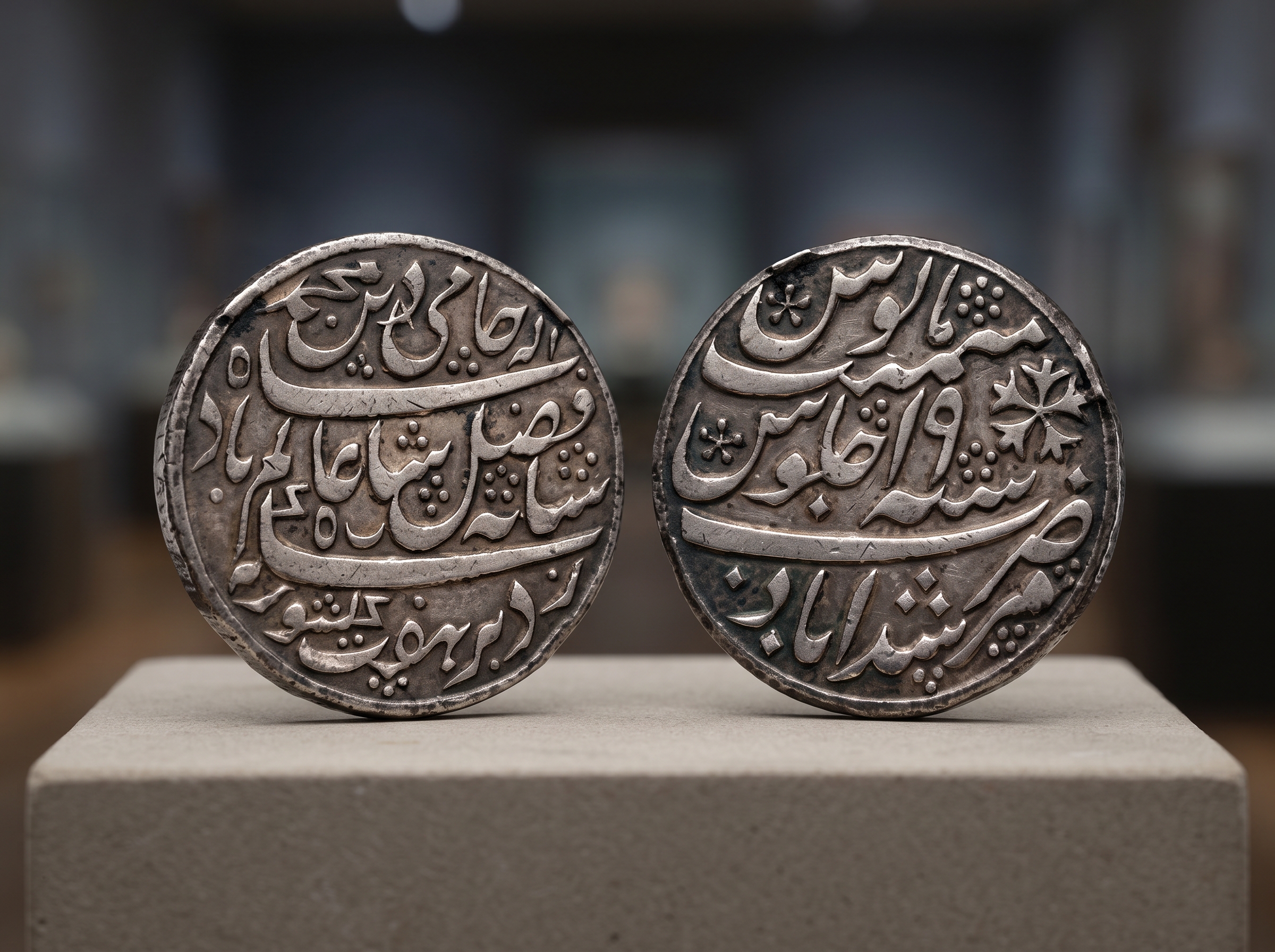
Artifact Details
A thick, uneven 18th-century silver rupee coin featuring deep Persian calligraphy on both obverse and reverse. The rim is irregular and un-milled, showing signs of manual striking. The silver surface exhibits heavy circulation wear with a distinct dark patina accumulated in the recesses of the strike.
Primary Source
The East India Company’s 1765 Right to Tax Bengal
In the damp, oak-paneled boardroom of East India House on London's Leadenhall Street, a small committee of men in powdered wigs sat before thick vellum ledgers. These clerks operated as merchants tasked with tracking the flow of tea and Indian textiles. By 1765, those bound pages recorded a new kind of entry. Ink columns tabulated the tax revenues extracted from 20 million people in Bengal. A single joint-stock corporation, designed to insulate private investors from the lethal risks of maritime trade, had mutated into an aggressive sovereign power. This enterprise proved that when a private syndicate achieves sufficient scale and military backing, it will inevitably externalize its fatal costs onto vulnerable populations while ruthlessly privatizing the financial returns.
Read Study (20 min) →Artifacts

India Pattern Musket
The standardized flintlock musket mass-produced for the Company's private sepoy army, enabling the military subjugation of the Indian subcontinent.
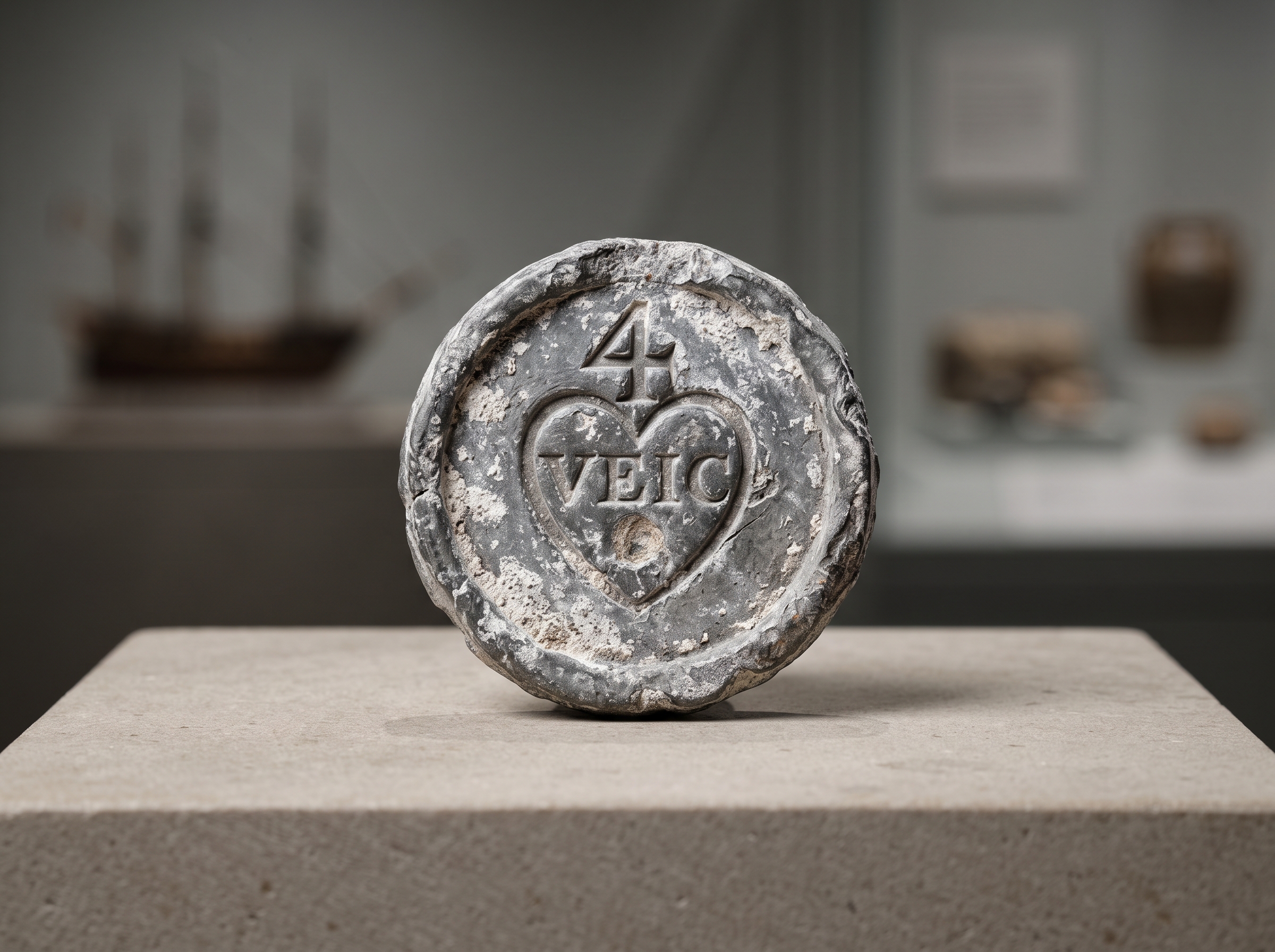
EIC Lead Bale Seal
A stamped lead seal affixed to textiles and goods passing through Company ports to verify quality, prevent smuggling, and enforce the monopoly.
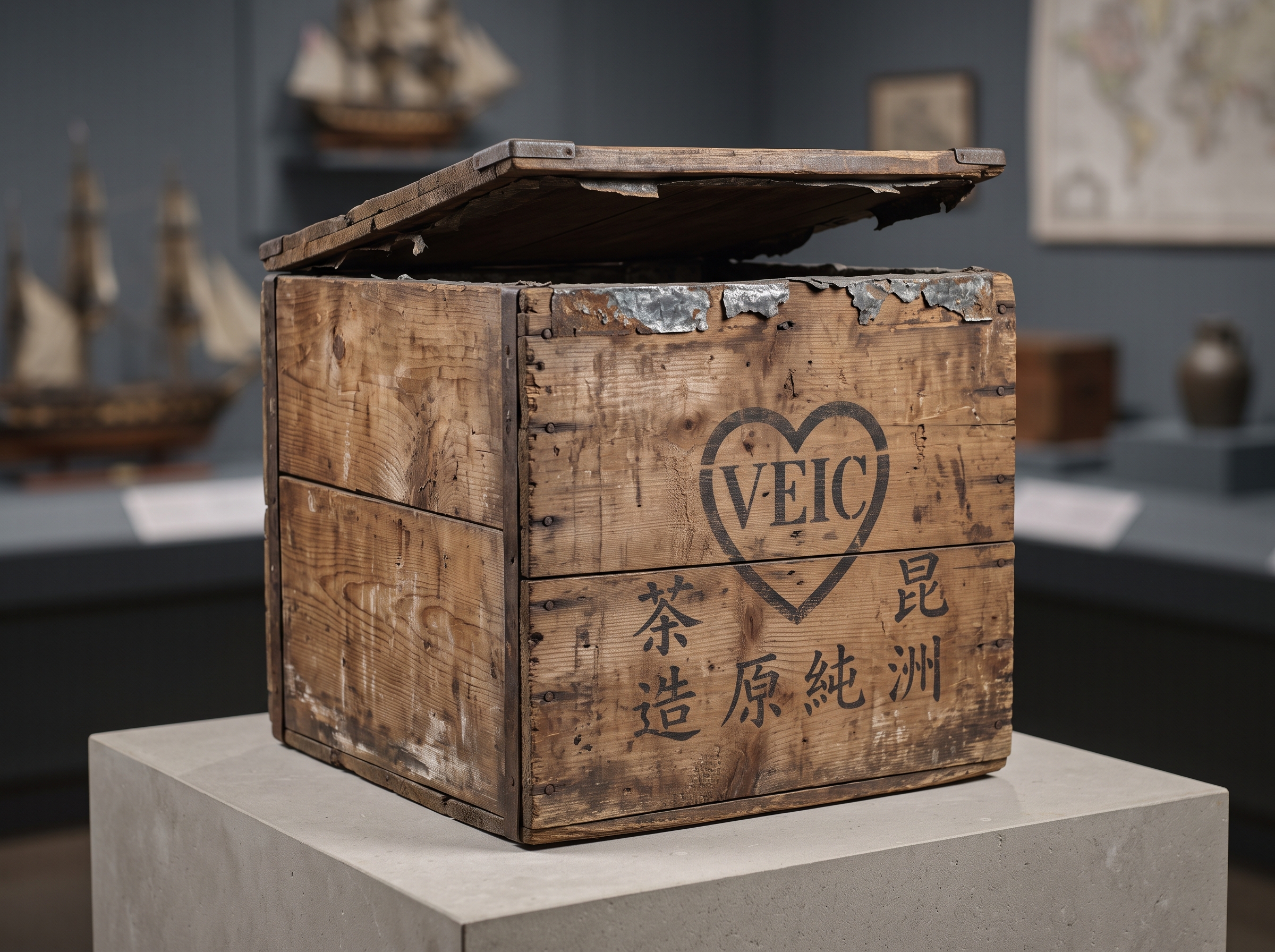
EIC Export Tea Chest
A wooden shipping crate used to transport massive volumes of Chinese tea to London, a trade fueled by Indian tax revenue and enforced by military monopoly.
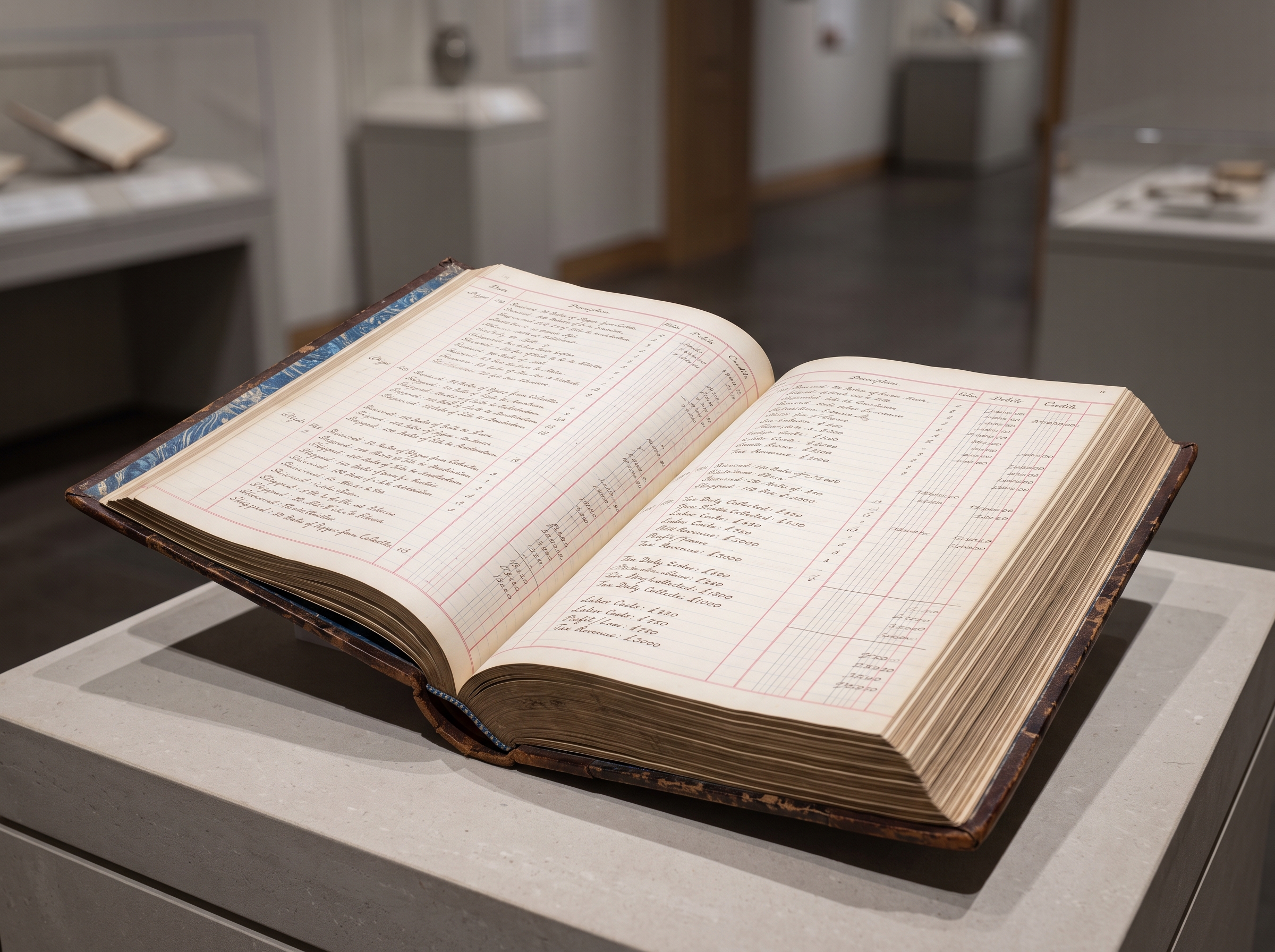
Leadenhall Accounting Ledger
A leather-bound ledger recording the flow of spices, textiles, tea, and tax revenue, translating human labor and starvation into clean double-entry bookkeeping.
Glossary
- joint-stock structure: A financial structure allowing multiple investors to pool capital and share maritime trade risks while limiting individual liability to their invested sum.
- silver bullion: Precious metals in bulk form (coins or bars), which served as the primary and highly demanded currency required to settle trade balances in Asian markets.
- monopoly: Exclusive control of a commodity or commercial trade route by a single entity, granted by a sovereign state to suppress competition and control prices.
- sepoys: Indian soldiers recruited, paid, and trained by European joint-stock companies to serve in their private colonial military forces.