EID MAR Denarius
Curated by Vera • Julius Caesar and the Fall of the Roman Republic
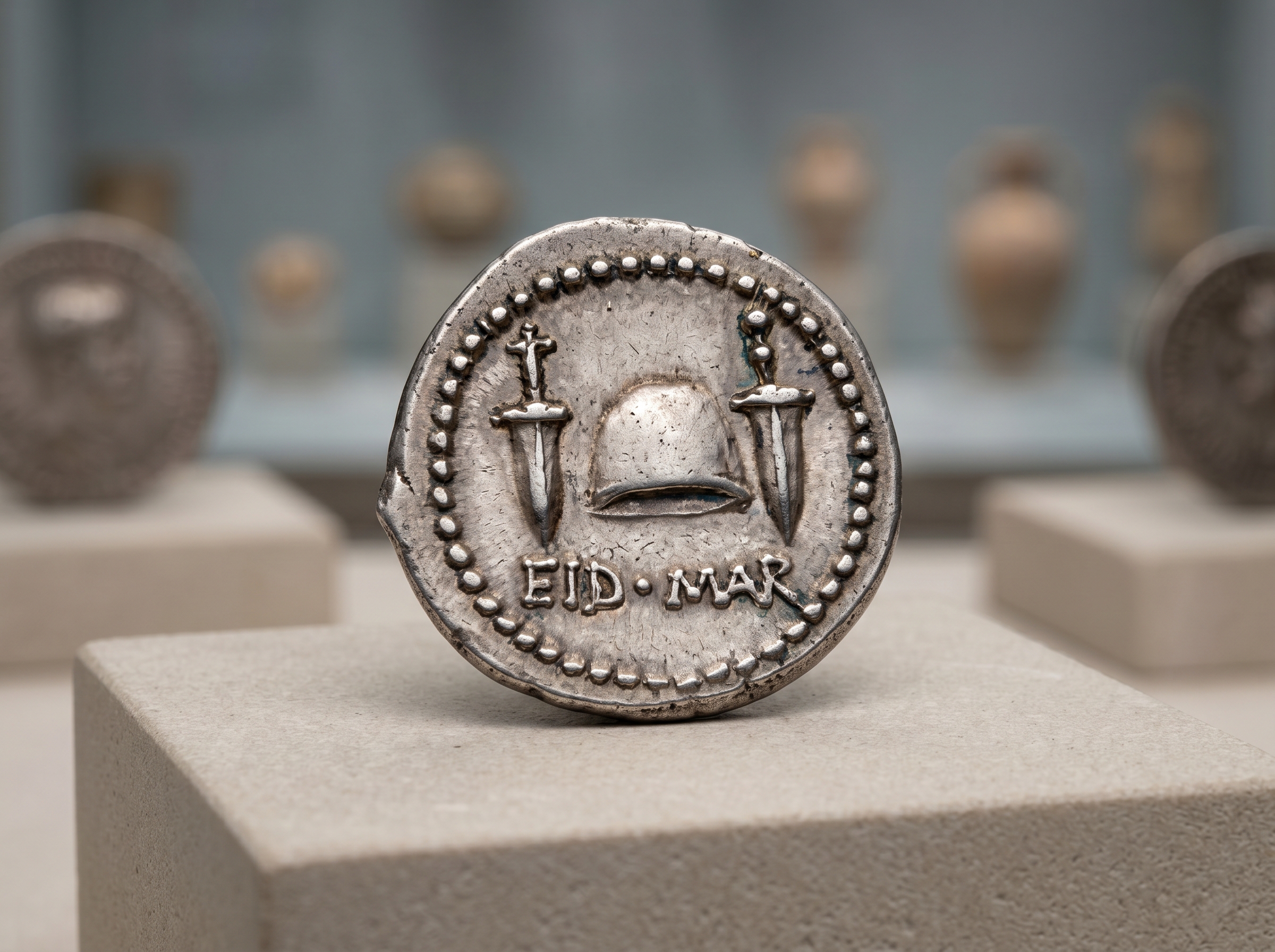
Artifact Details
Silver denarius coin from 42 B.C. The obverse shows a profile portrait of Brutus. The reverse features two distinct Roman daggers flanking a pileus, a felt cap given to freed slaves. The letters EID MAR are inscribed below. The coin is visibly worn, with tarnished edges and a slight patina in the recesses of the strike.
Primary Source
Julius Caesar and the Fall of the Roman Republic
In 133 B.C., the Roman Republic suffered its first fatal fracture on the paving stones of the Capitoline Hill. Senators shattered wooden benches to bludgeon a sitting tribune, Tiberius Gracchus, to death. They threw his body into the Tiber River. This single act of blunt-force trauma broke an unwritten social contract that had held the Mediterranean superpower together for centuries. Rome possessed no written constitution. Political gravity relied entirely on the Mos Maiorum—the way of the ancestors—a network of mutual restraint and aristocratic shame. When the Senate chose physical violence to protect vast agricultural estates, they signaled that raw force superseded tradition. Blood became a viable legislative tool. The Republic collapsed because its elite class decided winning was more important than the rules.
Read Study (18 min) →Artifacts
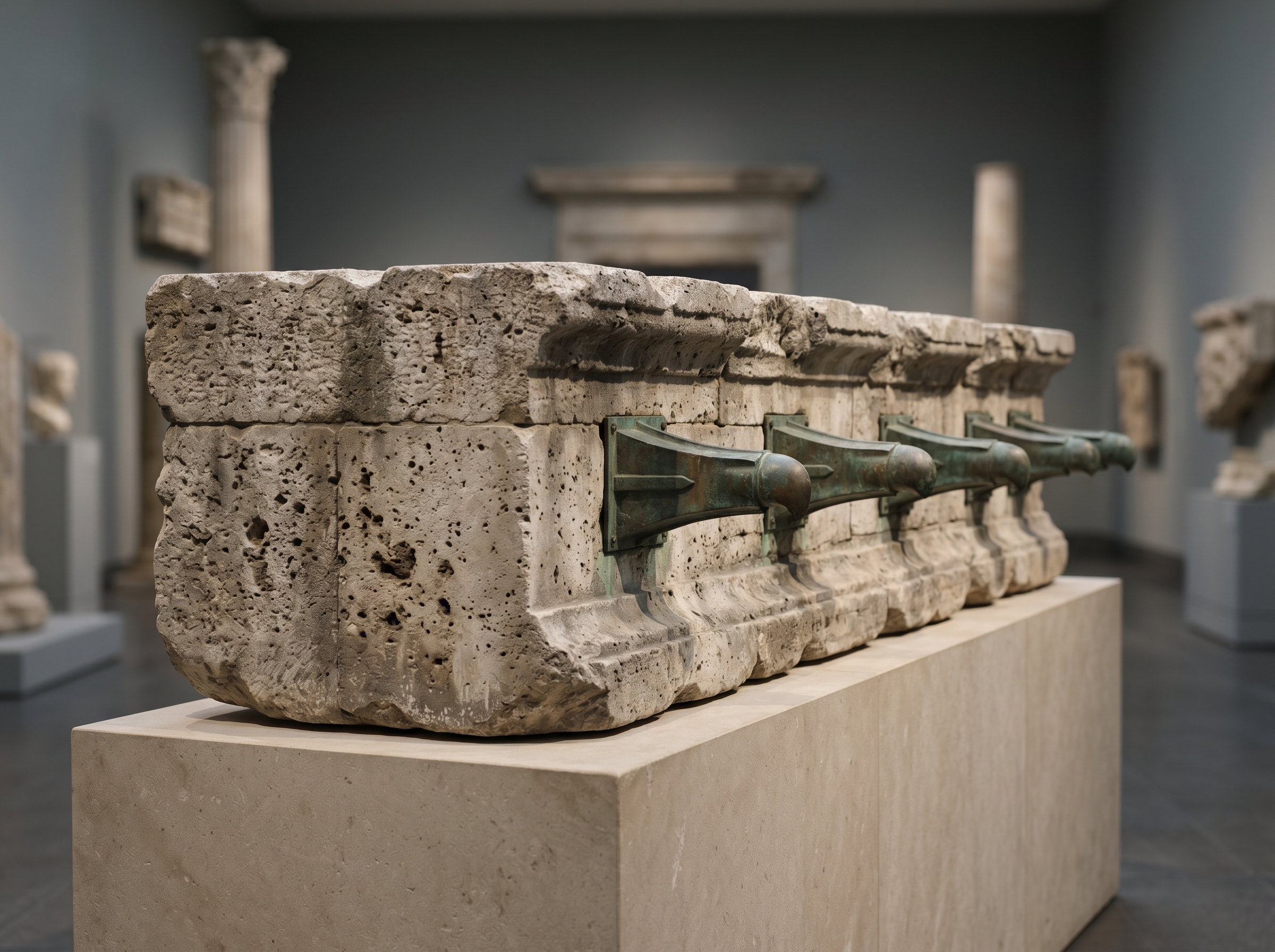
The Rostra
The elevated platform in the Roman Forum from which politicians addressed the plebeians, decorated with the prows of captured warships.
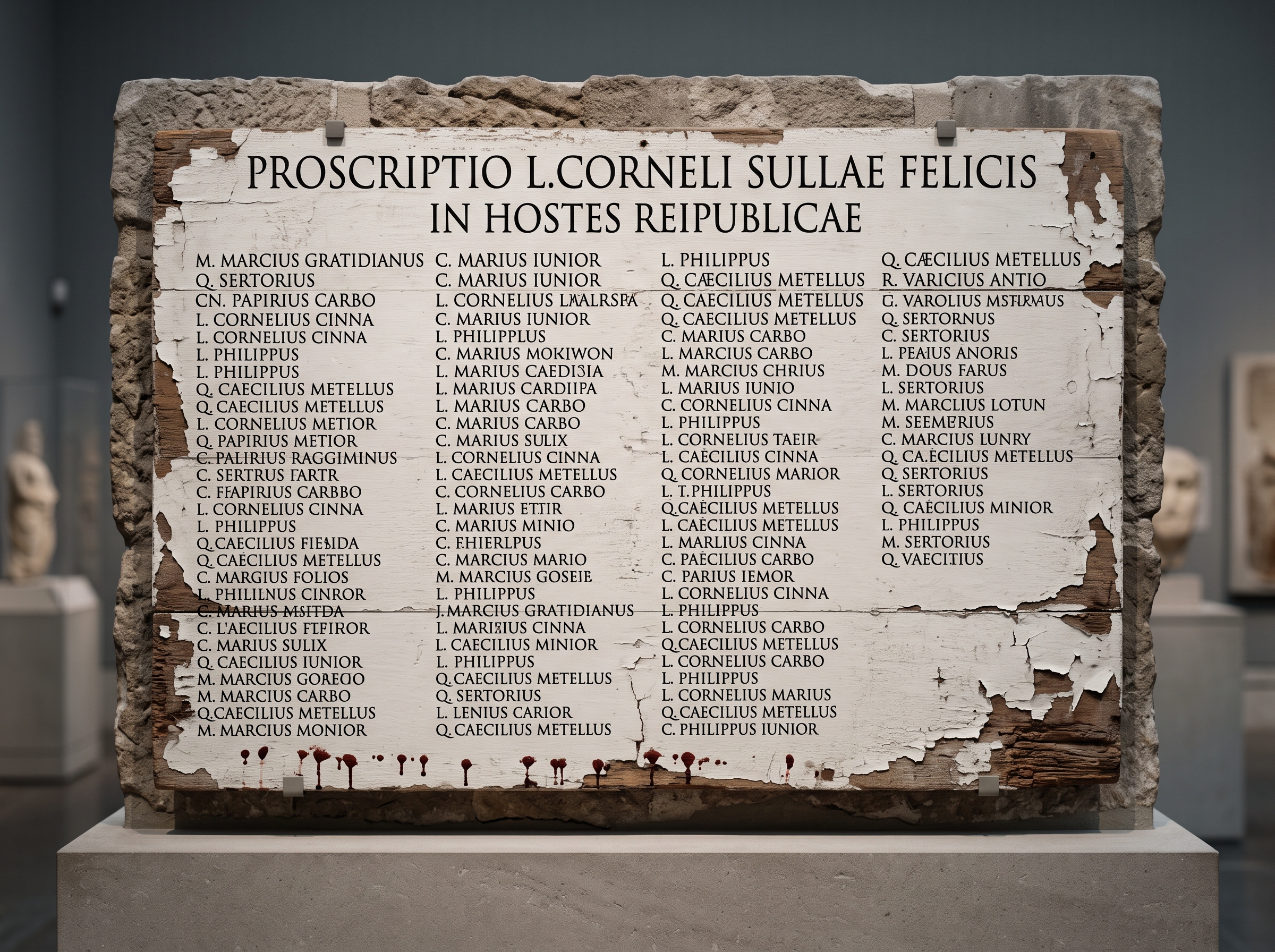
Proscription List
A public notice listing enemies of the state to be executed, a mechanism of political terror introduced by Sulla.

Hispaniensis Gladius
The standard short sword of the Roman legionary, the instrument of military power that eventually eclipsed political law.

Bust of Cicero
Marble bust of Marcus Tullius Cicero, the staunch defender of the Republic who was murdered on the orders of the Second Triumvirate.
Glossary
- mos maiorum: The 'way of the ancestors'; the unwritten code of social norms and traditions that governed Roman political behavior.
- proscription: The public identification and official condemnation of enemies of the state, resulting in the confiscation of property and death.
- tribunate: An office of the Roman Republic whose original purpose was to protect the plebeians from arbitrary action by the patrician magistrates.
- imperium: The supreme executive power in the Roman state, involving both military and judicial authority.