Book of Ingenious Devices
Curated by Vox • Paper and the House of Wisdom in Abbasid Baghdad
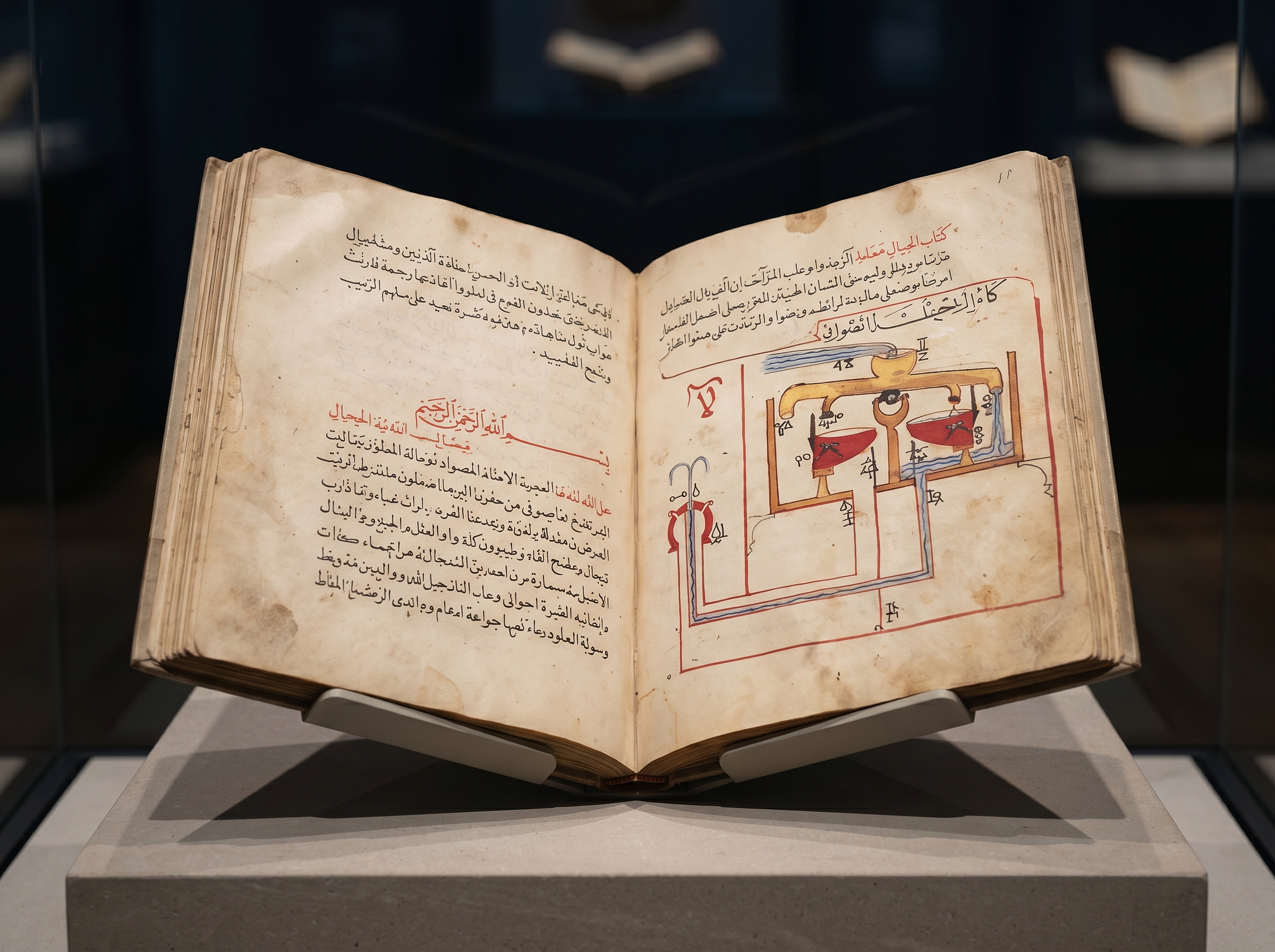
Artifact Details
An open manuscript page showing a technical schematic of a complex water-powered mechanical device with pipes and valves.
Primary Source
Paper and the House of Wisdom in Abbasid Baghdad
In 832, a Greek astronomical text arrived in Baghdad. Caliph Al-Ma'mun reportedly ordered it placed on a brass scale. Attendants balanced the heavy parchment with stamped gold dinars. This exchange constituted a strict transaction of statecraft. Abbasid administrators needed precise celestial mechanics to calculate prayer times across three continents. Persian tax manuals became necessary to extract revenue from millions of subjects. Governing an empire of this scale required a massive volume of written information. Bayt al-Hikmah was built to translate and standardize the intellectual output of conquered rivals. Knowledge was extracted, measured, and converted into a physical monopoly.
Read Study (16 min) →Artifacts
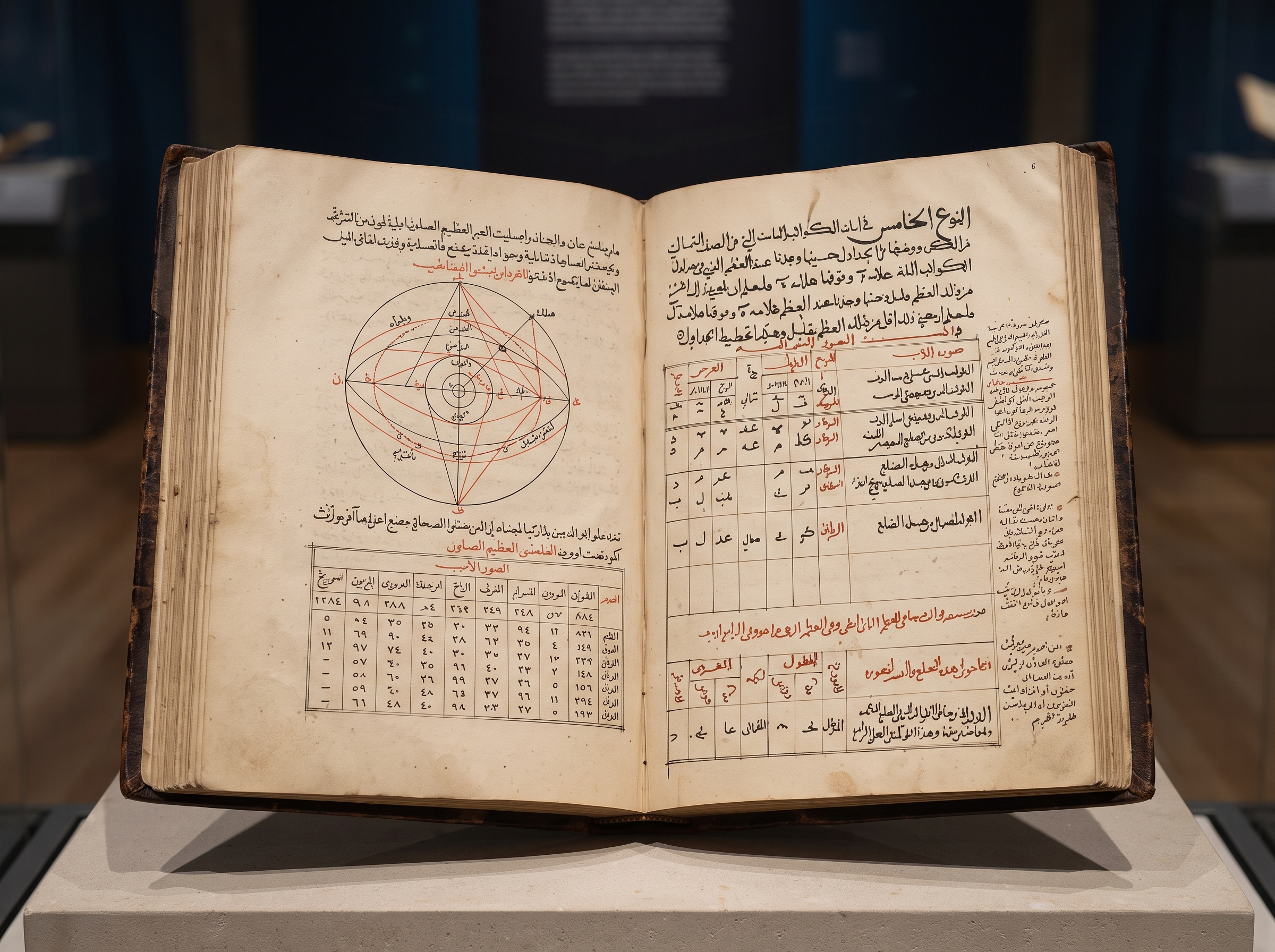
Translated Almagest Manuscript
Ptolemy's astronomical framework, ingested and recalibrated for Islamic navigation.
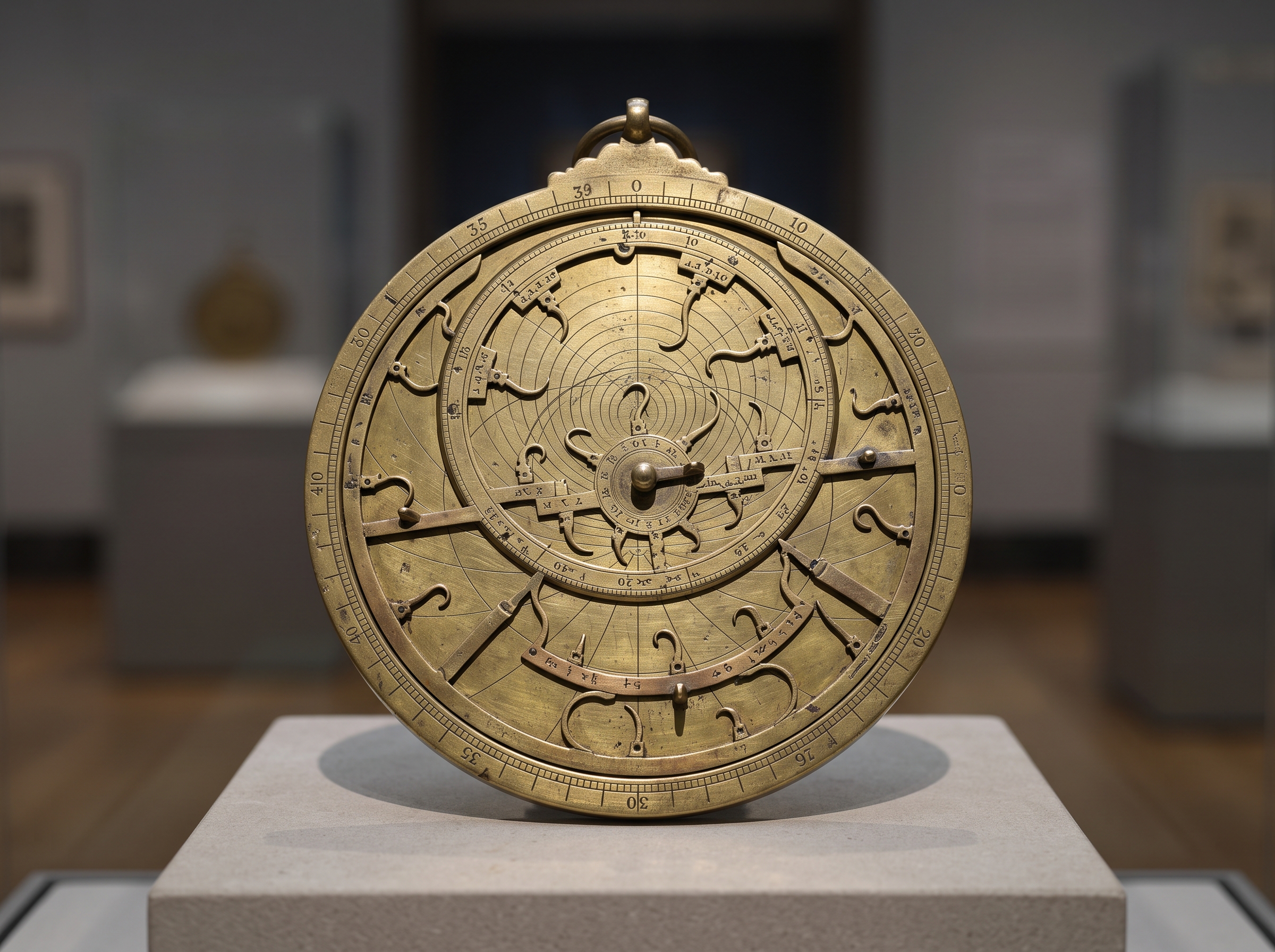
Brass Astrolabe
A navigational computer, miniaturizing celestial mechanics into a portable interface.
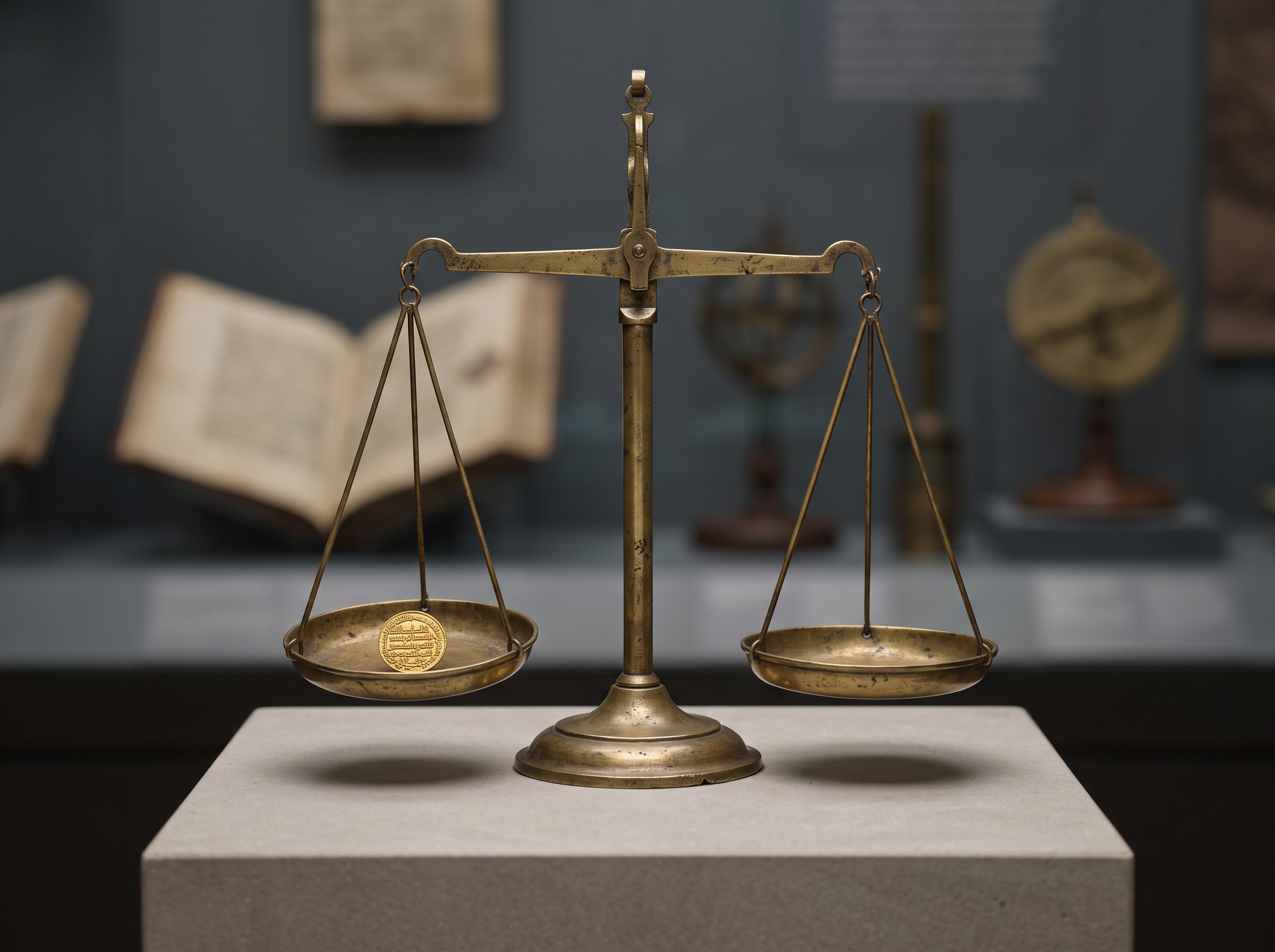
Gold Dinar Weight
The material metric of intellectual value, matching the exact weight of translated texts.
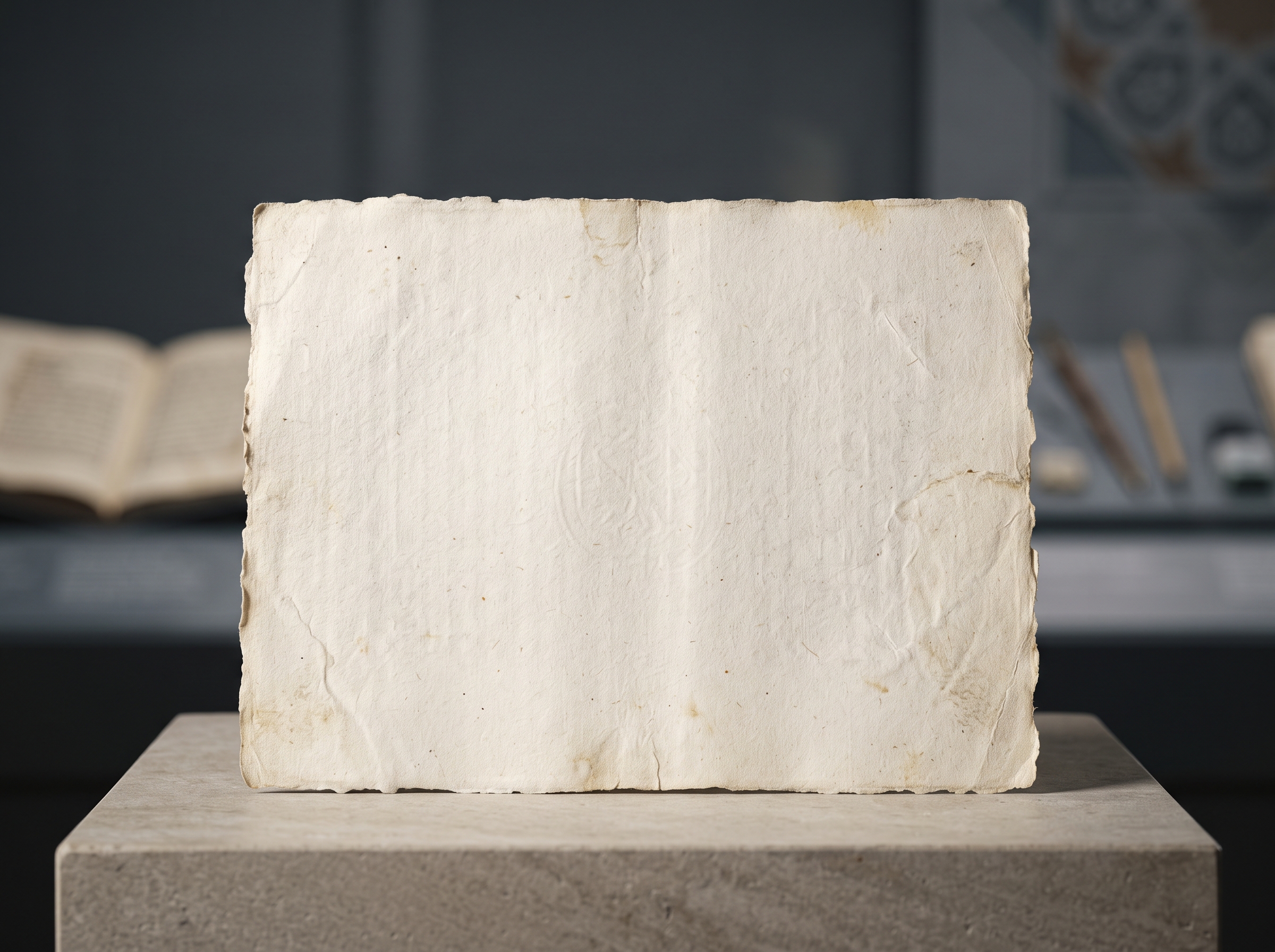
Blank Rag Paper
The material medium that dramatically lowered the cost of information replication.
Glossary
- bayt al-hikmah: The 'House of Wisdom'; a major intellectual center, library, and translation institute in Abbasid Baghdad.
- translation movement: The state-sponsored effort to translate secular Greek, Persian, and Indian texts into Arabic.
- astrolabe: An intricate analog calculator used for solving problems relating to time and the position of the Sun and stars.
- almagest: A second-century mathematical and astronomical treatise by Ptolemy, acting as the definitive model of celestial mechanics.