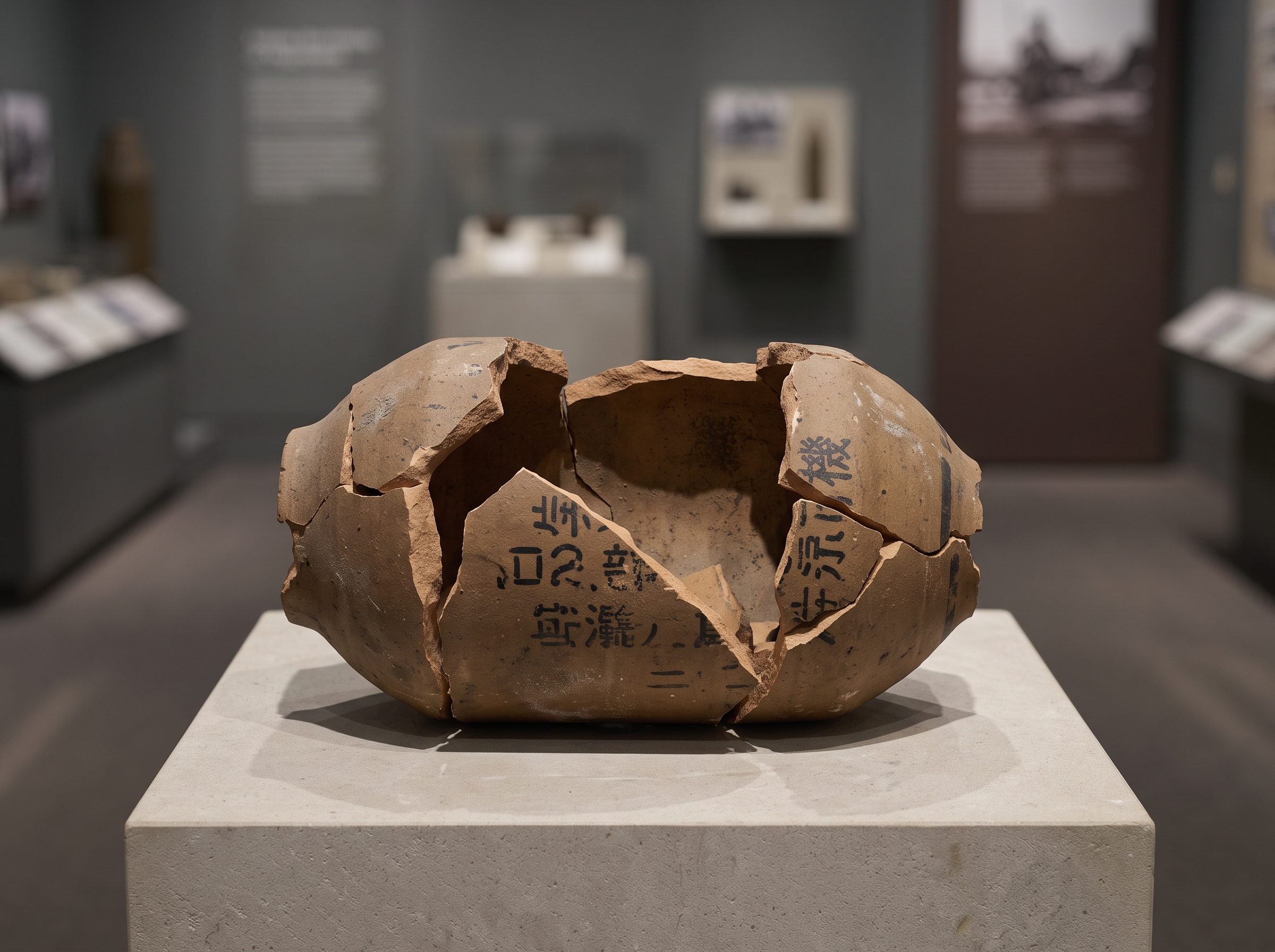
Ceramic Uji Bomb Casing
Curated by Kairo • Unit 731 and Japan’s Human Experiments in Manchuria
Artifact Details
A fractured, thick porcelain artillery shell casing, earthen brown and unglazed. It bears painted black Japanese military stenciling, with sharp, jagged ceramic edges from fragmentation. The material texture is coarse and brittle.
Primary Source
Unit 731 and Japan’s Human Experiments in Manchuria
In the sub-zero winter of 1940 Manchuria, men stood chained to iron stakes in the open courtyard of the Ro-Gou square building. Guards poured freezing water over their bare arms, waiting for the distinct, hollow sound of a wooden stick striking frozen flesh to finalize a controlled test of cellular necrosis in freezing temperatures. Inside the six-square-kilometer Pingfang complex, Surgeon General Shiro Ishii transformed pathology from a healing science into an offensive weapon. Unit 731 inverted the foundational ethics of medicine, treating the living human body solely as raw material to produce mass-casualty biological weapons.
Read Study (16 min) →Artifacts
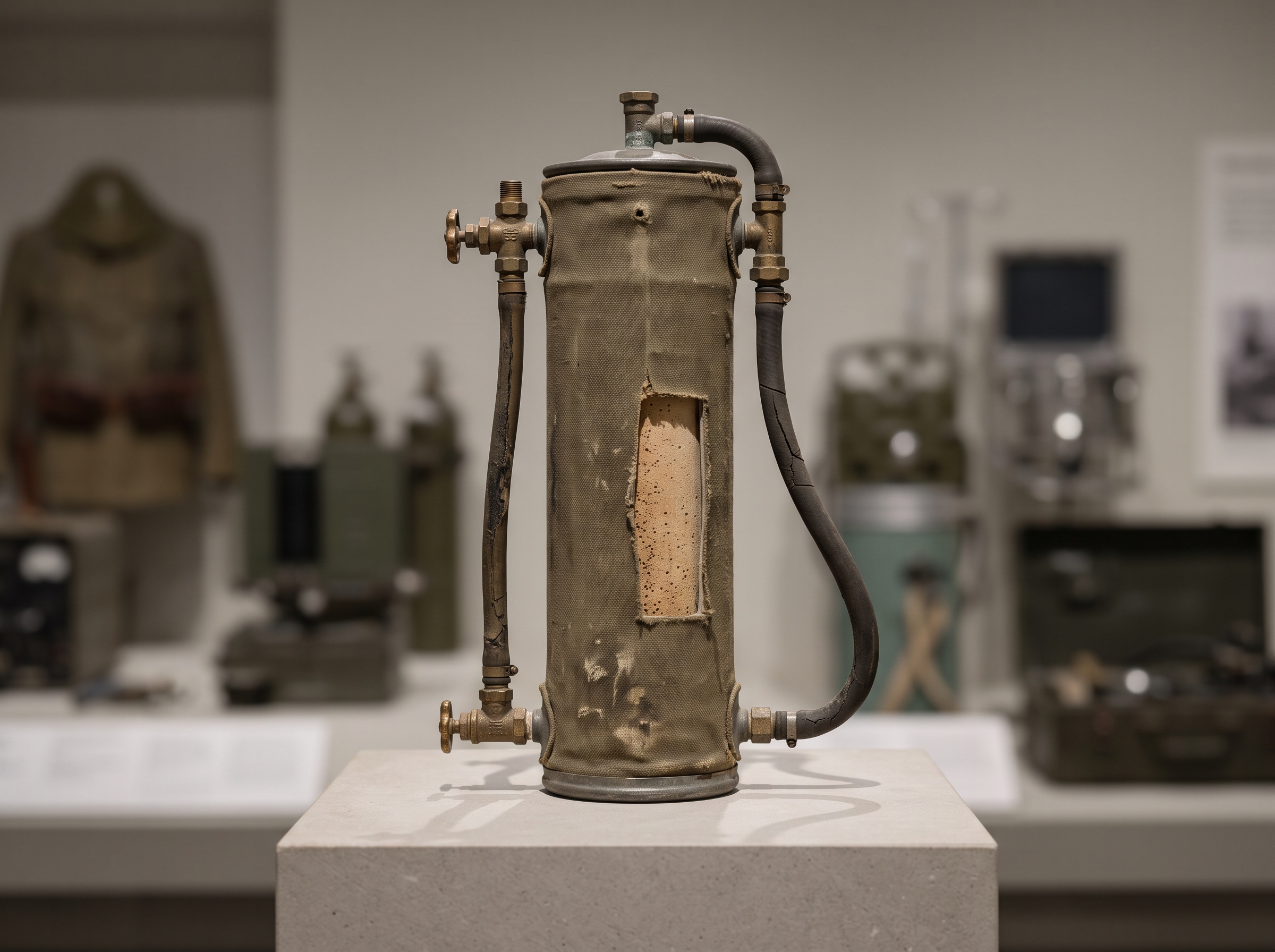
Ishii Water Filter
The ceramic diatomaceous earth filtration system invented by Shiro Ishii, which initially established his utility to the military.
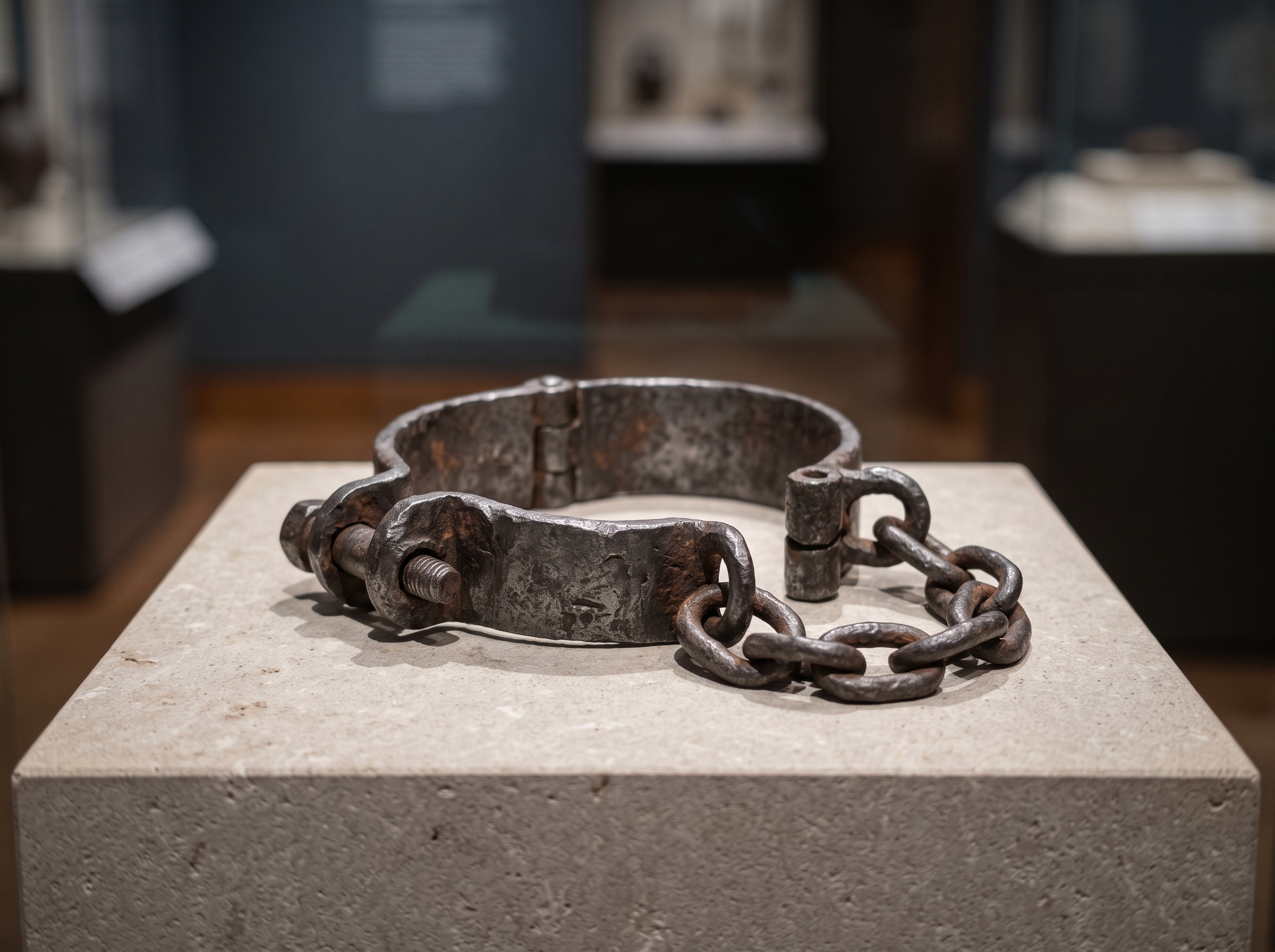
Prisoner Iron Shackle
Heavy iron restraints used to hold prisoners in sub-zero outdoor courtyards during controlled frostbite and necrosis experiments.
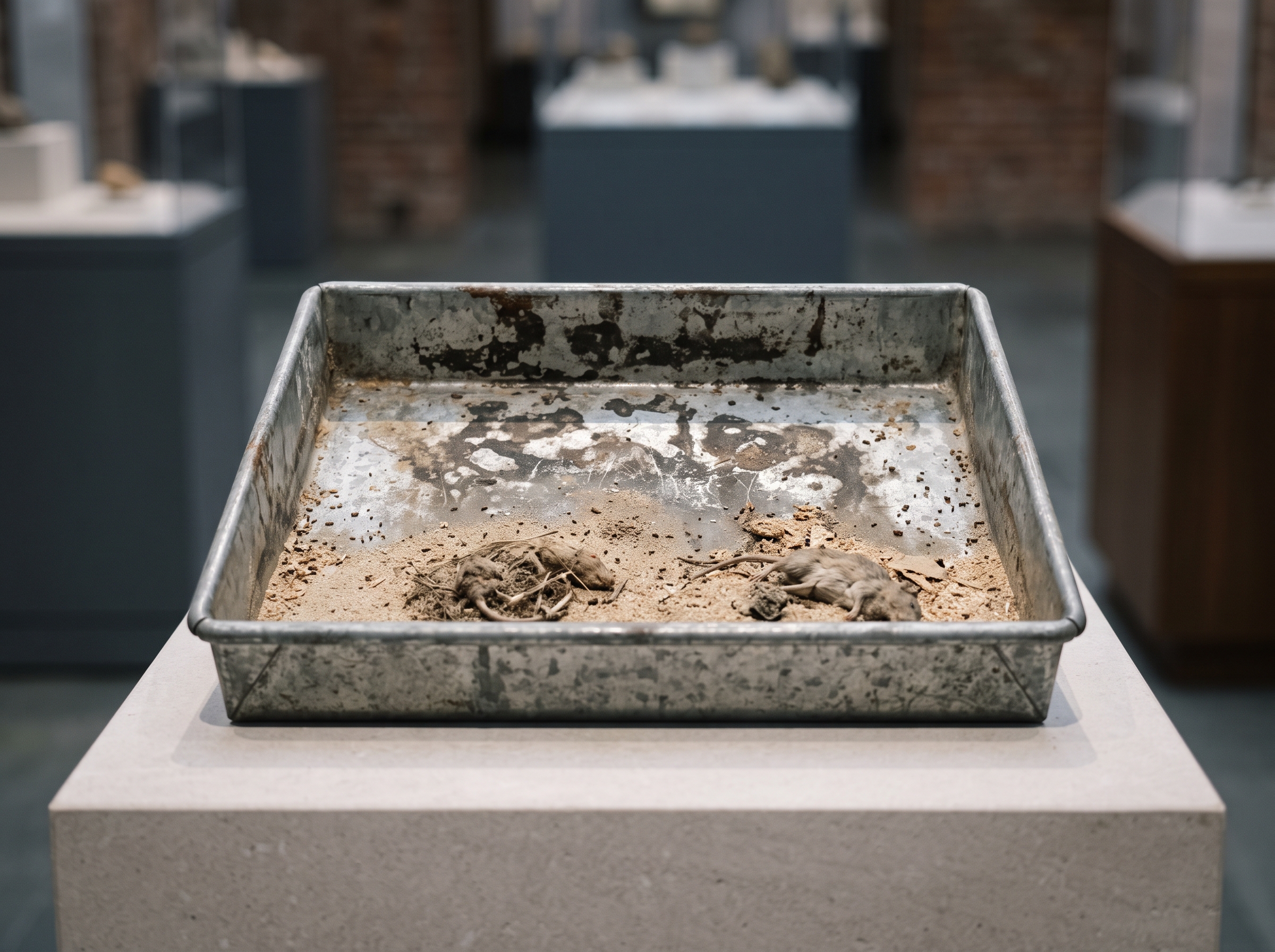
Flea Incubation Tray
A shallow metal pan used to breed Yersinia pestis-infected fleas by the millions, feeding them on the blood of rats.
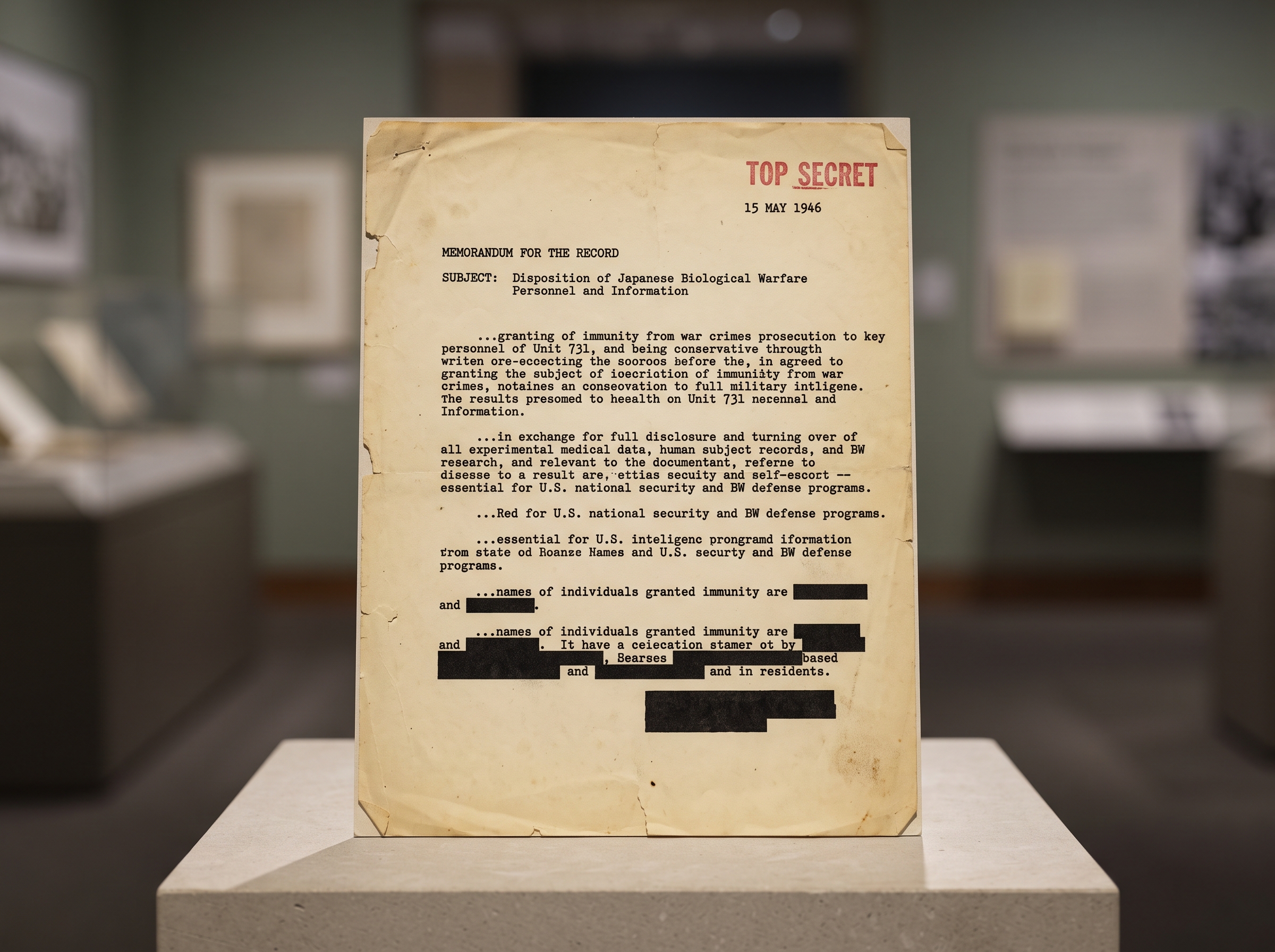
U.S. Immunity Agreement
The declassified post-war documentation granting Unit 731 researchers complete immunity in exchange for their experimental medical data.
Glossary
- vivisection: The surgical dissection or operation on live human subjects, performed without anesthesia to observe unaltered physiological responses to trauma or infection.
- yersinia pestis: The Gram-negative, rod-shaped bacterium responsible for the bubonic plague, mass-cultivated by military scientists for vector dissemination.
- maruta: The dehumanizing administrative code term, meaning 'logs' in Japanese, used by researchers to designate human subjects targeted for lethal experimentation.
- uji bomb: A specialized munition featuring a thin porcelain casing designed to disperse disease vectors at low altitudes without the incinerating heat of conventional metal shells.