Amylopectin
Curated by Dorian • The Great Wall of China Defends the Ming Frontier
Definition
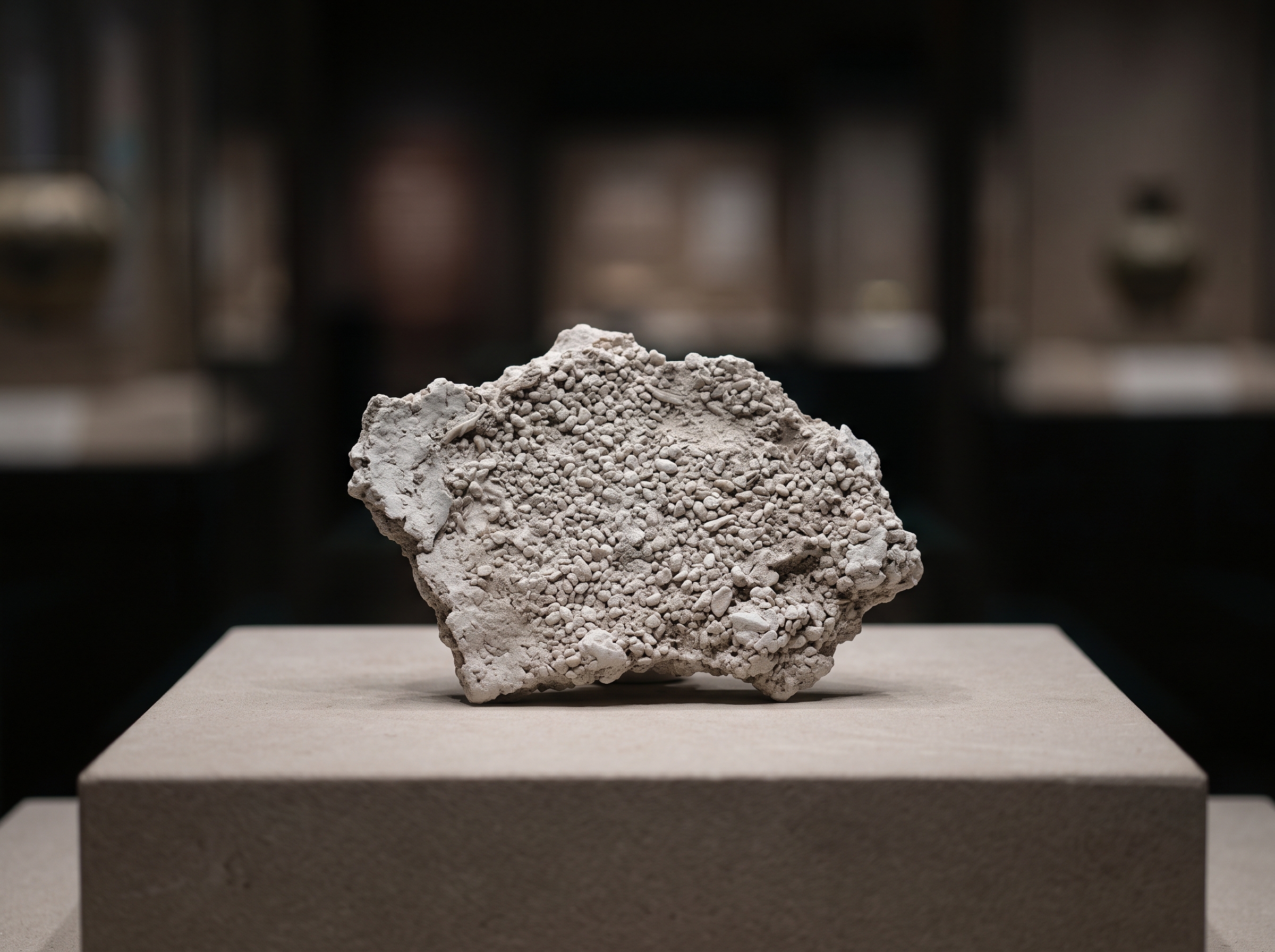
The water-insoluble, highly branched polysaccharide component of starch found in sticky rice, which bonds with calcium minerals to create resilient mortar.
In Context
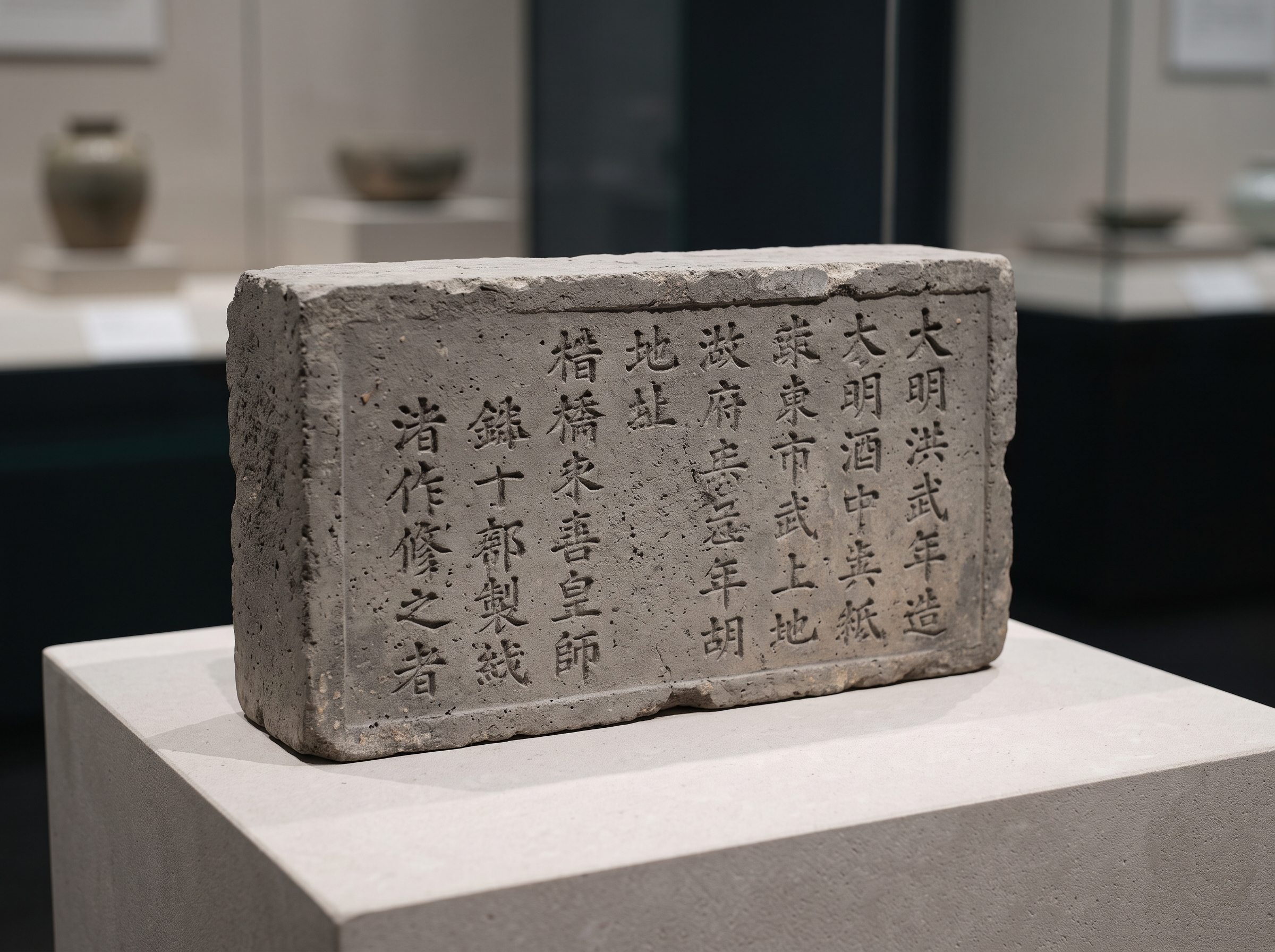
Bricks alone cannot withstand the seismic tremors of the northern fault lines. Ming master builders developed a chemical binder to prevent fractures. Laborers mixed standard calcium hydroxide—slaked lime—with a concentrated broth of sticky rice. The amylopectin in the rice acted as a micro-structural inhibitor. That organic starch controlled the growth of calcium carbonate crystals as the mortar cured.
Primary Source
The Great Wall of China Defends the Ming Frontier
The Great Wall of China functioned as a vast economic weapon designed to starve nomadic cavalry. Its 21,196-kilometer span reveals a brutal history of sticky rice mortar, rammed earth, and catastrophic human expenditure.
Read Study (18 min) →Artifacts

Glossary
- rammed earth
- An ancient construction technique of compressing damp soil, gravel, and binders inside wooden shuttering frames using heavy wooden tampers.
- crenellations
- The alternating solid parapets and open notches at the top of defensive walls, permitting defenders to deploy projectiles safely.
- signal towers
- High-altitude brick and stone structures spaced at visual intervals along the wall, used to transmit tactical warnings via smoke and fire.
- slaked lime
- Calcium hydroxide, prepared by baking limestone at extreme heat and combining it with water in a violent, exothermic reaction.
- corvée
- A system of unpaid, state-mandated forced labor extracted in lieu of taxes, used to mobilize massive peasant workforces.