Carbonaceous Chondrite
Curated by Altair • A 10-Kilometer Asteroid Strikes Chicxulub
Definition
A rare, volatile-rich primitive class of stony meteorites containing organic compounds, water, and silicate grains.
In Context
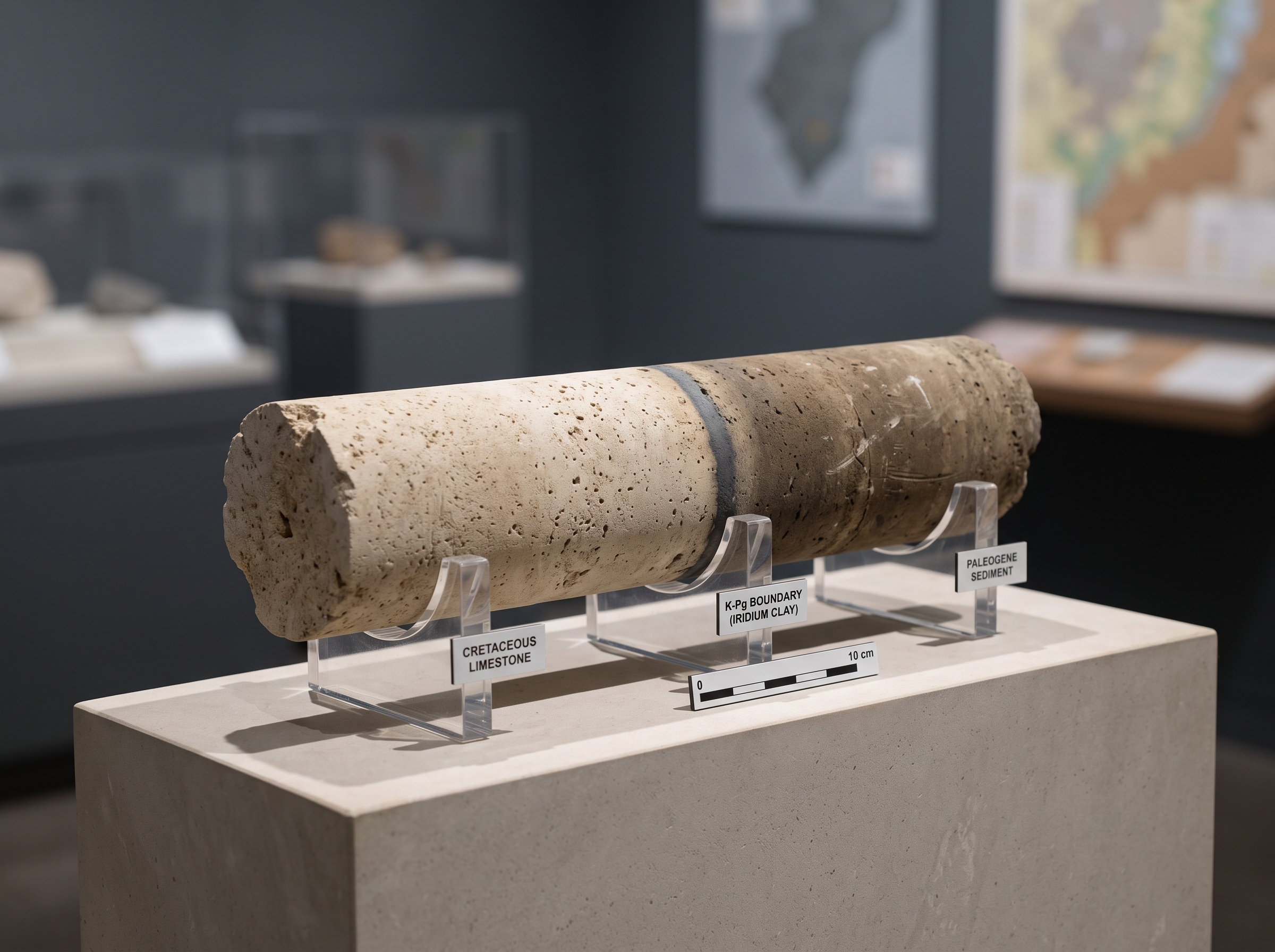
Sixty-six million years ago, a mass of carbonaceous chondrite roughly the size of a mountain struck the shallow waters of the Gulf of Mexico. Velocity dictated the resulting violence. Traveling at an estimated 20 kilometers per second, the impactor possessed a kinetic energy output dwarfing the combined explosive capacity of all modern nuclear arsenals. Contact with the water column and underlying bedrock transferred momentum instantly, overwhelming the structural integrity of the target.
Primary Source
A 10-Kilometer Asteroid Strikes Chicxulub
An analysis of the thermodynamic and kinetic mechanisms that translated a 10-kilometer asteroid into a global extinction event. It reveals how the geological composition of the Yucatán shelf weaponized the impact, initiating a lethal atmospheric suspension.
Read Study (17 min) →Artifacts
Glossary
- kinetic energy
- The energy an object possesses due to its motion, scaling exponentially with its velocity (E = 1/2 mv²).
- peak ring
- A concentric ring of rugged, raised mountains formed within a large impact crater when the central uplift zone collapses.
- shocked quartz
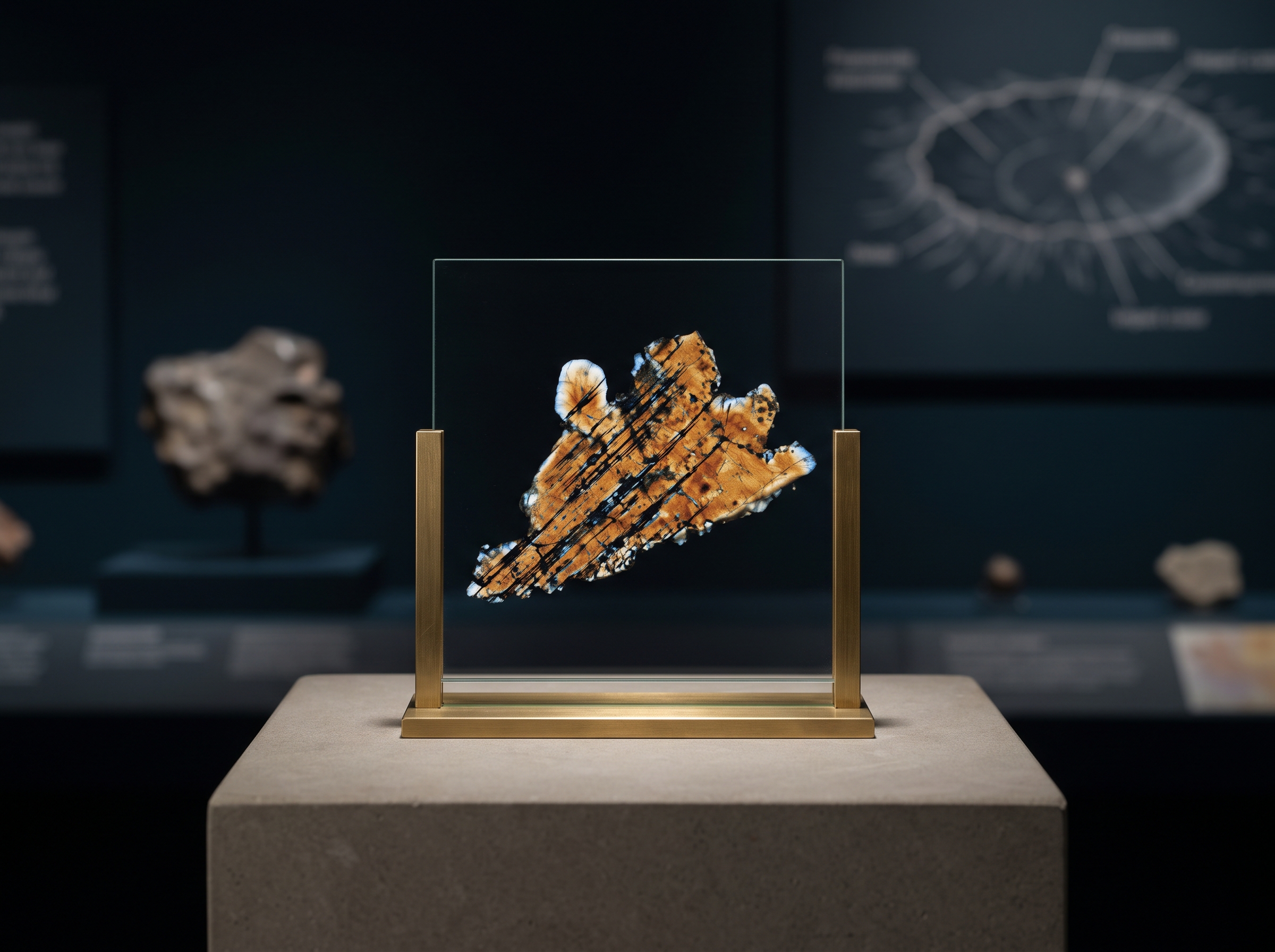
- A deformed quartz crystal featuring microscopic parallel lines formed under the immense, brief pressures of a hypervelocity impact.
- tektites
- Small, aerodynamically shaped glass beads formed from terrestrial rock vaporized and ejected into space, cooling as they fall back.
- impact winter
- A prolonged, freezing planetary twilight caused by dense stratospheric aerosols and ash blocking incoming solar radiation.