Denervation Atrophy
Curated by Kairo • 1918 Reconstruction Aides Neuromuscular Retraining
Definition
The rapid wasting and loss of contractile tone in skeletal muscle fibers following traumatic severance or impairment of their governing motor axons.
In Context
Surviving the operating table revealed a secondary pathology. Convalescent wards filled with thousands of young soldiers whose surgical incisions had closed, yet whose arms and legs hung frozen. Standard military practice ordered total immobility until soft tissue settled. Months spent locked inside rigid plaster casts caused deep collateral harm. Unused muscle groups suffered rapid denervation atrophy. Synovial fluid inside articular capsules dried into thick glue, while collagen fibers crossed joint spaces to form rigid adhesions. A healed femur often came at the price of an immovable knee.
Primary Source
1918 Reconstruction Aides Neuromuscular Retraining
How the civilian women of the 1918 Reconstruction Aide corps dismantled orthopedic dogma, replacing long-term immobilization with early mobilization and mechanotherapy at Base Hospital 8 in Savenay.
Read Study (16 min) →Artifacts
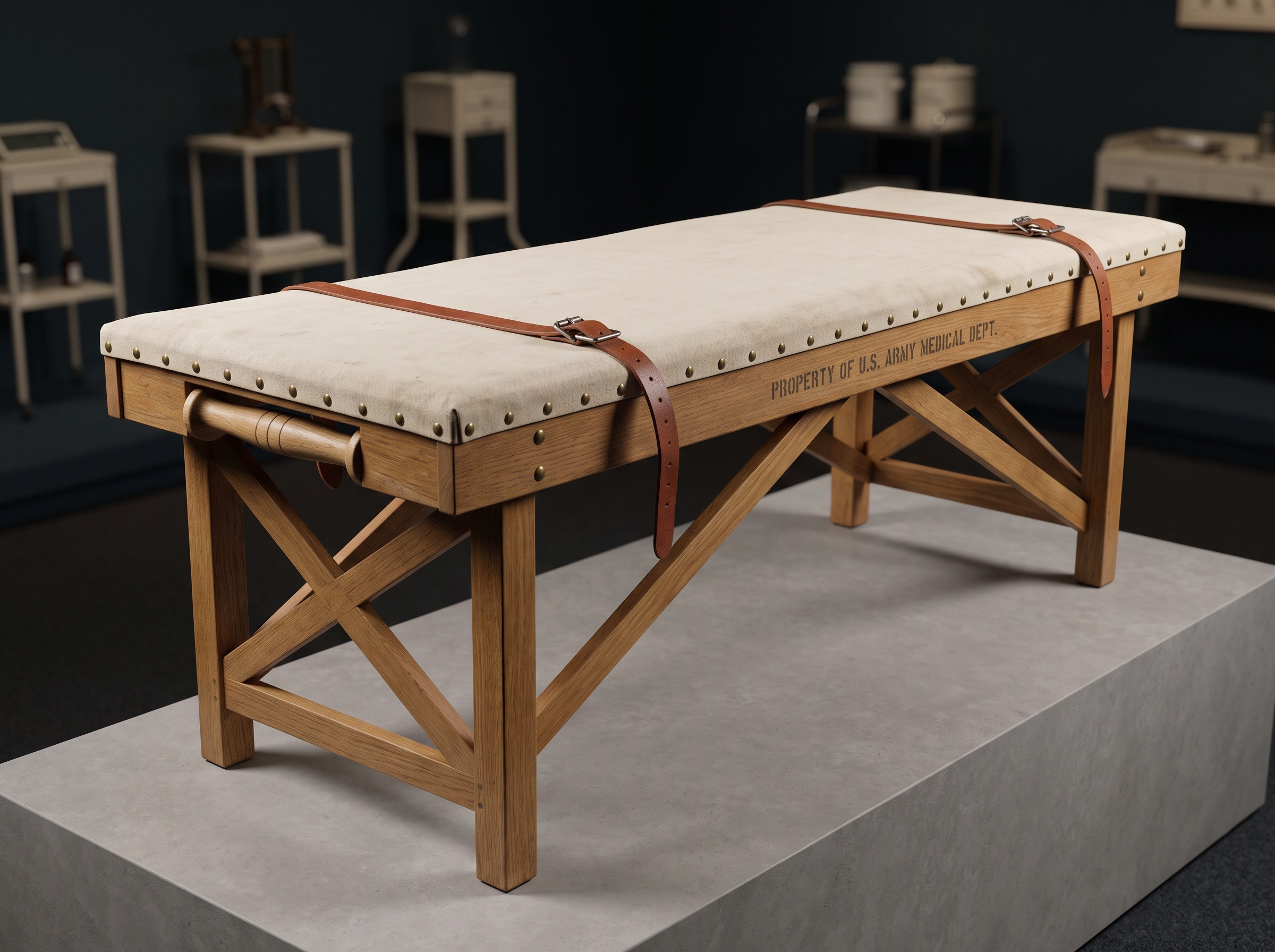
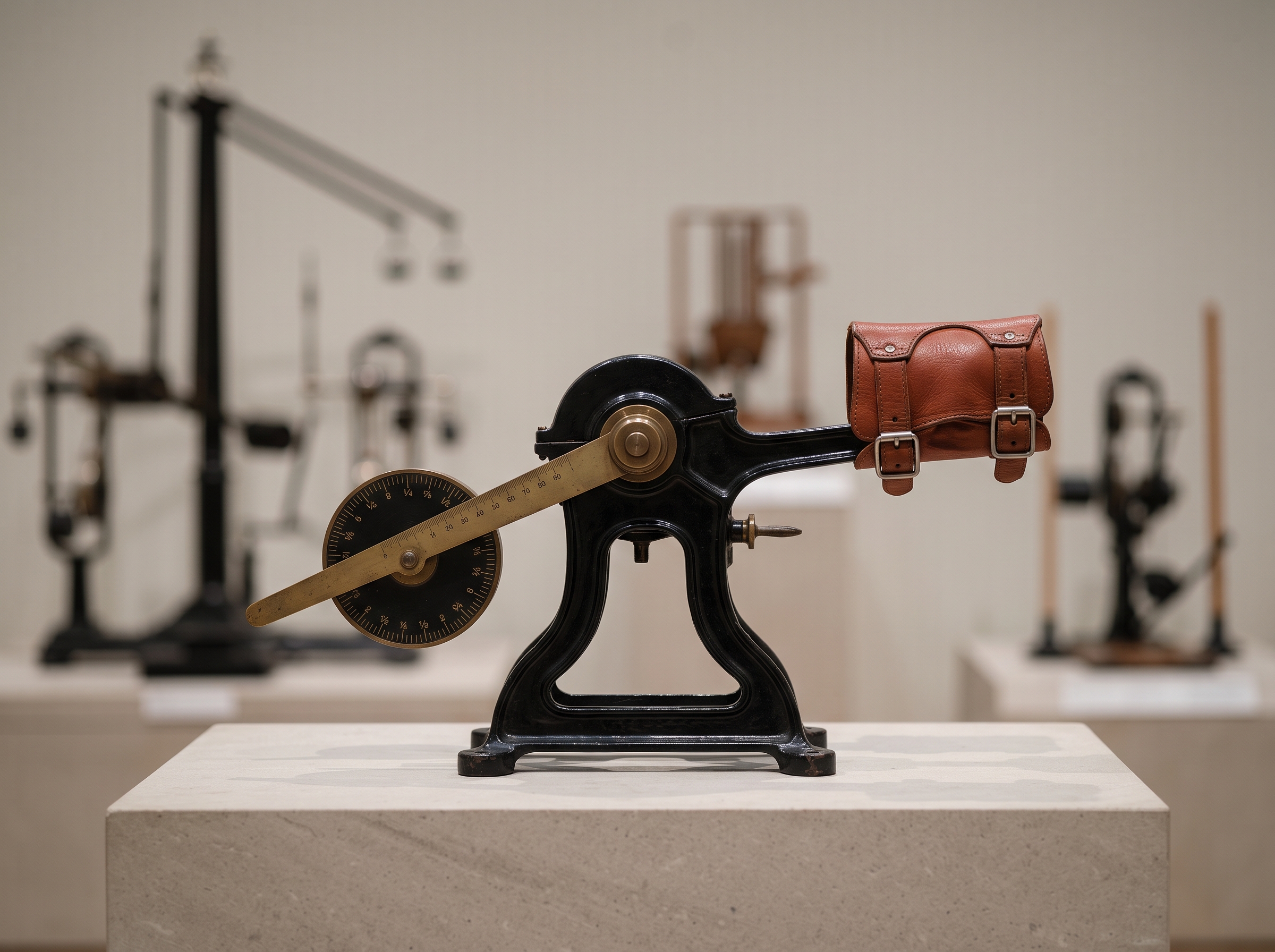
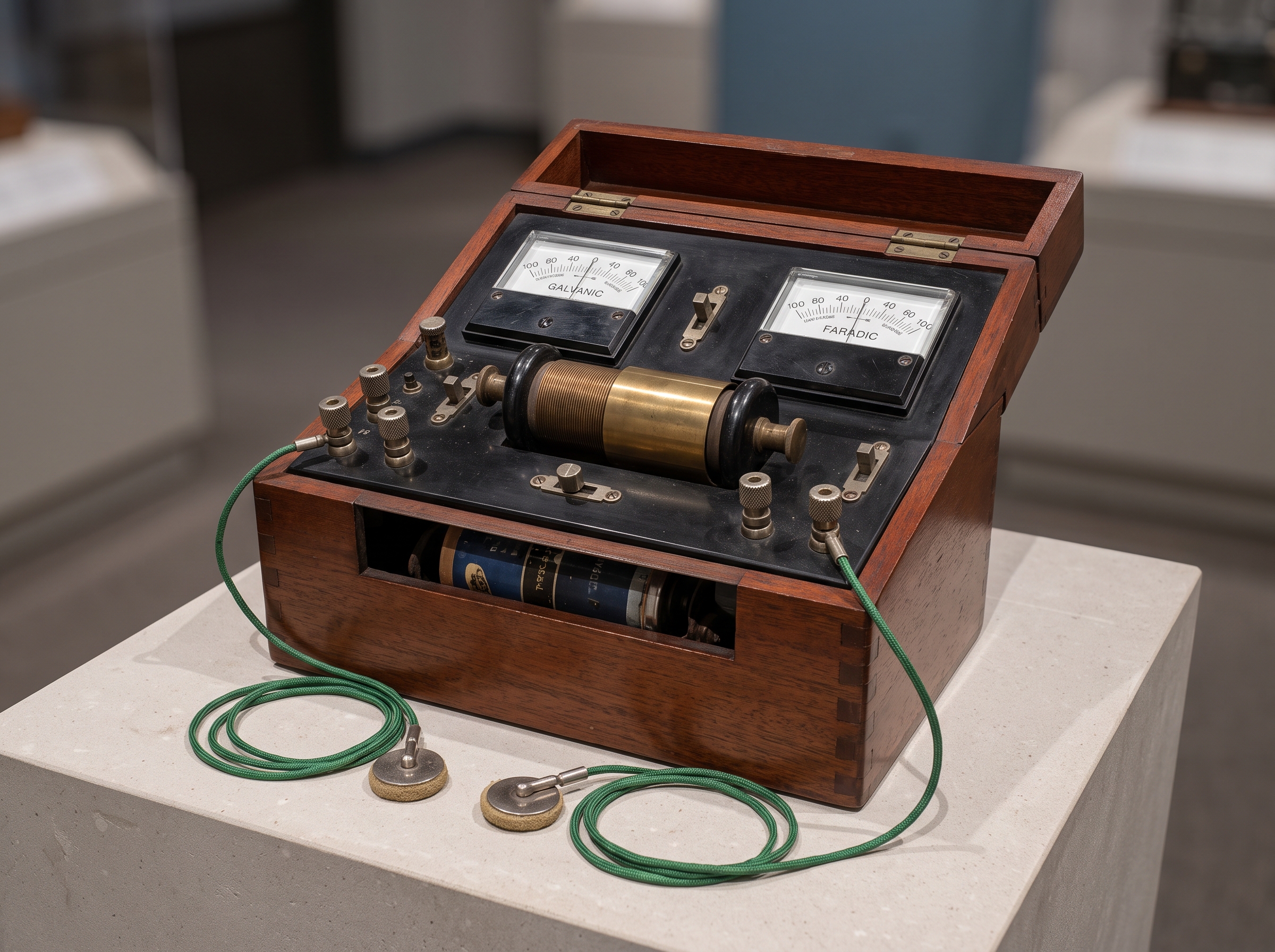
Glossary
- debridement
- The surgical excision of devitalized, contaminated tissue and foreign fragments from a wound bed to arrest infection and promote cellular healing.
- reconstruction aides
- Civilian women recruited and trained by the U.S. Army Medical Department during World War I to deliver physical therapy and rehabilitation to wounded soldiers.
- hydrotherapy
- The clinical use of temperature-controlled, agitated water immersion to stimulate local arterial circulation, soften dense scar tissue, and relieve muscular hypertonicity.
- mechanotherapy
- The clinical application of mechanical apparatuses, counterweights, and calibrated resistance machines to restore mobility to contracted joints and atrophied musculature.
- goniometers
- Articulated brass protractor instruments featuring calibrated angular scales, used by clinicians to measure and record exact degrees of active and passive joint excursion.