Discriminative Stimulus
Curated by Seren • Skinner Box Experiments in Operant Conditioning
Definition
A specific sensory cue, such as a light or tone, that signals to an organism whether a behavior will currently trigger a reinforcement reward.
In Context
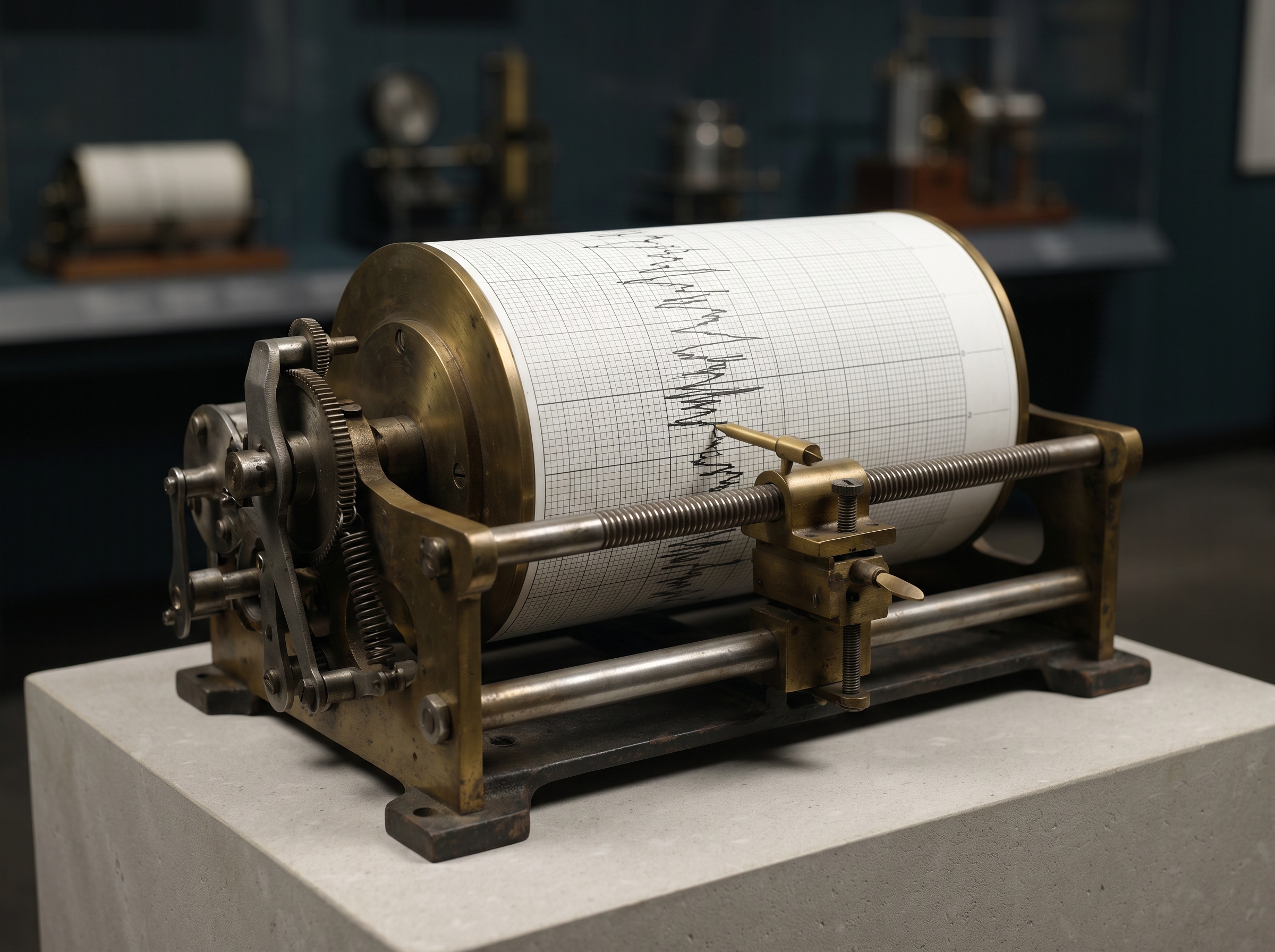
In a Harvard laboratory in 1930, a wooden crate replaced human introspection with a mechanical drum. Burrhus Frederic Skinner discarded centuries of philosophical debate about consciousness and built a machine to measure behavioral output. Inside the acoustic enclosure, a hungry rat confronted a brass lever. Pressing the metal yielded a dry 45-milligram food pellet. A wired stylus recorded each strike on a rotating paper cylinder, removing human observation entirely. This operant conditioning chamber proved that external consequences shaped behavior directly. By manipulating the timing of the reward, Skinner discovered he could dictate the exact frequency of an organism's action. The resulting discoveries established the variable-ratio schedules that now govern human attention.
Primary Source
Skinner Box Experiments in Operant Conditioning
In 1930, B.F. Skinner built a mechanical wooden crate to measure the behavioral output of rats and pigeons. The resulting discovery of variable-ratio reinforcement stripped away the illusion of free will, establishing the behavioral foundation that now drives modern digital engagement.
Read Study (15 min) →Artifacts


Glossary
- operant conditioning
- The behavioral modification process whereby the probability of an action is systematically altered by its subsequent reward or punishment.
- variable-ratio schedule
- A reinforcement design where a reward is delivered after an unpredictable, varying number of responses, creating highly persistent habits.
- extinction burst
- The brief, intense surge in the frequency and force of a conditioned behavior that occurs immediately when a previously expected reward is permanently withdrawn.
- manipulandum
- The physical lever, key, or button interface within an operant chamber that a subject must physically depress to actuate the reward mechanism.
- cumulative record
- The real-time mechanical graph plotting cumulative behavioral inputs as a continuous, rising line over a fixed temporal canvas.