F-1 Engines
Curated by Novus • Apollo 11’s Lunar Descent to Tranquility Base
Definition
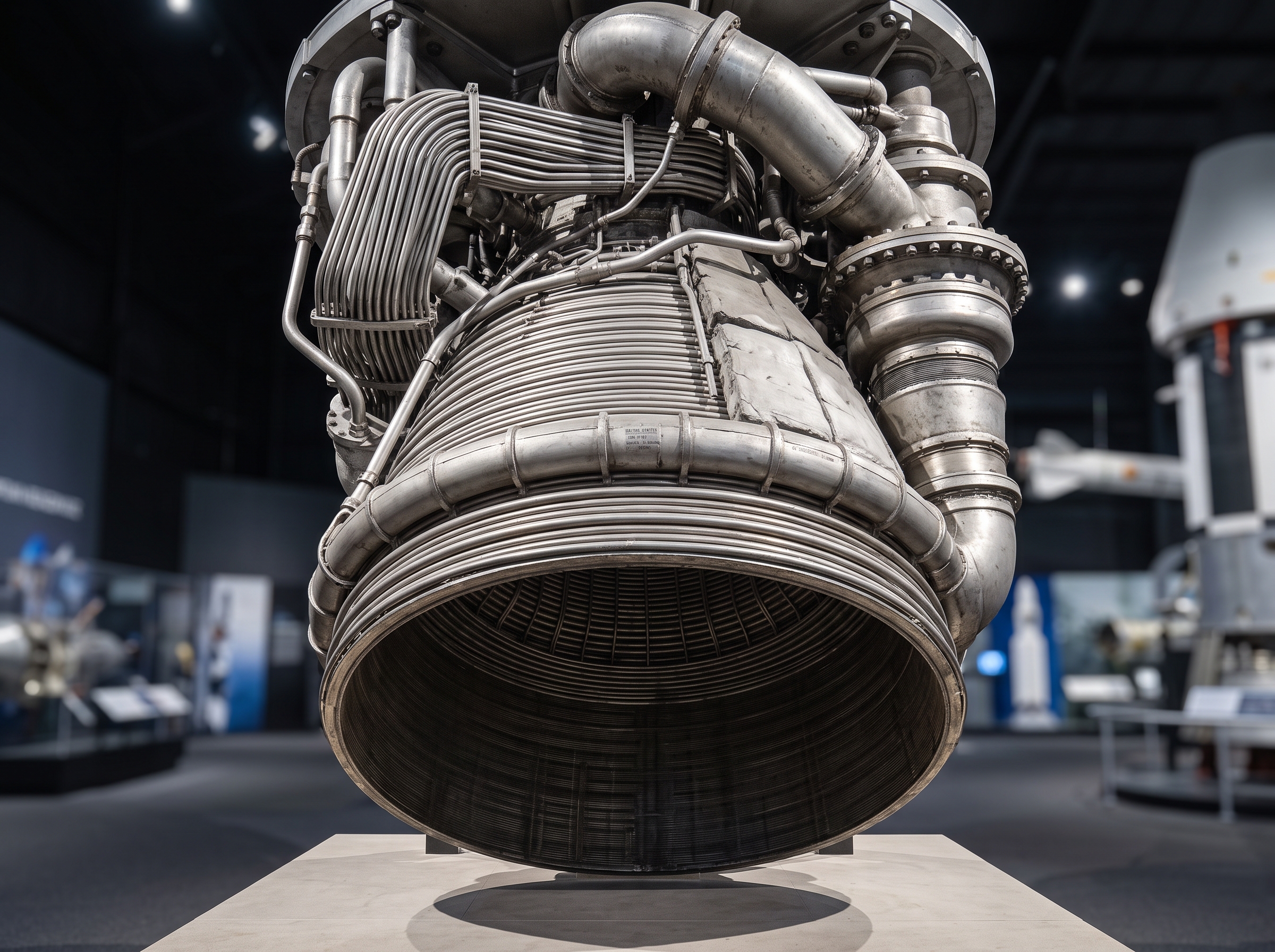
The massive Rocketdyne-produced liquid-fueled rocket engines powering the first stage of the Saturn V, generating 1.5 million pounds of thrust each.
In Context
At 6,000 feet above the lunar surface, the Apollo Guidance Computer began to fail. Inside the cramped, aluminum-skinned Lunar Module Eagle, Neil Armstrong and Buzz Aldrin stood surrounded by switches, staring at a flashing 1202 program alarm. They were traveling at 100 feet per second. The 70-pound computer, overwhelmed by spurious radar data, was resetting itself. If it halted completely, the descent engine would cut out, forcing an immediate, violent abort. Margin for error was measured in seconds and pounds of propellant. Lunar descent demanded extreme brinkmanship. Success required brittle hardware to selectively shed tasks, and a human pilot to take manual control of a falling machine just before its fuel tanks ran completely dry.
Primary Source
Apollo 11’s Lunar Descent to Tranquility Base
An analysis of the precise limits, thrust ceilings, and real-time computational demands of the Apollo 11 Saturn V and Lunar Module descent.
Read Study (17 min) →Artifacts

Glossary
- hypergolic
- Rocket propellants that ignite spontaneously upon contact with each other, requiring no electrical spark or mechanical ignition system, maximizing reliability.
- telemetry
- The automated transmission of system measurements, status data, and navigation variables back to a ground receiving station in real time.
- program alarm
- The Apollo Guidance Computer's display warning (e.g., 1202) indicating that the central processor was overloaded and dropping non-essential tasks to survive.
- baffles
- The raw steel partitions welded into the F-1 engine's injector plates to disrupt high-frequency pressure waves and prevent catastrophic combustion instability.
- regolith
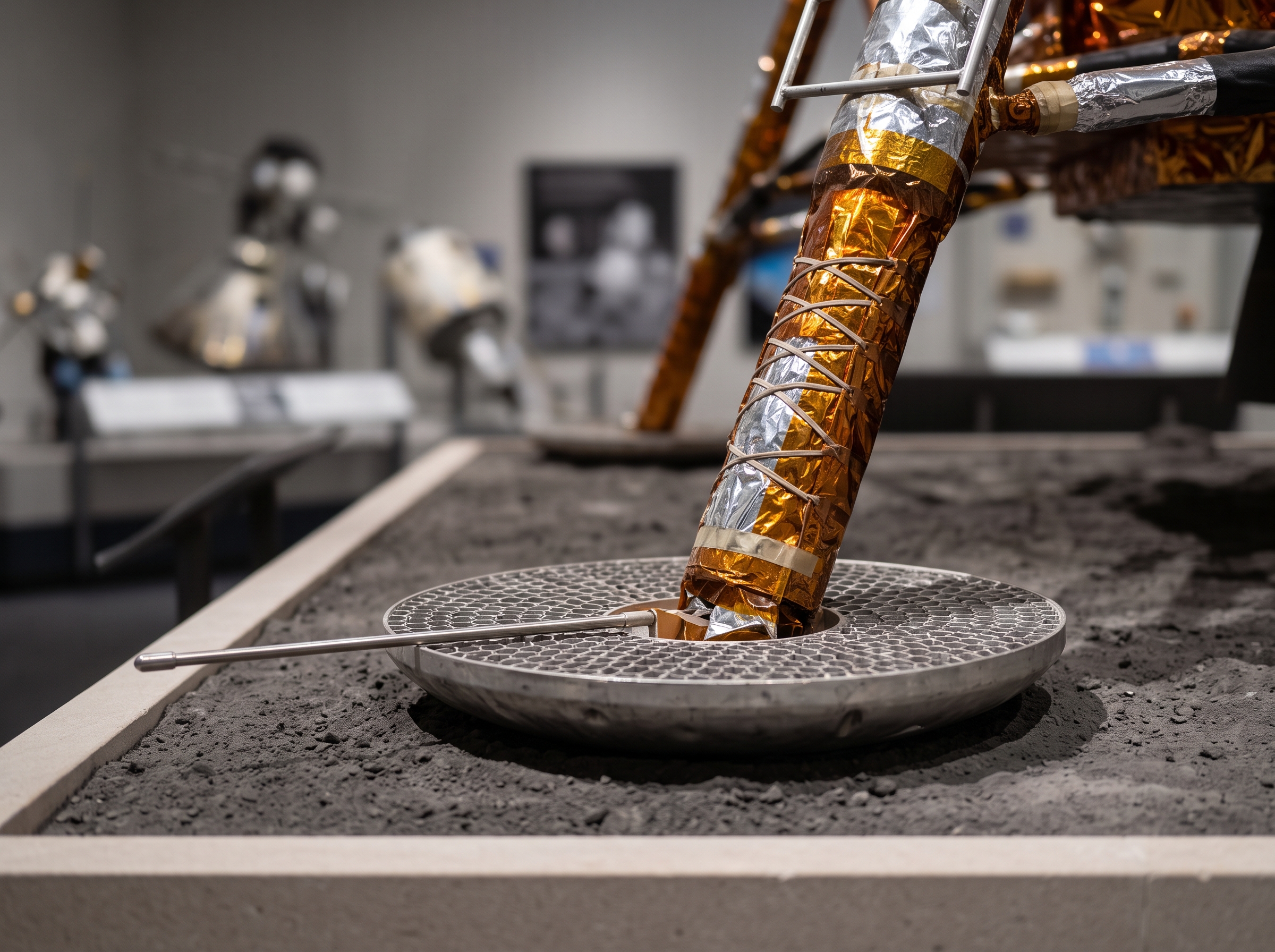
- The loose, unconsolidated layer of fine rock fragment, glass, and dust covering the bedrock of the Moon, violently blown by the Eagle's descent engine exhaust.