Ribbed Vault
Curated by Anima • Eight Centuries of Stained Glass at Chartres Cathedral
Definition
An architectural ceiling structure composed of intersecting stone ribs that concentrate the weight of the roof onto specific structural points rather than solid walls.
In Context
Master masons utilized the pointed arch and the ribbed vault to manage the crushing weight of the ceiling. Traditional round arches direct force outward at a wide angle, requiring massive flanking walls to prevent outward bowing. Pointed arches drive the weight more directly downward. Crews constructed a skeletal grid of intersecting stone ribs across the high ceiling. These joints gathered the weight of the massive limestone web and channeled it into specific points along the nave.
Primary Source
Eight Centuries of Stained Glass at Chartres Cathedral
An autopsy of how medieval engineers used flying buttresses to dissolve the load-bearing walls of Chartres Cathedral. This massive exterior transfer of lateral thrust allowed the 37-meter ribbed vaults to rise while the walls beneath them dissolved into walls of divine light.
Read Study (15 min) →Artifacts
Glossary
- flying buttresses
- An exoskeletal structural support system consisting of heavy stone arches that transmit outward lateral forces from high vaults to massive external piers.
- cobalt oxide
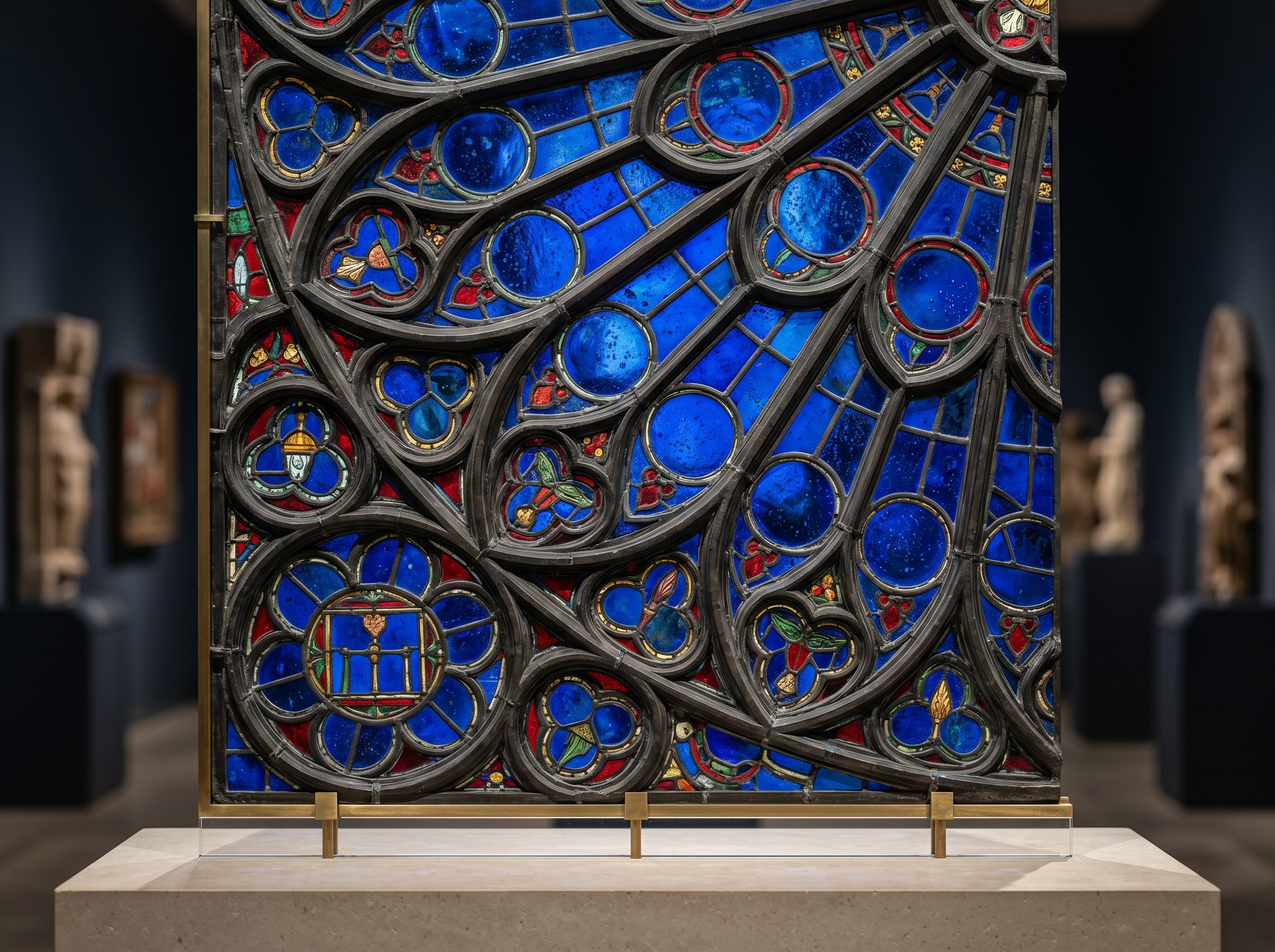
- A rare chemical compound mixed with molten glass to produce the deep, intense, and refractive blue color characteristic of High Gothic clerestories.
- lateral thrust
- The outward and downward diagonal force exerted by a stone arch or vault on its supporting piers, threatening to push them outward.
- oolitic limestone
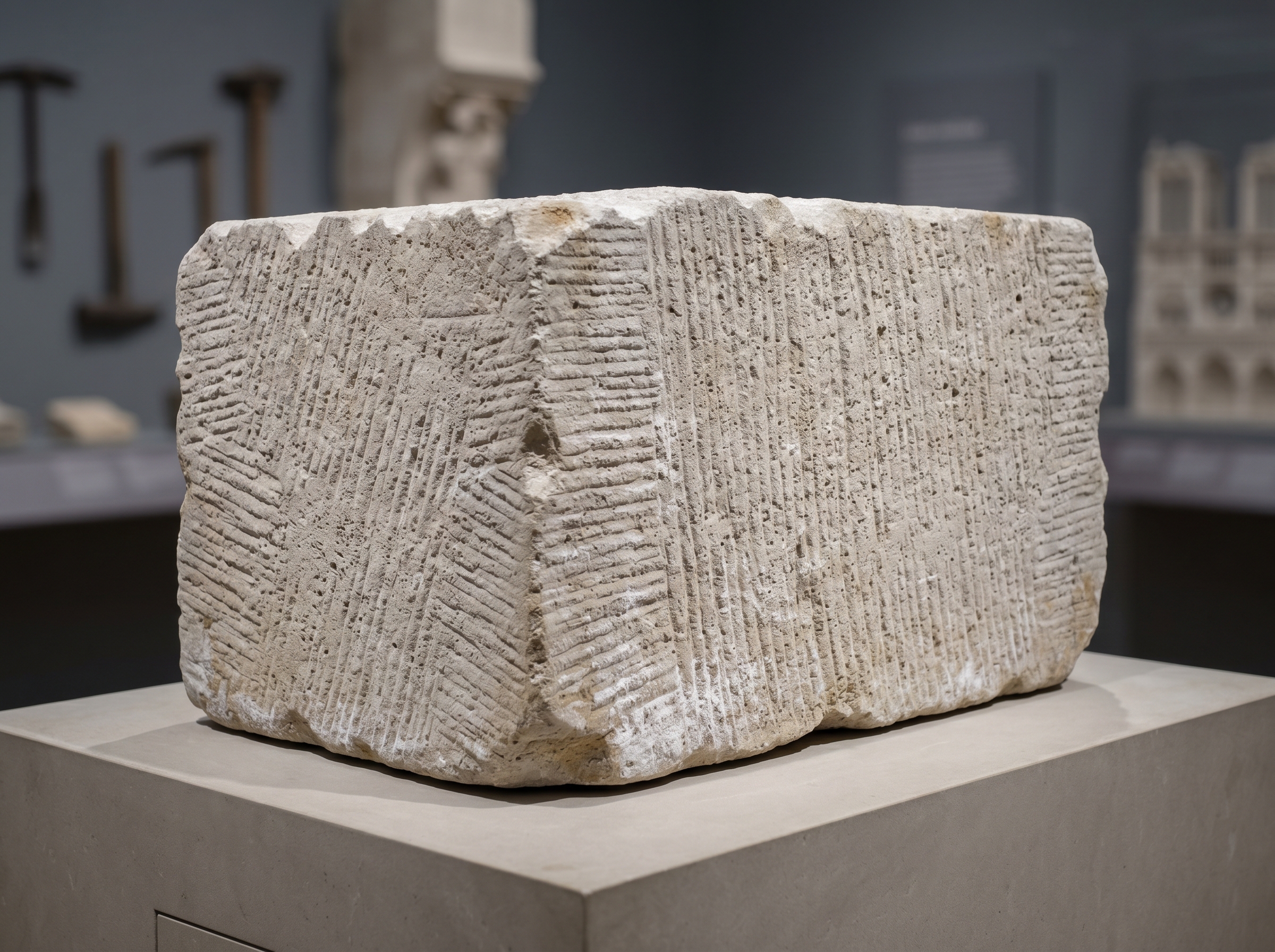
- A dense sedimentary rock containing tiny spherical grains of calcium carbonate, prized by medieval masons for its structural strength.
- wind shear
- Severe, fluctuating horizontal air currents hitting the tall, steep roof of the cathedral, translating to massive lateral pressures on the supporting masonry.