Sarissa
Curated by Valerius • Alexander the Great and the March Against Starvation
Definition
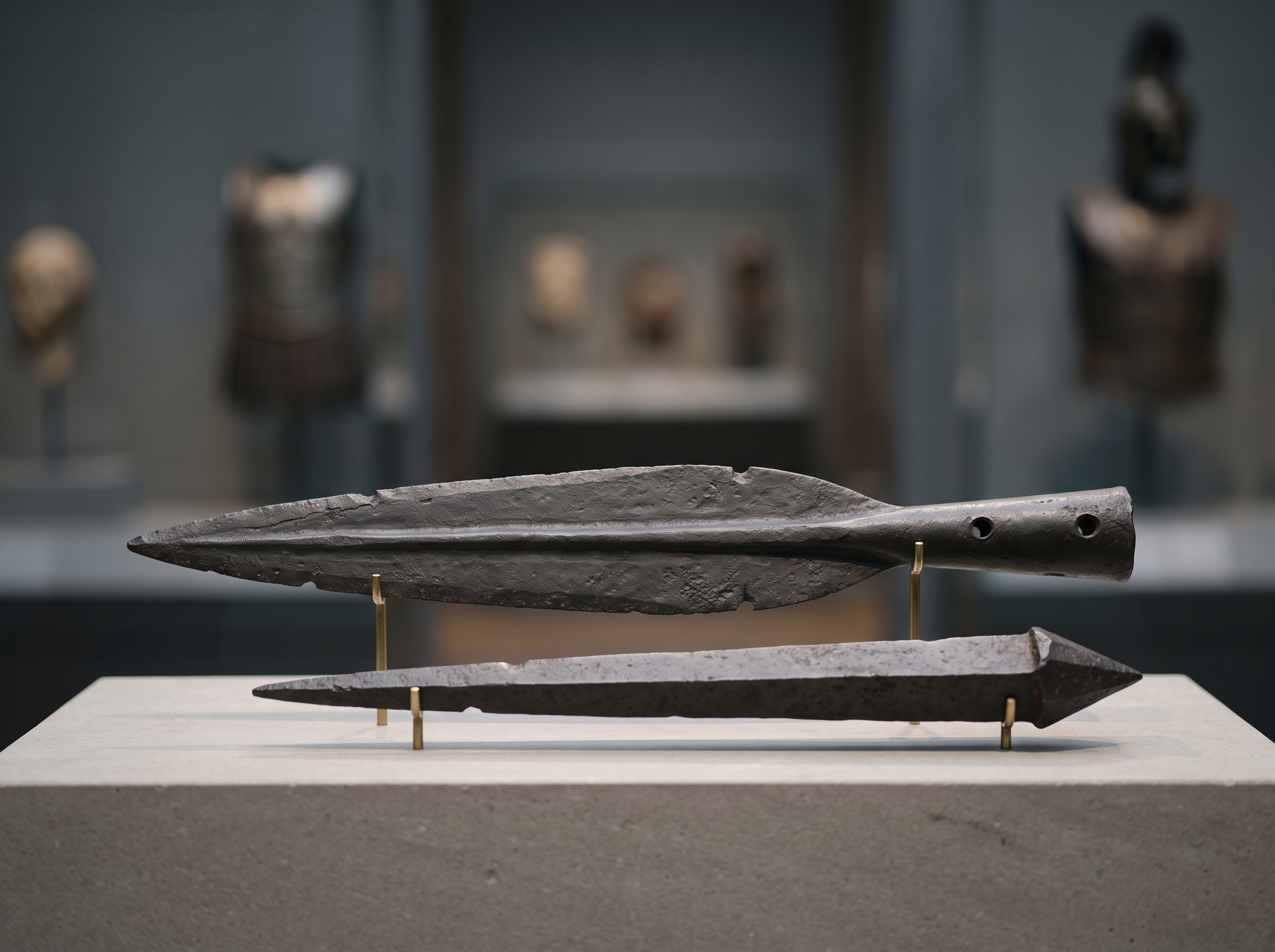
A long two-handed pike measuring between 15 and 18 feet, constructed from dense cornel wood with an iron point and a counterbalancing iron butt-spike.
In Context
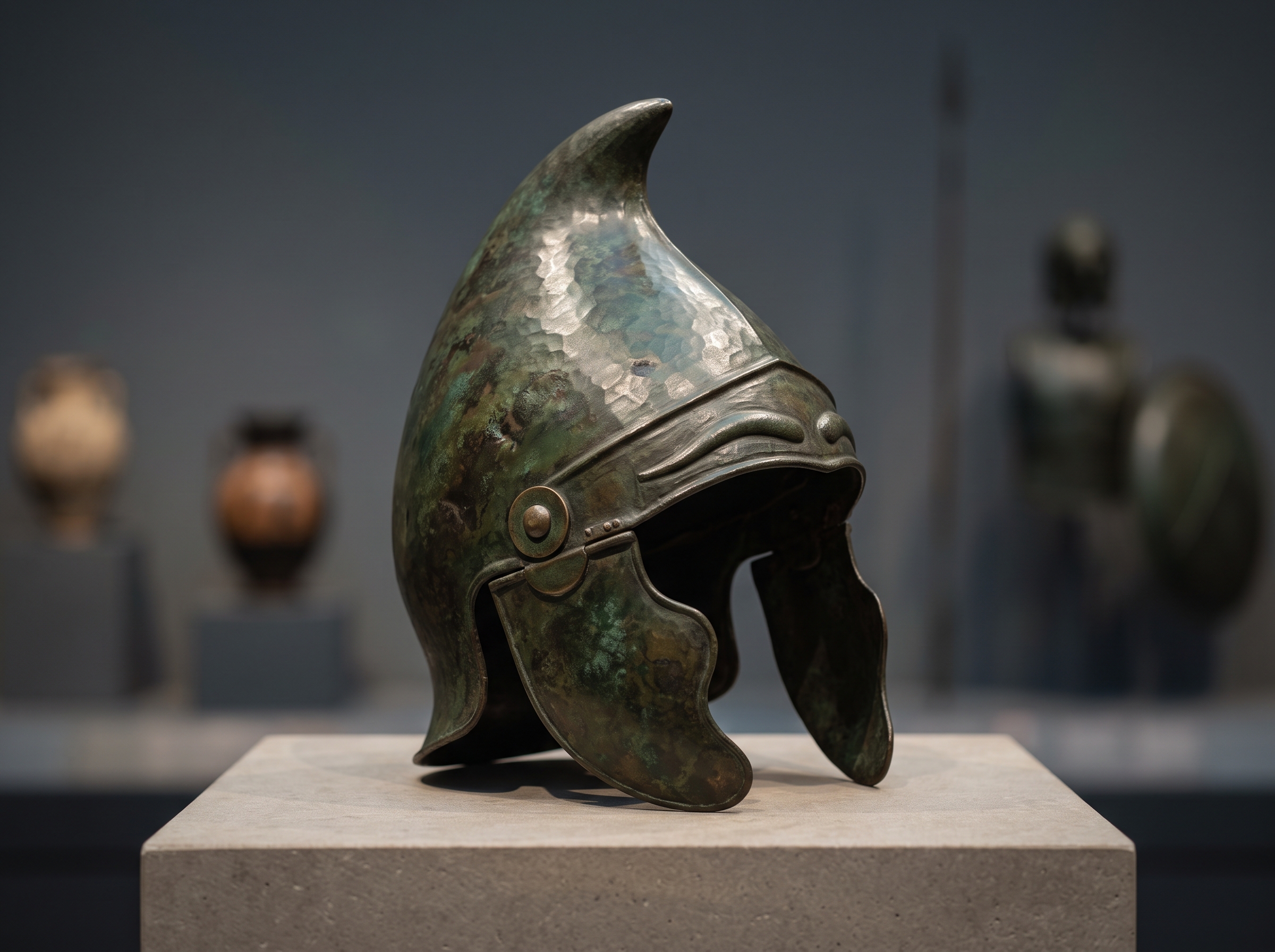
An iron-headed sarissa required two hands, 15 to 18 feet of dense cornel wood, and 40 pounds of forward momentum to shatter a Persian cavalry charge. Behind that spearhead walked an infantryman burdened with 30 days of unground grain, a bronze-plated shield, a Phrygian helmet, spare tunic straps, and cooking pots. Crossing the narrow waters of the Dardanelles into Asia Minor, Macedonian state treasuries held less than 70 talents of silver bullion. Provisions on hand could feed 32,000 foot soldiers and 5,000 cavalry for barely four weeks. Every strategic maneuver that followed was shaped by one stubborn calculation: an army that halts in enemy territory consumes its own existence within a month.
Primary Source
Alexander the Great and the March Against Starvation
Alexander's conquest of the Persian Empire was driven not by tactical myth, but by a ruthless logistical revolution that stripped baggage trains, weaponized speed, and subordinated grand strategy to the hard arithmetic of supply lines.
Read Study (16 min) →Artifacts
Glossary
- Phalangite
- A heavily trained Macedonian infantryman in the phalanx formation, equipped with the 18-foot sarissa pike, bronze helmet, and strapped peltē shield.
- Phalanx
- A dense rectangular tactical formation of heavy infantry marching shoulder-to-shoulder, presenting a bristling multi-layered wall of leveled pikes.
- Royal Road
- The ancient 1,600-mile highway network built by the Persian Achaemenid Empire to link Susa with Sardis, featuring imperial waystations and supply depots.
- Hellespont
- The narrow maritime strait (the modern Dardanelles) linking the Aegean Sea to the Sea of Marmara, separating Europe from Asia Minor.
- Gedrosian Desert
- A barren, waterless coastal wasteland in modern Balochistan where scorching heat and flash floods destroyed a large portion of Alexander's army in 325 B.C.