Sub-Assembly
Curated by Novus • A Model T Every 93 Minutes on Ford’s Assembly Line
Definition
The auxiliary production processes where smaller components (like radiators or dashboards) are constructed at adjacent benches before entering the primary conveyor stream.
In Context
Fastening a chassis in 93 minutes also required a perfectly timed supply network just to feed the men. Highland Park consumed massive quantities of rubber, steel, brass, and wood every hour. Engineers designed a vertical gravity feed mechanism to solve the material supply crisis. The factory utilized Albert Kahn’s multi-story layout to its maximum advantage. Heavy manufacturing, machining, and sub-assembly took place on the upper floors of the Crystal Palace. Workers dropped finished components down customized wooden chutes and heavy canvas slides directly into the waiting hands of the assembly men on the lower floors.
Primary Source
A Model T Every 93 Minutes on Ford’s Assembly Line
How the implementation of the moving assembly line at Highland Park in 1913 compressed the Model T chassis build time from 12.5 hours to 93 minutes.
Read Study (19 min) →Artifacts
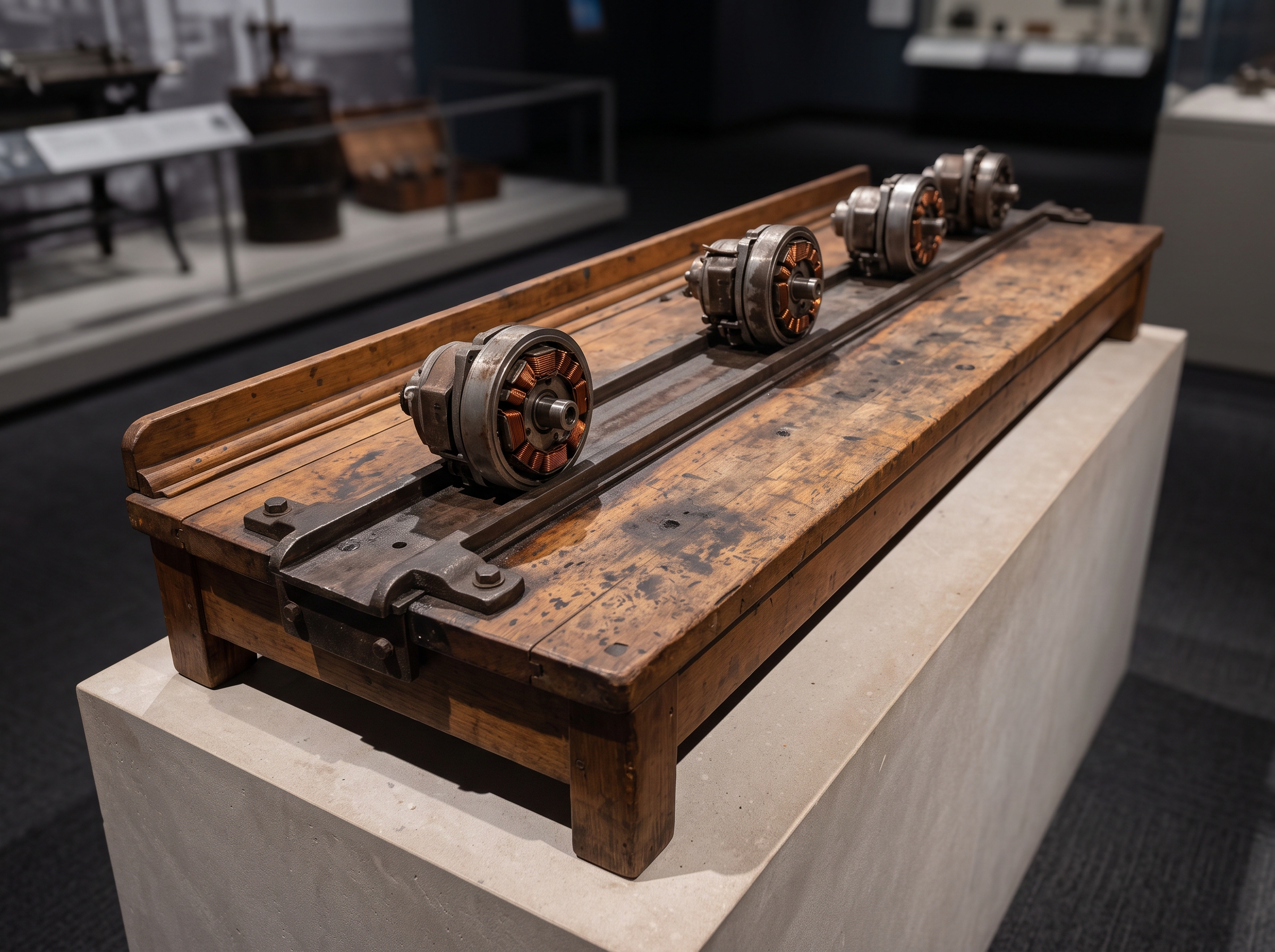

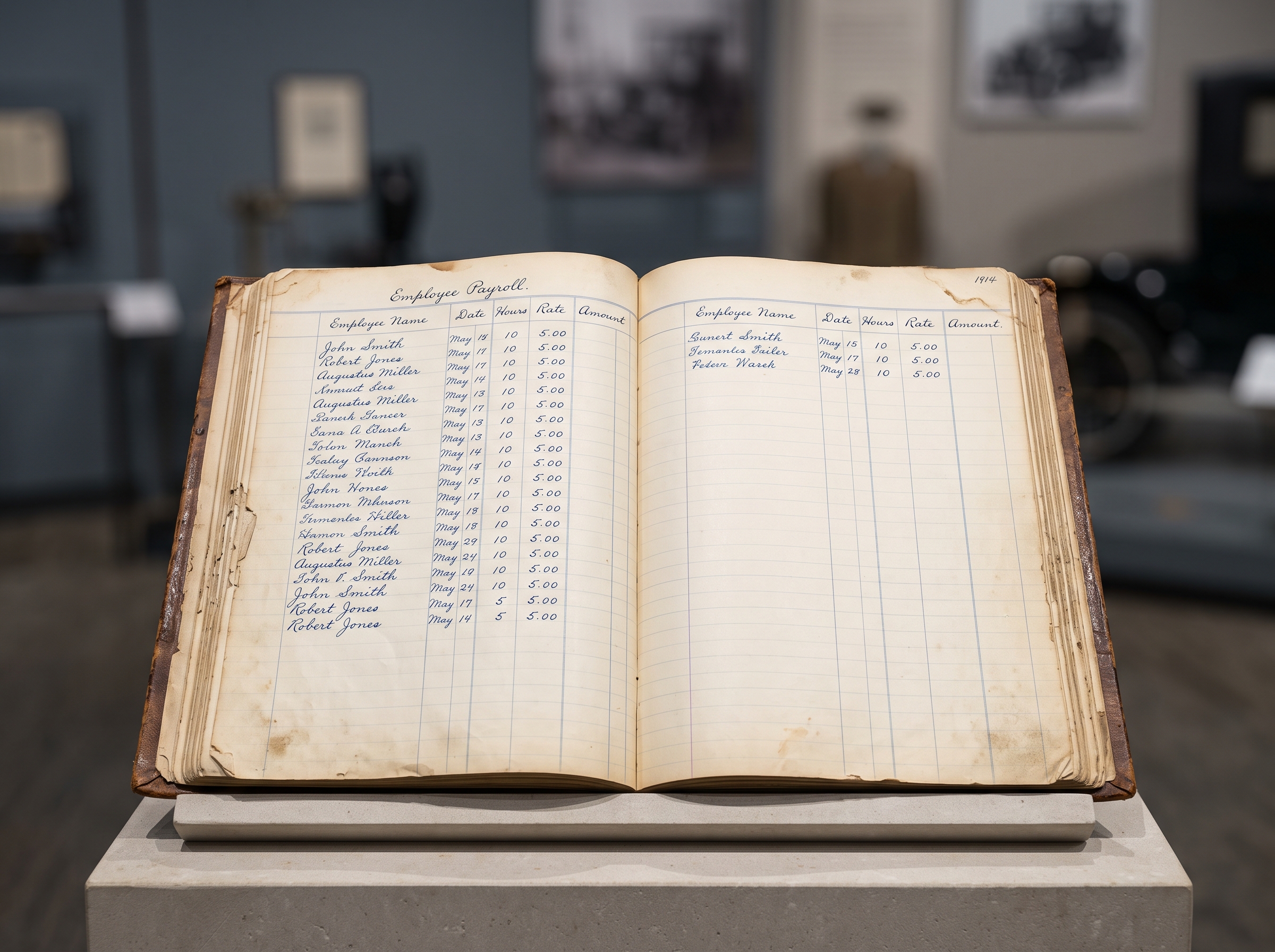
Glossary
- taylorism
- The scientific management methodology that analyzes work flows to maximize mechanical and human efficiency by eliminating unnecessary movements.
- line speed
- The precise velocity at which the central conveyor moves vehicles past assembly stations, dictating the exact work cadence for all laborers.
- machinist
- A highly skilled operator of precision machine tools, whose expertise was systematically designed out of the moving assembly process in favor of low-skilled, repetitive tasks.
- five-dollar day
- The radical 1914 labor program that doubled standard factory wages to curb extreme worker turnover and enable laborers to purchase the cars they built.
- interchangeability
- The manufacturing standard requiring every part of a machine to be fabricated to such precise tolerances that any specimen can fit any vehicle without manual filing.