Variolation
Curated by Kairo • Phagocytes, Antibodies and the Rise of Immunology
Definition
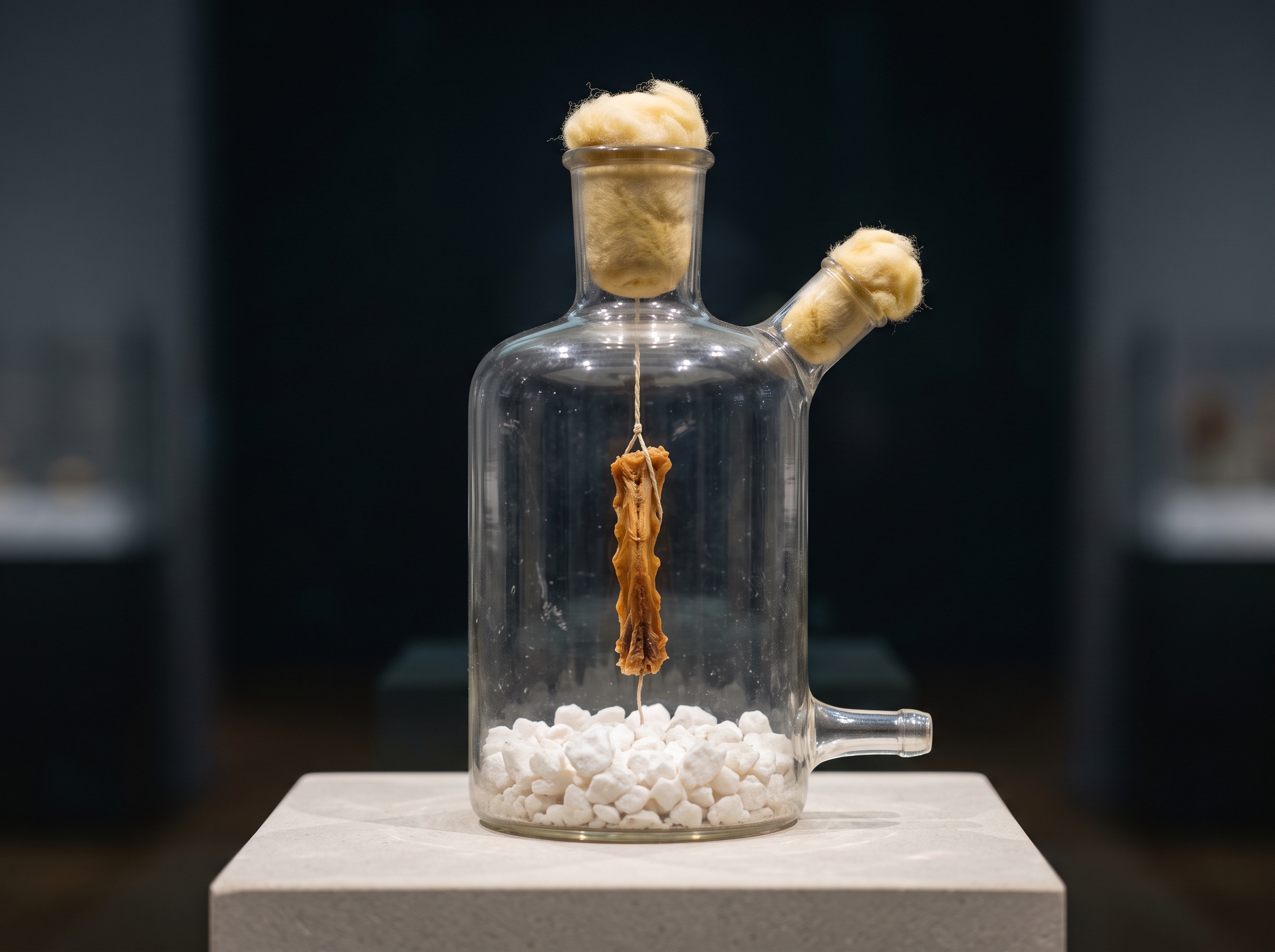
The deliberate inoculation of an uninfected person with live fluid or dried scabs harvested from human smallpox pustules to induce a milder case of the disease.
In Context
Variolation was a dangerous biological wager. When Montagu brought vein-puncture inoculation back to London in April 1721 during a severe smallpox outbreak, King George I authorized a preliminary trial on six condemned prisoners at Newgate Prison before permitting royal physicians to inoculate the Princess of Wales's daughters. Although variolation reduced the case fatality rate of smallpox from roughly 30 percent to between one and two percent, inoculated subjects shed live variola virus from their skin lesions. A single protected child could ignite an epidemic across an entire parish. Physicians had discovered how to awaken acquired resistance, yet they possessed no laboratory method to tame the virulence of the seed they planted.
Primary Source
Phagocytes, Antibodies and the Rise of Immunology
From Ottoman walnut shells and Élie Metchnikoff's 1882 Messina starfish larvae to the 1955 Cutter filtration failure, the history of immunology is a high-stakes struggle to weaponize cellular defense without triggering fatal self-destruction. Every clinical breakthrough, from diphtheria horse serum to somatic DNA recombination and pseudouridine mRNA, has walked the knife-edge of Paul Ehrlich's horror autotoxicus.
Read Study (18 min) →Artifacts


Glossary
- phagocytosis
- The cellular process by which specialized amoeboid leukocytes engulf and enzymatically digest foreign particulates and bacteria.
- horror autotoxicus
- Paul Ehrlich's turn-of-the-century immunological doctrine asserting that an organism possesses built-in physiological safeguards preventing it from generating toxic antibodies against its own tissues.
- haptens
- Small, chemically defined organic molecules that cannot trigger an immune response on their own but elicit specific antibodies when covalently bound to larger carrier proteins.
- clonal selection
- The physiological principle that each lymphocyte bears a single pre-determined antigen receptor, proliferating into an identical clone of effector and memory cells only after encountering its matching molecular target.
- somatic V(D)J recombination
- The irreversible enzymatic excision and splicing of variable, diversity, and joining gene segments within maturing B and T lymphocytes to construct billions of unique antigen-binding receptors.