Fossilized Wolf Dung
Curated by Dorian • The Great Wall of China Defends the Ming Frontier
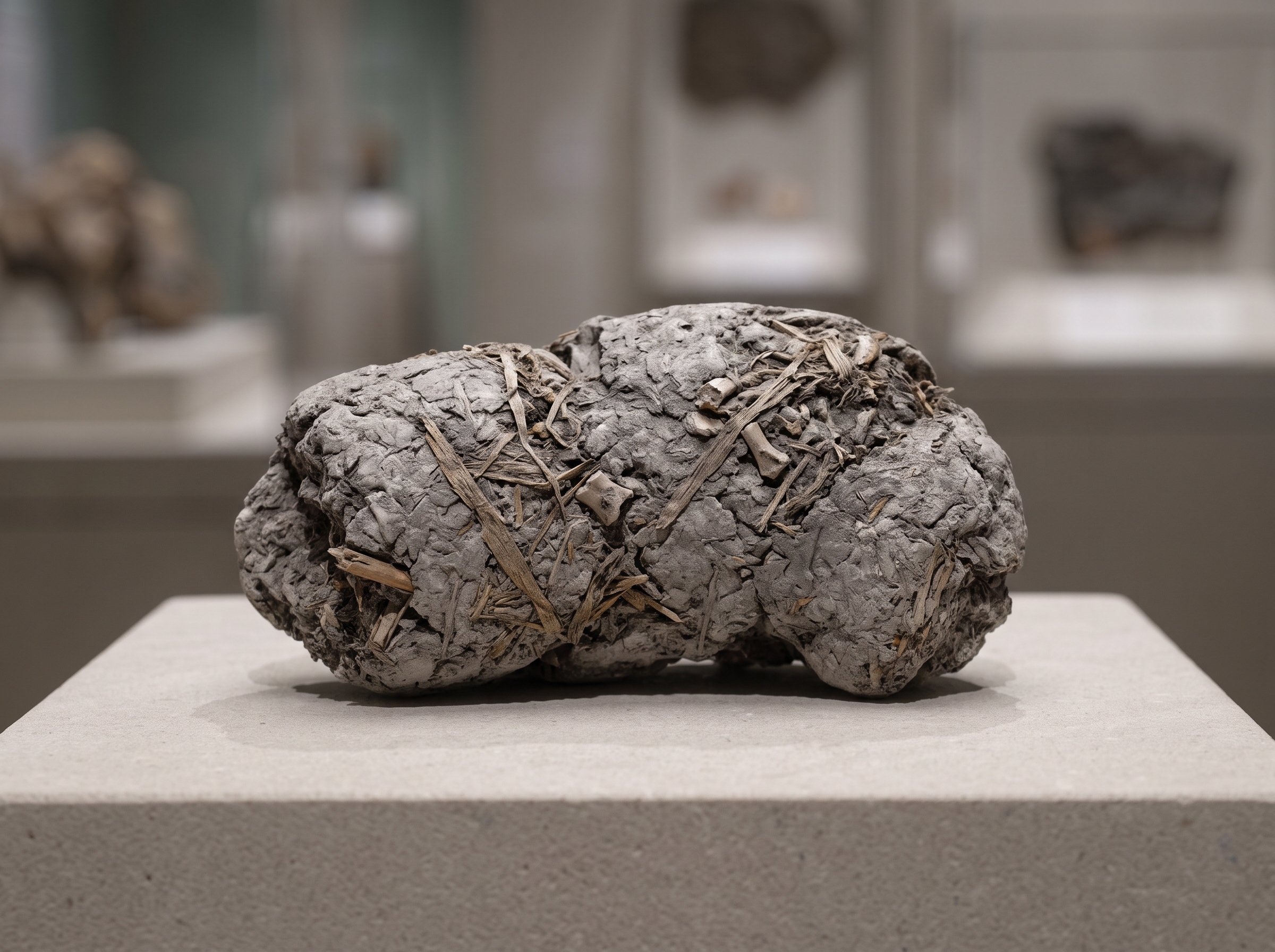
Artifact Details
A dense, desiccated coprolite. The exterior is ashen gray with dried fibrous plant matter and bone fragments embedded within the compressed shape.
Primary Source
The Great Wall of China Defends the Ming Frontier
Wind scours the Yan Mountains at 40 below zero. A conscripted farmer, hundreds of miles from his village, stirs a boiling vat of sticky rice soup and slaked lime. This mixture forms the chemical binder necessary to fuse quarried stone blocks to the ridgeline. The Great Wall of China operated as a weapon of economic starvation. By forcing nomadic cavalry to dismount and siege fixed positions, the Ming dynasty turned open plains into brutal supply traps. Maintaining the masonry demanded a relentless sacrifice of human calories. The true limit of the 21,196-kilometer fortification was the flesh required to hold it.
Read Study (18 min) →Artifacts
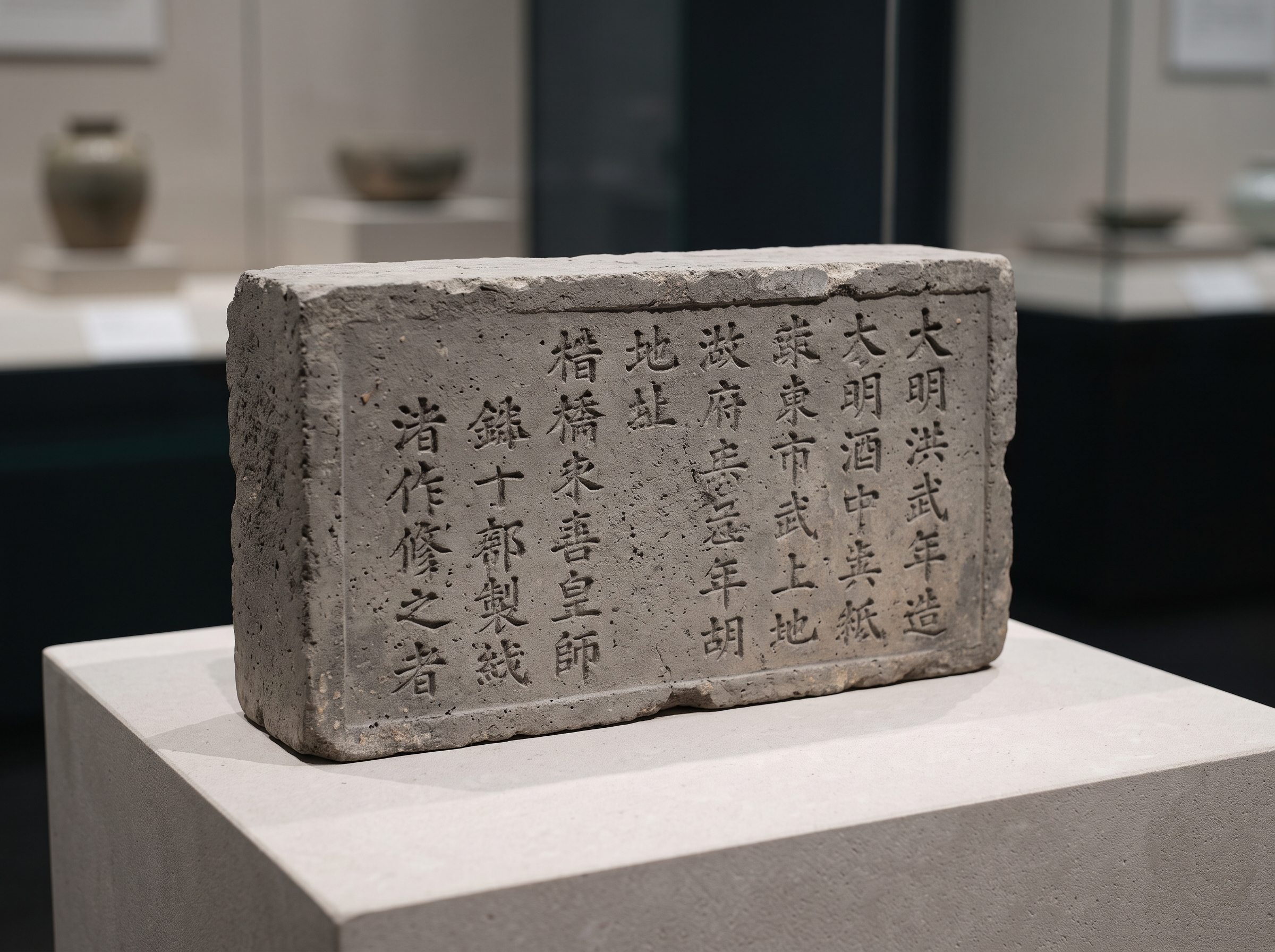
Inscribed Ming Brick
A fired clay brick stamped with the kiln's location and maker's name, used to trace accountability for structural failure.
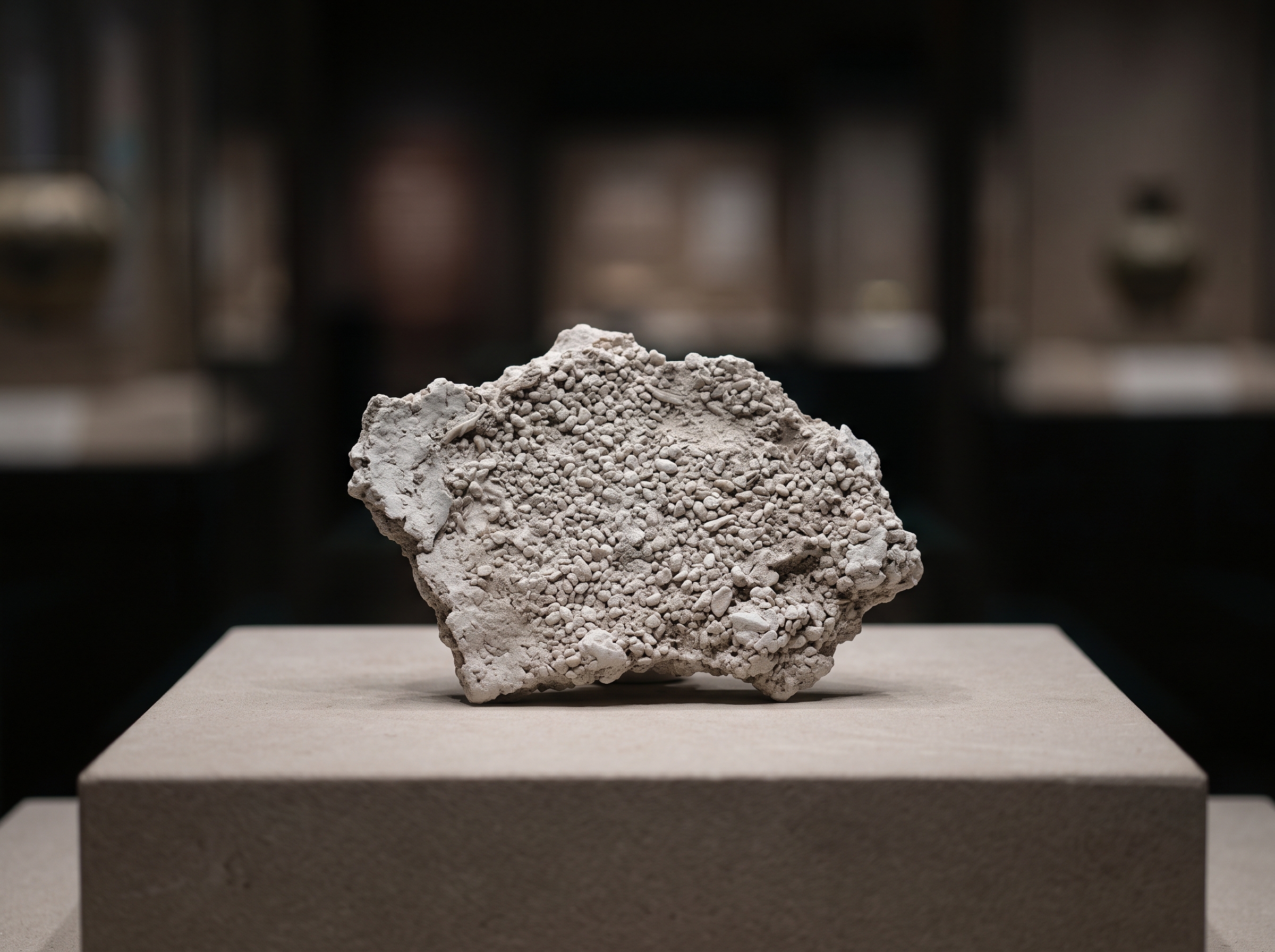
Sticky Rice Mortar
A hardened fragment of amylopectin-infused lime mortar, the chemical innovation that allowed the Ming sections to withstand earthquakes.
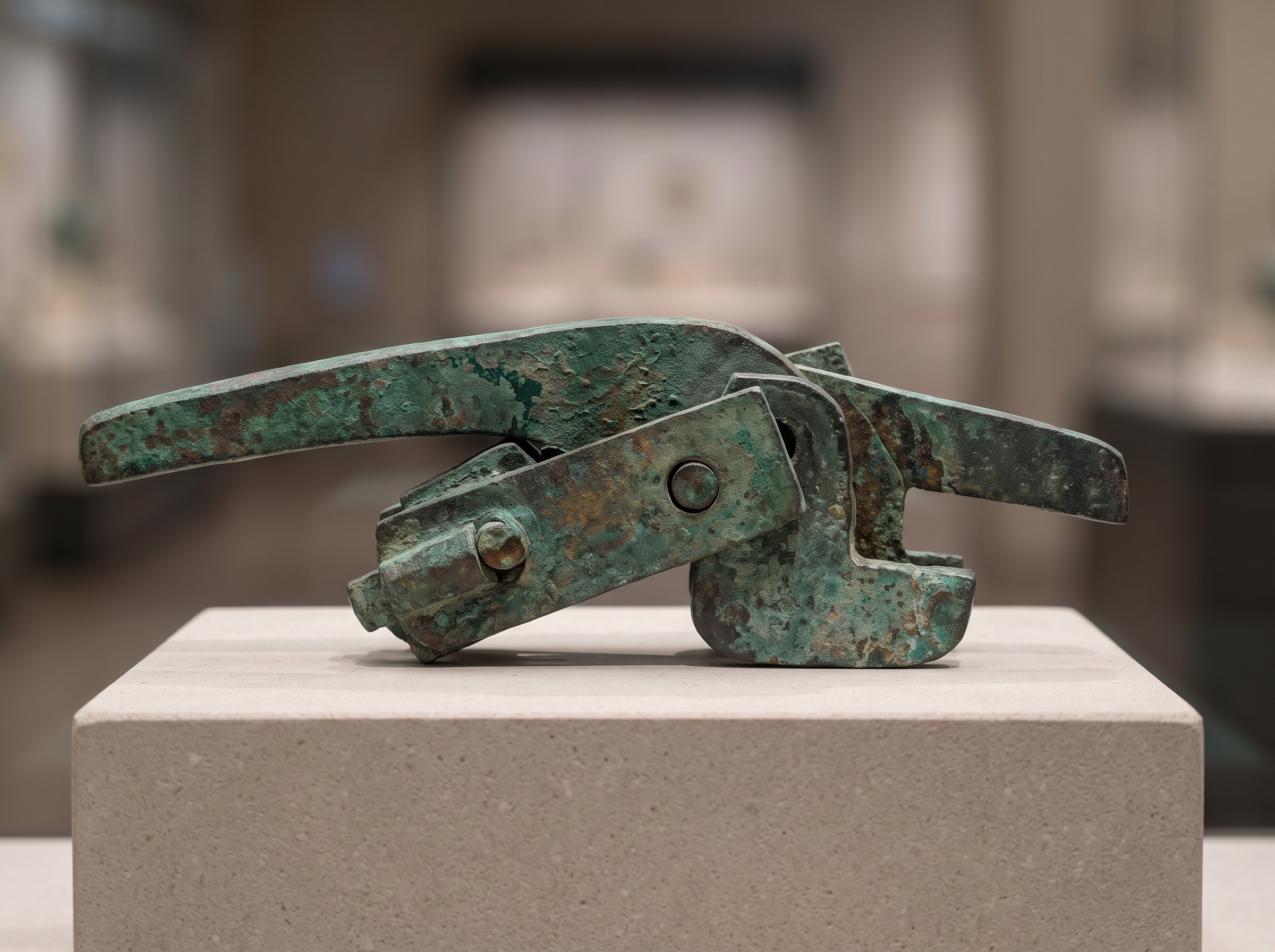
Bronze Crossbow Trigger
A mass-produced trigger mechanism that allowed conscripted farmers to defend the wall with lethal precision without years of archery training.
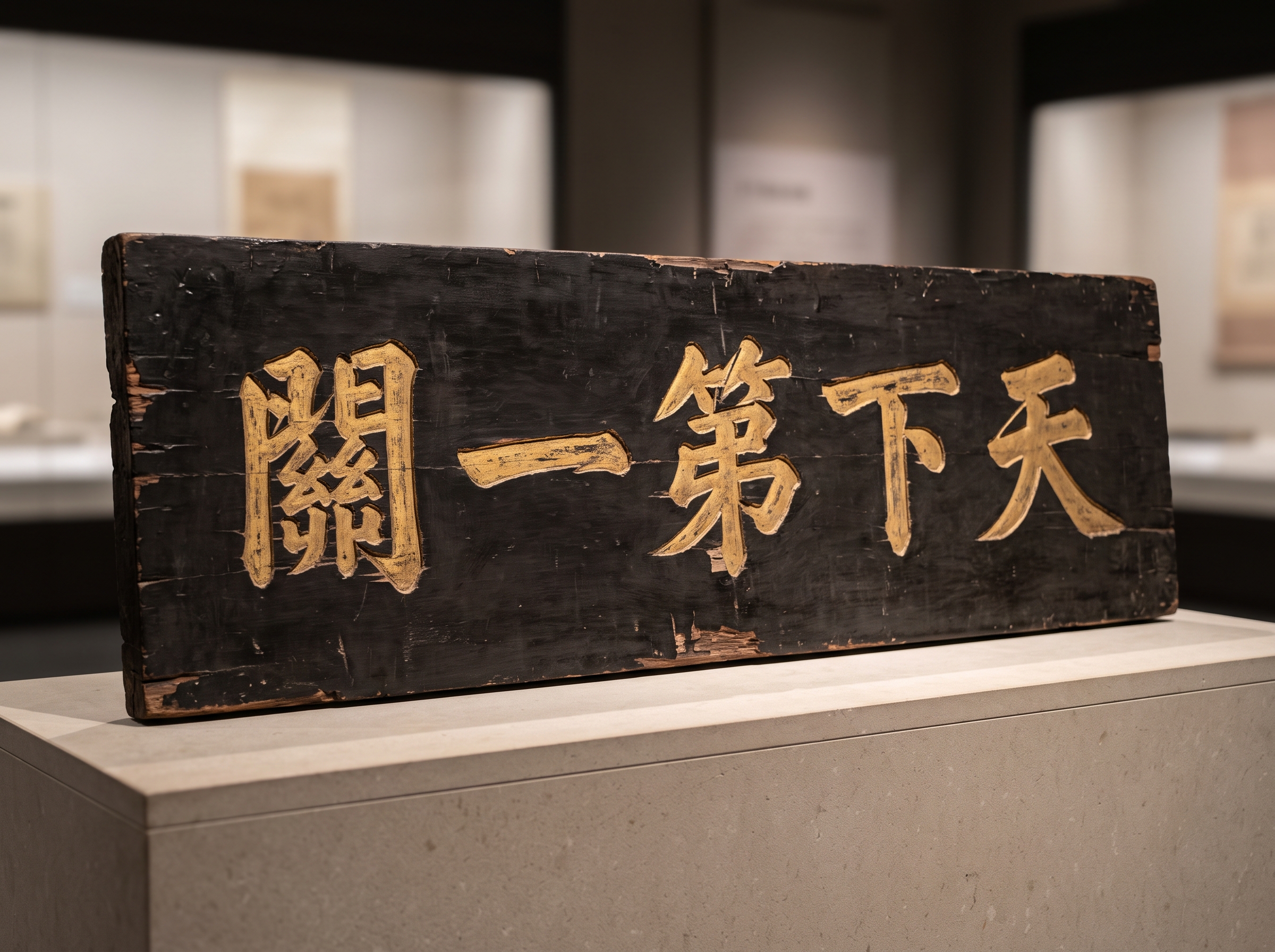
First Pass Plaque
A wooden placard hanging at Shanhaiguan, the eastern terminus where the wall meets the Bohai Sea.
Glossary
- rammed earth: An ancient construction technique of compressing damp soil, gravel, and binders inside wooden shuttering frames using heavy wooden tampers.
- amylopectin: The water-insoluble, highly branched polysaccharide component of starch found in sticky rice, which bonds with calcium minerals to create resilient mortar.
- crenellations: The alternating solid parapets and open notches at the top of defensive walls, permitting defenders to deploy projectiles safely.
- signal towers: High-altitude brick and stone structures spaced at visual intervals along the wall, used to transmit tactical warnings via smoke and fire.