Forged Iron Tie Rod
Curated by Anima • Eight Centuries of Stained Glass at Chartres Cathedral
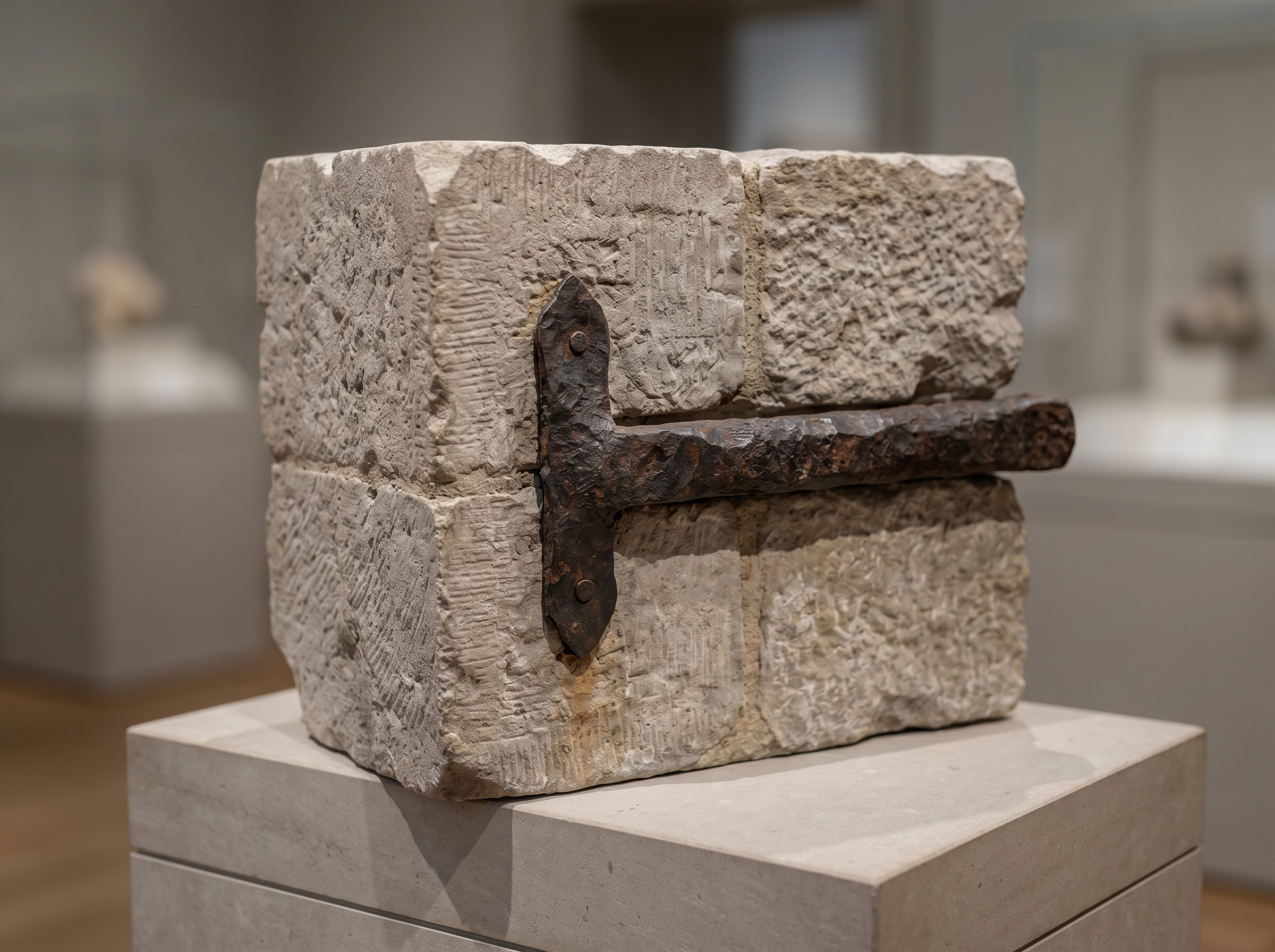
Artifact Details
A heavy, hand-forged iron rod with a rough, pitted surface, displaying dark rust and hammer marks. The metal is thick and crude, ending in a flattened anchor plate.
Primary Source
Eight Centuries of Stained Glass at Chartres Cathedral
Dense oolitic limestone hauled from the Berchères quarry was meant to sit firmly on the earth. At 160 pounds per cubic foot, the massive rock demanded thick, uninterrupted walls to carry its crushing vertical load downward into the bedrock. Master builders at Chartres Cathedral faced a contradictory theological mandate. Clerics demanded an interior flooded with divine light. Masons answered this demand by building an exterior stone framework of massive flying buttresses. This transfer of lateral thrust allowed the 37-meter ribbed vaults to rise, leaving the walls beneath them to dissolve into thin air.
Read Study (15 min) →Artifacts
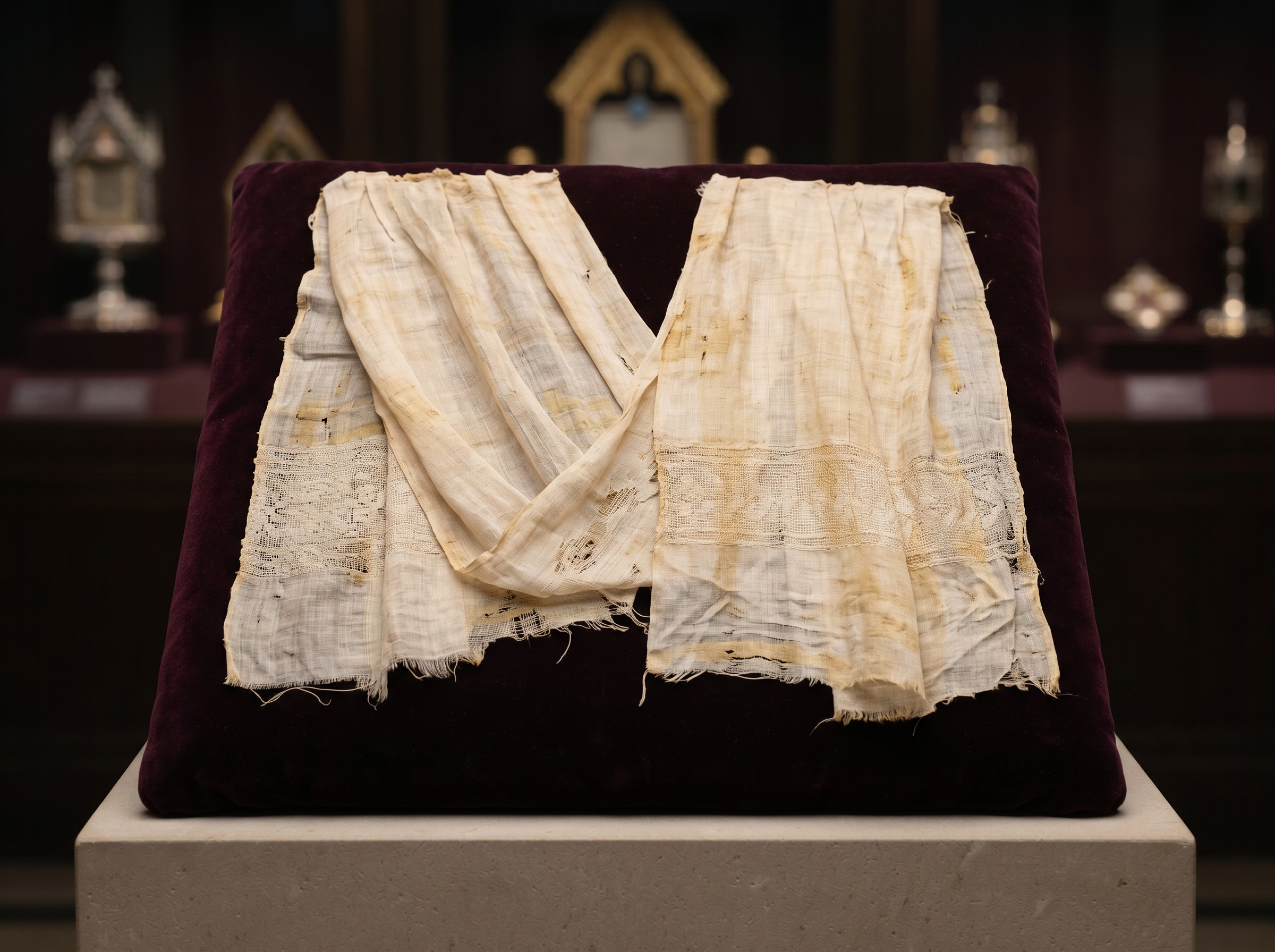
Sancta Camisa Relic
The silk tunic reportedly worn by the Virgin Mary at the birth of Christ, preserved in the cathedral treasury.
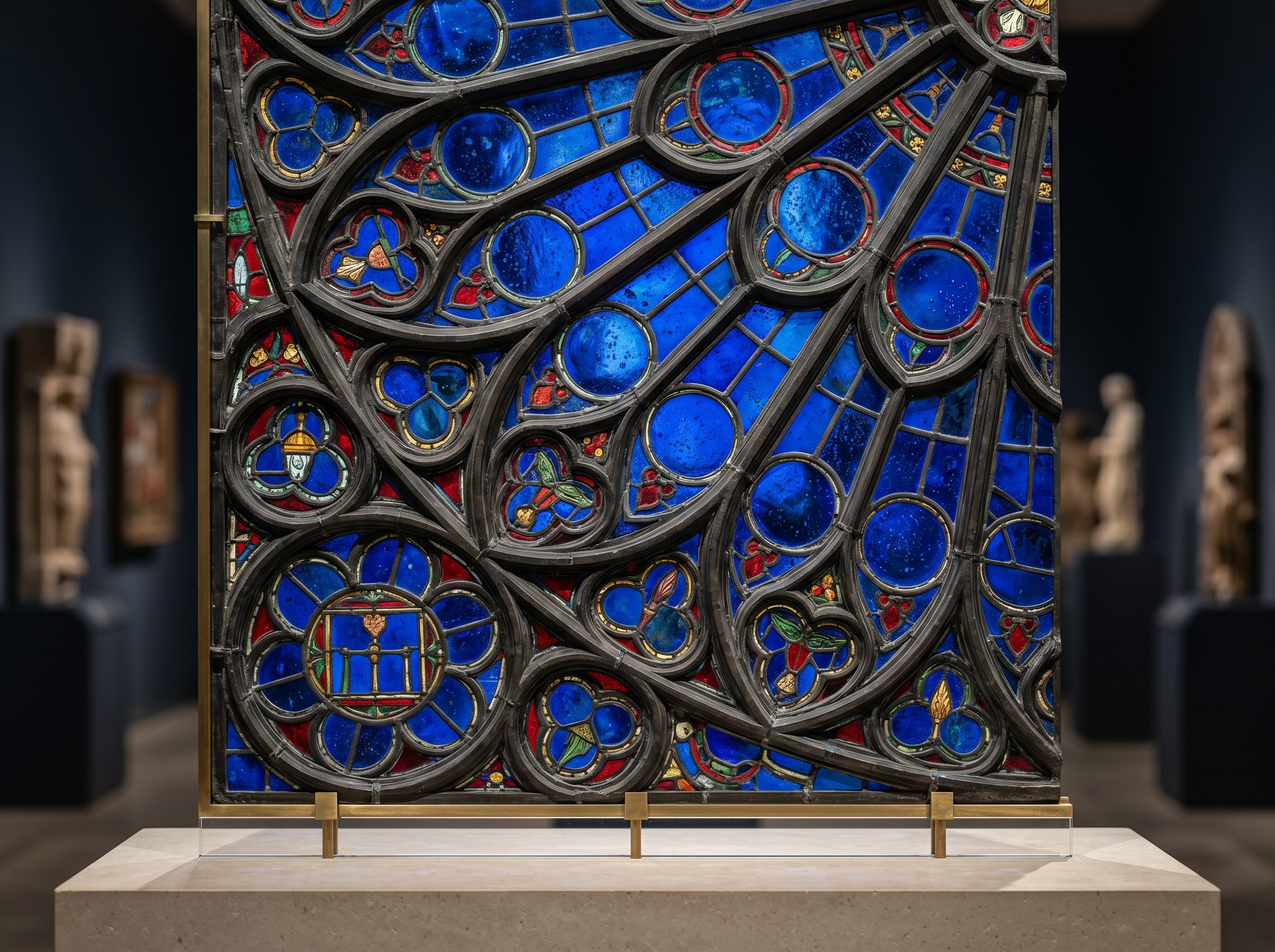
North Rose Window
A 12.2-meter stained glass rose window funded by Blanche of Castile, featuring deep cobalt blue glass.
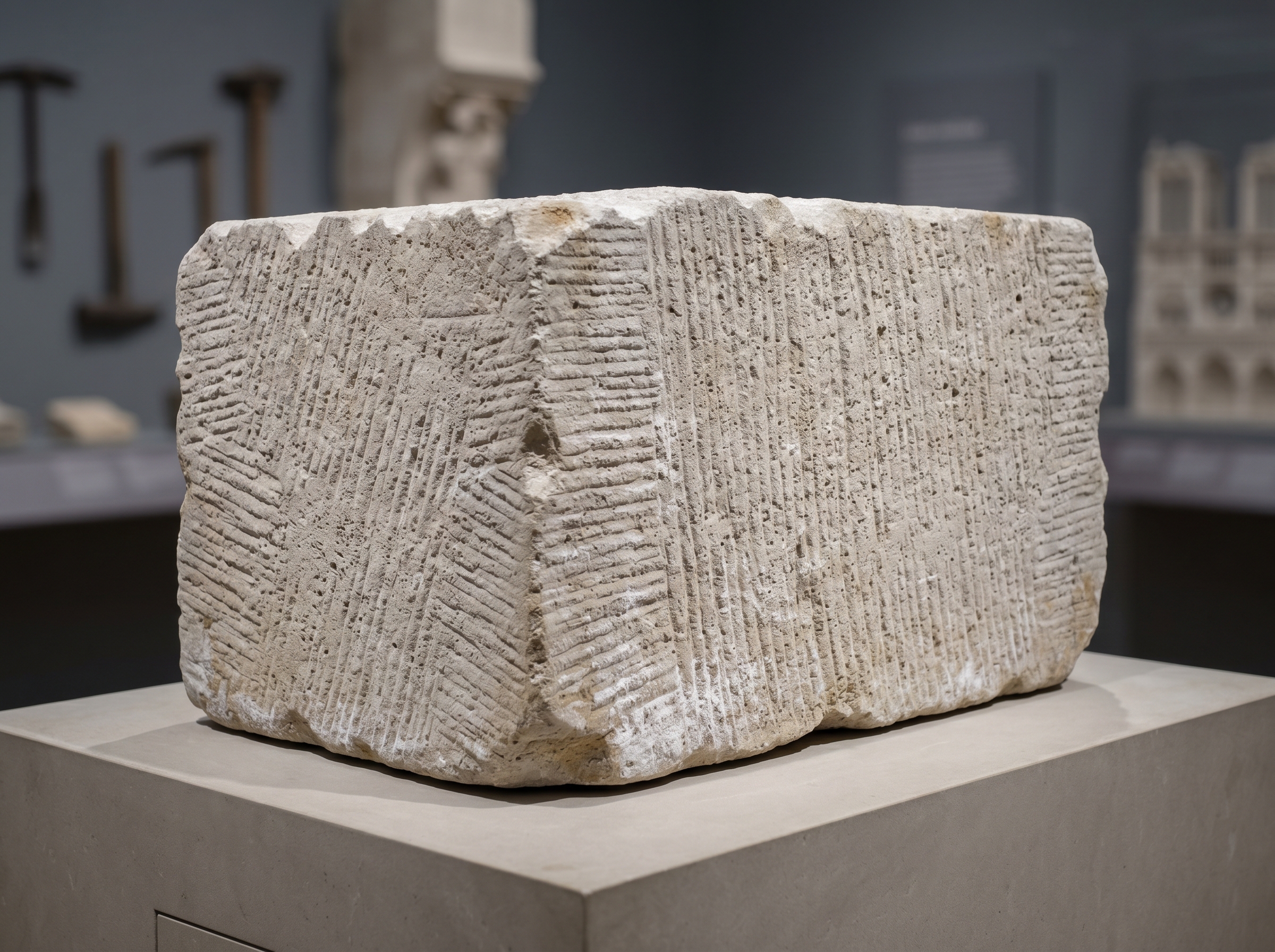
Oolitic Limestone Block
A massive, rough-hewn block of Berchères limestone used in the external flying buttresses.
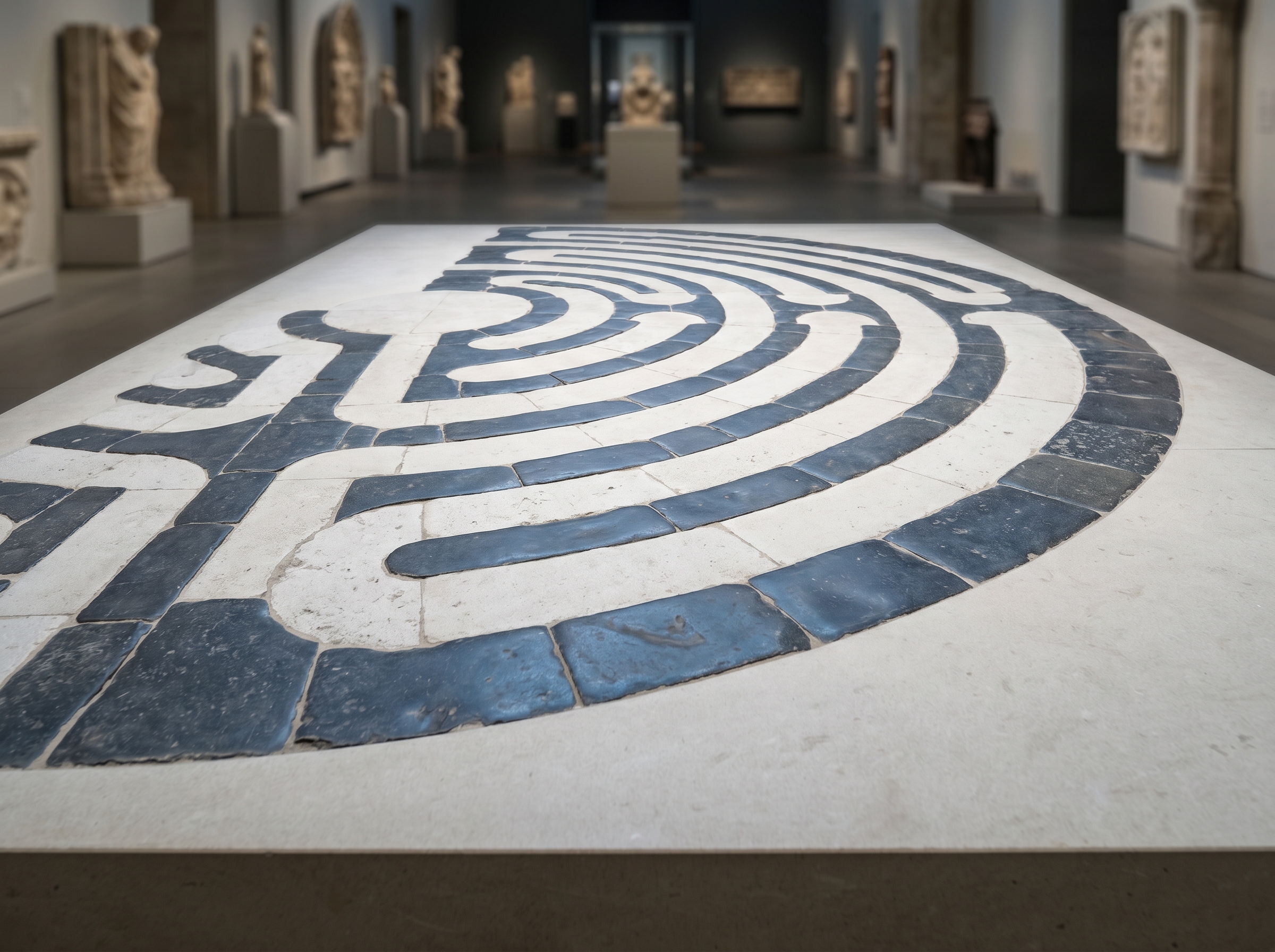
Nave Labyrinth Stone
A section of the 289-meter continuous labyrinth path embedded in the nave floor, used for walking contemplation.
Glossary
- flying buttresses: An exoskeletal structural support system consisting of heavy stone arches that transmit outward lateral forces from high vaults to massive external piers.
- ribbed vault: An architectural ceiling structure composed of intersecting stone ribs that concentrate the weight of the roof onto specific structural points rather than solid walls.
- cobalt oxide: A rare chemical compound mixed with molten glass to produce the deep, intense, and refractive blue color characteristic of High Gothic clerestories.
- lateral thrust: The outward and downward diagonal force exerted by a stone arch or vault on its supporting piers, threatening to push them outward.