Mulberry Bark Paper
Curated by Cassian • Jiaozi and 11th-Century Paper Money in Song China
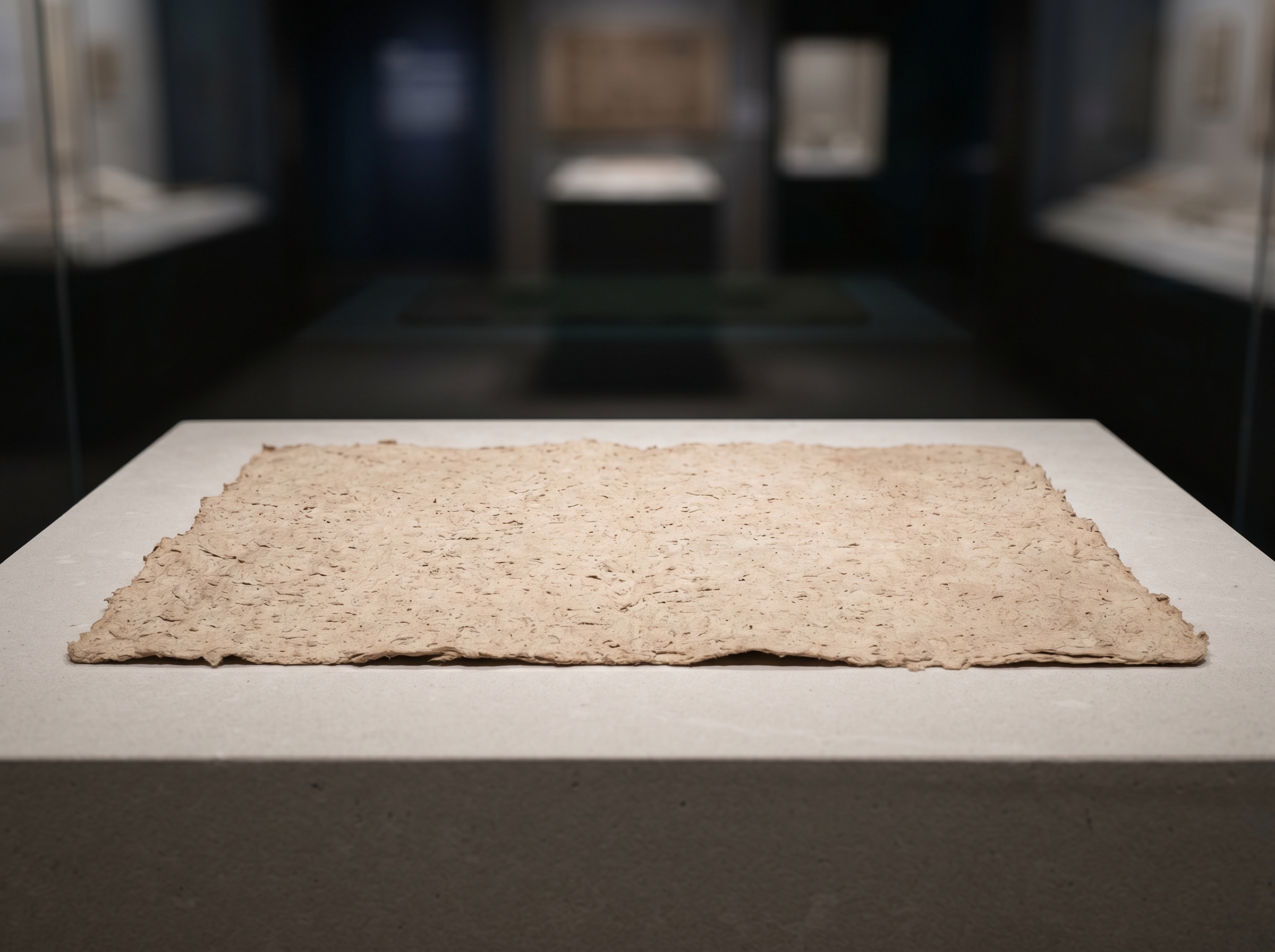
Artifact Details
A coarse, fibrous sheet of unbleached mulberry bark paper with visible pulp texture and uneven edges.
Primary Source
Jiaozi and 11th-Century Paper Money in Song China
To purchase a single bolt of silk in 11th-century Chengdu, a merchant had to transport roughly 130 pounds of brittle iron coins. Metallic weight paralyzed trade in Sichuan. Bypassing the mass of this base metal, 16 merchant syndicates began issuing mulberry-paper deposit receipts known as jiaozi. This pragmatic workaround solved a material bottleneck. Recognizing the power of weightless currency in 1023, the Song Dynasty seized the private shops and established a strict monopoly over the paper notes. Imperial officials turned a localized merchant tool into a vehicle for invisible taxation to fund a border war.
Read Study (16 min) →Artifacts
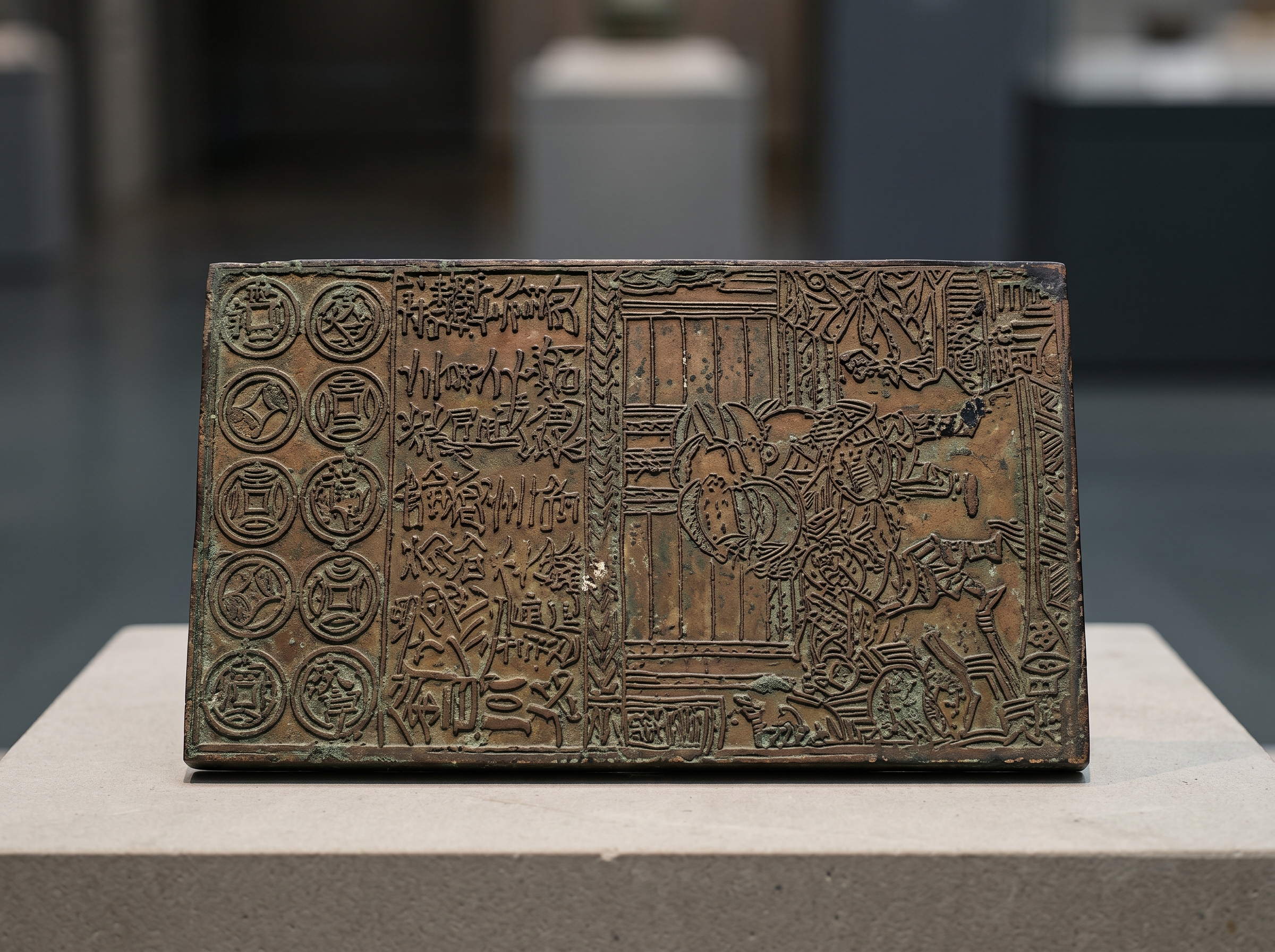
Bronze Printing Plate
A bronze plate used to print jiaozi notes, featuring intricate motifs to deter forgery.
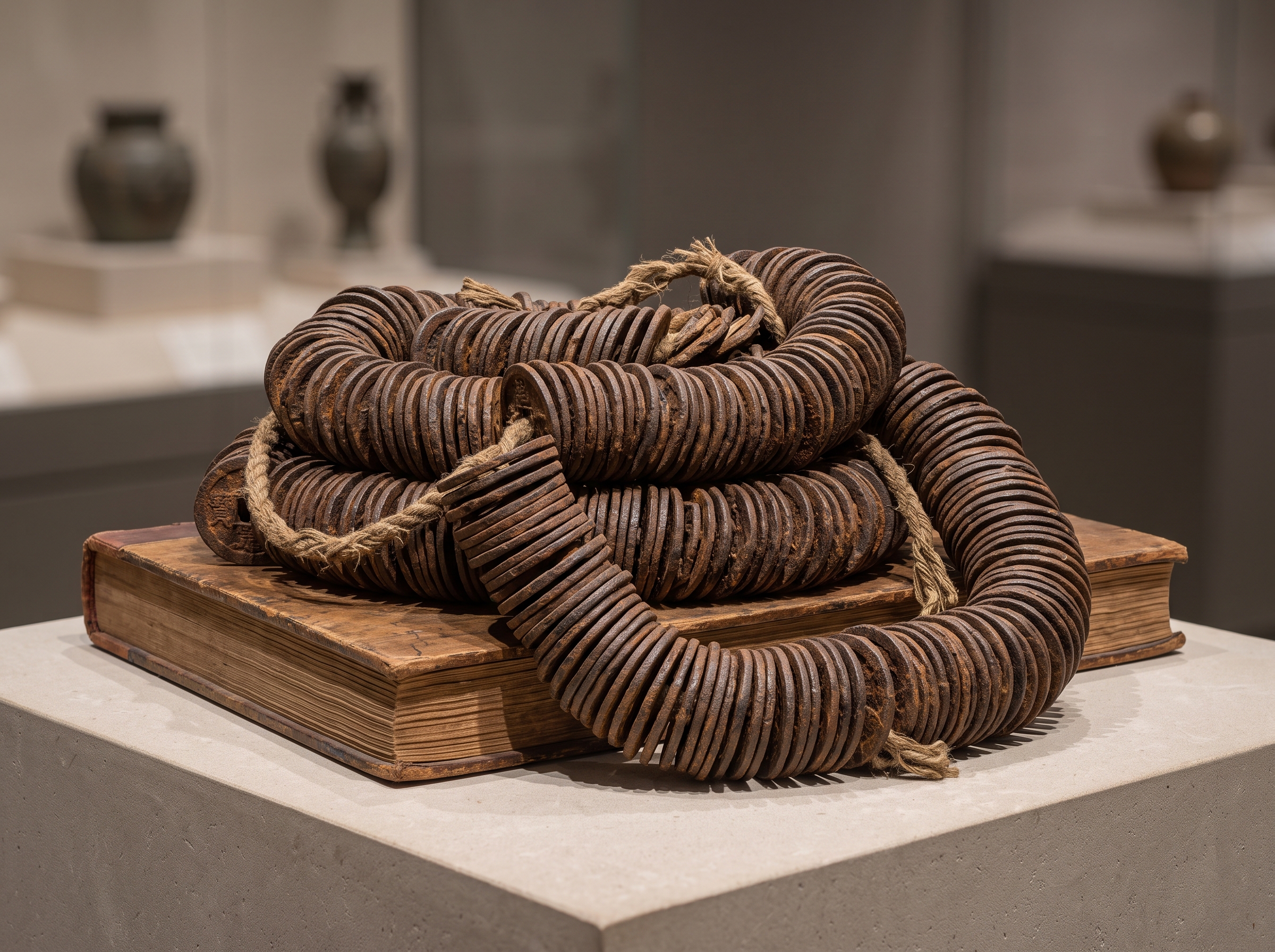
String of Iron Cash
A heavy string of low-value iron coins, highlighting the immense burden of trade in Sichuan.
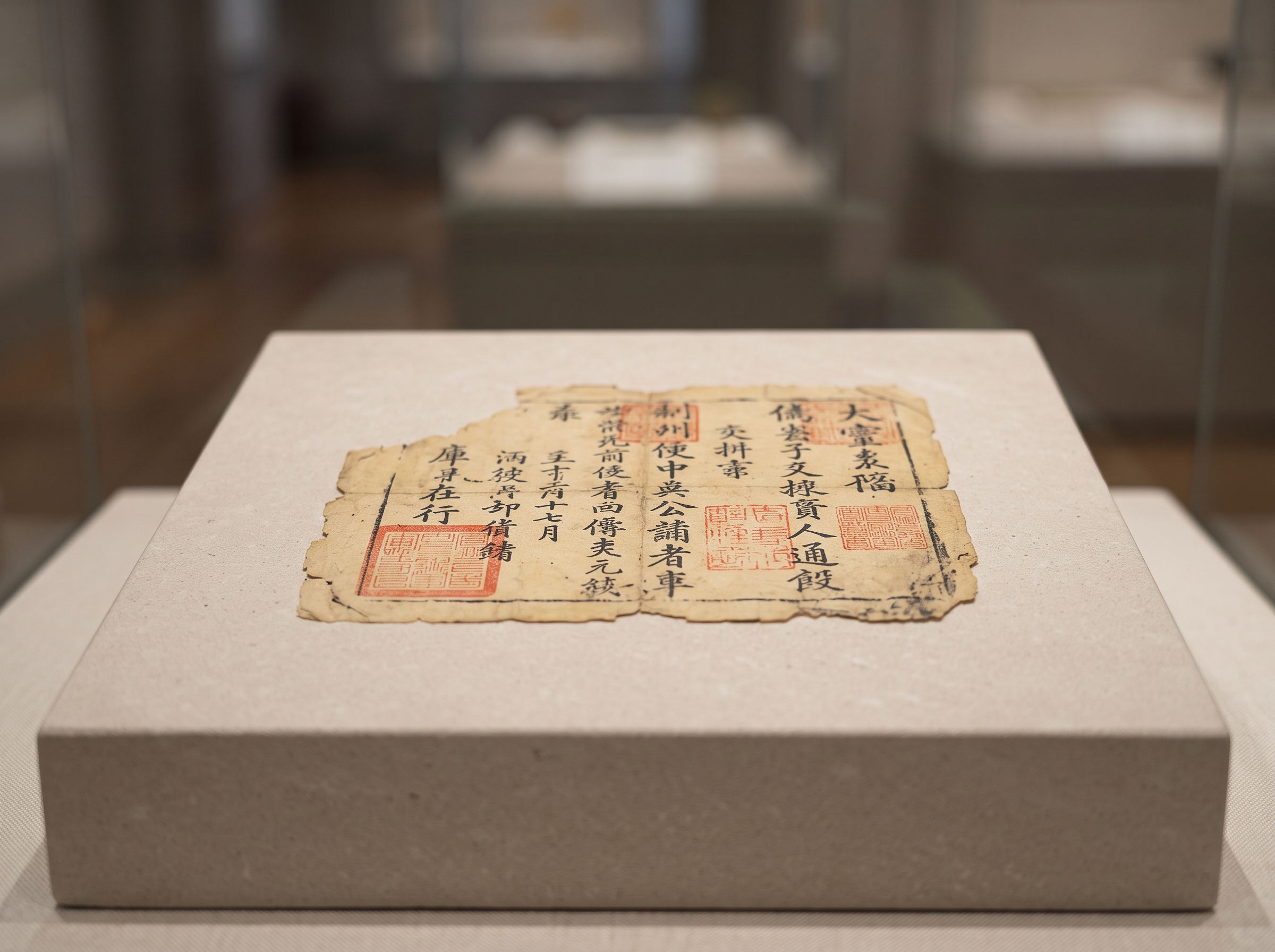
Fragment of Song Jiaozi
A rare surviving fragment or impression of an early Song paper note, displaying official seals.
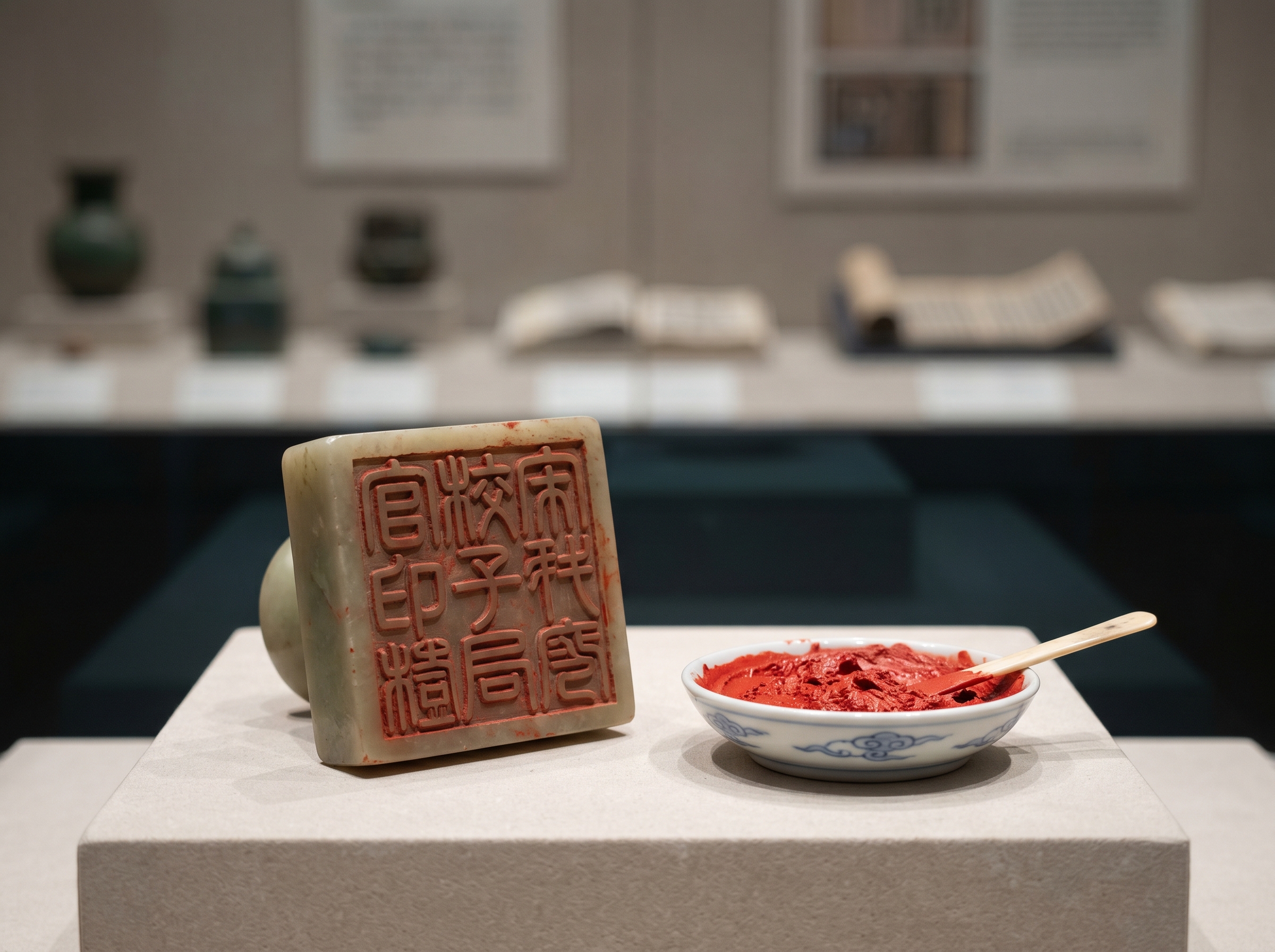
Official Vermilion Seal
The red seal used by the Song government to authenticate jiaozi and prevent counterfeiting.
Glossary
- jiaozi: The earliest form of true paper currency in history, originating as private deposit receipts among Sichuan merchants to bypass the crushing physical weight of iron cash.
- iron cash: The cheap, brittle, and extremely heavy base metallic currency of 11th-century Sichuan, which severely restricted large-scale trade due to its physical bulk.
- fiat: A currency system established by government decree or law that has zero intrinsic value and is not backed by a physical commodity like gold or silver.
- qianyin: The official paper currency note introduced by the Song government in 1105 to replace the hyper-inflated and collapsed jiaozi.