Official Vermilion Seal
Curated by Cassian • Jiaozi and 11th-Century Paper Money in Song China
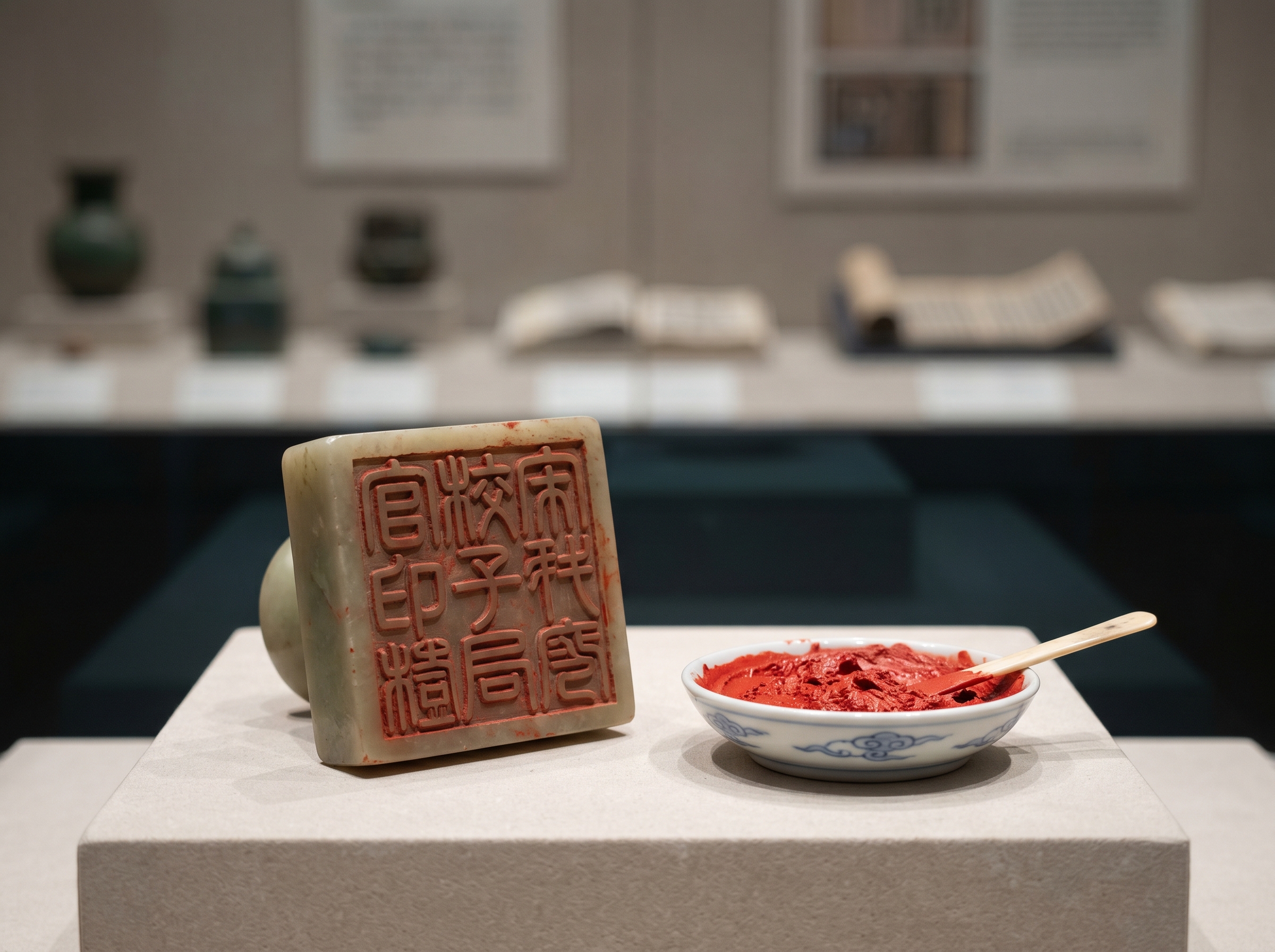
Artifact Details
A carved jade seal block resting next to a porcelain dish of thick, bright red vermilion ink paste.
Primary Source
Jiaozi and 11th-Century Paper Money in Song China
To purchase a single bolt of silk in 11th-century Chengdu, a merchant had to transport roughly 130 pounds of brittle iron coins. Metallic weight paralyzed trade in Sichuan. Bypassing the mass of this base metal, 16 merchant syndicates began issuing mulberry-paper deposit receipts known as jiaozi. This pragmatic workaround solved a material bottleneck. Recognizing the power of weightless currency in 1023, the Song Dynasty seized the private shops and established a strict monopoly over the paper notes. Imperial officials turned a localized merchant tool into a vehicle for invisible taxation to fund a border war.
Read Study (16 min) →Artifacts
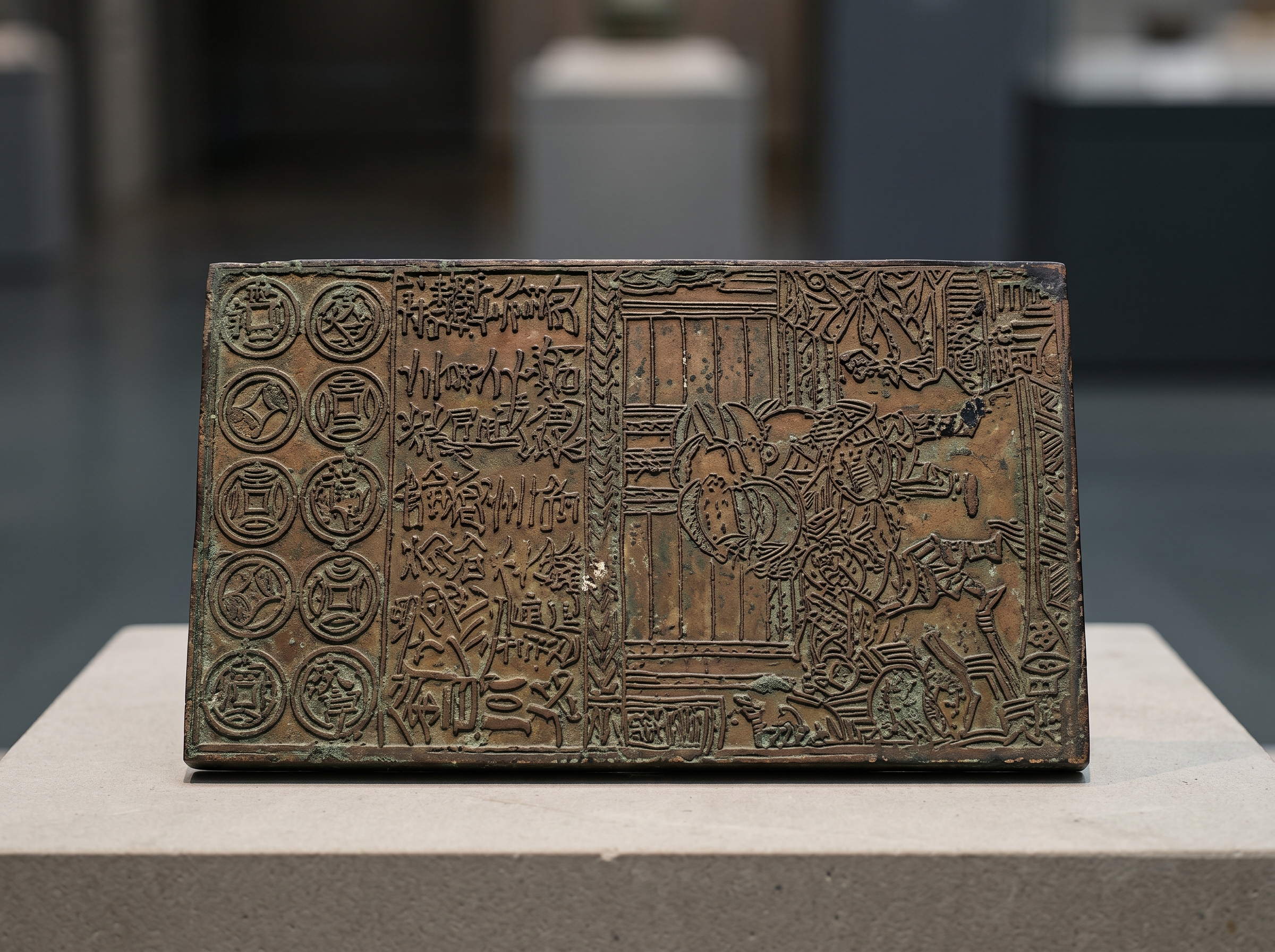
Bronze Printing Plate
A bronze plate used to print jiaozi notes, featuring intricate motifs to deter forgery.
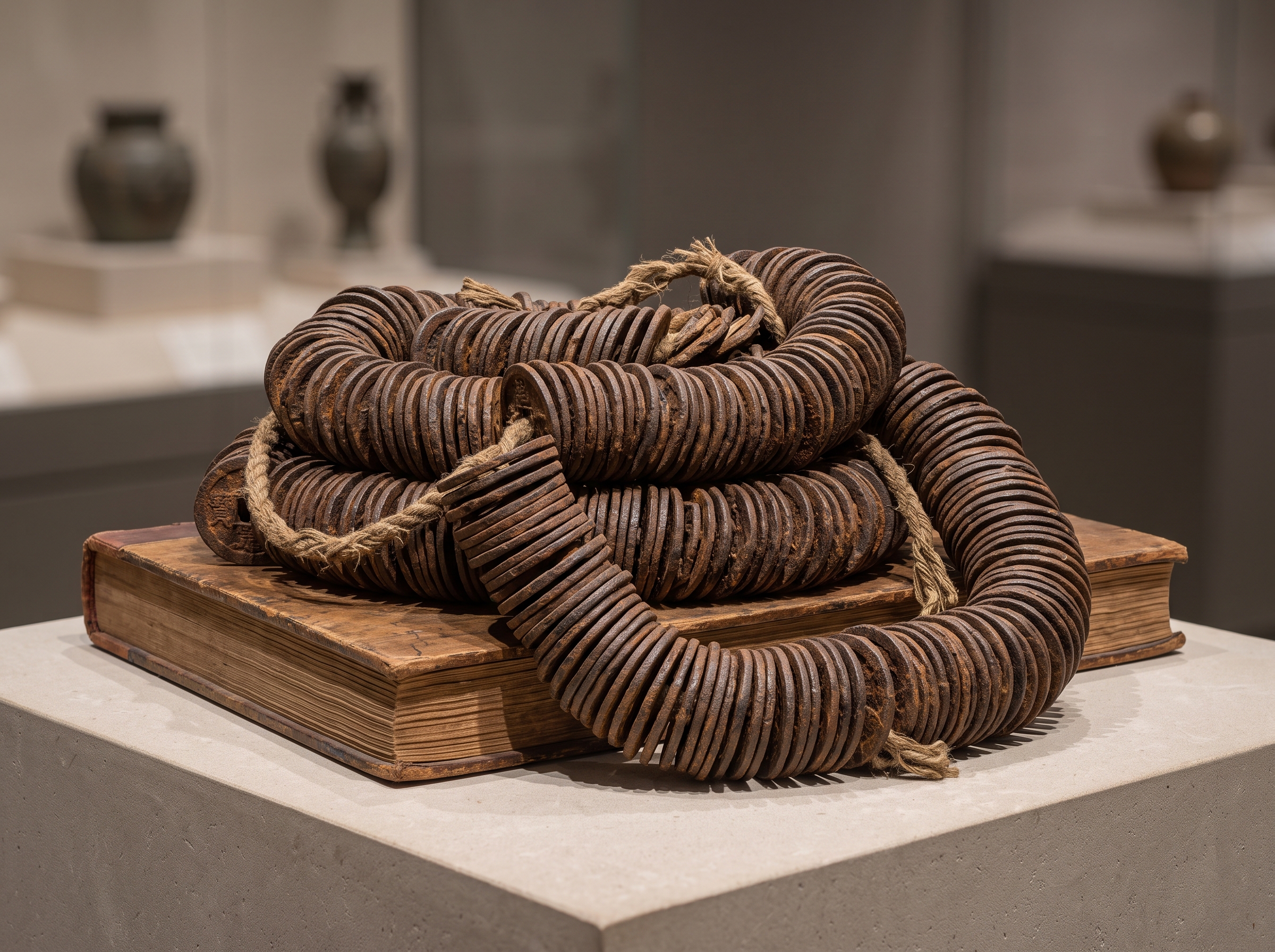
String of Iron Cash
A heavy string of low-value iron coins, highlighting the immense burden of trade in Sichuan.
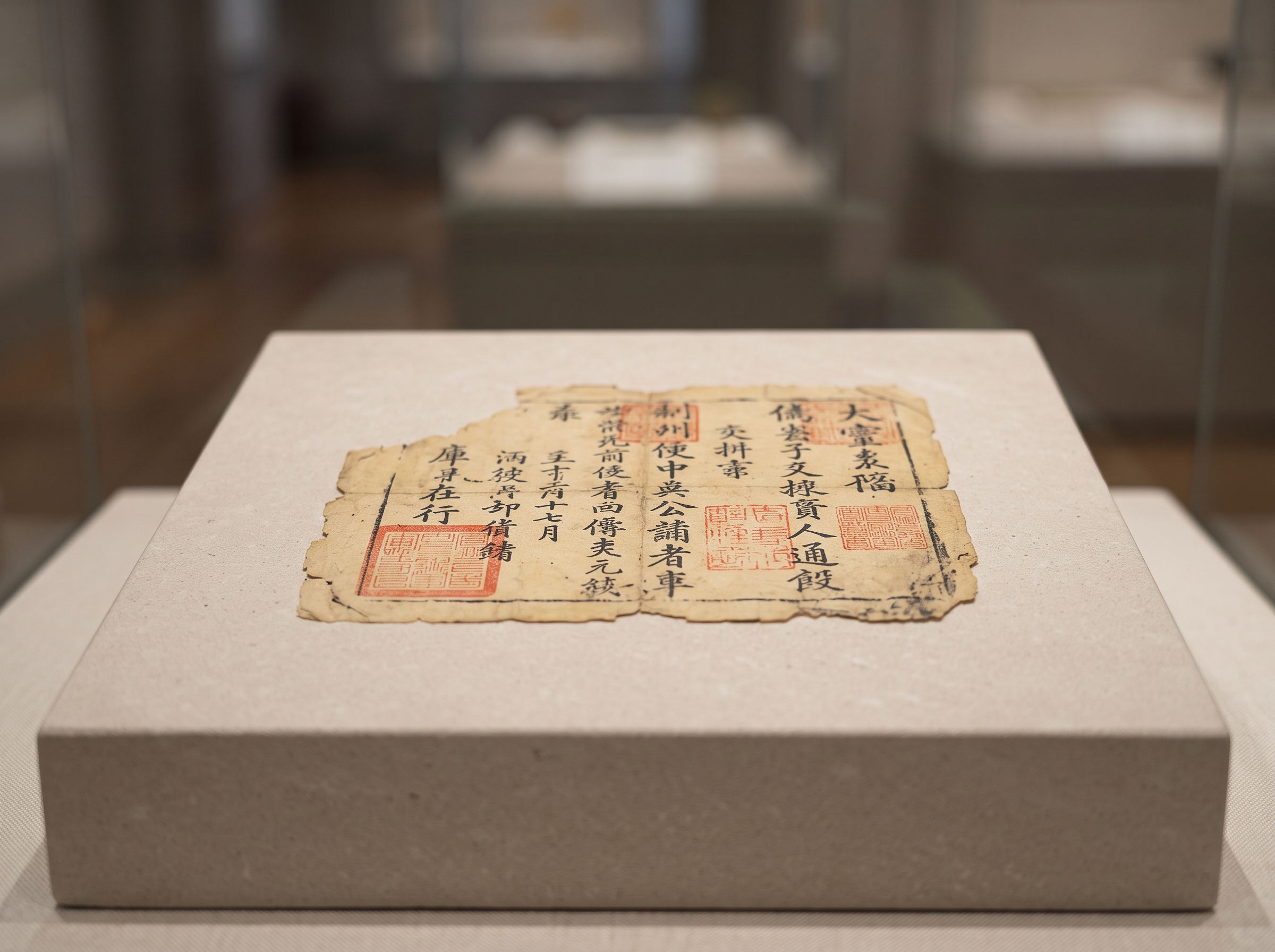
Fragment of Song Jiaozi
A rare surviving fragment or impression of an early Song paper note, displaying official seals.
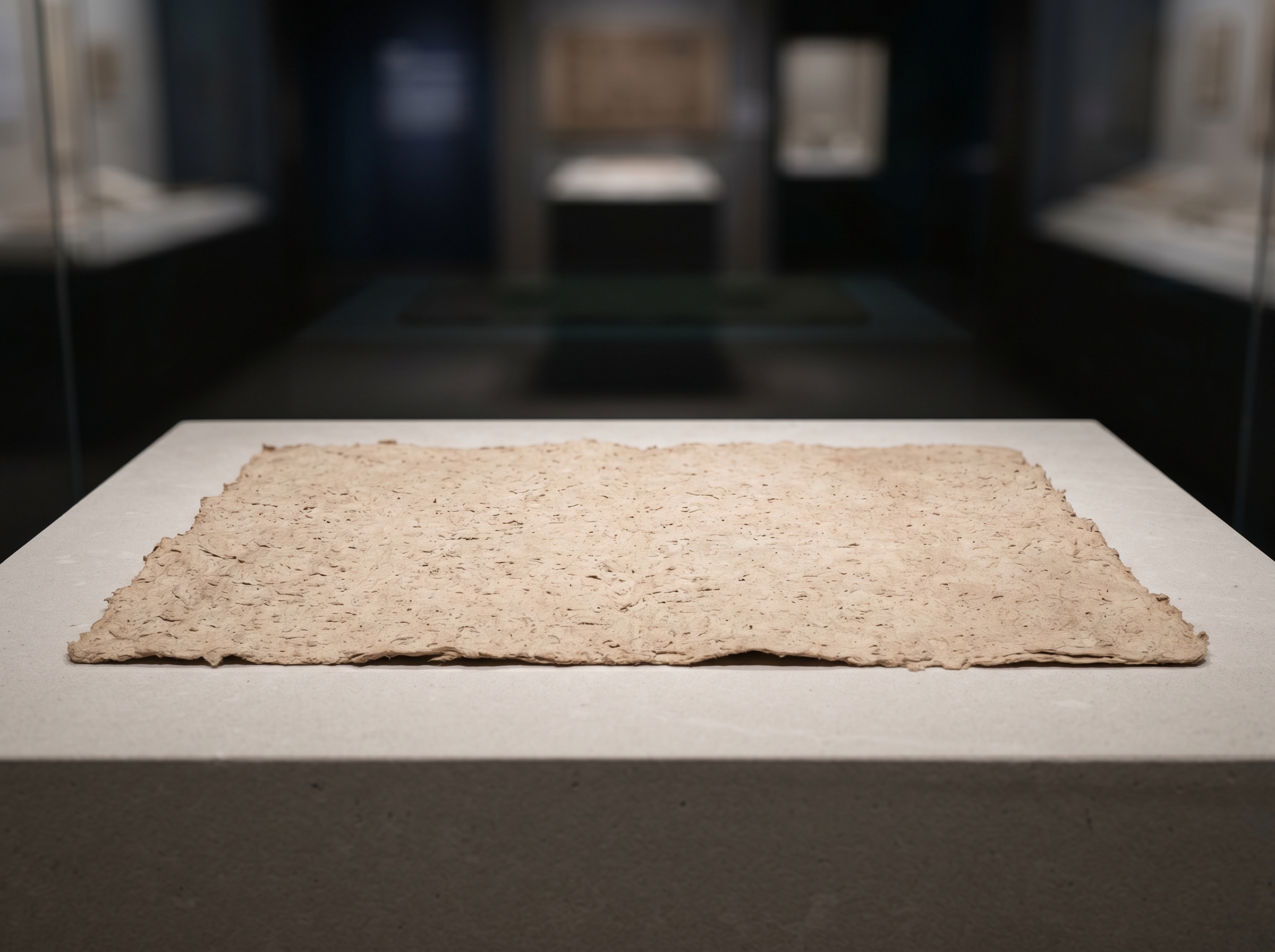
Mulberry Bark Paper
The raw material used to produce the durable paper for Song banknotes.
Glossary
- jiaozi: The earliest form of true paper currency in history, originating as private deposit receipts among Sichuan merchants to bypass the crushing physical weight of iron cash.
- iron cash: The cheap, brittle, and extremely heavy base metallic currency of 11th-century Sichuan, which severely restricted large-scale trade due to its physical bulk.
- fiat: A currency system established by government decree or law that has zero intrinsic value and is not backed by a physical commodity like gold or silver.
- qianyin: The official paper currency note introduced by the Song government in 1105 to replace the hyper-inflated and collapsed jiaozi.