Obsidian-Edged Macuahuitl
Curated by Valerius • Thirteen Brigantines and the Fall of Tenochtitlan
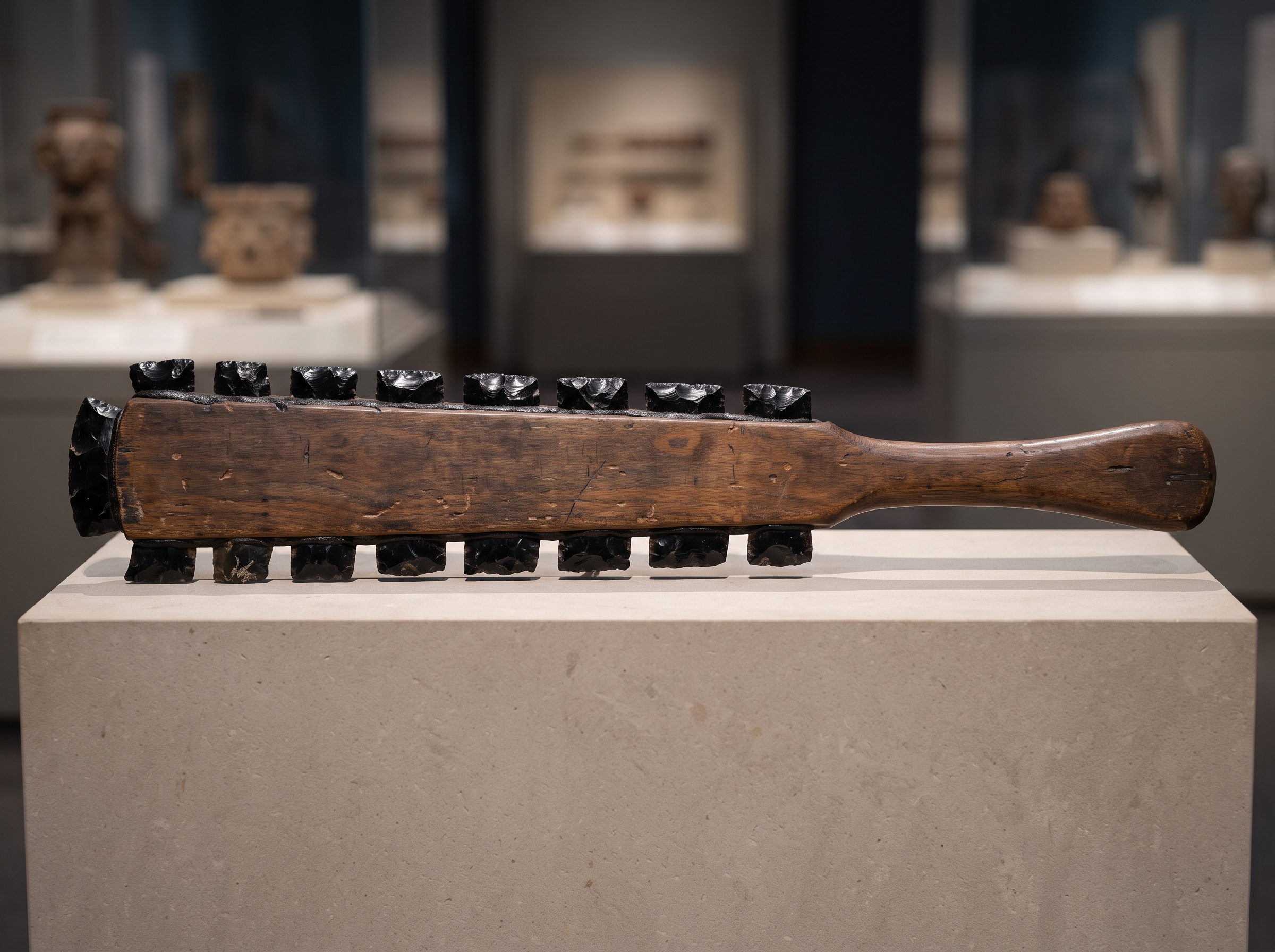
Artifact Details
Wooden flat club with jagged black obsidian blades embedded along the edges, worn wood, chipped obsidian.
Primary Source
Thirteen Brigantines and the Fall of Tenochtitlan
Lake Texcoco smelled of stagnant salt water and woodsmoke in the summer of 1521. Tenochtitlan sat near the center of the shallow basin, connected to the mainland by three narrow stone causeways. These raised roads functioned as defensive choke points designed to limit mass infantry assaults. When Hernán Cortés marched his men onto the masonry, the geography that had protected the Aztec capital became the engine of its starvation. He severed the twin terracotta pipes of the Chapultepec aqueduct, forcing the island's population to drink brackish water. Thirteen prefabricated shallow-draft vessels cut off the canoe supply lines. European cavalry charges and steel weapons proved insufficient to breach the city alone. Capitulation arrived through a systematic, 93-day blockade that turned the isolated topography of the valley against its inhabitants.
Read Study (16 min) →Artifacts
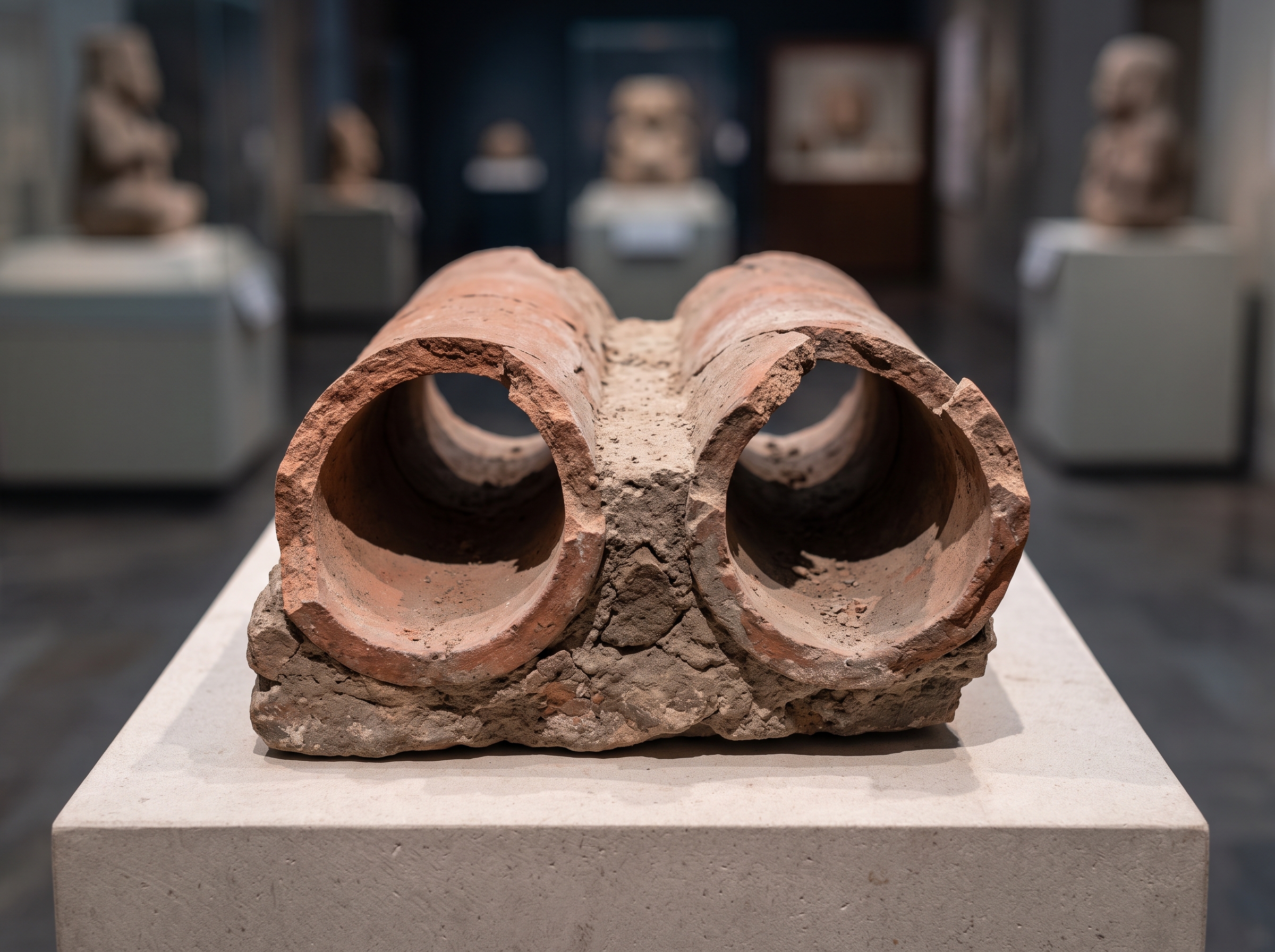
Severed Terracotta Aqueduct Pipe
Remnants of the twin-pipe water system destroyed by Cortés to cut the island's freshwater supply.
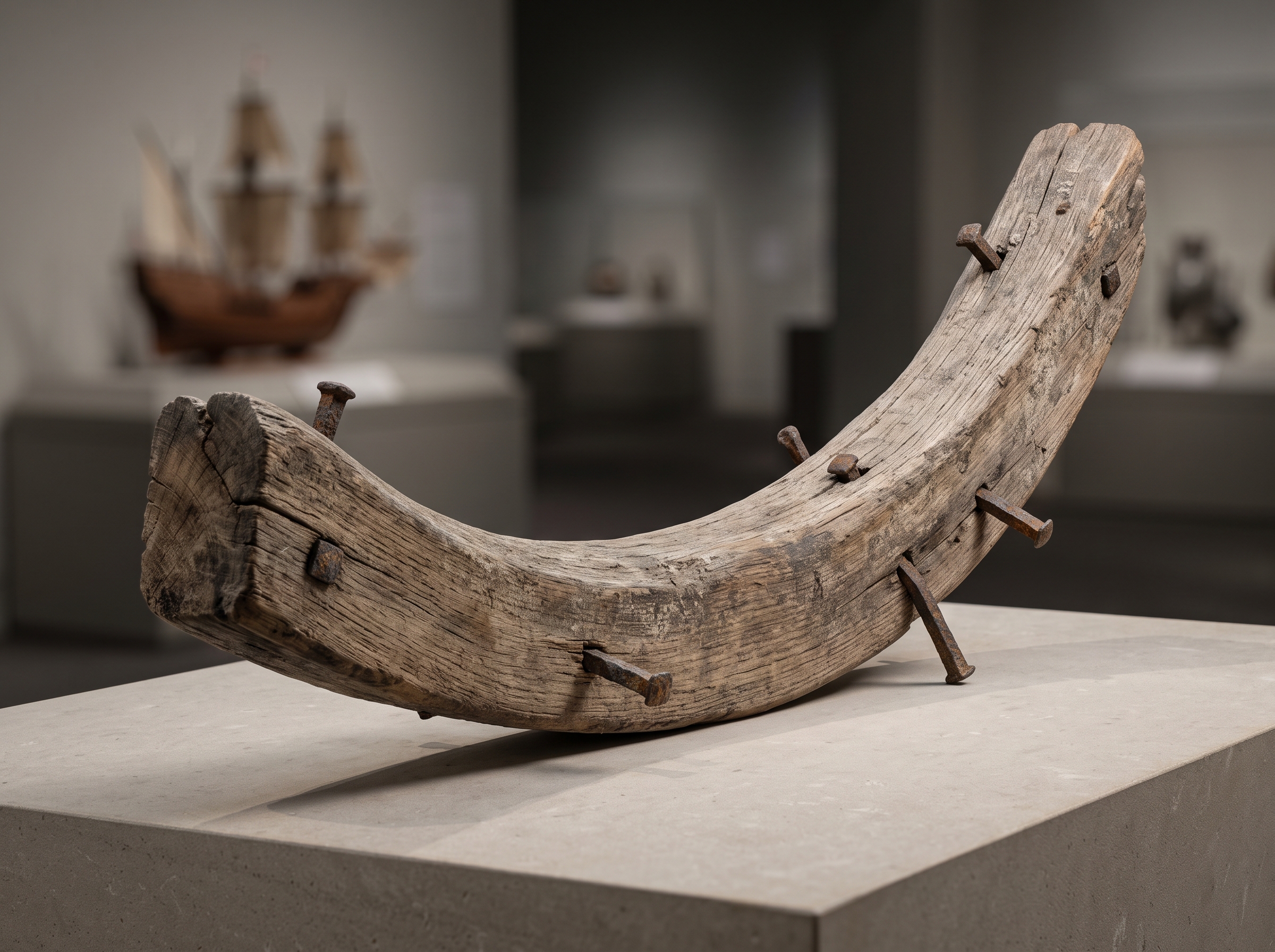
Spanish Brigantine Timber
A structural rib from the prefabricated shallow-draft vessels used to dominate Lake Texcoco.
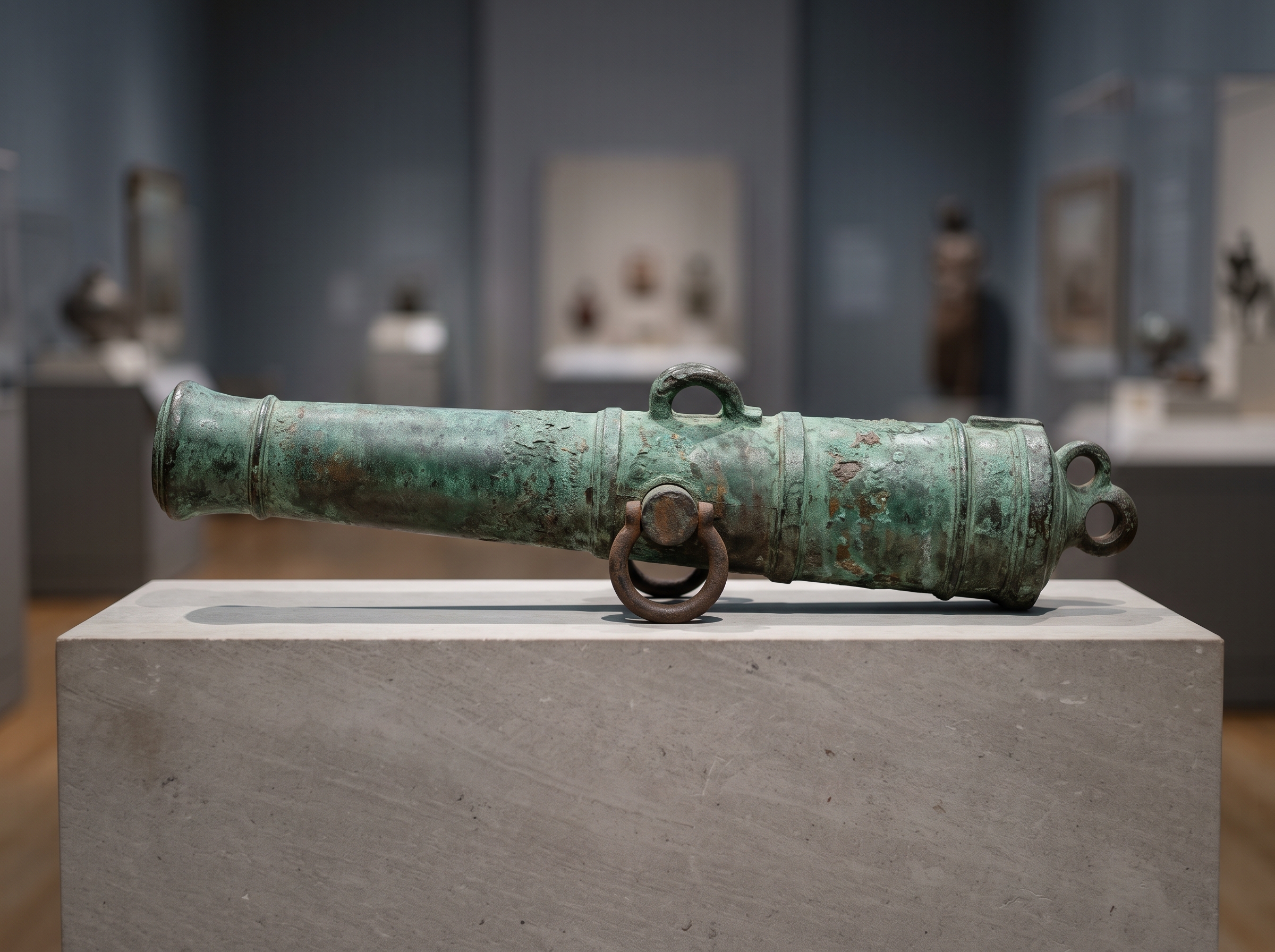
Bronze Falconet Cannon
A light artillery piece mounted on the brigantines, used to shatter canoe formations on the lake.
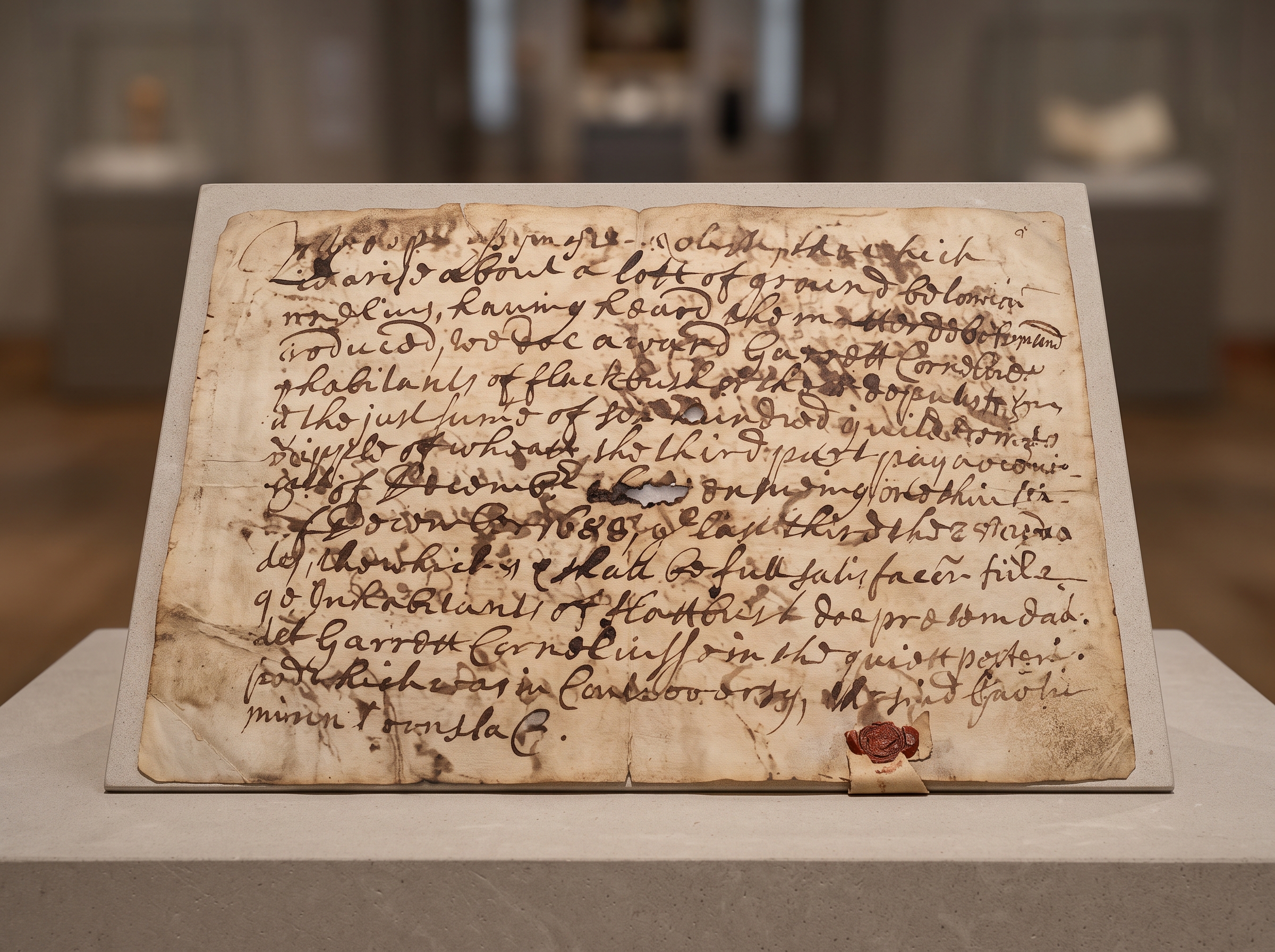
Cortés's Cartas de Relación's Cartas de Relación
Dispatch sent to Charles V, calculating the exact geopolitical maneuvers required to break the city.
Glossary
- causeway: A raised road built across water or marshland, serving as both a transport artery and a defensive choke point.
- tlatoani: The dynastic ruler of an altepetl (city-state), serving as commander-in-chief and chief priest.
- brigantine: A small, shallow-draft sailing vessel equipped with oars, ideal for navigating the shallow waters of Lake Texcoco.
- macuahuitl: A wooden club edged with sharp obsidian blades, the standard close-combat weapon of Mesoamerican forces.