Tlatoani
Curated by Valerius • Thirteen Brigantines and the Fall of Tenochtitlan
Definition
The dynastic ruler of an altepetl (city-state), serving as commander-in-chief and chief priest.
In Context
The final days of the siege saw the surviving population compressed into the northern market district of Tlatelolco. Families subsisted on roots and the bitter bark of trees. Fresh water was entirely non-existent. Corpses lay unburied in the streets and floating in the stagnant canals. Putrid air reached the Spanish camps on the mainland. On August 13, 1521, the final tlatoani, Cuauhtémoc, attempted to flee the ruined island in a fast canoe. A Spanish brigantine intercepted his vessel on the open water.
Primary Source
Thirteen Brigantines and the Fall of Tenochtitlan
An analysis of the 1521 siege of Tenochtitlan, focusing on the supply choke points, naval blockade, and indigenous alliances that dismantled the Aztec Empire.
Read Study (16 min) →Artifacts
Glossary
- causeway
- A raised road built across water or marshland, serving as both a transport artery and a defensive choke point.
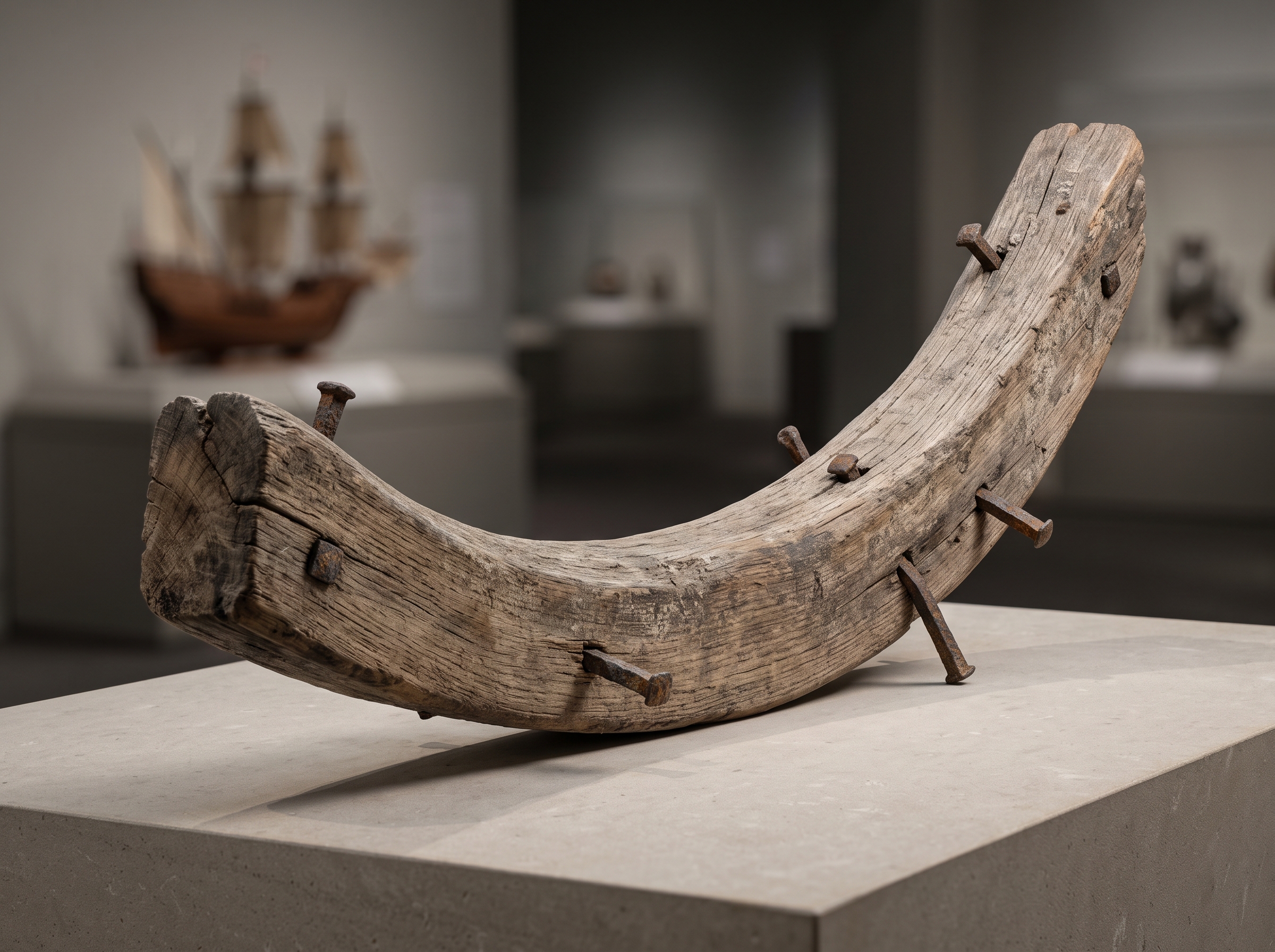
- brigantine
- A small, shallow-draft sailing vessel equipped with oars, ideal for navigating the shallow waters of Lake Texcoco.
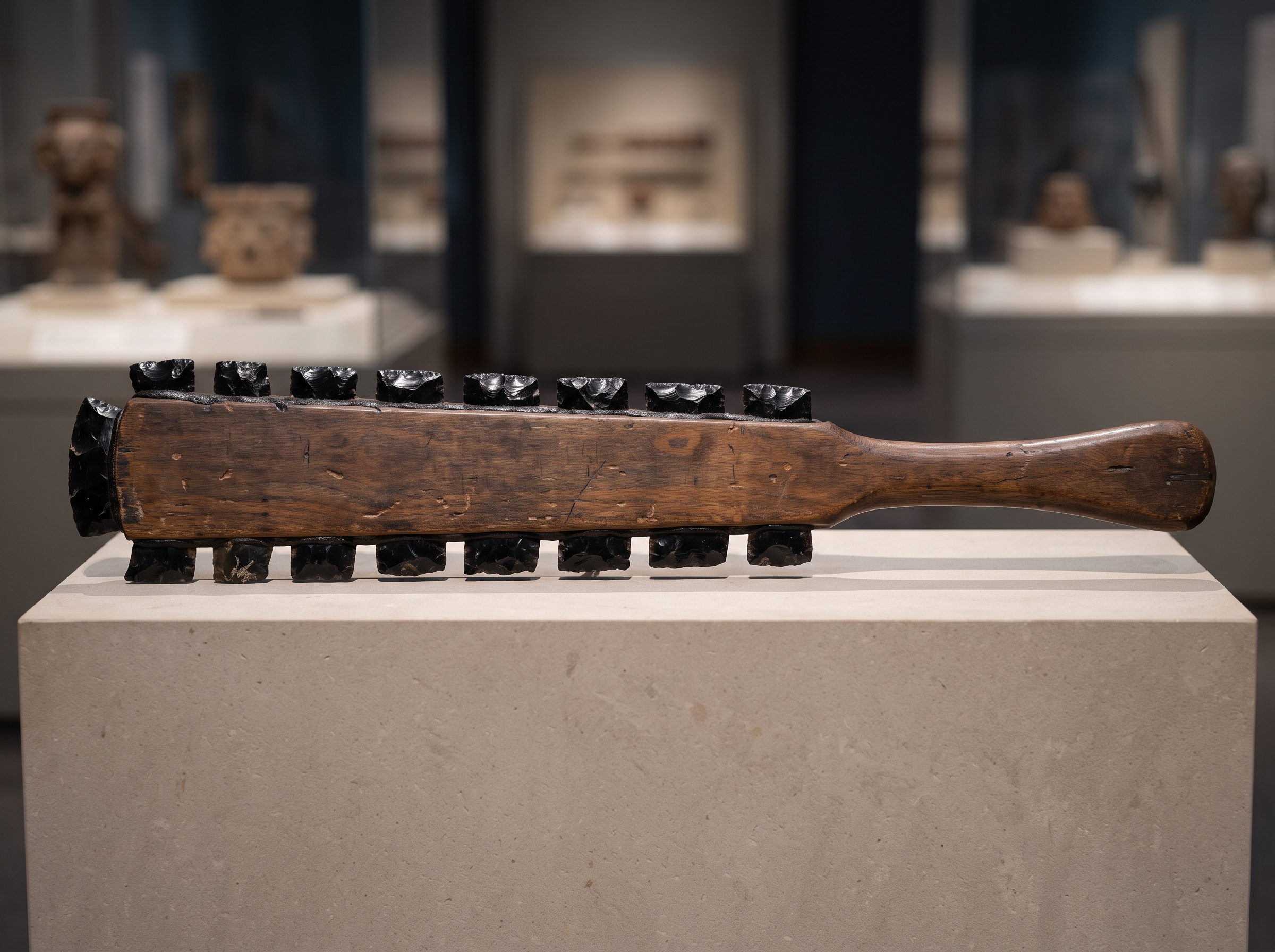
- macuahuitl
- A wooden club edged with sharp obsidian blades, the standard close-combat weapon of Mesoamerican forces.
- blockade
- A military strategy focused on severing an enemy's supply lines—specifically food and water—to force capitulation.
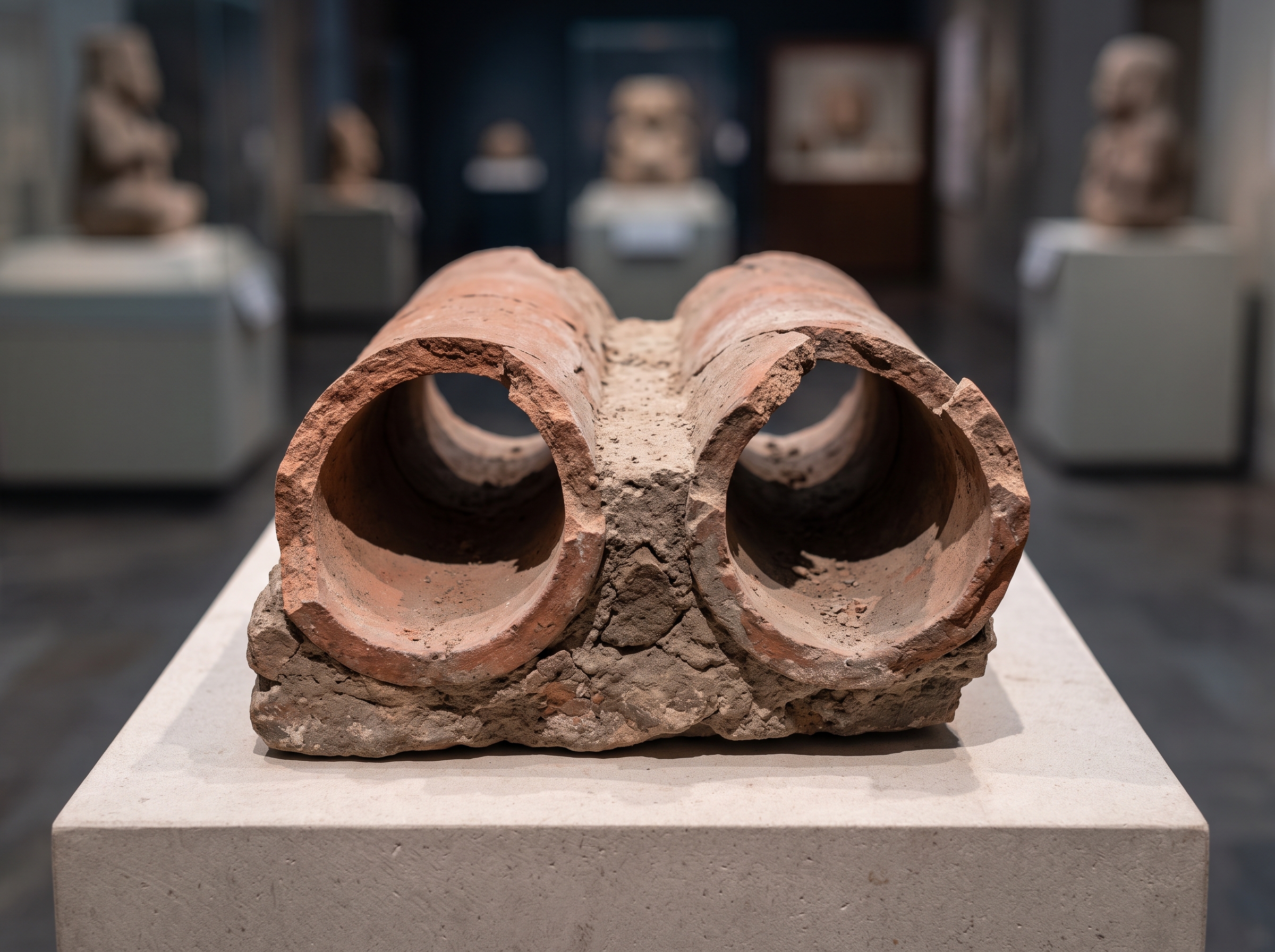
- aqueduct
- A constructed channel or piping system designed to transport fresh water from a distant spring source to an urban center.