Blockade
Curated by Valerius • Thirteen Brigantines and the Fall of Tenochtitlan
Definition
A military strategy focused on severing an enemy's supply lines—specifically food and water—to force capitulation.
In Context
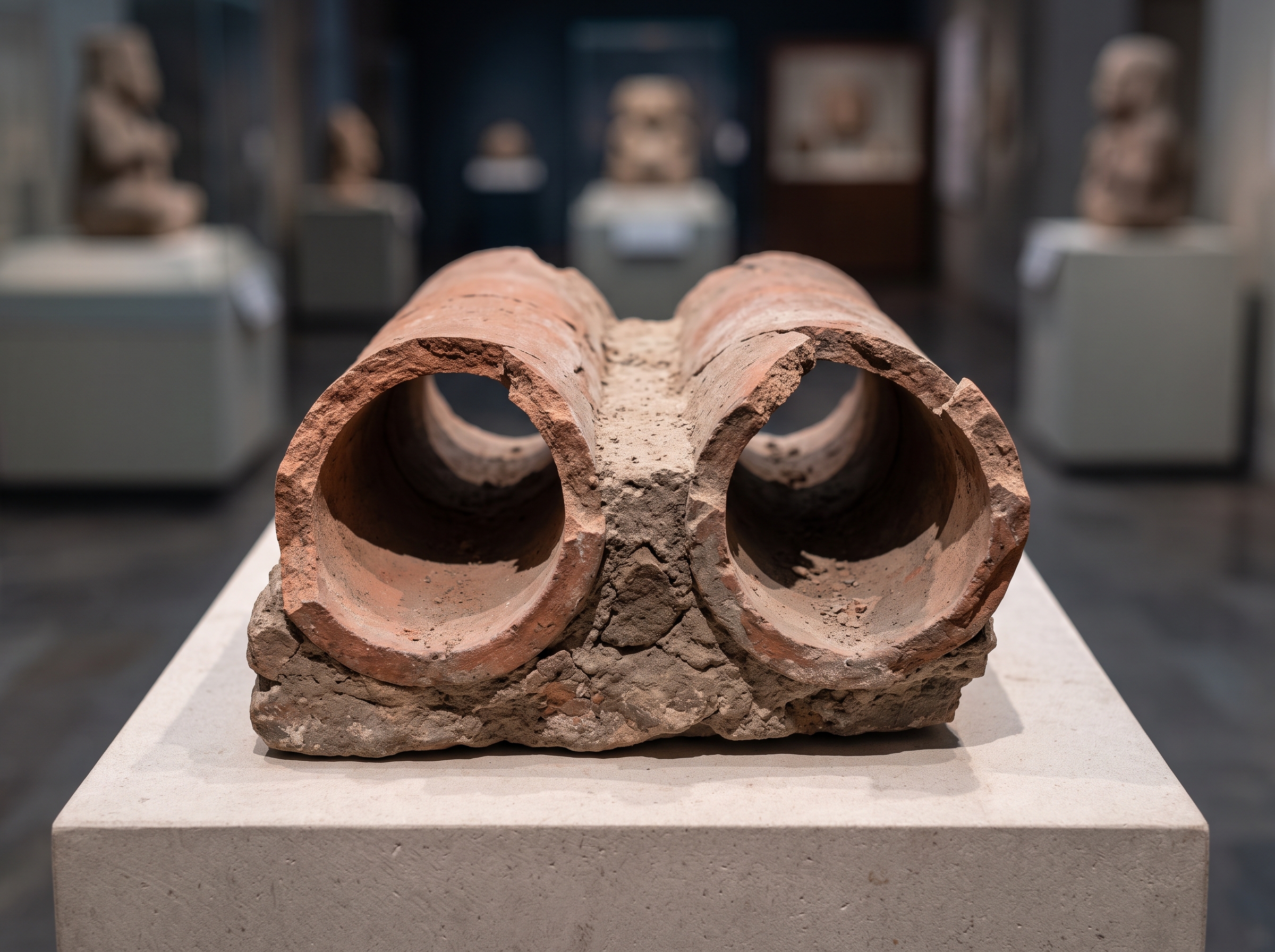
Soldiers smashed the baked clay pipes with iron pickaxes. Attackers collapsed the supporting stone arches and redirected the pristine flow into the mud. Thirst moved much faster than starvation. Within three days, trapped inhabitants reportedly resorted to drinking from the brackish, saline waters of Lake Texcoco. Dysentery and intestinal diseases spread immediately through the packed neighborhoods. This blockade stripped survival down to the drop. Every mouthful of fresh water had to be smuggled in by canoe under the cover of darkness. Severing this lifeline decisively shifted the conflict from infantry clashes to a grueling war of attrition. Dehydration weakened the warrior class before the major assaults even began. The capital began to consume itself from the inside out.
Primary Source
Thirteen Brigantines and the Fall of Tenochtitlan
An analysis of the 1521 siege of Tenochtitlan, focusing on the supply choke points, naval blockade, and indigenous alliances that dismantled the Aztec Empire.
Read Study (16 min) →Artifacts
Glossary
- causeway
- A raised road built across water or marshland, serving as both a transport artery and a defensive choke point.
- tlatoani
- The dynastic ruler of an altepetl (city-state), serving as commander-in-chief and chief priest.
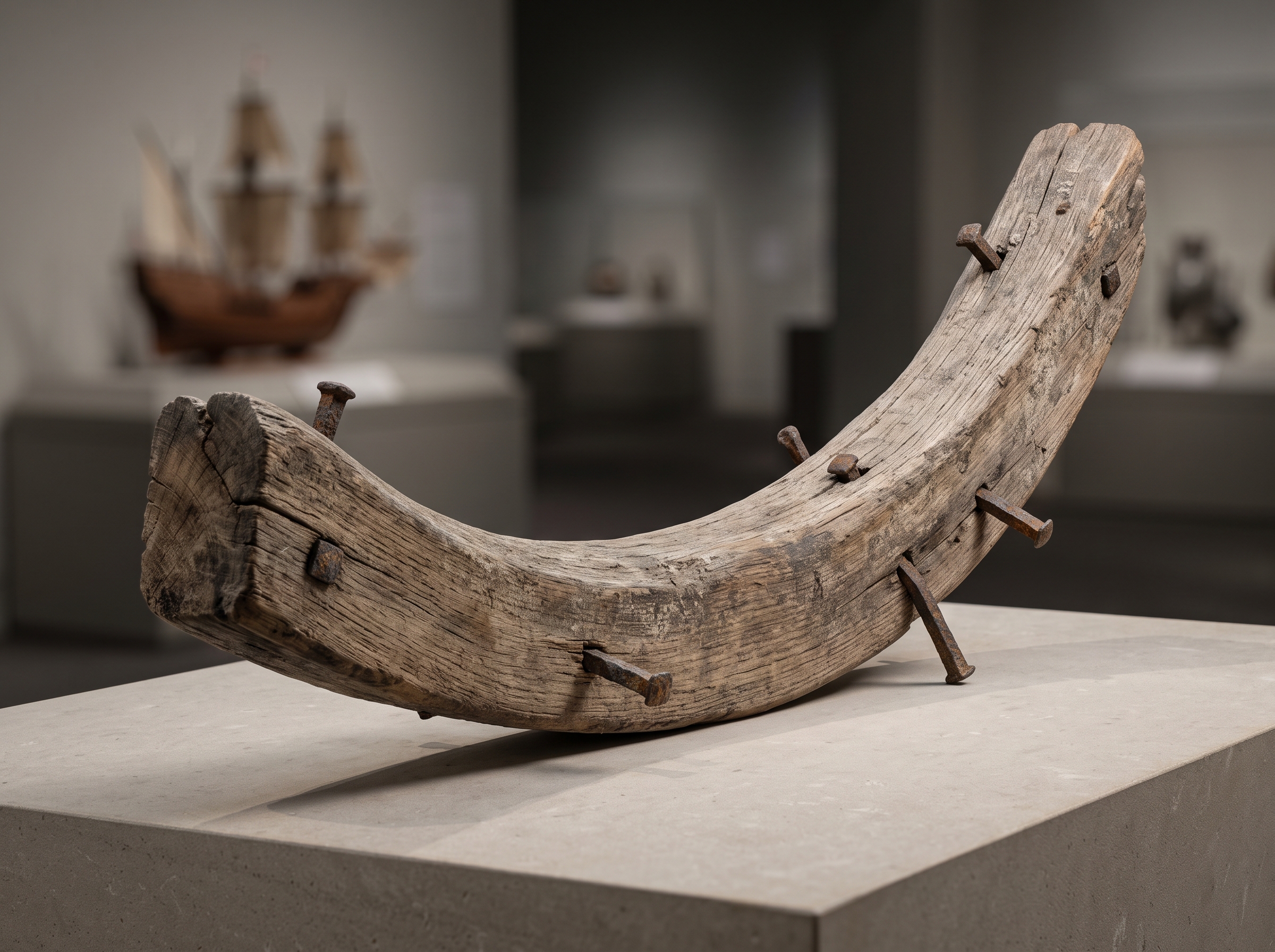
- brigantine
- A small, shallow-draft sailing vessel equipped with oars, ideal for navigating the shallow waters of Lake Texcoco.
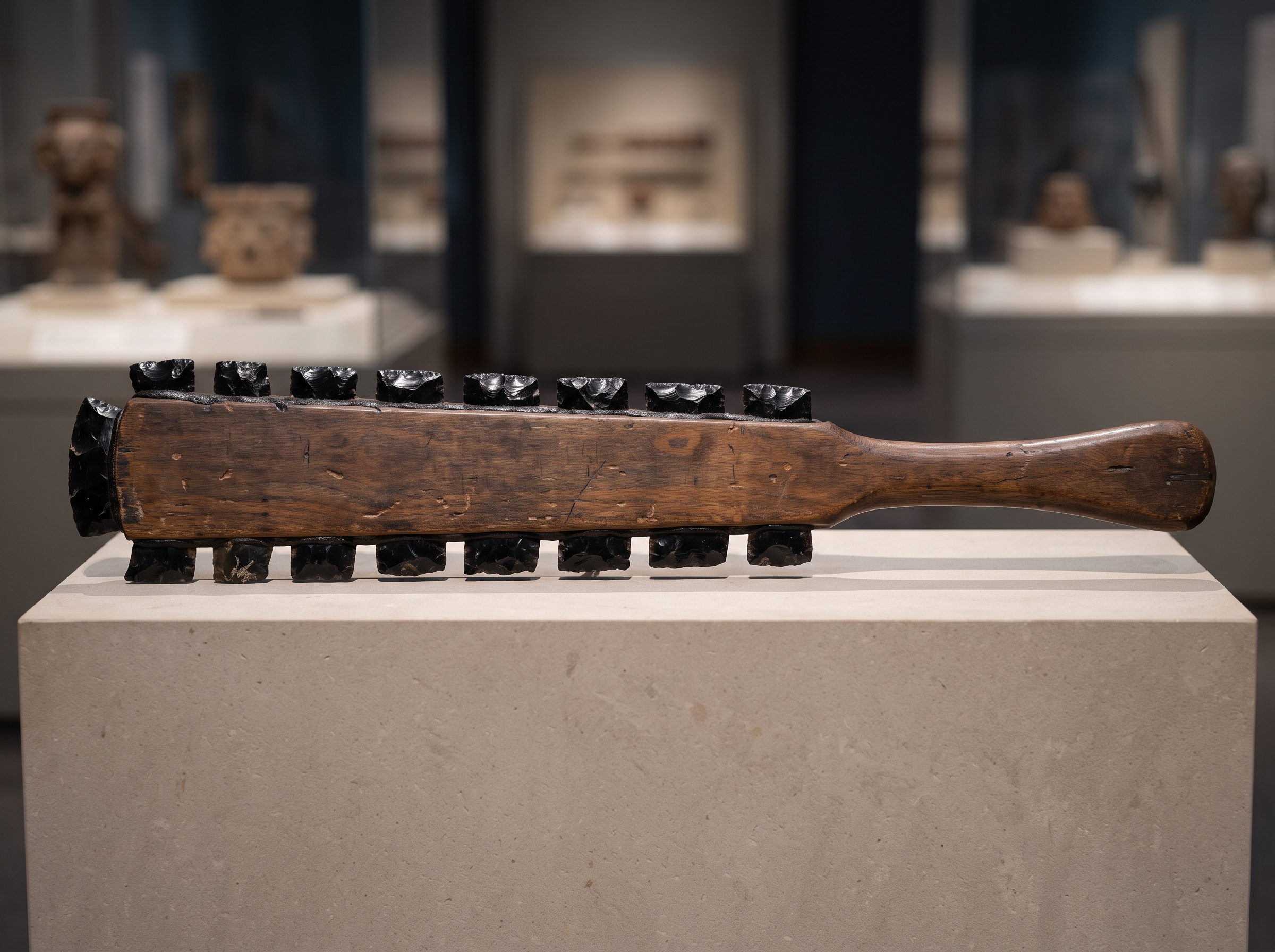
- macuahuitl
- A wooden club edged with sharp obsidian blades, the standard close-combat weapon of Mesoamerican forces.
- aqueduct
- A constructed channel or piping system designed to transport fresh water from a distant spring source to an urban center.