Assignat
Curated by Vera • Varennes, the Guillotine and the French Revolution
Definition
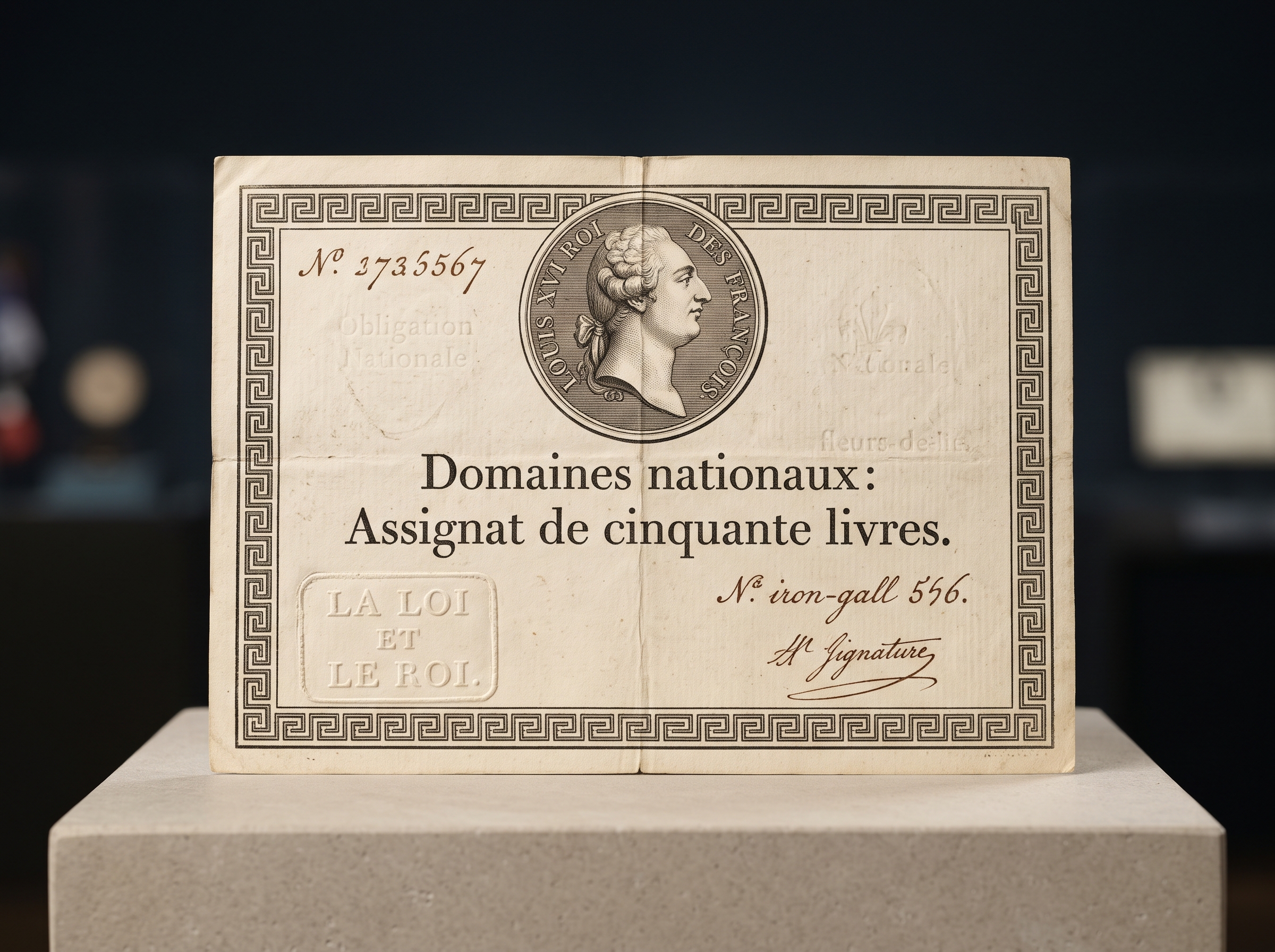
Paper promissory currency issued by the National Assembly and backed by confiscated Church lands (biens nationaux), bearing the engraved profile of Louis XVI.
In Context
According to Drouet's subsequent testimony before the National Assembly, he compared the passenger's features against a printed 50-livre assignat. Issued by the National Assembly and backed by confiscated Church lands, the paper promissory note carried an engraved copperplate medallion profile of the king near its upper margin. Convinced that the heavy jawline and aquiline nose on the banknote matched the man waiting in the courtyard, Drouet refrained from attempting an arrest in a square where royalist cavalrymen were drinking at the local tavern. Instead, he waited for the coach to depart toward Clermont, saddled two fast horses with municipal clerk Jean-Chrisostome Guillaume, and galloped through the wooded tracks of the Argonne ridge to intercept the party at Varennes-en-Argonne.
Primary Source
Varennes, the Guillotine and the French Revolution
From the June 1791 interception of the royal berline at Varennes-en-Argonne to the discovery of the hidden Tuileries iron wall safe, Louis XVI and Marie Antoinette's covert repudiation of the 1791 Constitution shattered moderate reform. The resulting emergency tribunals consumed the Bourbon monarchy, silenced Georges Danton, and culminated in Maximilien Robespierre's Law of 22 Prairial before the National Convention overthrew him on 9 Thermidor.
Read Study (18 min) →Artifacts

Glossary
- berline
- A heavy, four-wheeled enclosed travel coach suspended on leather thoroughbraces, used by the royal family during their June 1791 escape toward Montmédy.
- armoire de fer
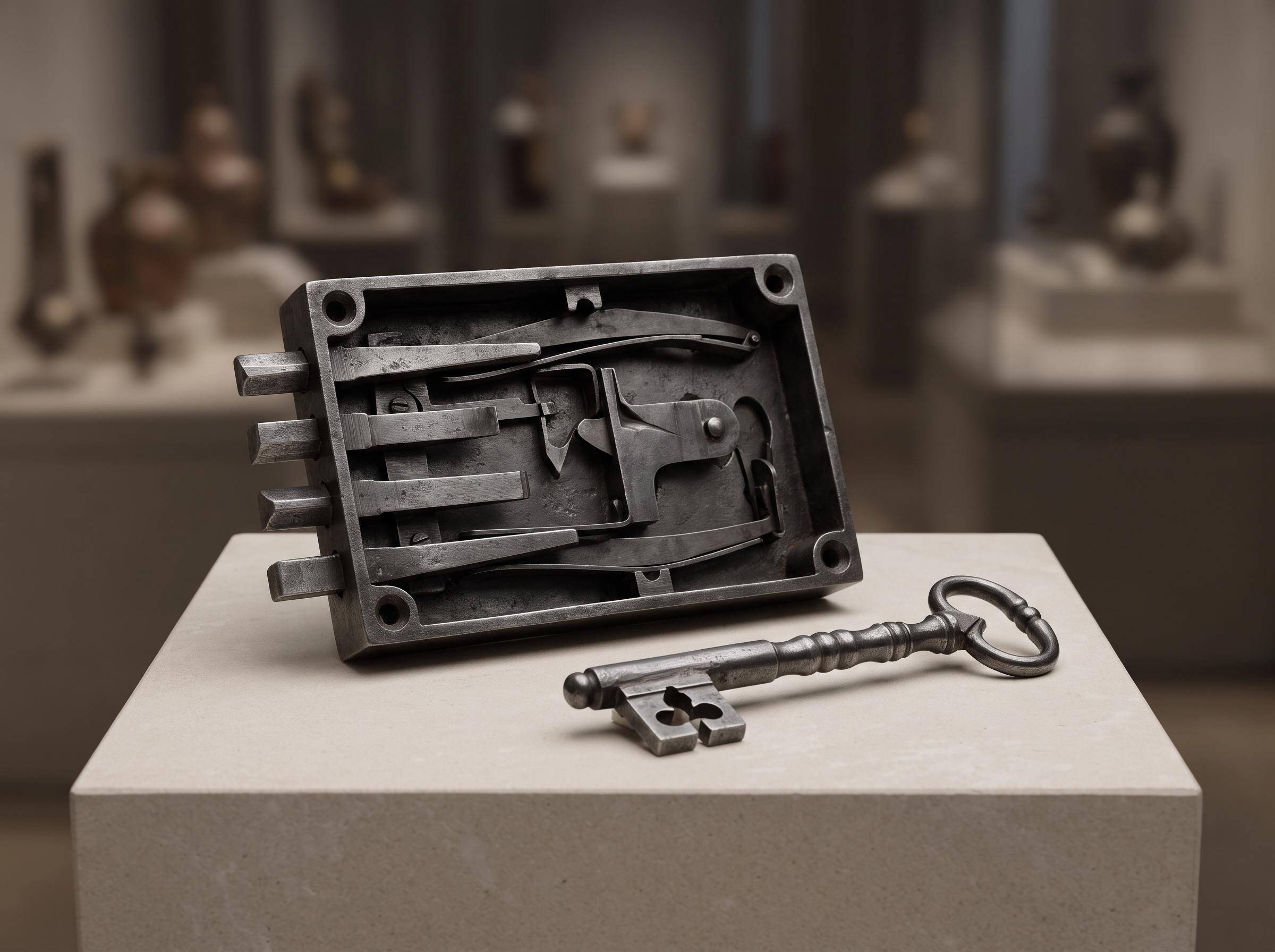
- The hidden iron wall safe built into the woodwork of Louis XVI's Tuileries corridor by locksmith François Gamain, containing incriminating royal correspondence.
- sans-culottes
- Militant working-class Parisian artisans and shopkeepers who wore long trousers rather than aristocratic knee-breeches and pressured the Convention through armed street sections.
- Prairial
- The ninth month of the French Republican Calendar (May–June); the Law of 22 Prairial Year II stripped defendants of legal counsel and inaugurated the Great Terror.
- Thermidor
- The eleventh month of the French Republican Calendar (July–August); on 9 Thermidor Year II (July 27, 1794), the National Convention overthrew Maximilien Robespierre.