Coffers
Curated by Dorian • The Pantheon’s 43-Meter Unreinforced Concrete Dome
Definition
A series of deeply recessed panels in the ceiling dome, designed to geometrically reduce the massive dead weight of the concrete without compromising structural strength.
In Context
A wooden mold forms a circle 8.2 meters wide against the blinding Roman sky. Below it, thousands of tons of slaked lime, volcanic ash, and pumice rest on a vast timber centering scaffold. It is A.D. 125. Workers pour the final layers of opus caementicium around the central ring, completing a 43.3-meter hemispherical vault. Gravity immediately attempts to pull the structure apart. Unreinforced concrete possesses immense compressive strength but shatters under expansive tension. If a dome this massive acts as a rigid shell, lateral forces will rip it open at the base. Rome's builders neutralized this destructive force by constructing a pre-fractured artificial mountain that yields to the load of its own mass.
Primary Source
The Pantheon’s 43-Meter Unreinforced Concrete Dome
A deep structural autopsy of the Roman Pantheon and its 43.3-meter unreinforced concrete dome. By predicting material failure, Roman engineers built a pre-fractured artificial mountain that converts deadly tensile stress into pure, stabilizing compression.
Read Study (16 min) →Artifacts
Glossary
- opus caementicium
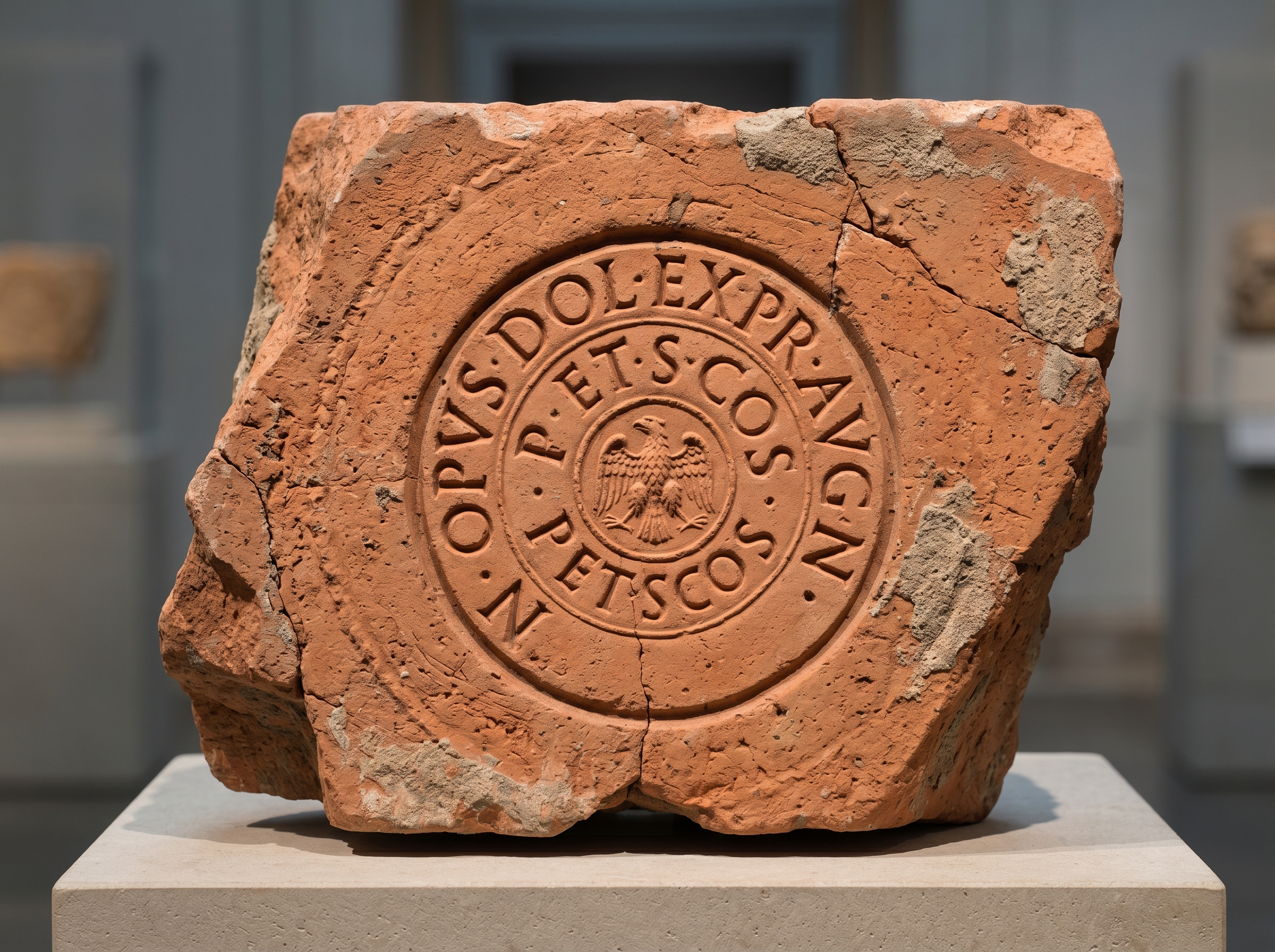
- Roman concrete; a highly durable building material composed of a hydraulic mortar (slaked lime and volcanic pozzolana) mixed with stone and brick aggregates.
- oculus
- The circular opening at the apex of a dome. In the Pantheon, it acts as a compression ring that stabilizes the vault while reducing dead weight at its weakest point.
- hoop stress
- The circumferential tension in a dome that pushes outward toward the base, threatening to tear unreinforced masonry structures apart.
- pozzolana
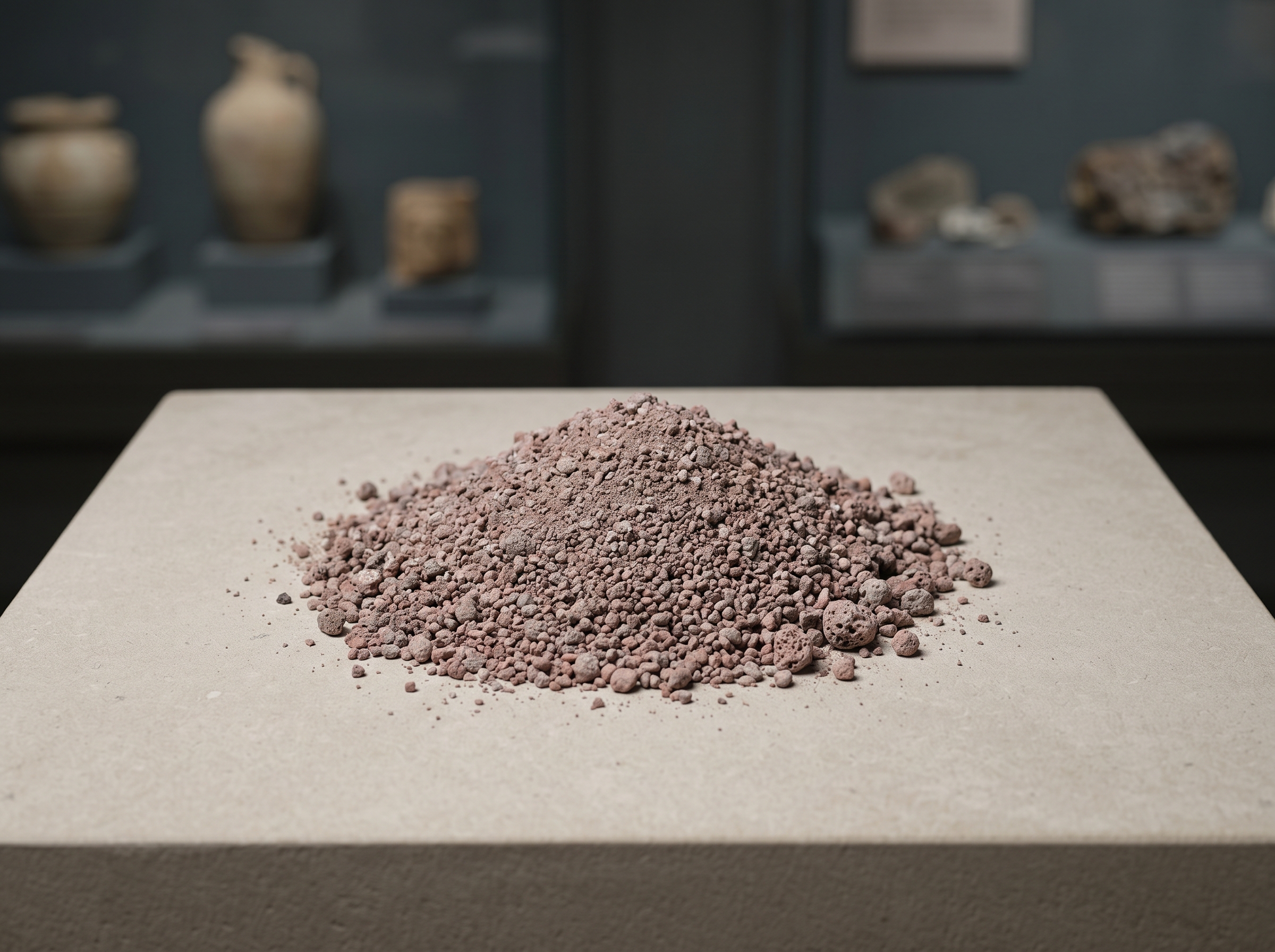
- A highly reactive volcanic ash mined near Pozzuoli that chemically reacts with hydrated lime to form an exceptionally strong crystalline matrix.
- relieving arches
- Load-bearing brick arches embedded directly within the concrete walls to redirect massive downward forces away from hollow spaces and down into the solid piers.