Epicyclic Gearing
Curated by Altair • The Antikythera Mechanism’s 30 Surviving Gears
Definition
An advanced planetary gear system where one or more outer gears rotate around a central sun gear, used to model complex orbital variations.
In Context
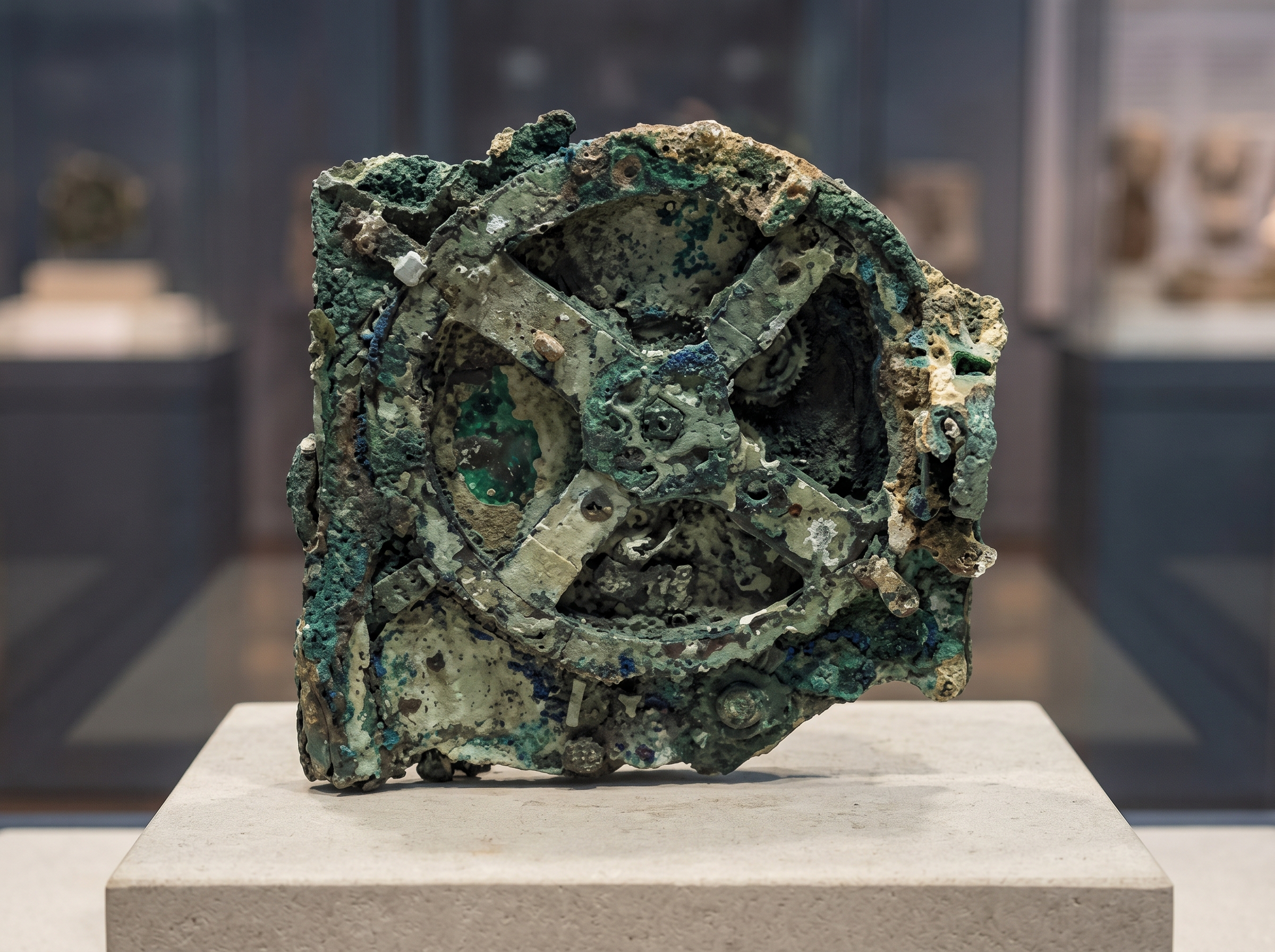
When British physicist Derek de Solla Price began examining the 82 surviving fragments in 1951, he confronted an engineering impossibility. Visible gear teeth on the largest piece, designated Fragment A, were cut with uniform precision. Triangular tooth spacing implied a mathematical exactness that defied the crude hand-tooling assumed for antiquity. Price argued that the gears calculated celestial motions, but his initial findings met widespread skepticism. Prevailing historical consensus maintained that complex epicyclic gearing did not exist prior to the Renaissance. Scholars assumed the Greeks possessed brilliant geometric theory, but lacked the metallurgical discipline to build functioning gear trains.
Primary Source
The Antikythera Mechanism’s 30 Surviving Gears
An empirical autopsy of the Antikythera Mechanism, tracking how a 200 BC Hellenistic bronze gear matrix defied the historical timeline of computational mechanics. Its discovery reveals an advanced tradition of analog computing that was severed by Roman conquest and lost for 1,500 years.
Read Study (16 min) →Artifacts
Glossary
- pin-and-slot
- An ingenious mechanical linkage that links offset gears with a sliding pin to translate uniform motion into variable planetary velocity.
- calcification
- The biological and chemical accumulation of dense calcium carbonate crusts that fused the submerged bronze mechanism over millennia.
- amphorae
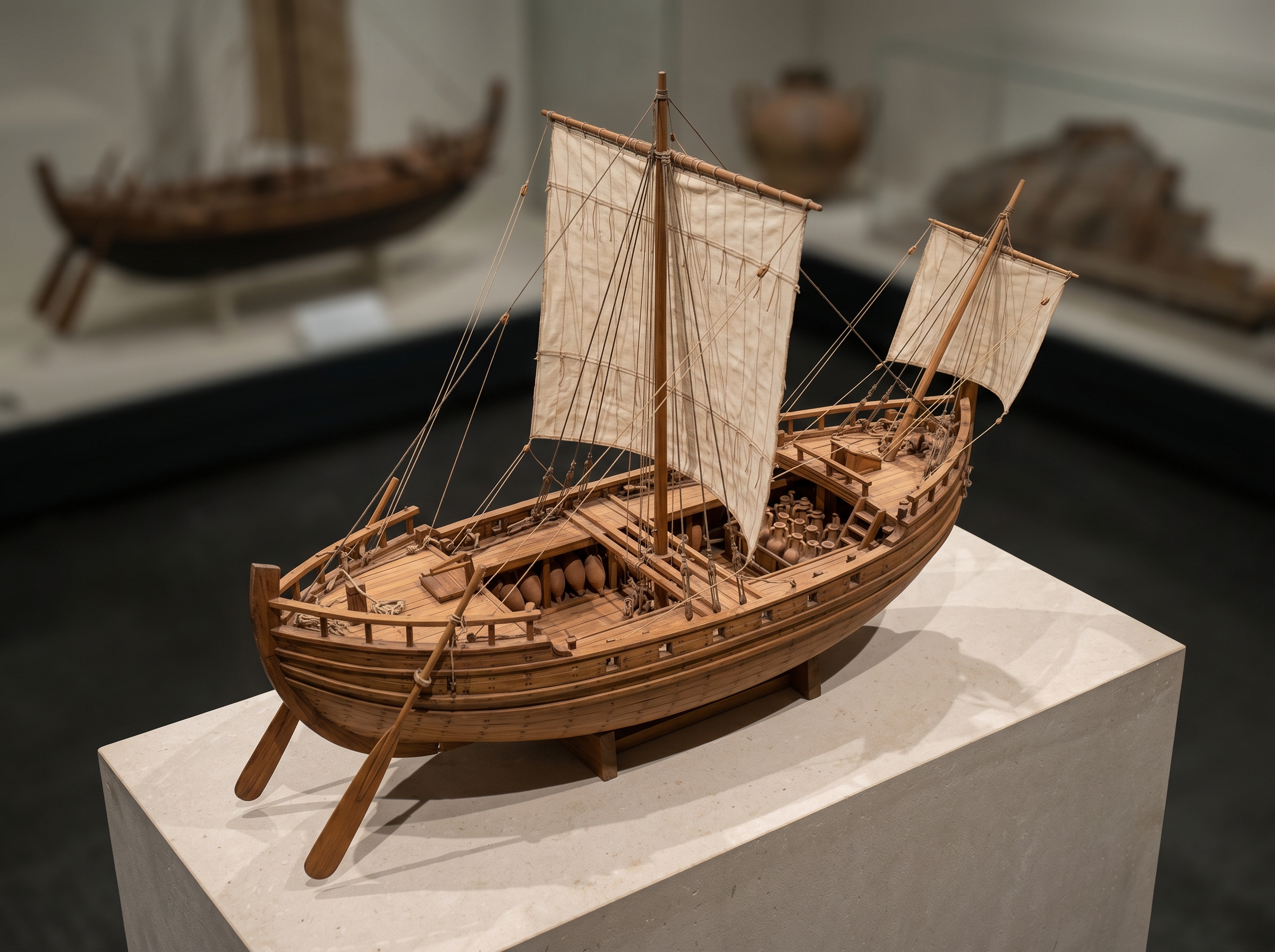
- Two-handled ancient clay jars of standardized capacity, primarily used by Greek and Roman merchants to transport oil, wine, or grain.
- pinions
- Small gear wheels with a low number of teeth designed to engage with and drive larger gear wheels to reduce rotational speeds.
- metallurgist
- A specialized craftsman skilled in the extraction, alloy formulation, casting, and working of metals like bronze or iron.