Metallurgist
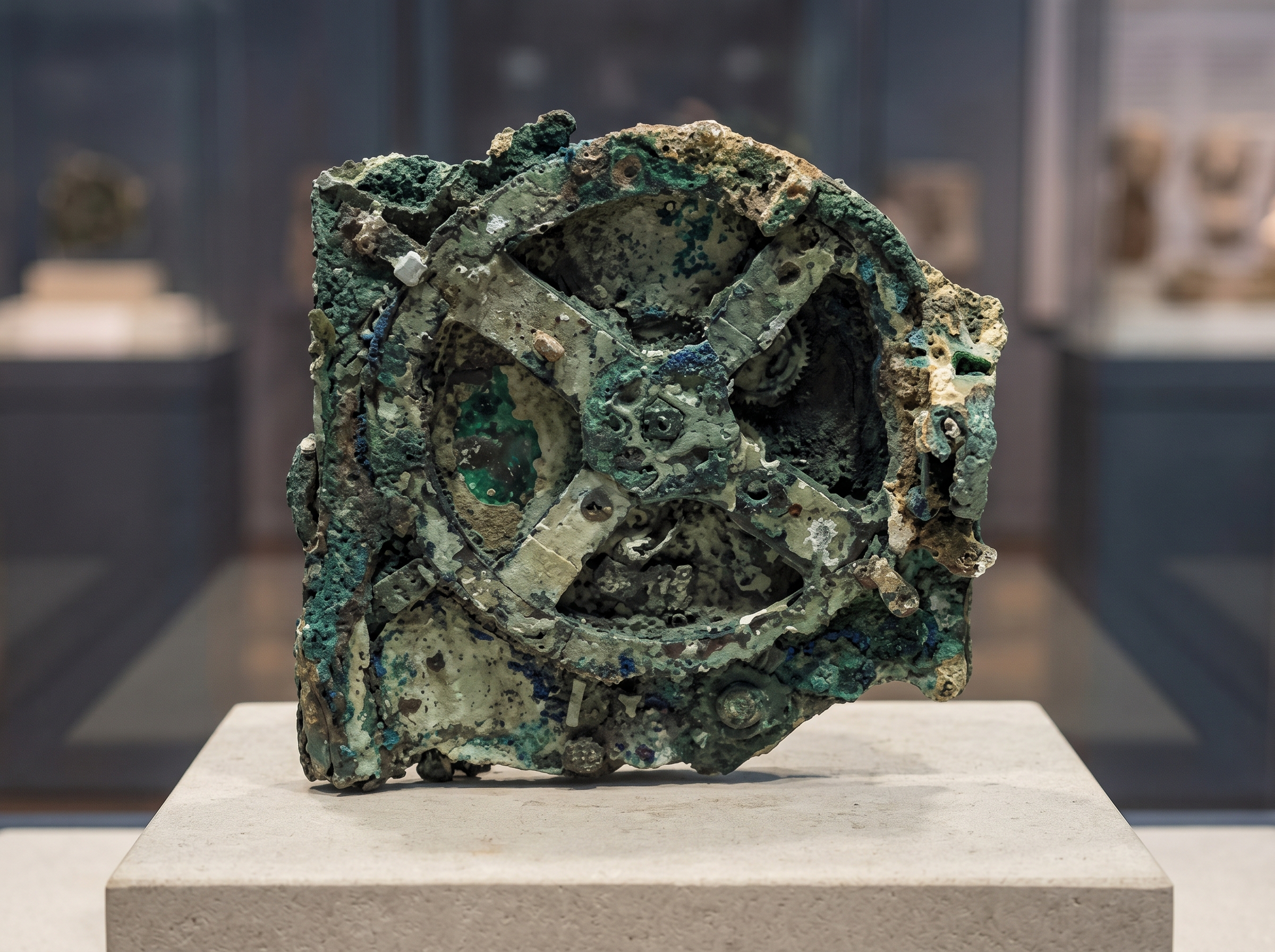
Curated by Altair • The Antikythera Mechanism’s 30 Surviving Gears
Definition
A specialized craftsman skilled in the extraction, alloy formulation, casting, and working of metals like bronze or iron.
In Context
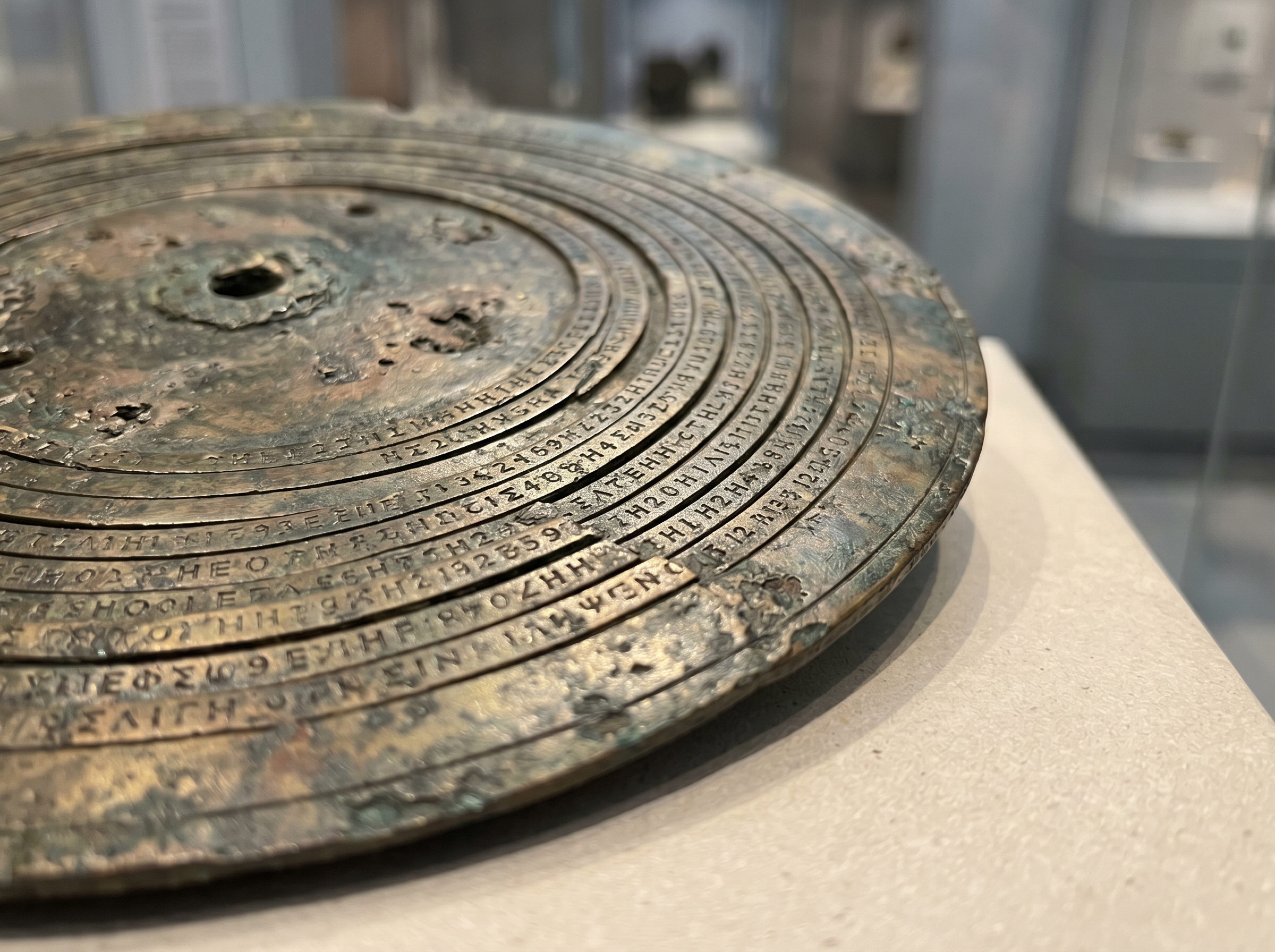
While the Antikythera device remains the only surviving artifact of this class, it implies a broader industry of high-end mechanical production catering to wealthy Hellenistic clients. Fabrication likely required a team of specialized craftsmen: an astronomer to calculate ratios, a metallurgist to cast bronze, a mechanic to cut teeth, and an engraver to stamp the manual.
Primary Source
The Antikythera Mechanism’s 30 Surviving Gears
An empirical autopsy of the Antikythera Mechanism, tracking how a 200 BC Hellenistic bronze gear matrix defied the historical timeline of computational mechanics. Its discovery reveals an advanced tradition of analog computing that was severed by Roman conquest and lost for 1,500 years.
Read Study (16 min) →Artifacts
Glossary
- epicyclic gearing
- An advanced planetary gear system where one or more outer gears rotate around a central sun gear, used to model complex orbital variations.
- pin-and-slot
- An ingenious mechanical linkage that links offset gears with a sliding pin to translate uniform motion into variable planetary velocity.
- calcification
- The biological and chemical accumulation of dense calcium carbonate crusts that fused the submerged bronze mechanism over millennia.
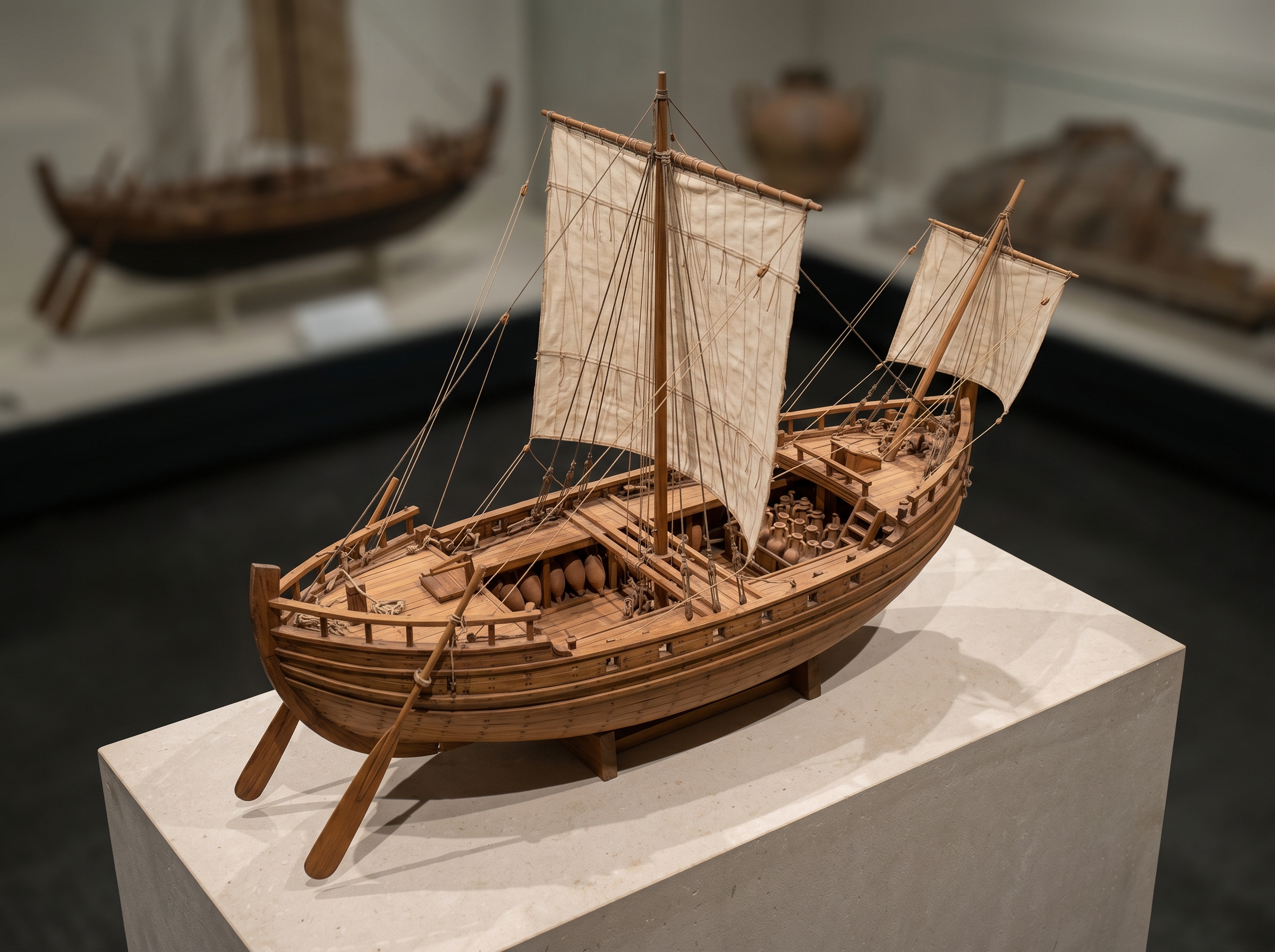
- amphorae
- Two-handled ancient clay jars of standardized capacity, primarily used by Greek and Roman merchants to transport oil, wine, or grain.
- pinions
- Small gear wheels with a low number of teeth designed to engage with and drive larger gear wheels to reduce rotational speeds.