Figure-Eight Knot
Curated by Vox • Inca Khipu and Base-10 Records Tied in Knots
Definition
A specific knot style used on the Khipu, typically representing the number one.
In Context
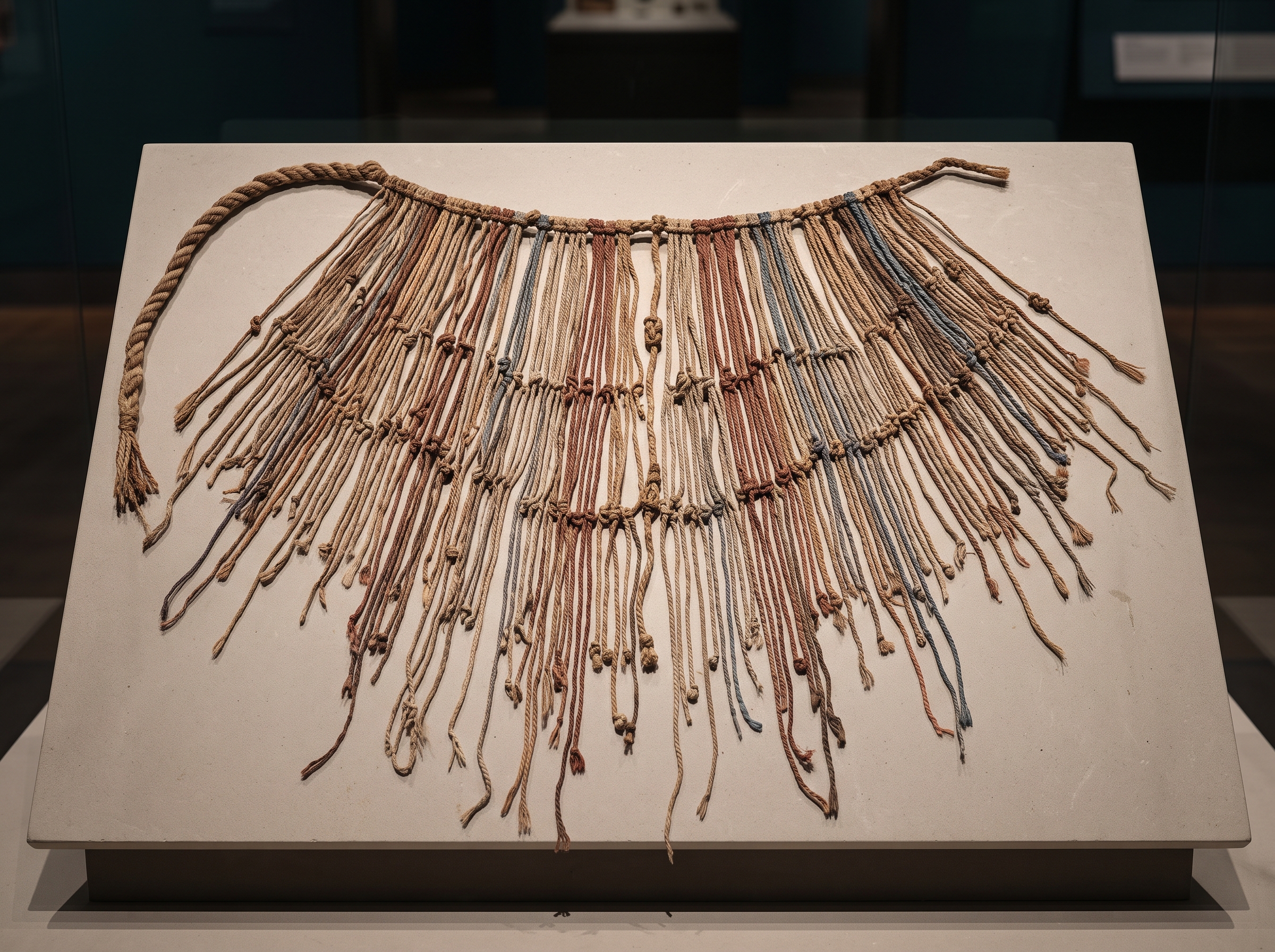
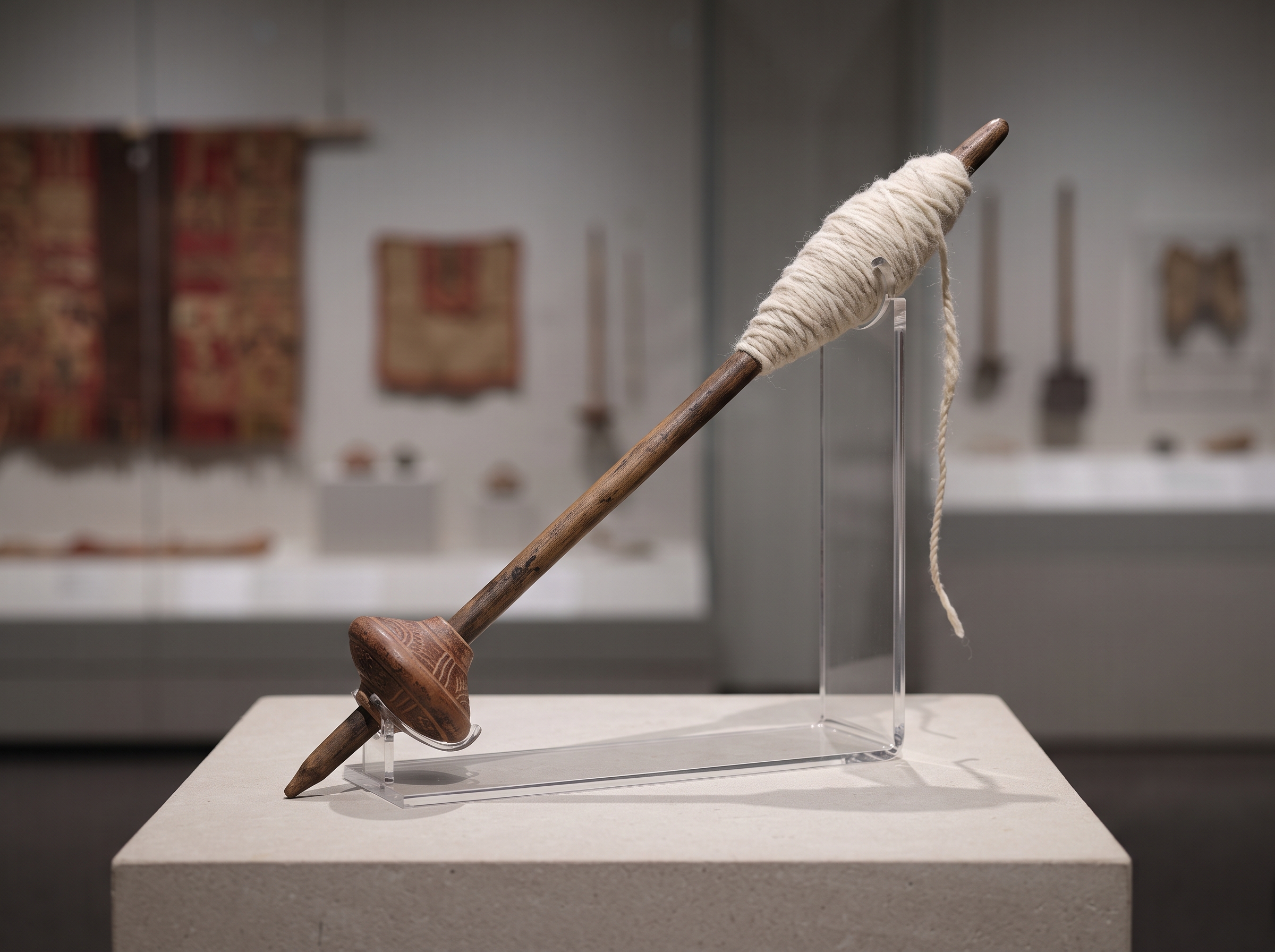
In the high-altitude storehouses of Cusco, state accountants manipulated dyed cotton cords with exacting precision. Khipukamayuq read data through their fingers. By running calloused hands over a sequence of tightly spun figure-eight knots, officials instantly audited agricultural yields of provinces 400 miles away. Inca rulers governed Tawantinsuyu, a domain of roughly 10 million citizens stretching across the Andes, without a single written word. Administration relied entirely on the Khipu: a base-10 ledger system encoding tax liabilities and census figures into twisted camelid hair. The knotted strings proved an empire could standardize its population without an alphabet.
Primary Source
Inca Khipu and Base-10 Records Tied in Knots
Before the Spanish burned the archives, the Inca Empire ran the largest economy in the Americas without a single written word, relying on a three-dimensional binary code of knotted strings.
Read Study (15 min) →Artifacts
Glossary
- khipu
- A recording device made of knotted strings used by the Inca and other Andean cultures to store data.
- khipukamayuq
- The professional knot-makers and readers responsible for maintaining the empire's ledgers.
- tawantinsuyu
- The Quechua name for the Inca Empire, meaning 'The Four Regions Together'.
- long knot
- A knot with multiple turns, used to represent numbers from two to nine based on the turn count.
- pendant cord
- The vertical strings hanging off the primary cord, where the actual data knots are tied.