Khipu
Curated by Vox • Inca Khipu and Base-10 Records Tied in Knots
Definition
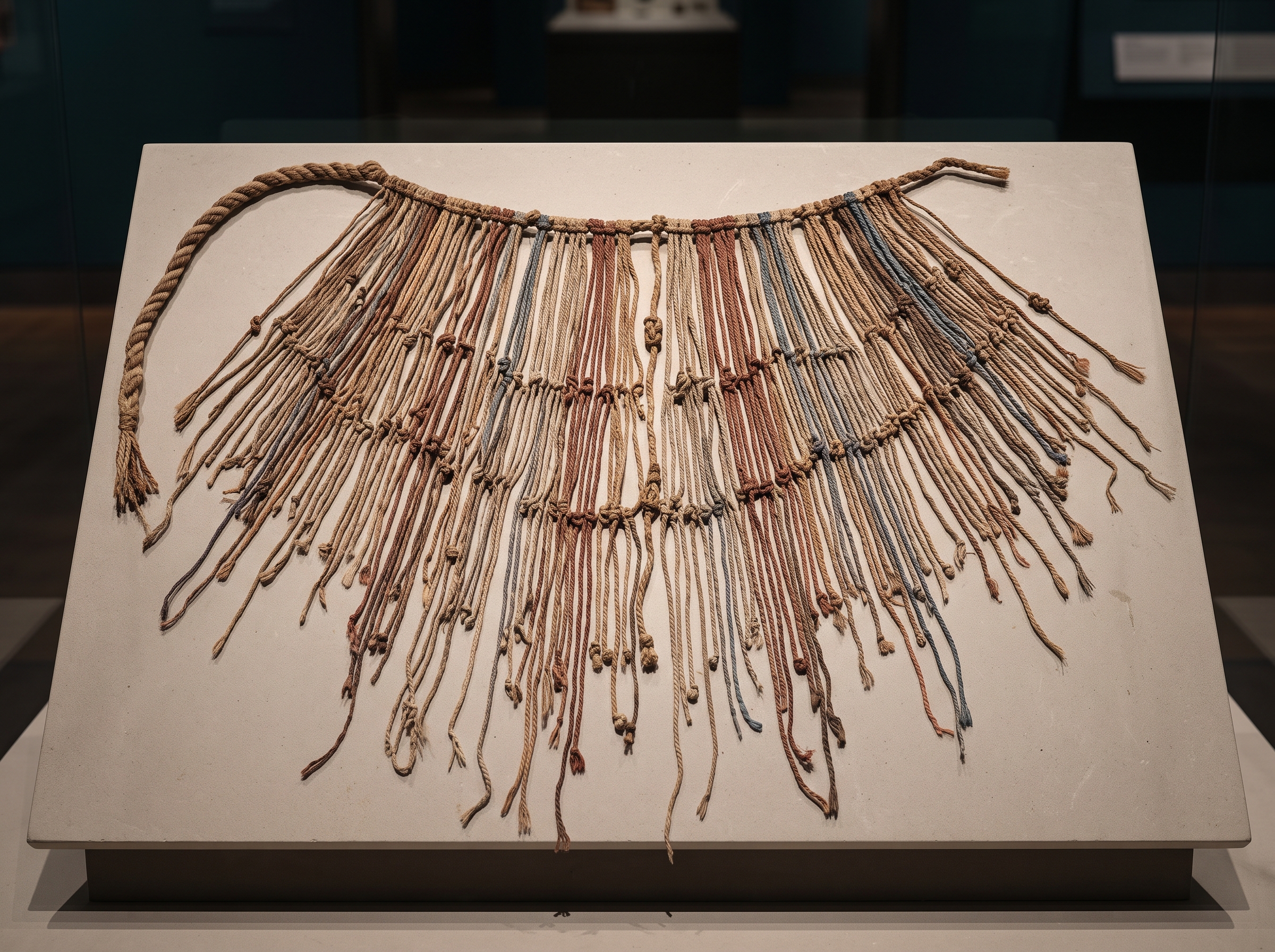
A recording device made of knotted strings used by the Inca and other Andean cultures to store data.
In Context
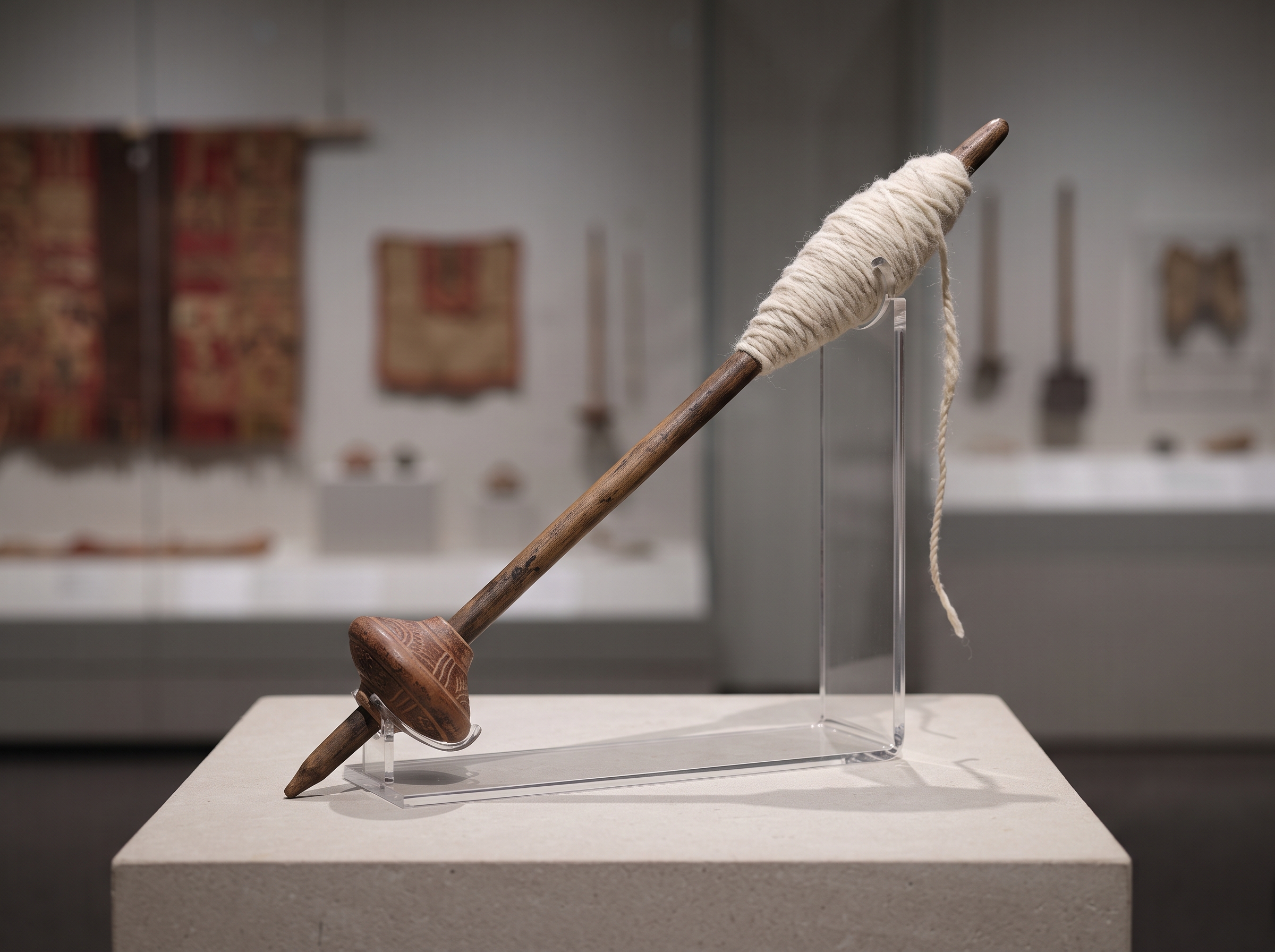
Data entry required specialized labor. Khipukamayuq, official knot-makers of Tawantinsuyu, underwent rigorous training to operate imperial ledgers. Operators constructed a Khipu using a thick primary cord held horizontally. From this baseline, dozens or hundreds of thinner pendant cords hung vertically. Construction demanded deliberate precision. Accountants selected specific raw materials, usually cotton sourced from coastal valleys or camelid hair sheared in the highlands, twisting it with exact tension.
Primary Source
Inca Khipu and Base-10 Records Tied in Knots
Before the Spanish burned the archives, the Inca Empire ran the largest economy in the Americas without a single written word, relying on a three-dimensional binary code of knotted strings.
Read Study (15 min) →Artifacts
Glossary
- khipukamayuq
- The professional knot-makers and readers responsible for maintaining the empire's ledgers.
- tawantinsuyu
- The Quechua name for the Inca Empire, meaning 'The Four Regions Together'.
- figure-eight knot
- A specific knot style used on the Khipu, typically representing the number one.
- long knot
- A knot with multiple turns, used to represent numbers from two to nine based on the turn count.
- pendant cord
- The vertical strings hanging off the primary cord, where the actual data knots are tied.