Gutta-Percha
Curated by Vox • The 1858 Atlantic Telegraph Cable’s Three-Week Signal
Definition
A rigid, natural latex harvested from trees in Southeast Asia. It becomes highly malleable in hot water and acts as an exceptional electrical insulator.
In Context
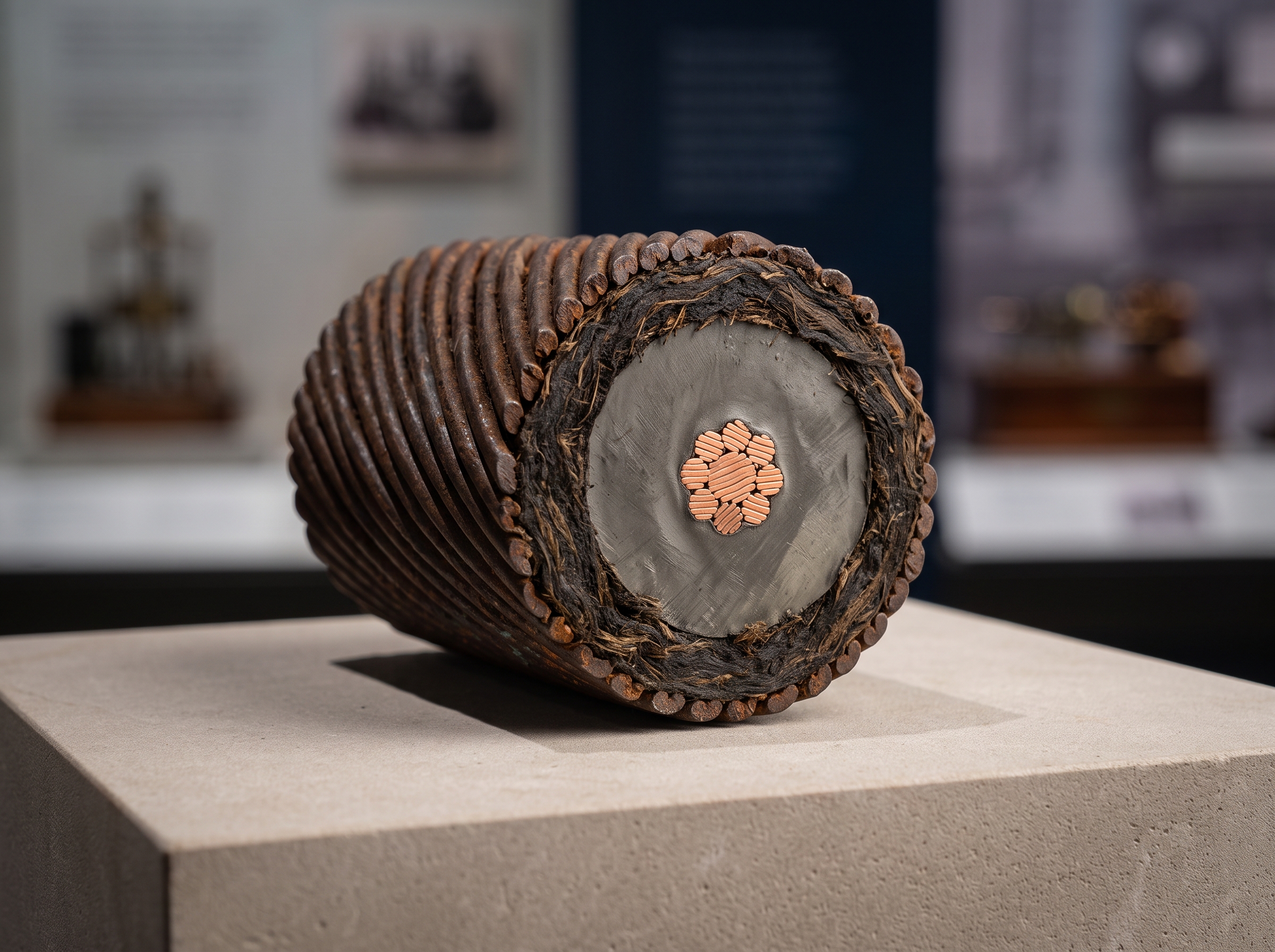
Isolating the electrical charge from the crushing depths of the Atlantic required a highly specific barrier. European engineers turned to the distant jungles of Southeast Asia to solve the insulation problem. Gutta-percha is a dense, rigid latex harvested from trees in the Malay Archipelago. Unlike rubber, it becomes highly pliable when heated in hot water and solidifies into a tough, waterproof casing when cooled. Manufacturers encased seven strands of pure copper wire within thick layers of this exotic material. Workers wrapped the entire assembly in heavy iron wire armor, attempting to prevent the fragile core from snapping under its own immense weight during the chaotic deployment process.
Primary Source
The 1858 Atlantic Telegraph Cable’s Three-Week Signal
An analysis of the 1858 transatlantic telegraph cable failure, driven by a catastrophic misunderstanding of oceanic capacitance. By applying 2,000 volts to fragile gutta-percha insulation, engineers melted the protective casing and allowed seawater to instantly ground the current.
Read Study (18 min) →Artifacts
Glossary
- retardation
- The distortion and smearing of an electrical signal over long distances, caused by the capacitance of the cable acting like a giant battery.
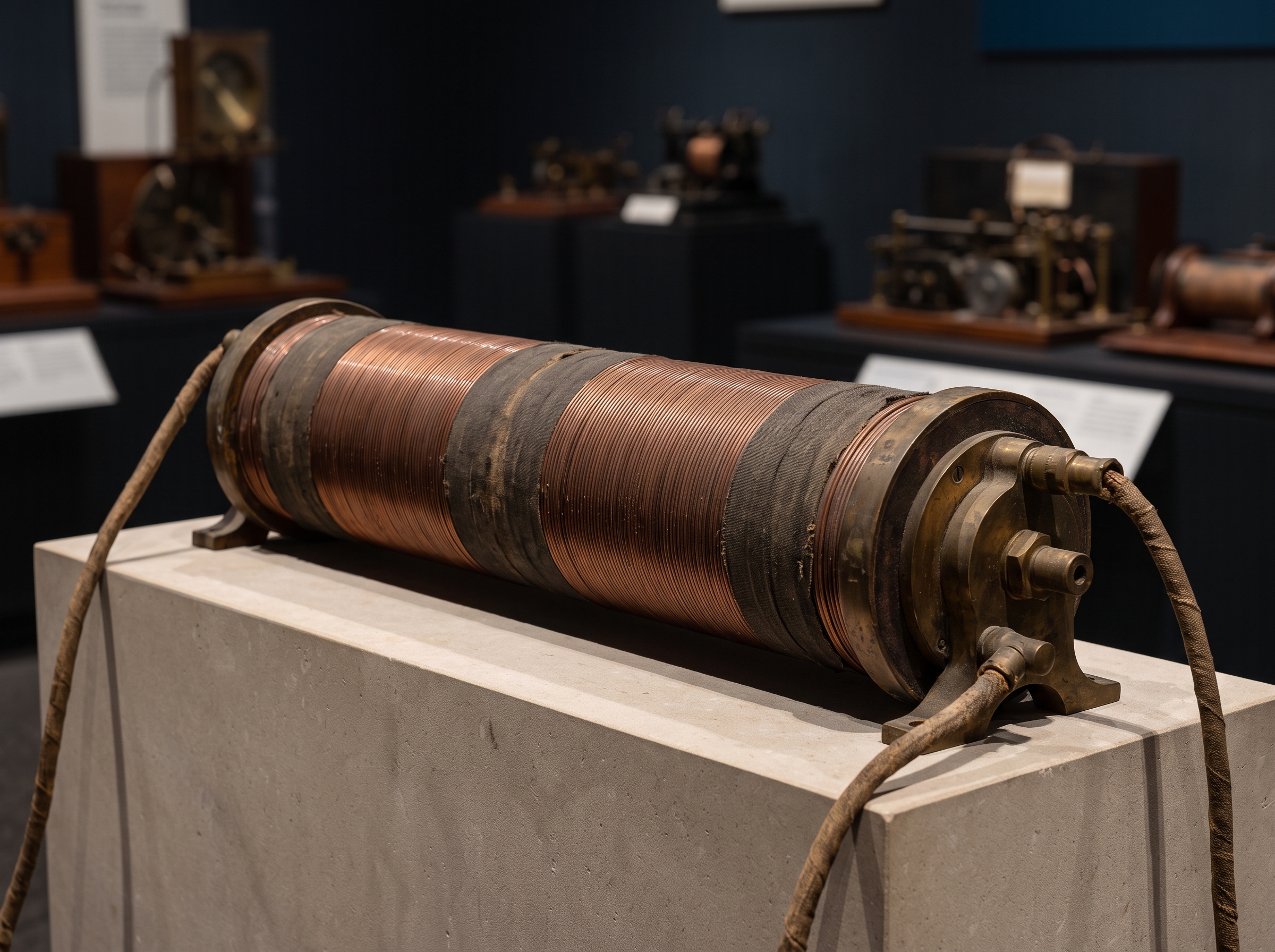
- induction coil
- An electrical transformer used to produce high-voltage pulses from a low-voltage direct current supply.
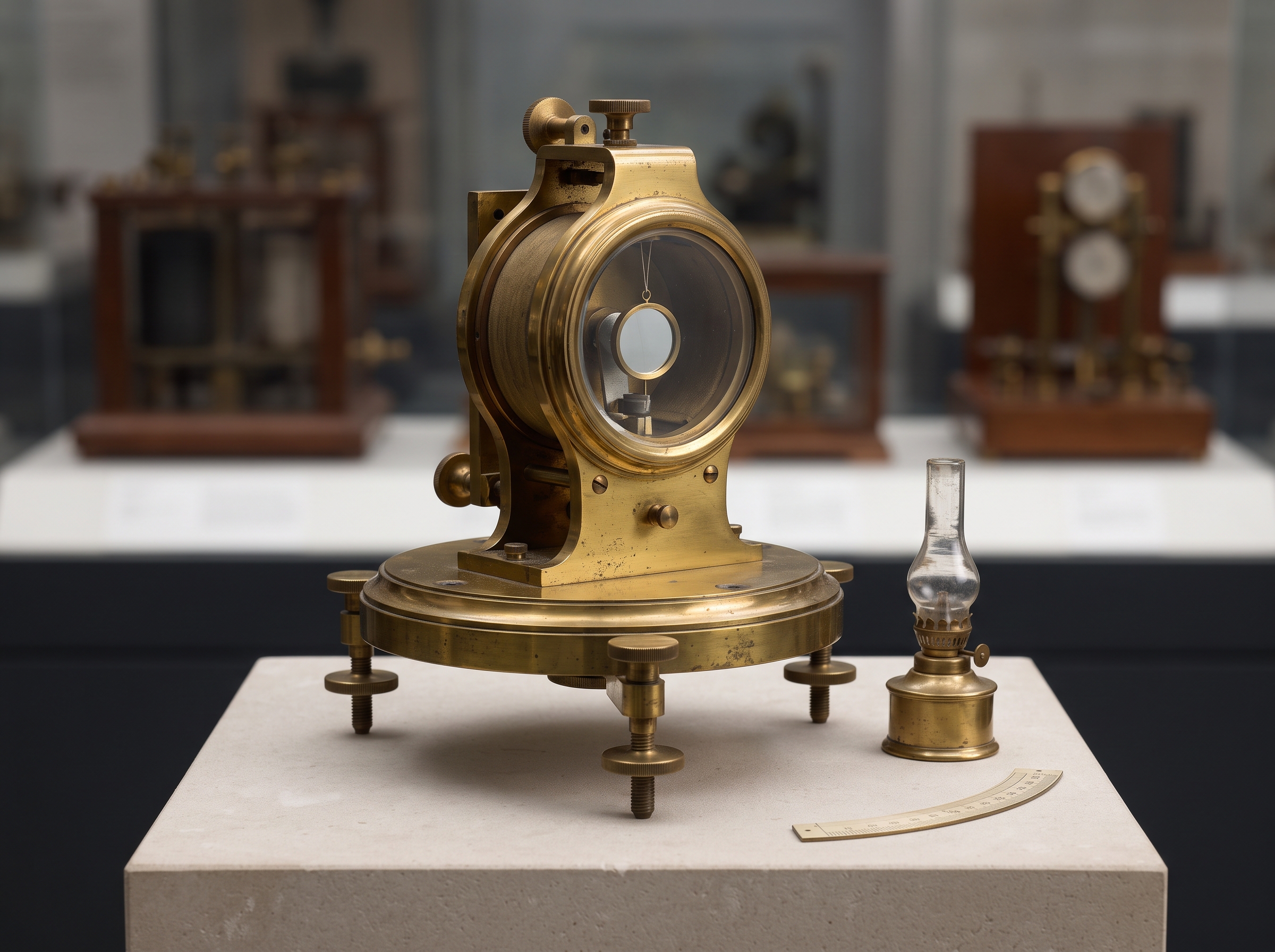
- mirror galvanometer
- An instrument designed to detect incredibly weak electrical currents by reflecting a beam of light off a tiny mirror suspended by silk thread.
- attenuation
- The gradual loss of flux intensity through a medium. In telegraphy, the weakening of the electrical current as it travels through thousands of miles of copper.
- capacitance
- The ability of a system to store an electric charge. The Atlantic Ocean surrounding the cable amplified the capacitance, profoundly delaying the signal.