Logos
Curated by Vera • Marcus Aurelius Writing Meditations on the Danube
Definition
The rational, divine principle and active animating reason that governs and structures the entire cosmos in Stoic cosmology.
In Context
Deep belief in Logos, the rational and divine order of the universe, anchored his perspective. Stoics viewed the cosmos as a single living organism. Every event, from the movement of stars to a sudden ambush in a German forest, formed a necessary part of this interconnected whole. Philosophers called this doctrine sympatheia.
Primary Source
Marcus Aurelius Writing Meditations on the Danube
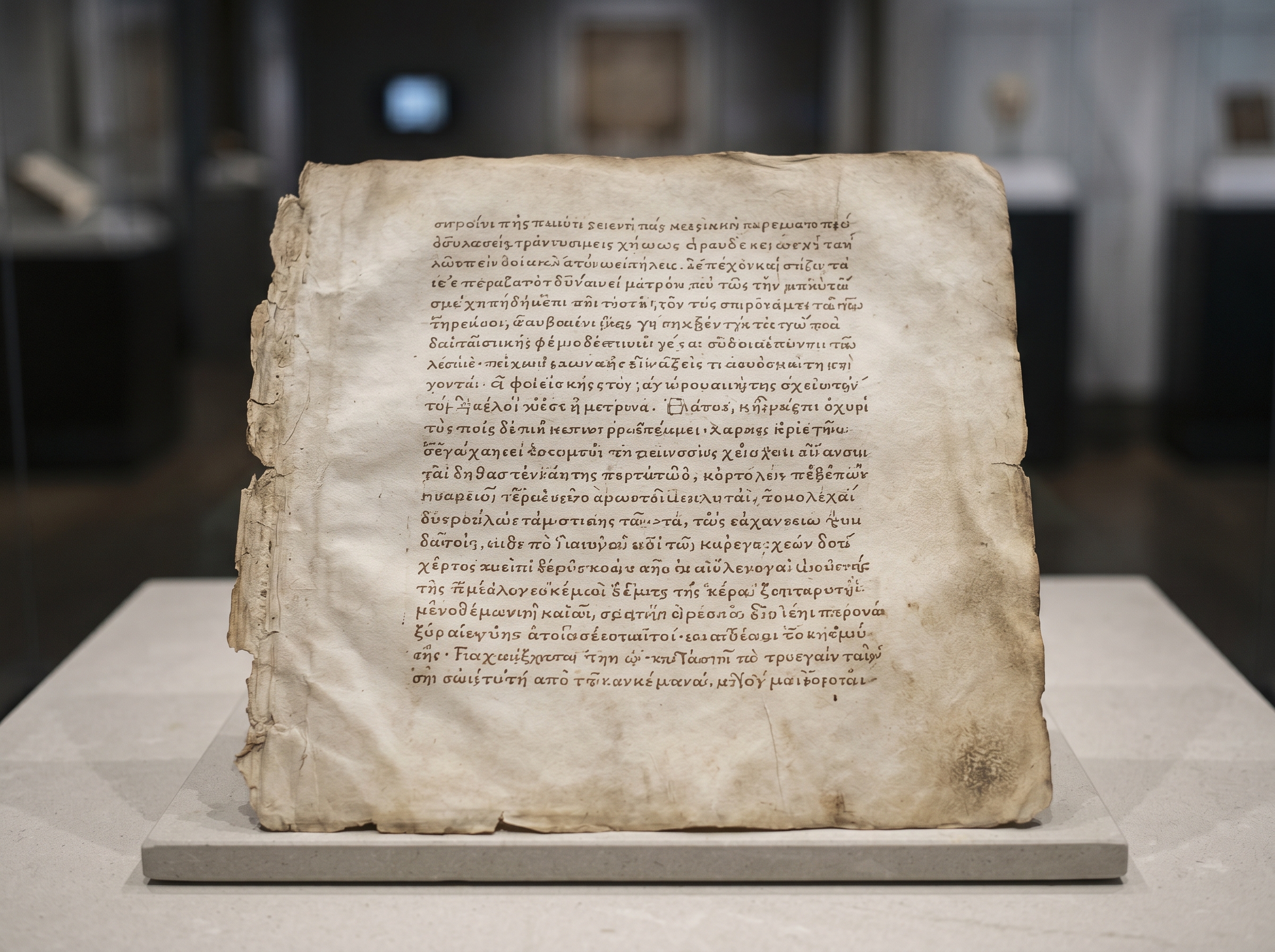
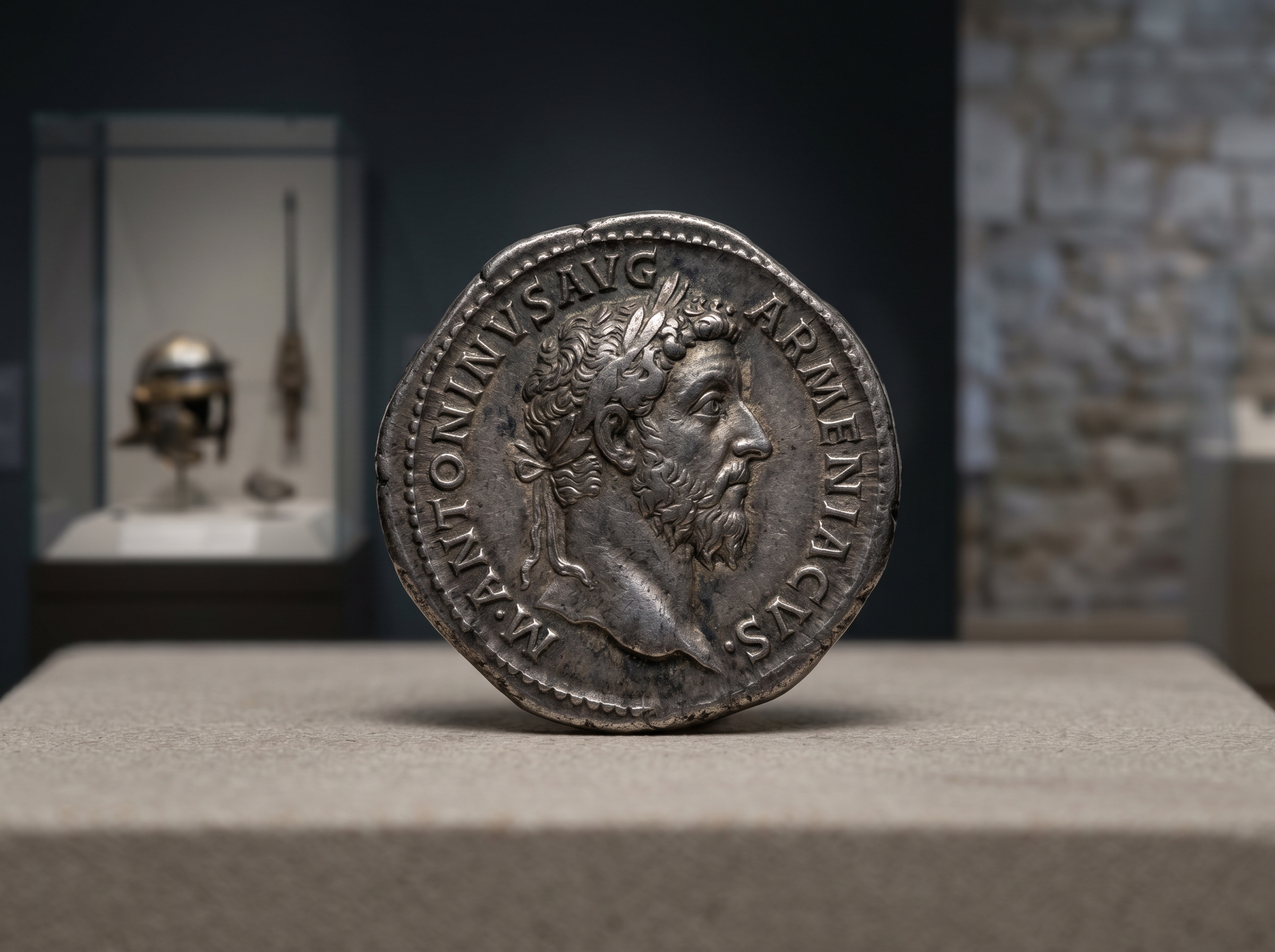
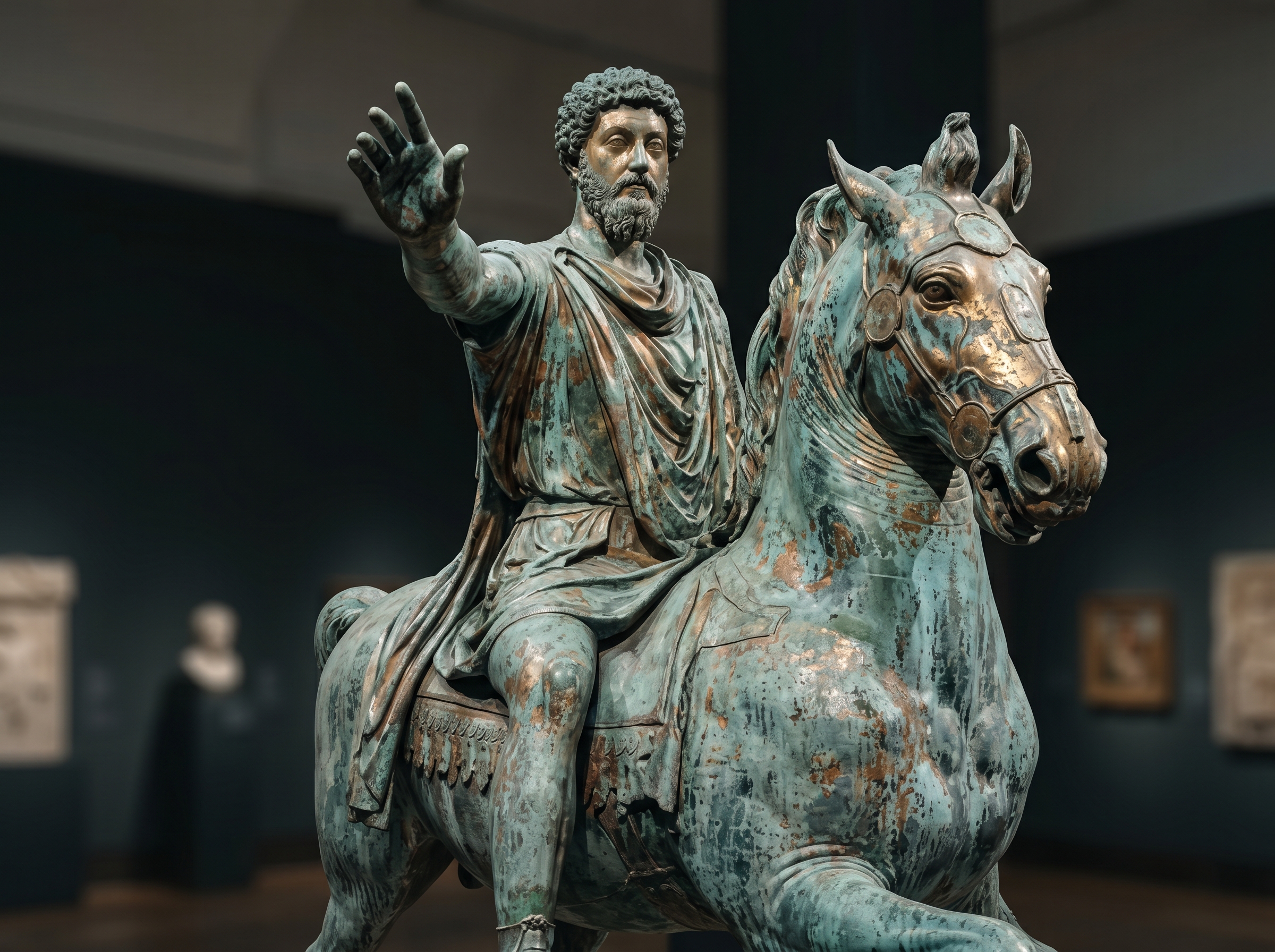
Trapped in a freezing military tent on the Danubian frontier, Marcus Aurelius wrote the Meditations as a psychological survival manual against the crushing weight of supreme power. This is an analysis of how the emperor utilized Stoic exercises to endure plague, treason, and a brutal decade-long border war.
Read Study (17 min) →Artifacts
Glossary
- hegemonikon
- The Stoic concept of the 'ruling faculty' or rational mind—the inner citadel of reasoned judgment that remains invulnerable to external turmoil.
- amor fati
- The philosophical mindset of actively loving and embracing every unfolding event and hardship as necessary, purposeful, and woven into destiny.
- sympatheia
- The Stoic doctrine of cosmic mutual interdependence, holding that all parts of the universe are organically interwoven into a single living whole.
- Carnuntum
- A major Roman legionary fortress and headquarters on the Danube in Pannonia Superior, where Marcus Aurelius composed Book 2 of the Meditations.
- Epictetus
- The prominent Greek Stoic philosopher and emancipated slave whose practical discourses on control and judgment profoundly shaped Marcus Aurelius's worldview.