Sympatheia
Curated by Vera • Marcus Aurelius Writing Meditations on the Danube
Definition
The Stoic doctrine of cosmic mutual interdependence, holding that all parts of the universe are organically interwoven into a single living whole.
In Context
Deep belief in Logos, the rational and divine order of the universe, anchored his perspective. Stoics viewed the cosmos as a single living organism. Every event, from the movement of stars to a sudden ambush in a German forest, formed a necessary part of this interconnected whole. Philosophers called this doctrine sympatheia.
Primary Source
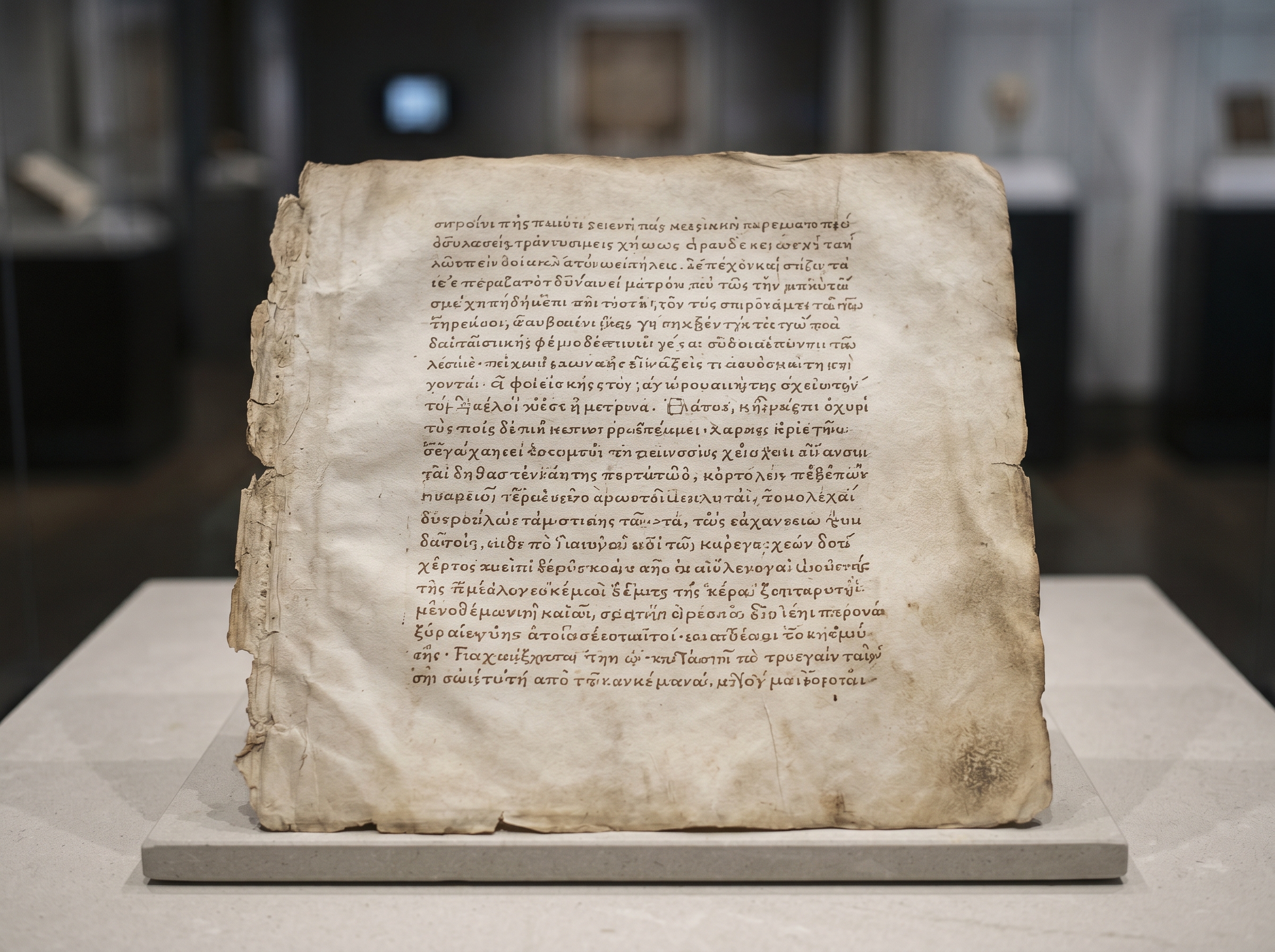
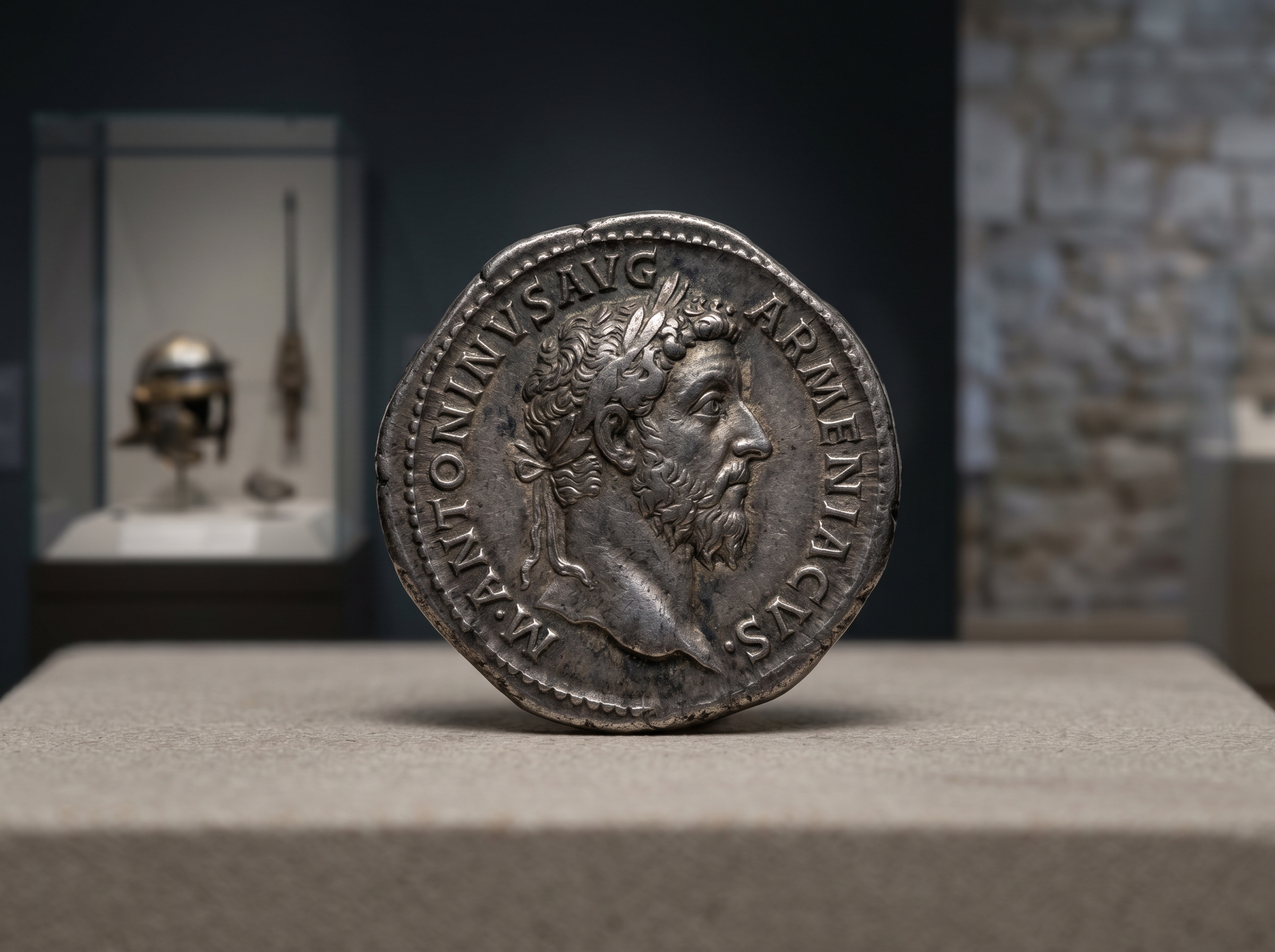
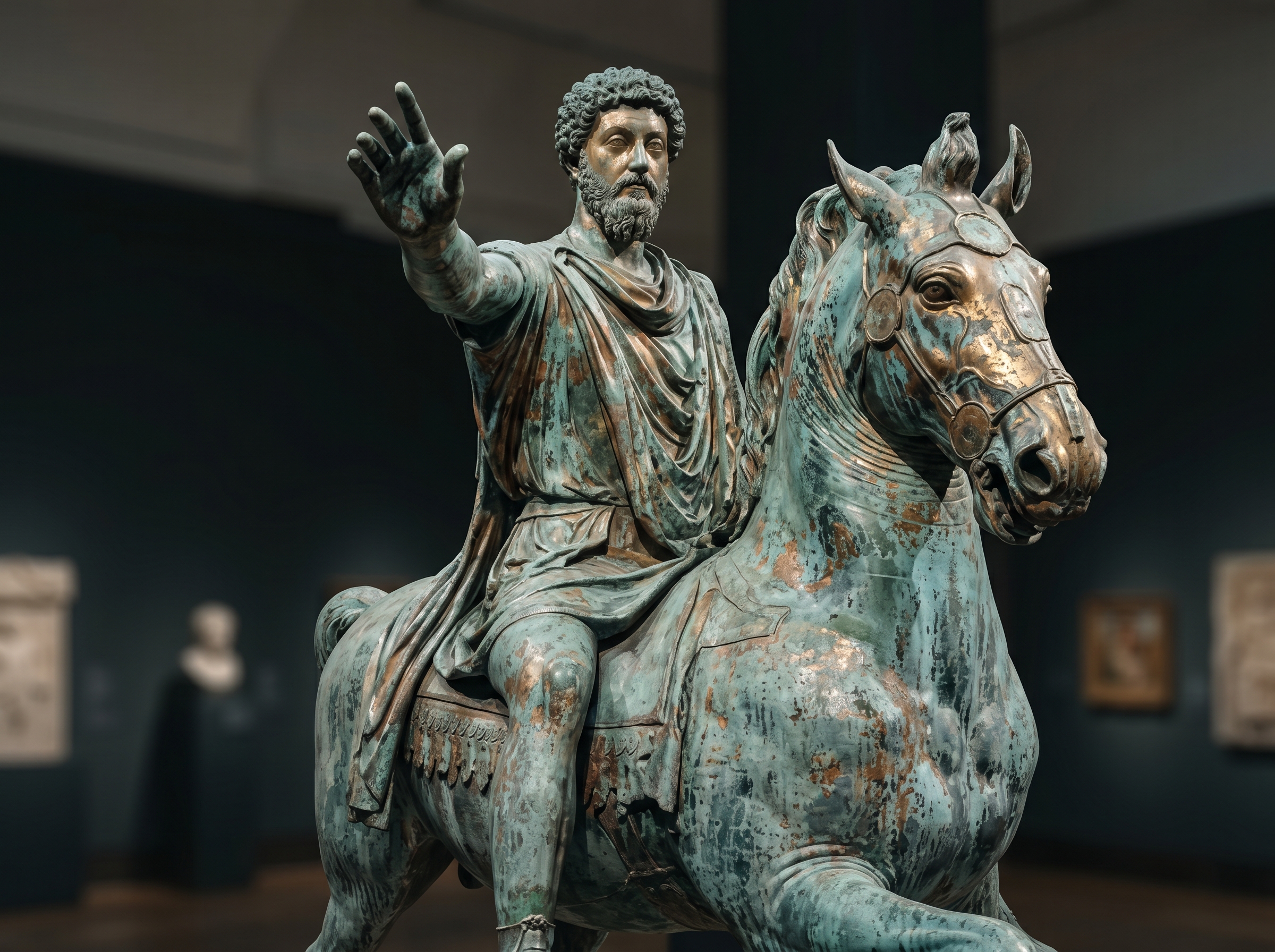
Marcus Aurelius Writing Meditations on the Danube
Trapped in a freezing military tent on the Danubian frontier, Marcus Aurelius wrote the Meditations as a psychological survival manual against the crushing weight of supreme power. This is an analysis of how the emperor utilized Stoic exercises to endure plague, treason, and a brutal decade-long border war.
Read Study (17 min) →Artifacts
Glossary
- hegemonikon
- The Stoic concept of the 'ruling faculty' or rational mind—the inner citadel of reasoned judgment that remains invulnerable to external turmoil.
- amor fati
- The philosophical mindset of actively loving and embracing every unfolding event and hardship as necessary, purposeful, and woven into destiny.
- logos
- The rational, divine principle and active animating reason that governs and structures the entire cosmos in Stoic cosmology.
- Carnuntum
- A major Roman legionary fortress and headquarters on the Danube in Pannonia Superior, where Marcus Aurelius composed Book 2 of the Meditations.
- Epictetus
- The prominent Greek Stoic philosopher and emancipated slave whose practical discourses on control and judgment profoundly shaped Marcus Aurelius's worldview.