Pathology
Curated by Kairo • Unit 731 and Japan’s Human Experiments in Manchuria
Definition
The medical study of the causes and effects of diseases, inverted by military researchers to map lethal tissue damage and organize offensive biological strategies.
In Context
This linguistic shift neutralized moral hesitation among the highly educated staff. Doctors trained by the Hippocratic oath to heal now severed limbs without anesthesia, observing the resulting hemorrhagic shock in real time to measure exact blood loss thresholds. Vivisections were routinely performed on conscious subjects to prevent sedatives or anesthetics from skewing the pathology of living organs. By legally defining the subjects as inanimate resources, the medical staff operated with clinical detachment.
Primary Source
Unit 731 and Japan’s Human Experiments in Manchuria
An empirical analysis of Unit 731, where the Imperial Japanese Army inverted the Hippocratic oath, utilizing lethal human experimentation for biological warfare.
Read Study (16 min) →Artifacts

Glossary
- vivisection
- The surgical dissection or operation on live human subjects, performed without anesthesia to observe unaltered physiological responses to trauma or infection.
- yersinia pestis
- The Gram-negative, rod-shaped bacterium responsible for the bubonic plague, mass-cultivated by military scientists for vector dissemination.
- maruta
- The dehumanizing administrative code term, meaning 'logs' in Japanese, used by researchers to designate human subjects targeted for lethal experimentation.
- uji bomb
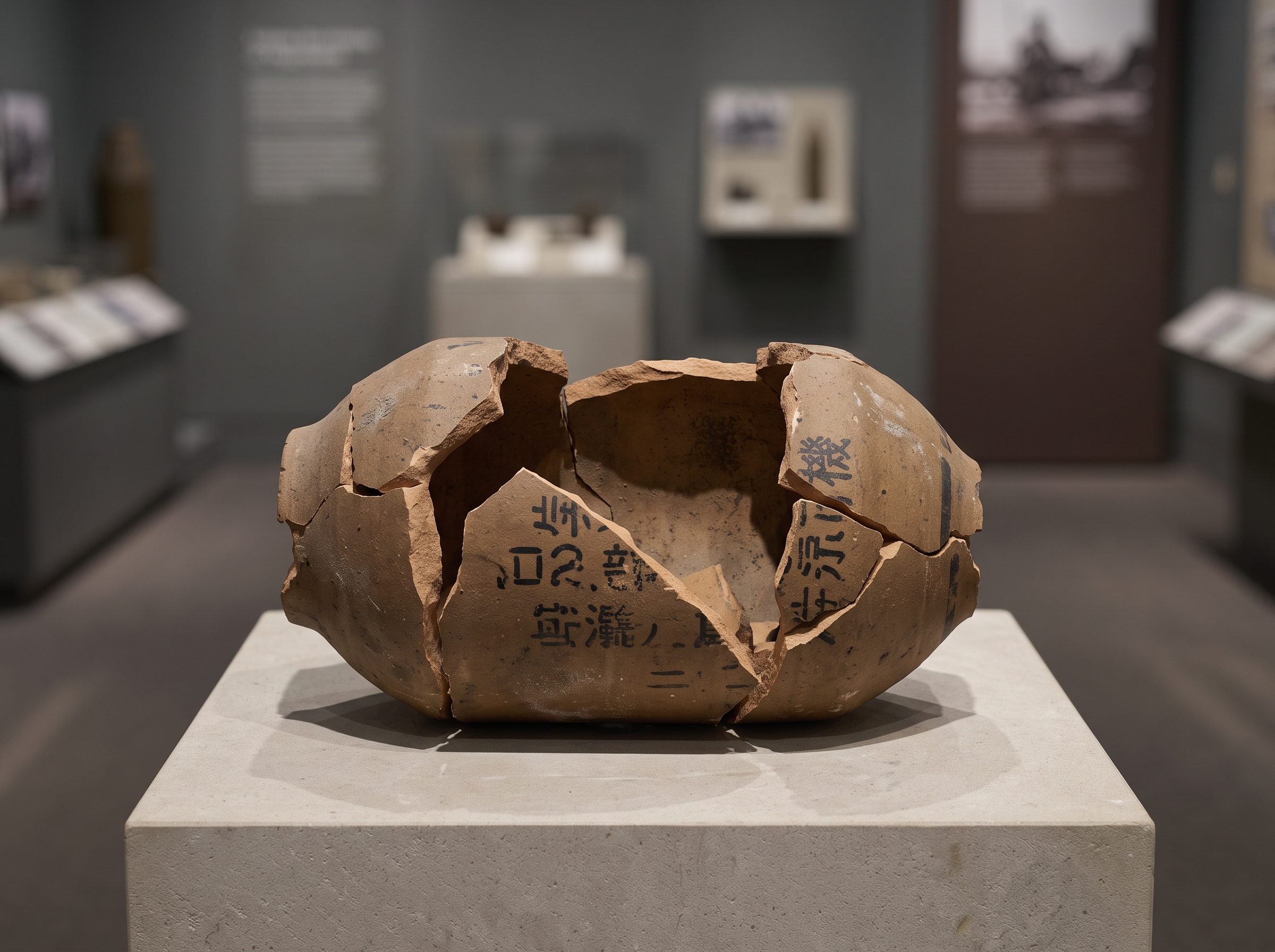
- A specialized munition featuring a thin porcelain casing designed to disperse disease vectors at low altitudes without the incinerating heat of conventional metal shells.
- frostbite testing
- The systematic exposure of human limbs to sub-zero temperatures, followed by striking the frozen skin with clubs to determine the limits of tissue necrosis and thawing methods.