Proof-of-Work
Curated by Cassian • Bitcoin and the Energy Cost of Proof of Work
Definition
A decentralized consensus mechanism that requires nodes to perform computationally expensive cryptographic tasks to validate transactions and secure the network.
In Context
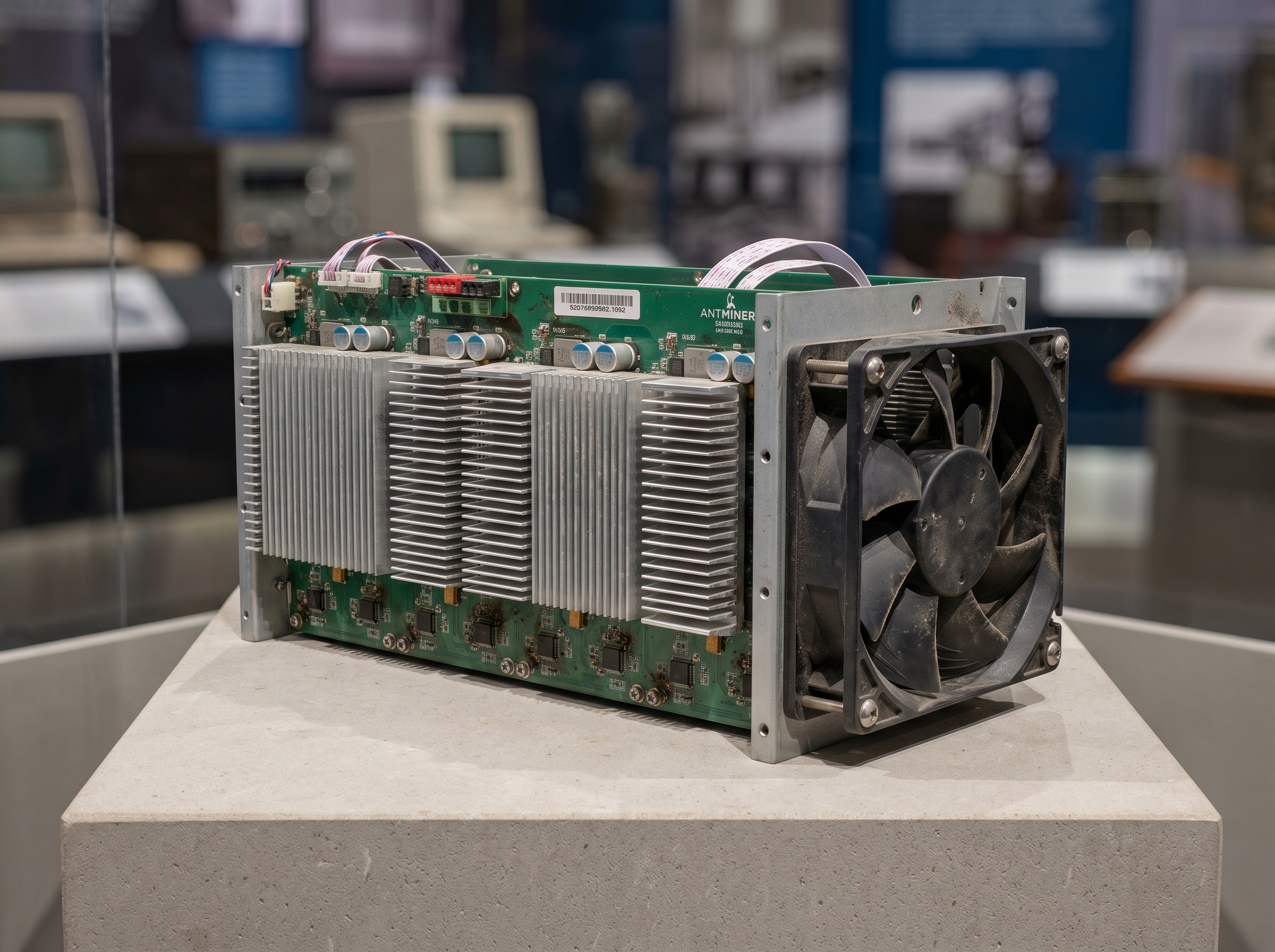
In 1997, a cryptographer named Adam Back created Hashcash to combat email spam. Back's protocol required a sender's computer to solve a computationally expensive mathematical puzzle before dispatching a message. Solving it proved the sender had expended a specific amount of CPU cycles. Sending millions of emails suddenly carried a prohibitive electrical cost. Hashcash introduced the concept of proof-of-work, tethering digital actions directly to real-world energy consumption.
Primary Source
Bitcoin and the Energy Cost of Proof of Work
How a pseudonymous cypherpunk solved the double-spending problem through thermodynamic settlement, bypassing institutional trust to create digital scarcity. By translating physical electrical energy into an immutable cryptographic ledger, the protocol birthed the first asset in human history that can be stored entirely as information.
Read Study (17 min) →Artifacts


Glossary
- double-spending
- A vulnerability in digital cash networks where a single transaction file is duplicated and spent multiple times simultaneously, traditionally requiring a central ledger to prevent.
- nonce
- A temporary arbitrary number ('number used once') iterated by miners to alter the input of a cryptographic hash function until they satisfy the target difficulty.
- difficulty adjustment
- An automated algorithm that recalibrates the required computational effort to mine a block every 2,016 blocks, keeping block creation intervals at exactly 10 minutes.
- private key
- A secret, extremely large cryptographic number that grants absolute control over corresponding digital assets, allowing transactions to be mathematically signed.
- hash rate
- The aggregate computational power of the mining network, measured by the total number of cryptographic hashing calculations executed per second.