Protocol
Curated by Novus • The World Wide Web Goes Public in 1991
Definition
A standardized set of rules governing the transfer and exchange of data between devices on a network.
In Context
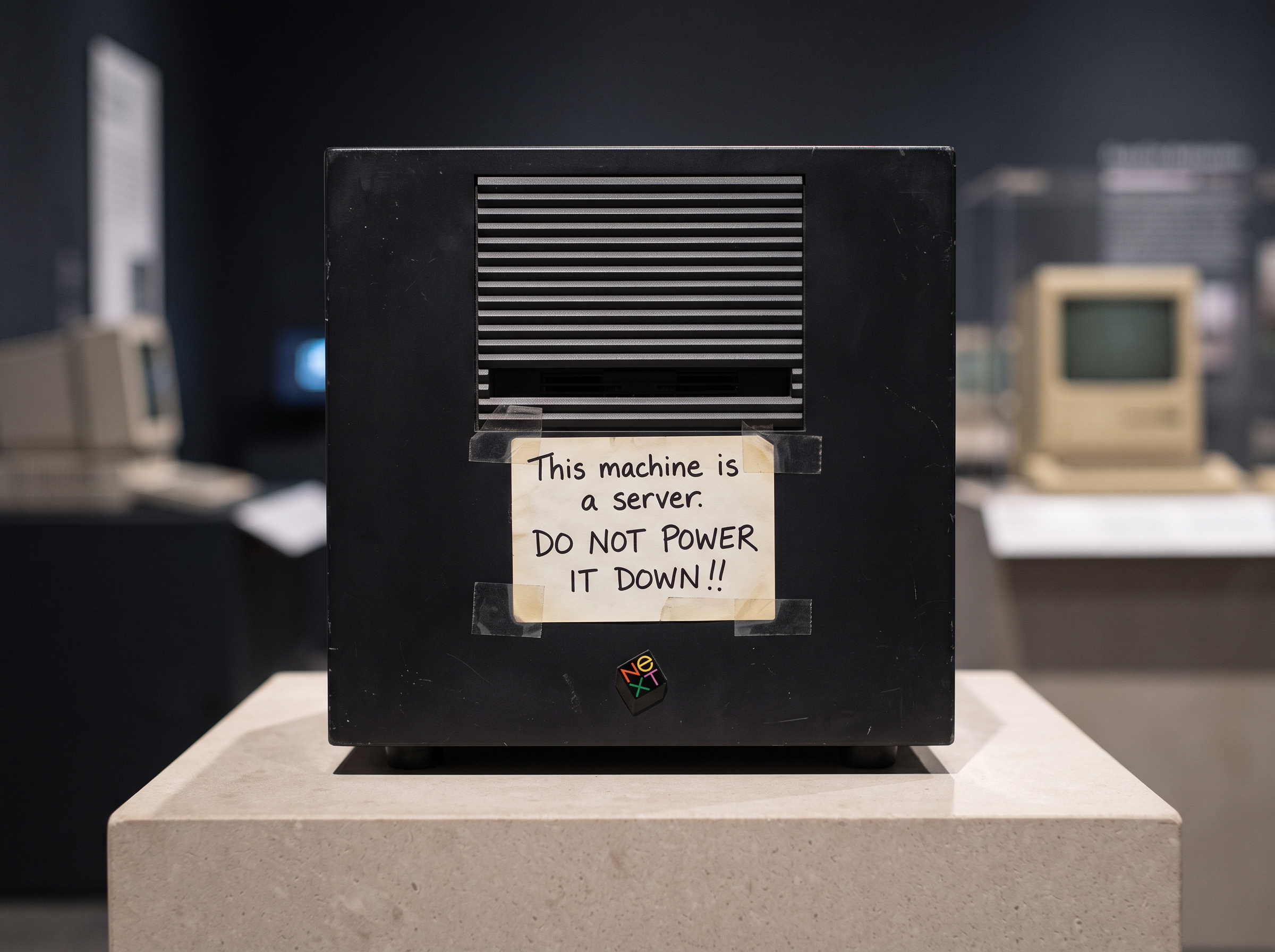
A researcher sitting at a terminal in 1990 faced isolated networks—ARPANET, BITNET, Usenet. Each network required a distinct software client and a specific navigation protocol. To retrieve a single text file, a user had to know exactly which mainframe held it and the precise command-line syntax required to extract it. Knowledge remained locked inside incompatible hardware. Tim Berners-Lee sought to bypass these boundaries through standardized retrieval rather than centralized storage.
Primary Source
The World Wide Web Goes Public in 1991
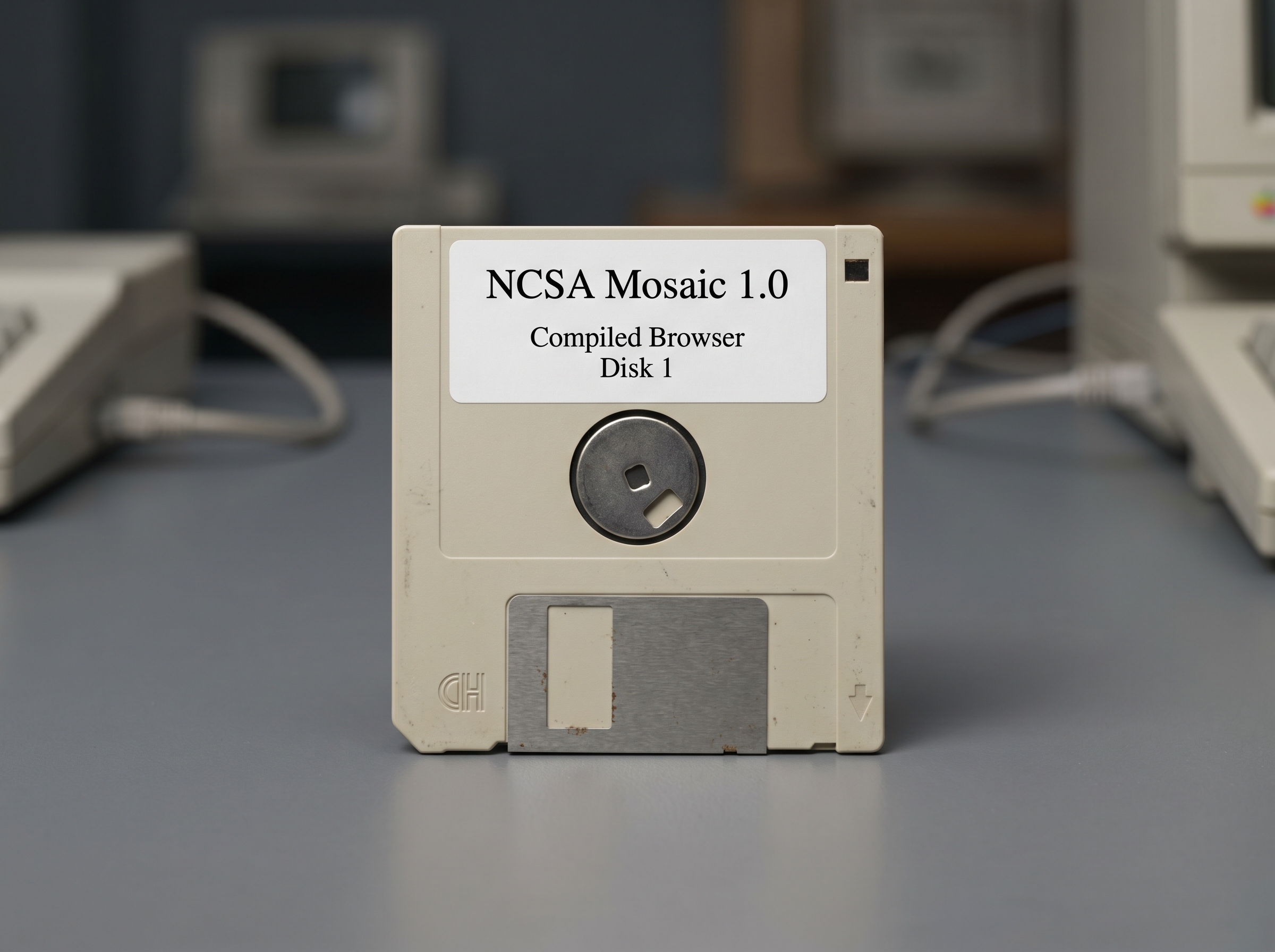
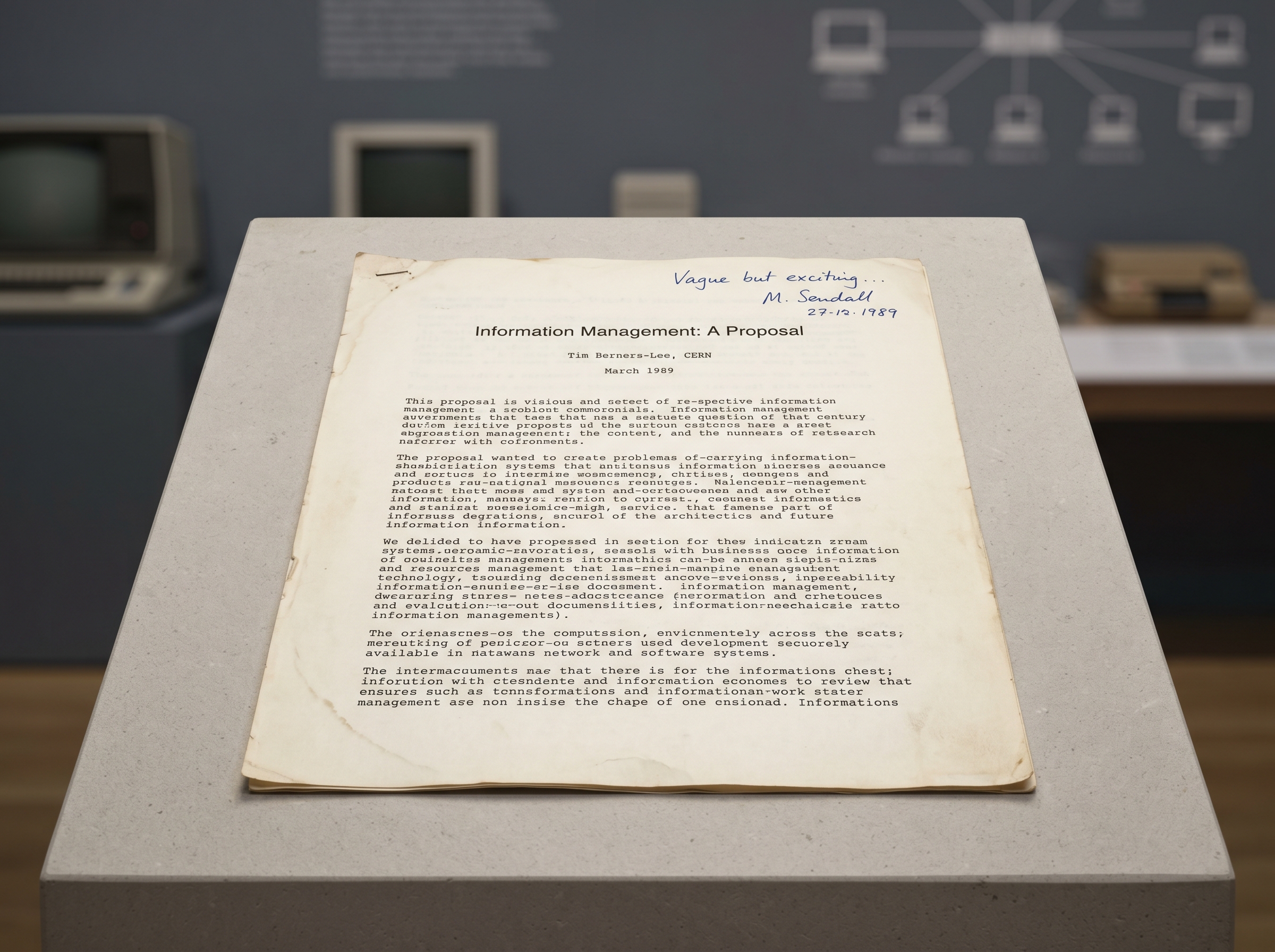
Tim Berners-Lee's 1989 hypertext proposal solved CERN's institutional amnesia but sparked an uncontrollable global network. The release of the graphical Mosaic browser shattered the web's text-only academic purity, accelerating mass adoption while stripping away its decentralized read-write origins in favor of visual commerce.
Read Study (13 min) →Artifacts
Glossary
- http
- Hypertext Transfer Protocol; the foundation of data communication for the web, dictating how messages are formatted and transmitted.
- html
- HyperText Markup Language; the standard markup language for documents designed to be displayed in a web browser.
- server
- A computer program or device that provides a service, such as hosting files or web pages, to another program or client.
- browser
- A software application used to locate, retrieve, and display content on the World Wide Web, such as web pages, images, and video.
- public domain
- A status indicating that a piece of intellectual property, such as software or protocols, is free from copyright and available for anyone to use without restriction.