Rag Paper
Curated by Vox • Paper and the House of Wisdom in Abbasid Baghdad
Definition
Paper made from cotton or linen rags, significantly cheaper and more durable than papyrus or parchment.
In Context
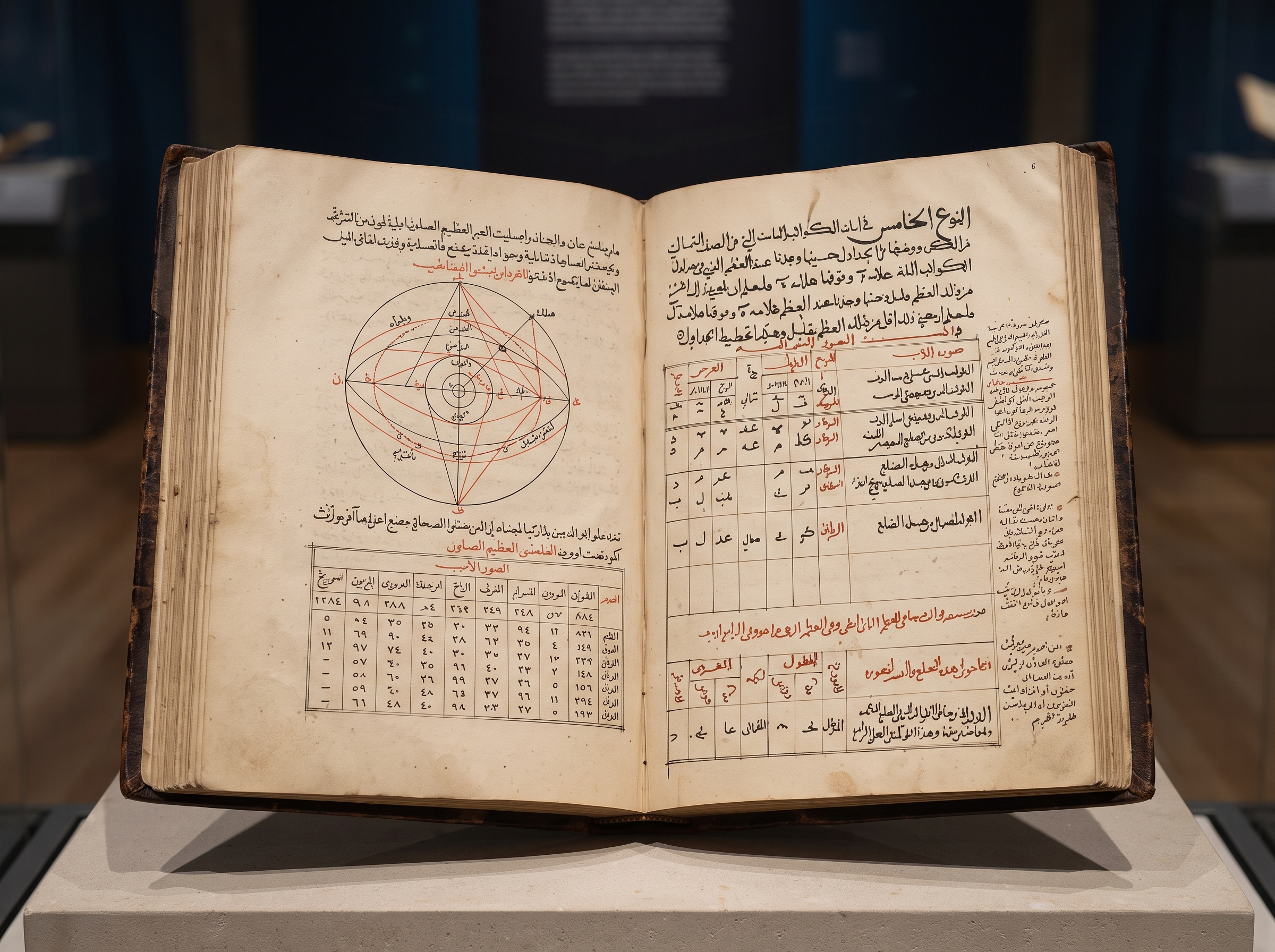
Material scarcity throttled the speed at which the empire could translate texts. Chinese rag paper arrived in the late eighth century, breaking this bottleneck. Made from discarded linen and cotton rags, the new material was vastly cheaper and significantly more durable. Scribes could replicate texts at a fraction of the cost. Adoption of rag paper catalyzed the transformation of Baghdad into a massive replication engine. Paper mills sprang up along the Tigris River, creating a dedicated industrial zone focused solely on the manufacture of books. Material limits, rather than intellectual desire, dictated the velocity of this expansion.
Primary Source
Paper and the House of Wisdom in Abbasid Baghdad
An analysis of how the Abbasid Caliphate weaponized the translation of ancient texts to build an unrivaled information monopoly. By systematically ingesting foreign data into the Bayt al-Hikmah, the state transformed intellectual curiosity into a tool of bureaucratic control.
Read Study (16 min) →Artifacts
Glossary
- bayt al-hikmah
- The 'House of Wisdom'; a major intellectual center, library, and translation institute in Abbasid Baghdad.
- translation movement
- The state-sponsored effort to translate secular Greek, Persian, and Indian texts into Arabic.
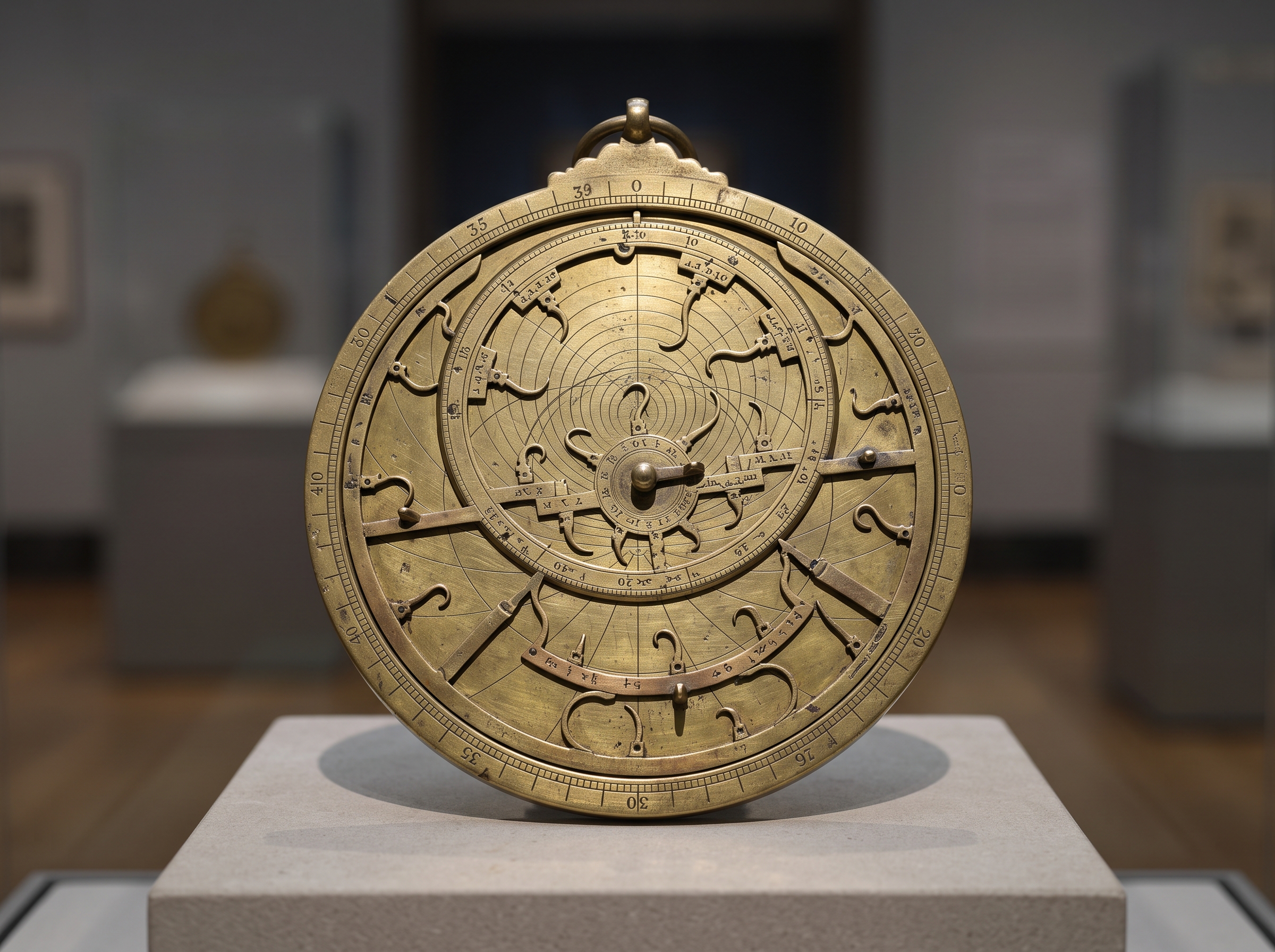
- astrolabe
- An intricate analog calculator used for solving problems relating to time and the position of the Sun and stars.
- almagest
- A second-century mathematical and astronomical treatise by Ptolemy, acting as the definitive model of celestial mechanics.
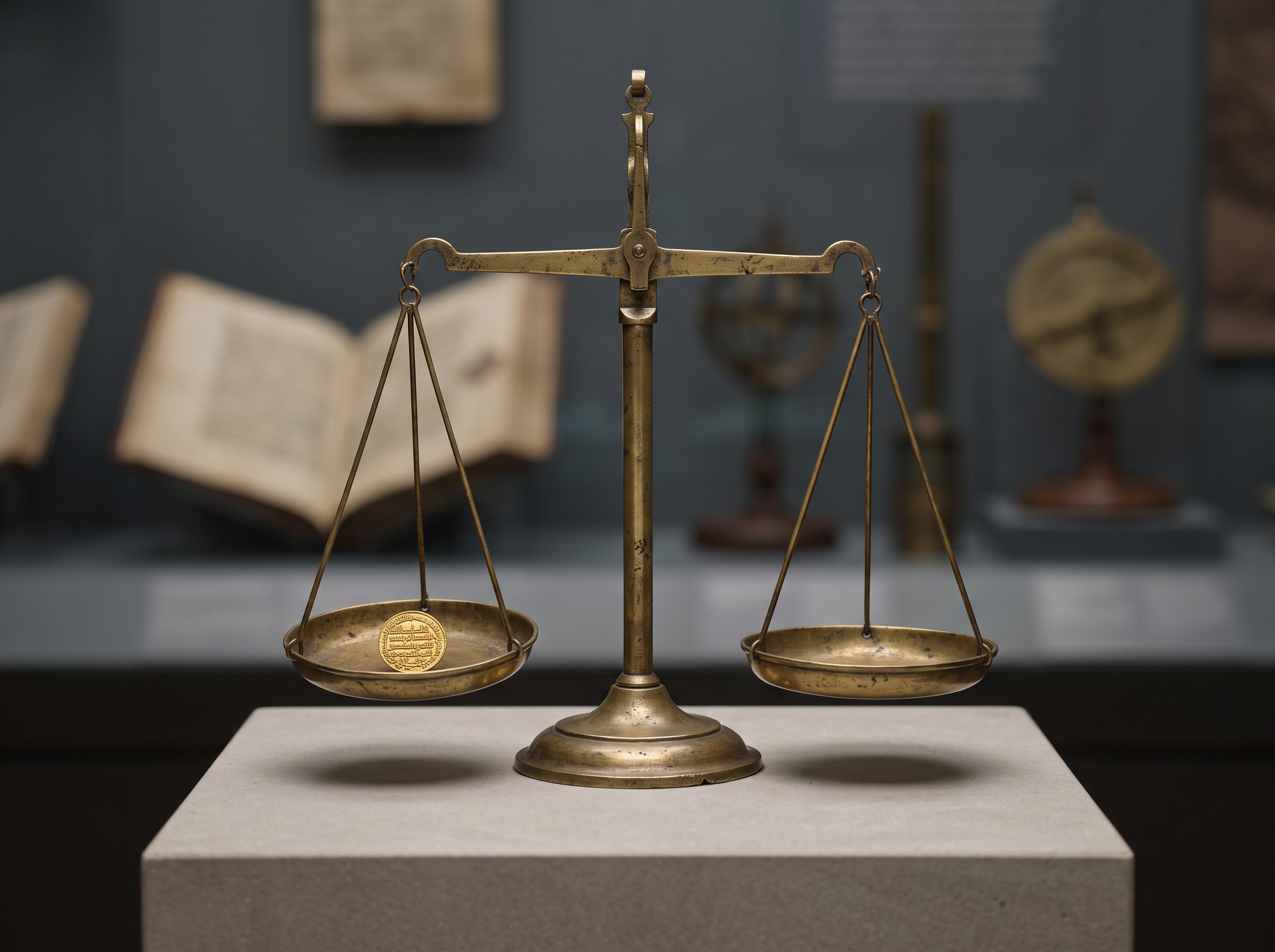
- dinar
- The principal gold coin of the Islamic world, used as the standard metric for compensating master translators.