Dinar
Curated by Cassian • Mansa Musa and the Gold That Lost Value in Cairo
Definition
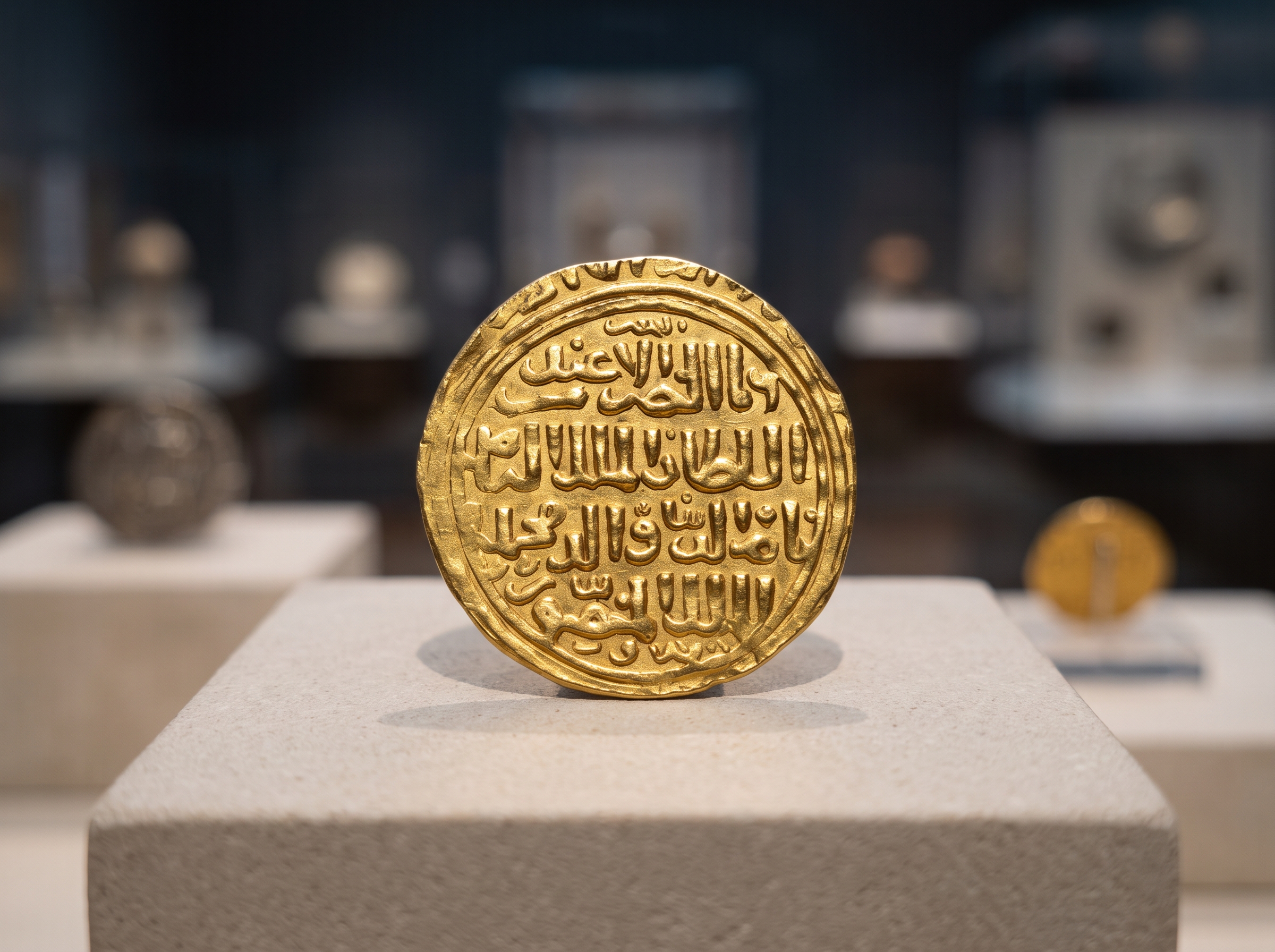
The principal gold coin of the Islamic world, tied directly to its gold content.
In Context
Sudden hyper-abundance stripped the dinar of its utility. The metal itself lost its purchasing power against commodities. A merchant who previously sold a sack of grain for one dinar now demanded three or four, knowing the metal carried less value. Prices for food and housing surged across the city. The Mamluk administration watched as their sovereign currency collapsed under the weight of foreign generosity.
Primary Source
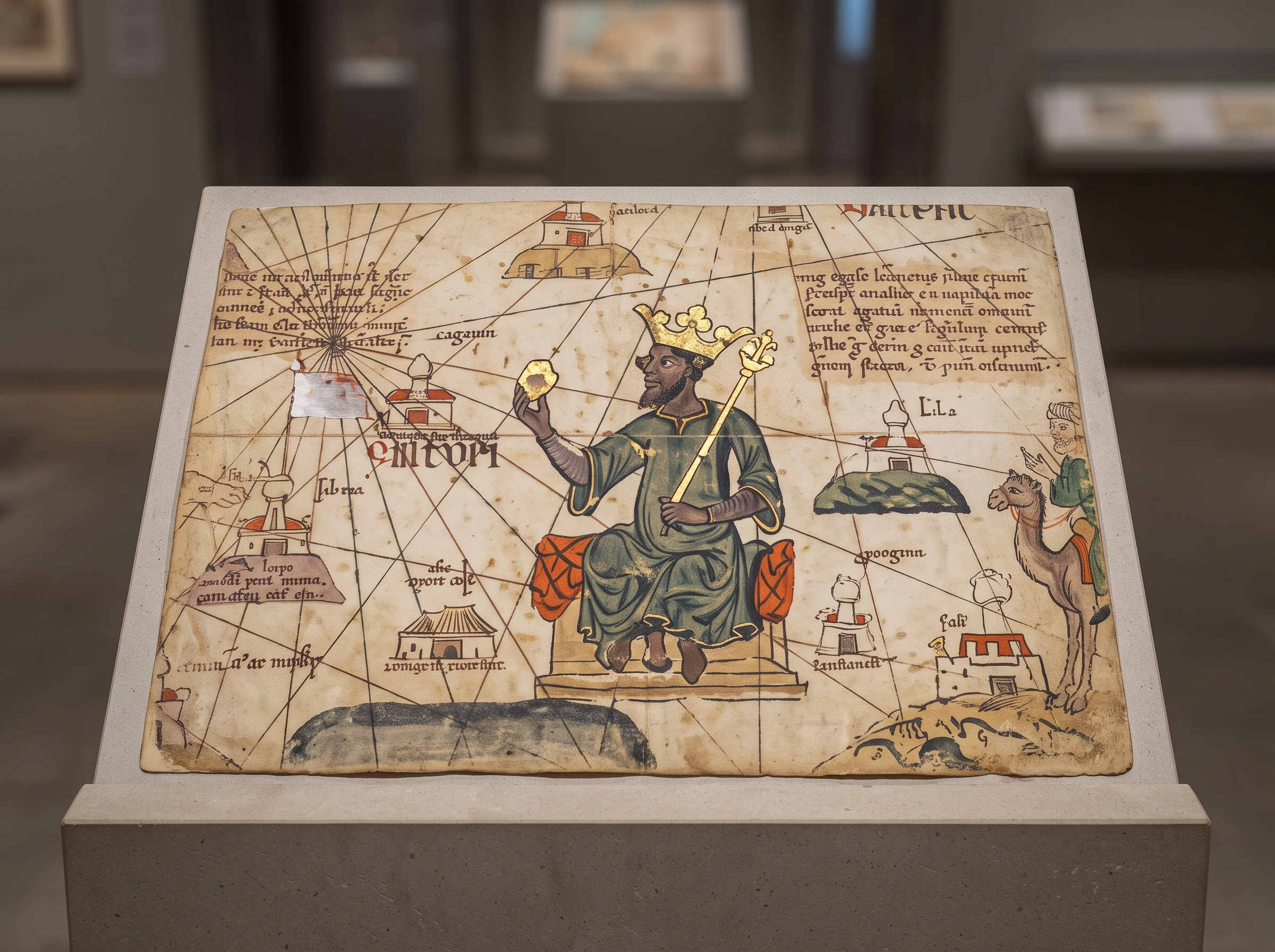
Mansa Musa and the Gold That Lost Value in Cairo
In 1324, the King of Mali brought so much unrefined gold to Cairo that he inadvertently crashed the entire Mediterranean pricing equilibrium. His massive influx of capital destroyed the scarcity of the dinar, proving that sudden wealth often acts as a destabilizing force.
Read Study (18 min) →Related Studies
-
Paper and the House of Wisdom in Abbasid Baghdad
The principal gold coin of the Islamic world, used as the standard metric for compensating master translators.
Artifacts
Glossary
- inflation
- A general increase in prices and fall in the purchasing value of money.
- mithqal
- A unit of mass used in the Islamic world, primarily for measuring precious metals like gold.
- pilgrimage
- The annual Islamic pilgrimage to Mecca, a mandatory religious duty for Muslims.
- arbitrage
- The simultaneous purchase and sale of an asset to profit from an imbalance in price.
- liquid capital
- The portion of assets held in cash or easily convertible form to meet short-term obligations.