Mamluk Gold Dinar
Curated by Cassian • Mansa Musa and the Gold That Lost Value in Cairo
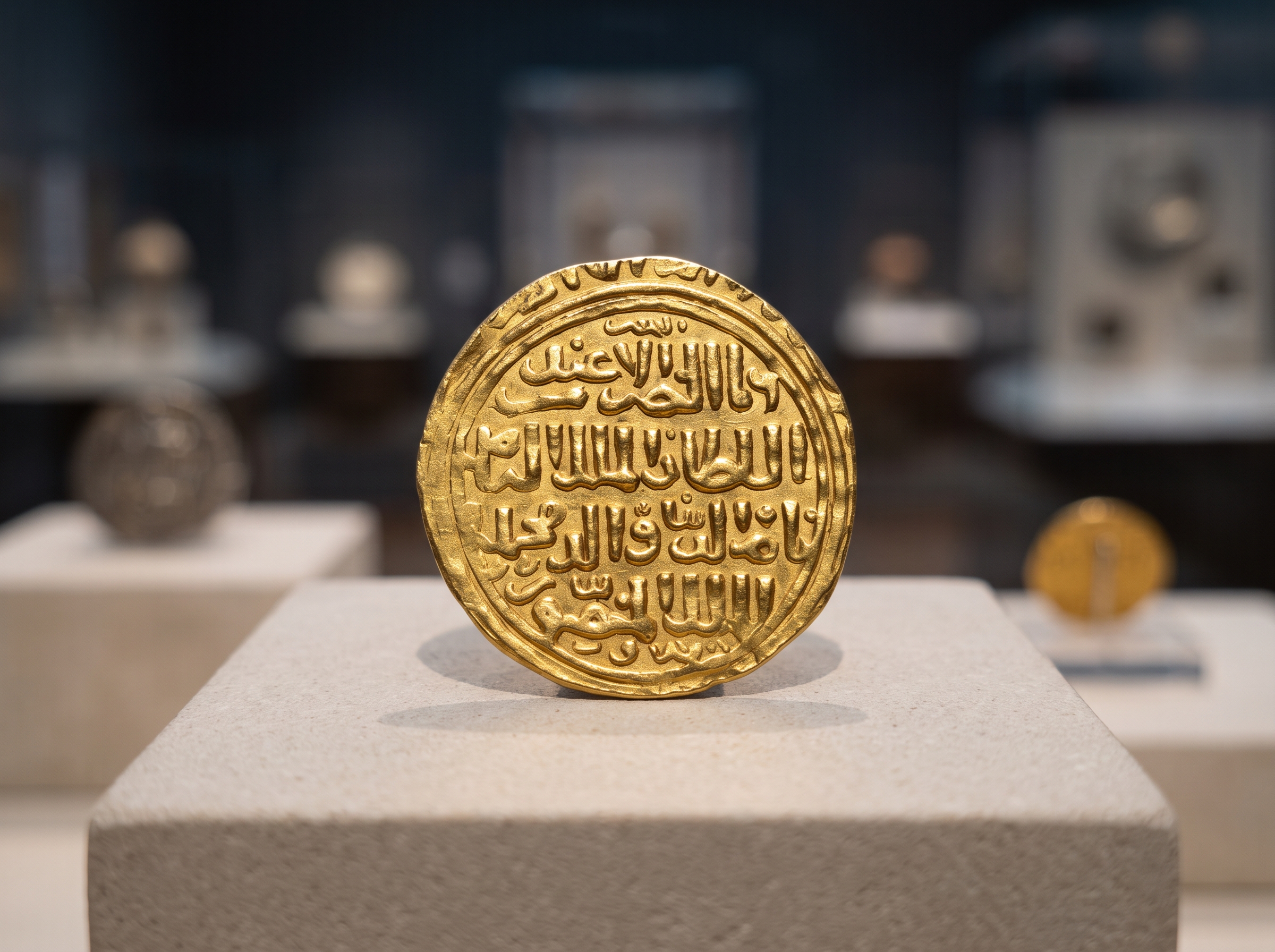
Artifact Details
A hammered gold coin with Arabic calligraphy. The edges are irregular, and the surface shows the wear of medieval circulation. The gold has a slightly dull, heavy luster rather than a modern polish.
Primary Source
Mansa Musa and the Gold That Lost Value in Cairo
In July 1324, a cloud of Saharan dust settled over the Mamluk capital of Cairo. Out of the western desert marched an expedition of staggering scale. Ancient accounts claim tens of thousands of men, thousands of camels, and roughly 18 tons of unrefined gold dust entered the city. Mansa Musa, ruler of the Mali Empire, had arrived on his pilgrimage to Mecca. He did not conquer Egypt with steel. Musa broke its economy with raw purchasing power. Over the next three months, the Malian king distributed so much gold into the local markets that he shattered the Mediterranean pricing equilibrium. The resulting crisis proved a hard economic reality. Capital injections do not create wealth; they destroy the scarcity that gives money its power.
Read Study (18 min) →Artifacts
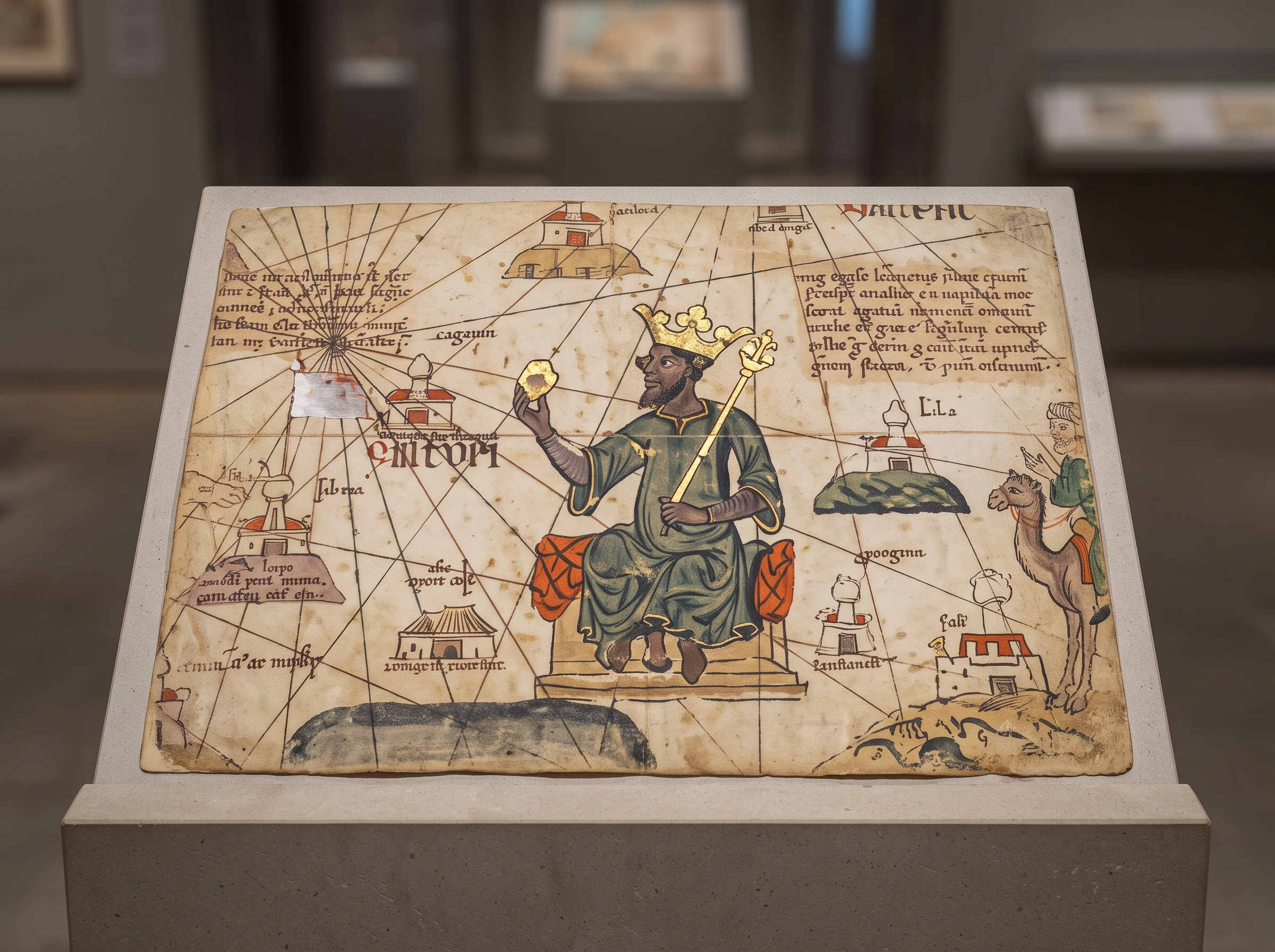
1375 Catalan Atlas Panel
A section of the Catalan Atlas depicting Mansa Musa holding a gold nugget.
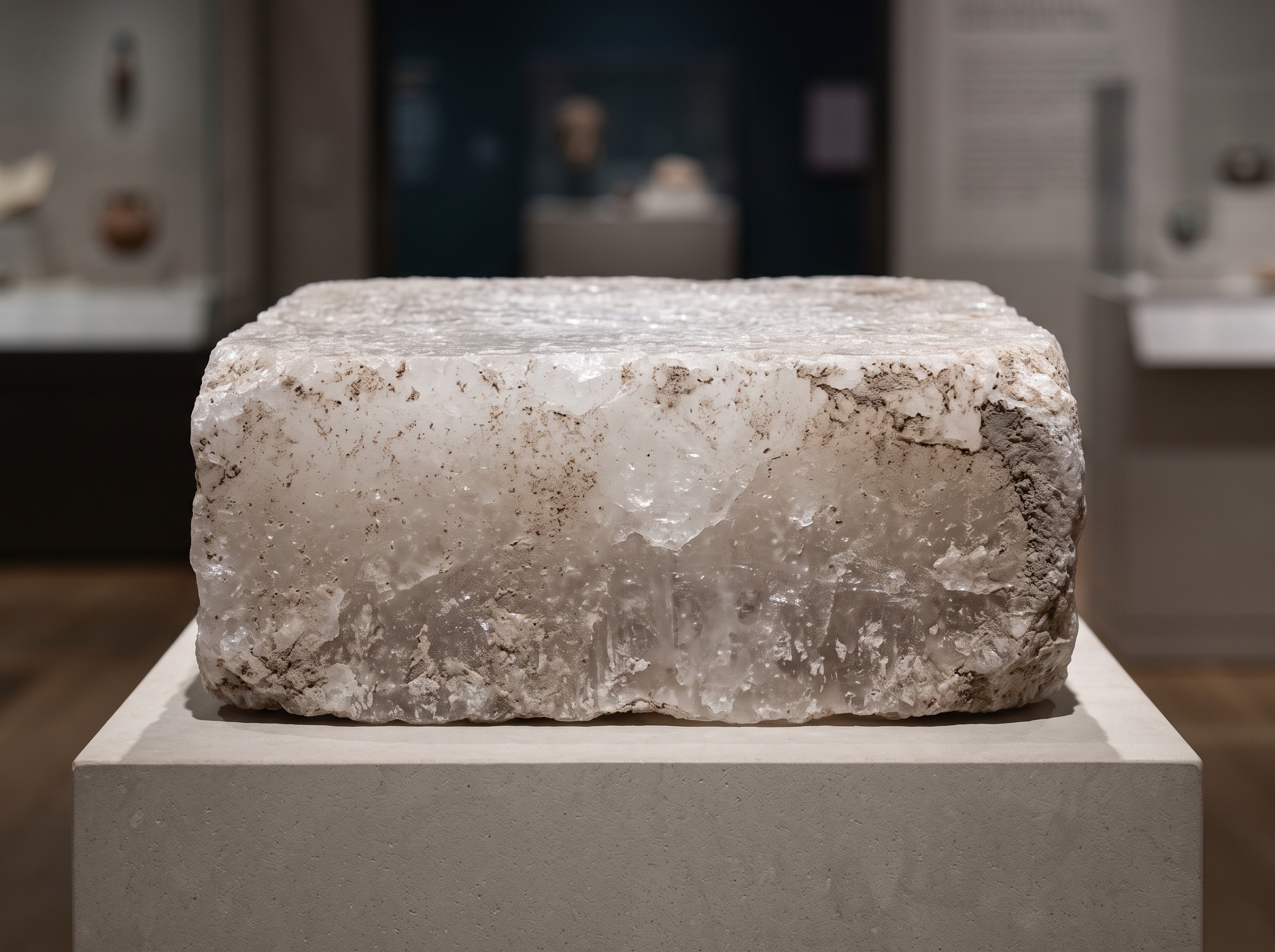
Taghaza Salt Slab
A heavy slab of rock salt, the crucial commodity traded weight-for-weight for gold.
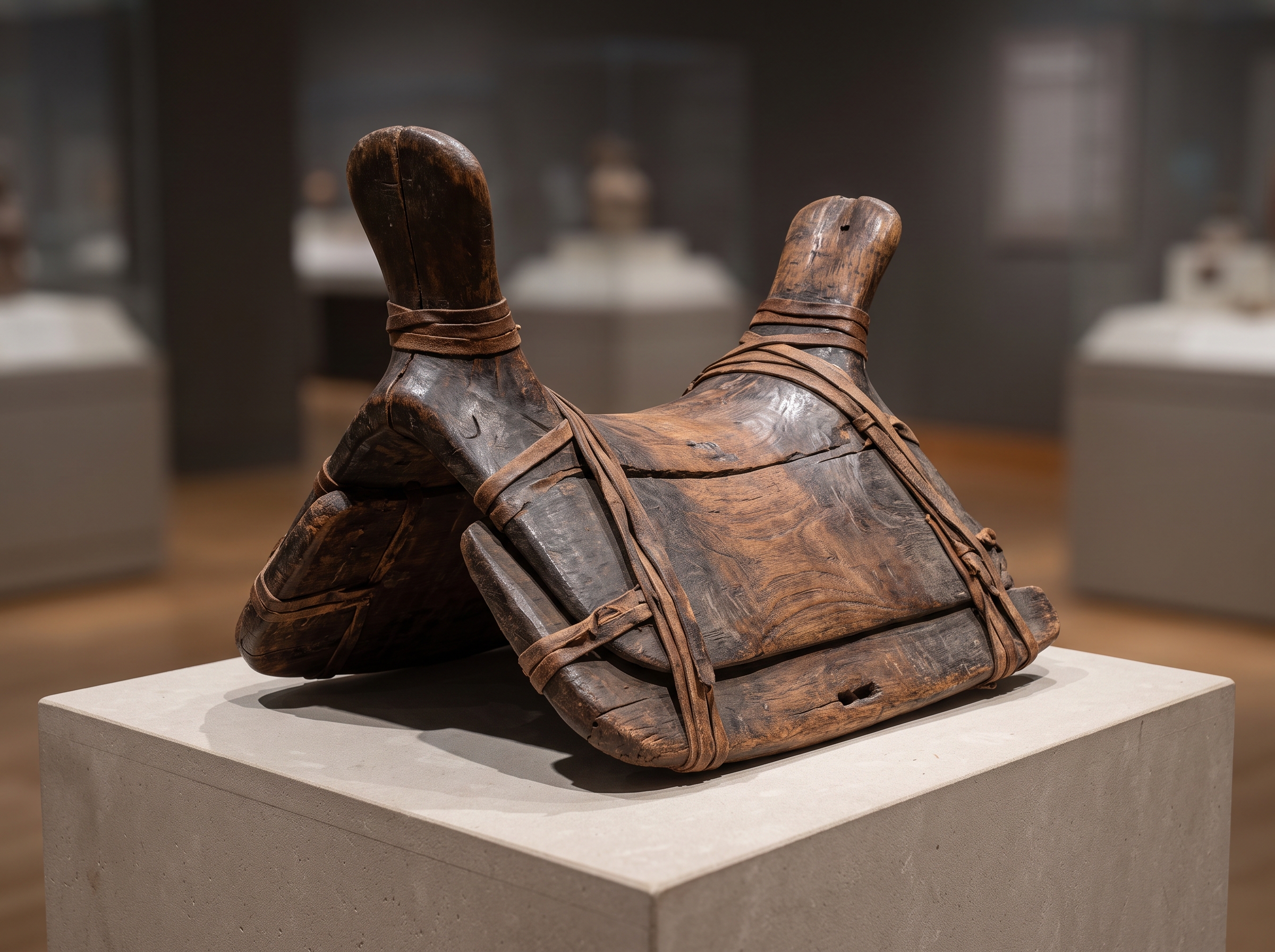
Tuareg Camel Saddle
A wooden saddle frame used to strap heavy loads of gold dust for the Saharan crossing.
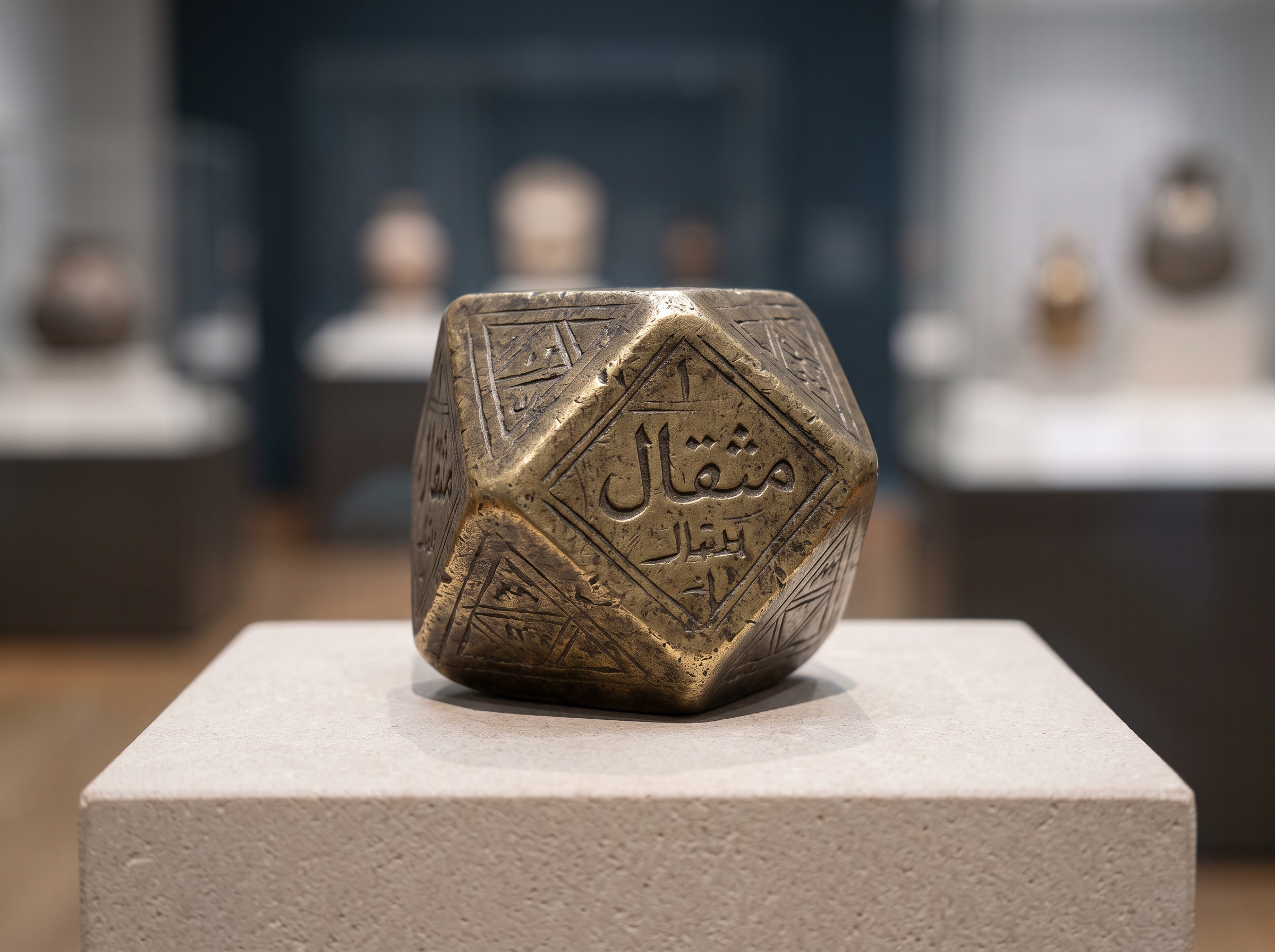
Brass Mithqal Weight
A standardized brass weight used by Cairo merchants to measure gold dust.
Glossary
- inflation: A general increase in prices and fall in the purchasing value of money.
- mithqal: A unit of mass used in the Islamic world, primarily for measuring precious metals like gold.
- pilgrimage: The annual Islamic pilgrimage to Mecca, a mandatory religious duty for Muslims.
- dinar: The principal gold coin of the Islamic world, tied directly to its gold content.