Pilgrimage
Curated by Cassian • Mansa Musa and the Gold That Lost Value in Cairo
Definition
The annual Islamic pilgrimage to Mecca, a mandatory religious duty for Muslims.
In Context
Musa used this accumulated capital for his pilgrimage. Preparing the caravan required years of centralized preparation. Workers harvested crops, dried meats, and gathered water reserves to sustain the expedition across thousands of miles of arid wasteland. Surviving the journey demanded ruthless discipline. Camels carried heavy wooden saddles loaded with water skins alongside the leather bags of gold. Every mile traveled consumed large quantities of calories and water. The arrival in Cairo alone demanded a heavy expenditure of stored energy and human labor.
Primary Source
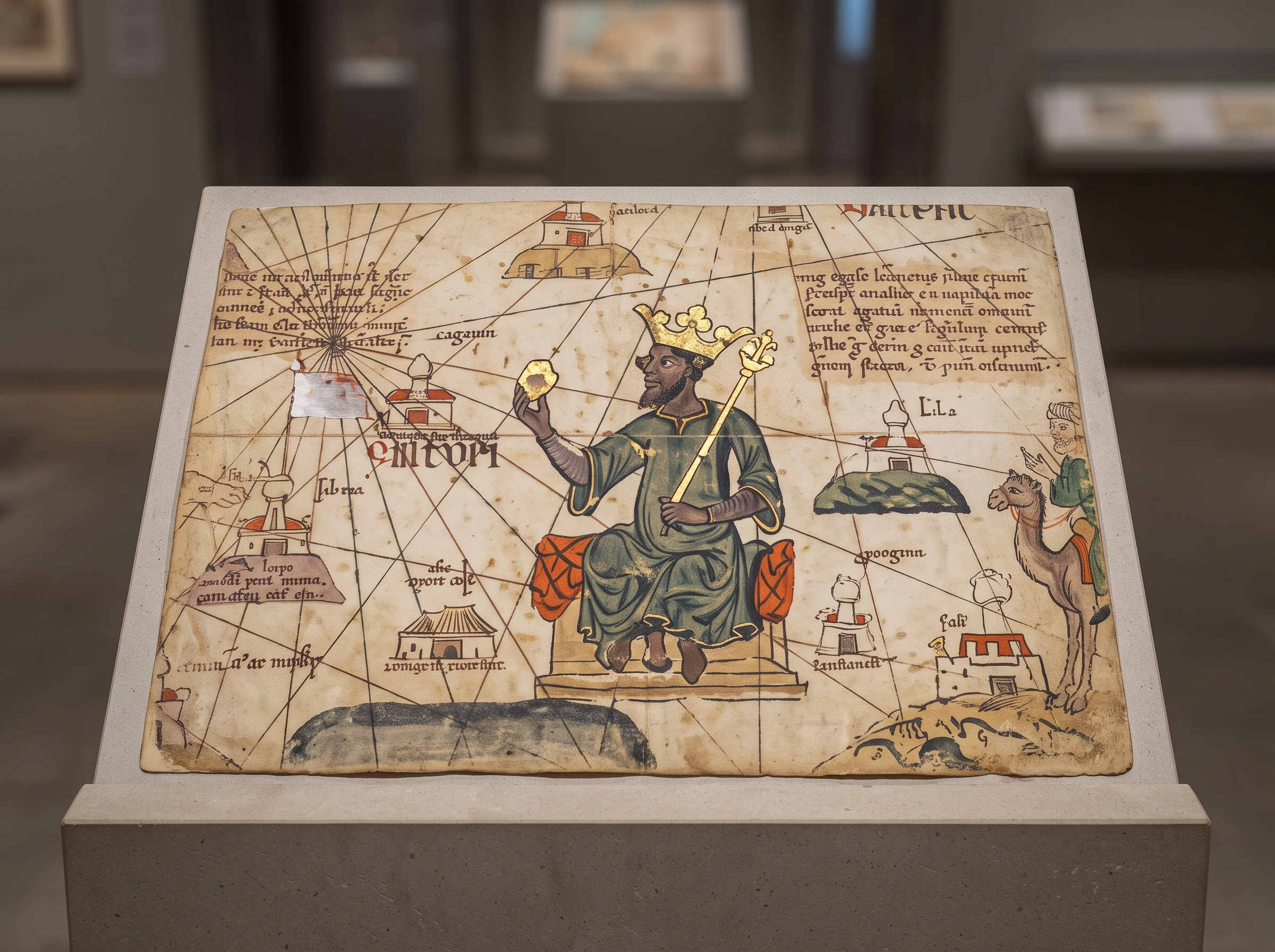
Mansa Musa and the Gold That Lost Value in Cairo
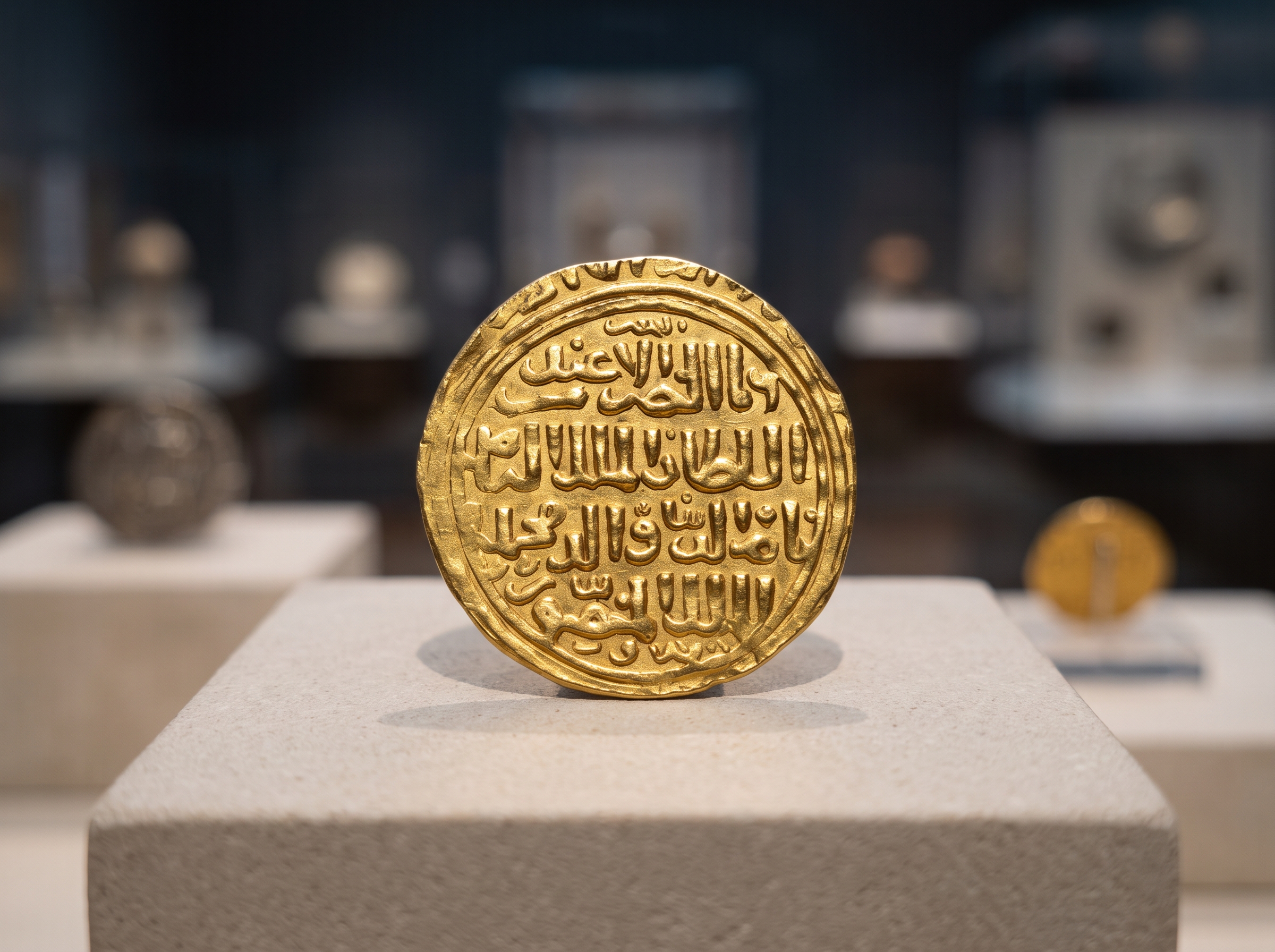
In 1324, the King of Mali brought so much unrefined gold to Cairo that he inadvertently crashed the entire Mediterranean pricing equilibrium. His massive influx of capital destroyed the scarcity of the dinar, proving that sudden wealth often acts as a destabilizing force.
Read Study (18 min) →Artifacts
Glossary
- inflation
- A general increase in prices and fall in the purchasing value of money.
- mithqal
- A unit of mass used in the Islamic world, primarily for measuring precious metals like gold.
- dinar
- The principal gold coin of the Islamic world, tied directly to its gold content.
- arbitrage
- The simultaneous purchase and sale of an asset to profit from an imbalance in price.
- liquid capital
- The portion of assets held in cash or easily convertible form to meet short-term obligations.