Rasputitsa
Curated by Valerius • The German Sixth Army Trapped at Stalingrad
Definition
The biannual mud season in Eastern Europe, caused by heavy rain or thawing snow, which completely liquified unpaved supply roads.
In Context
Dirt roads stretching across the Ukrainian steppe dissolved into knee-deep mud in October 1942. This seasonal shift triggered the Rasputitsa, a biannual wet season that swallowed draft horses and snapped the axles of Opel Blitz supply trucks. German supply lines, stretching over a thousand miles from the Polish border to the banks of the Volga, broke down.
Primary Source
The German Sixth Army Trapped at Stalingrad
How the mathematical collapse of supply lines sealed the fate of the German 6th Army on the frozen banks of the Volga. The physical realities of distance and tonnage dictated their slow annihilation in 1942.
Read Study (15 min) →Artifacts
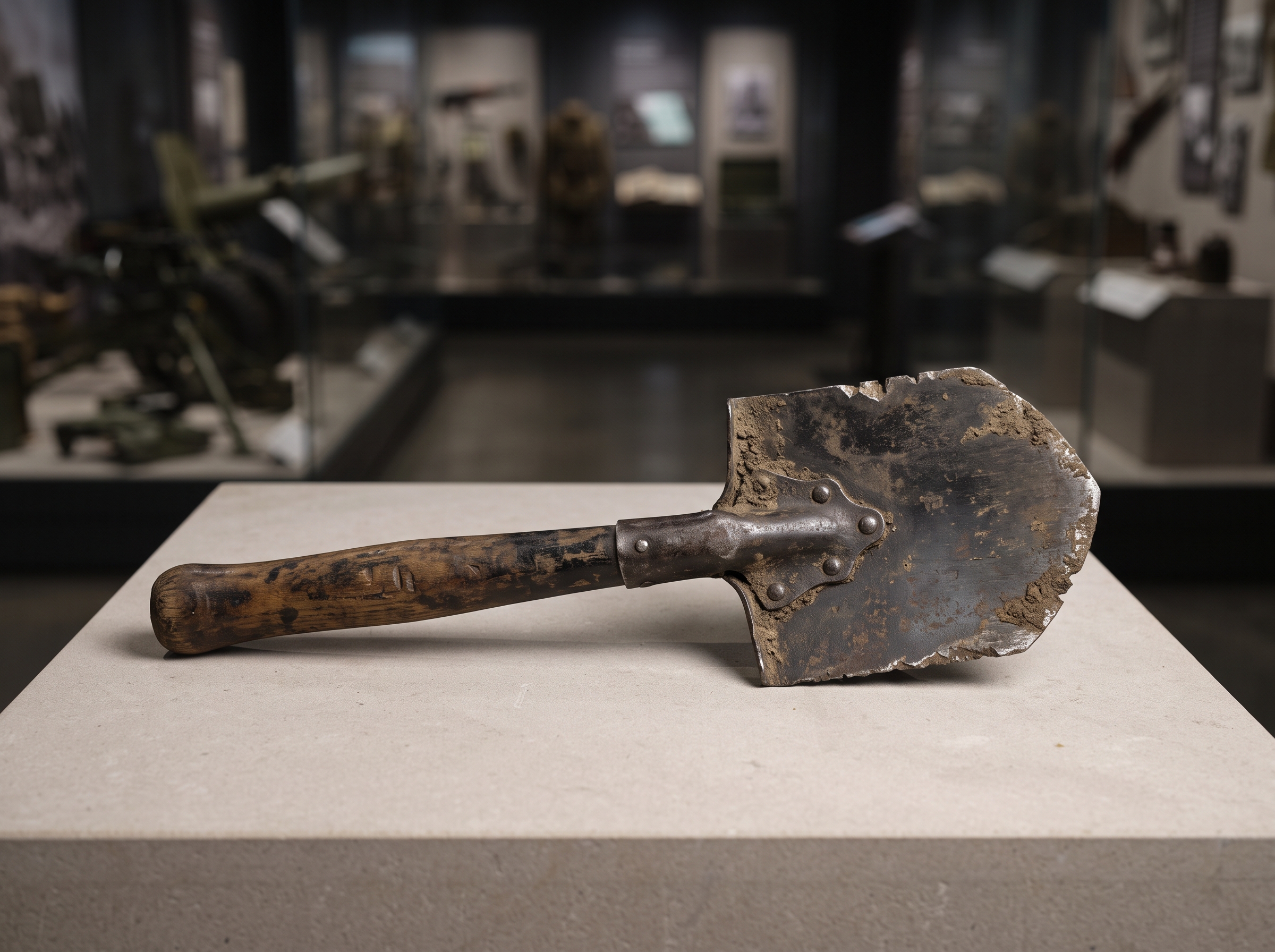
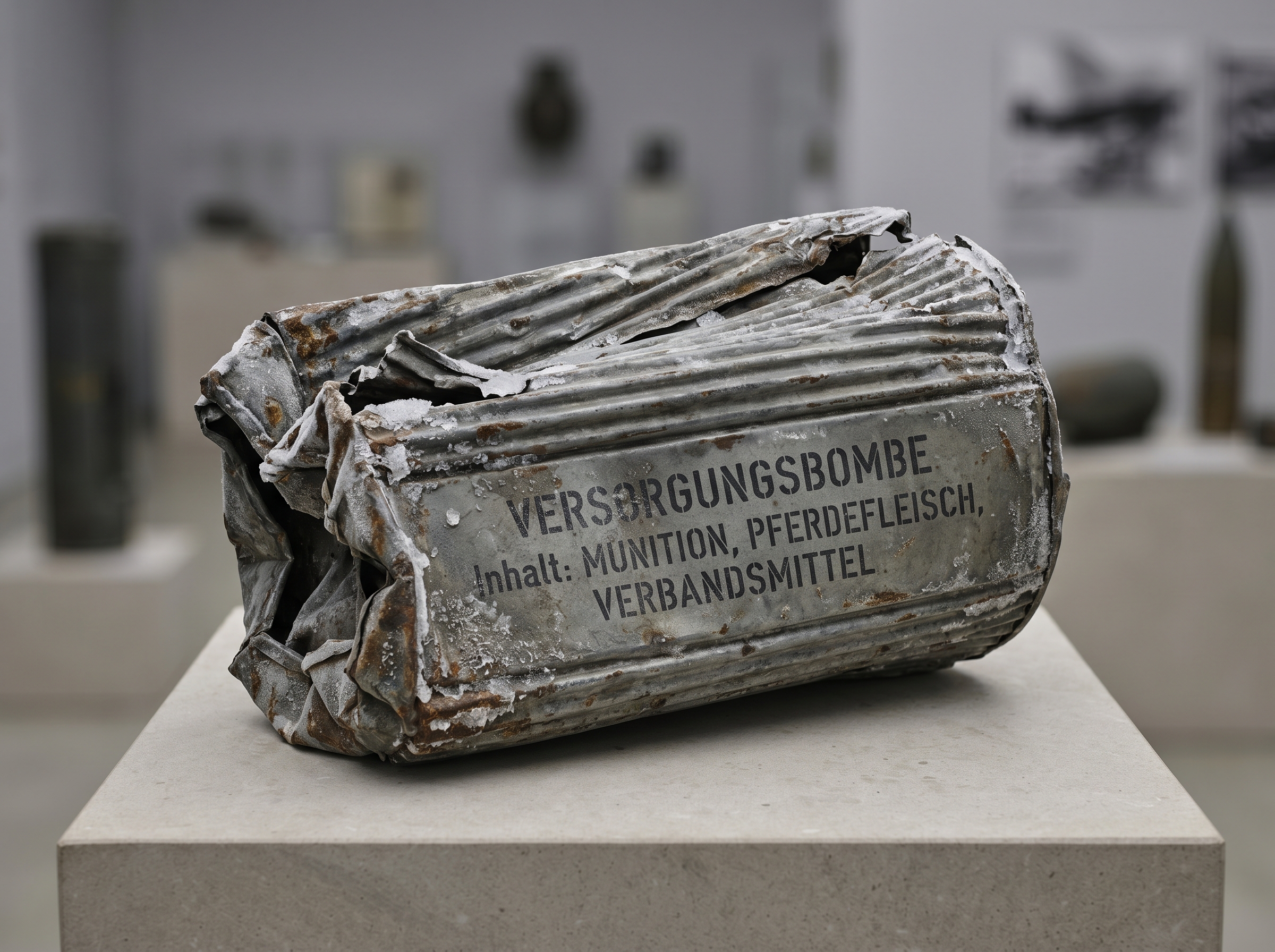
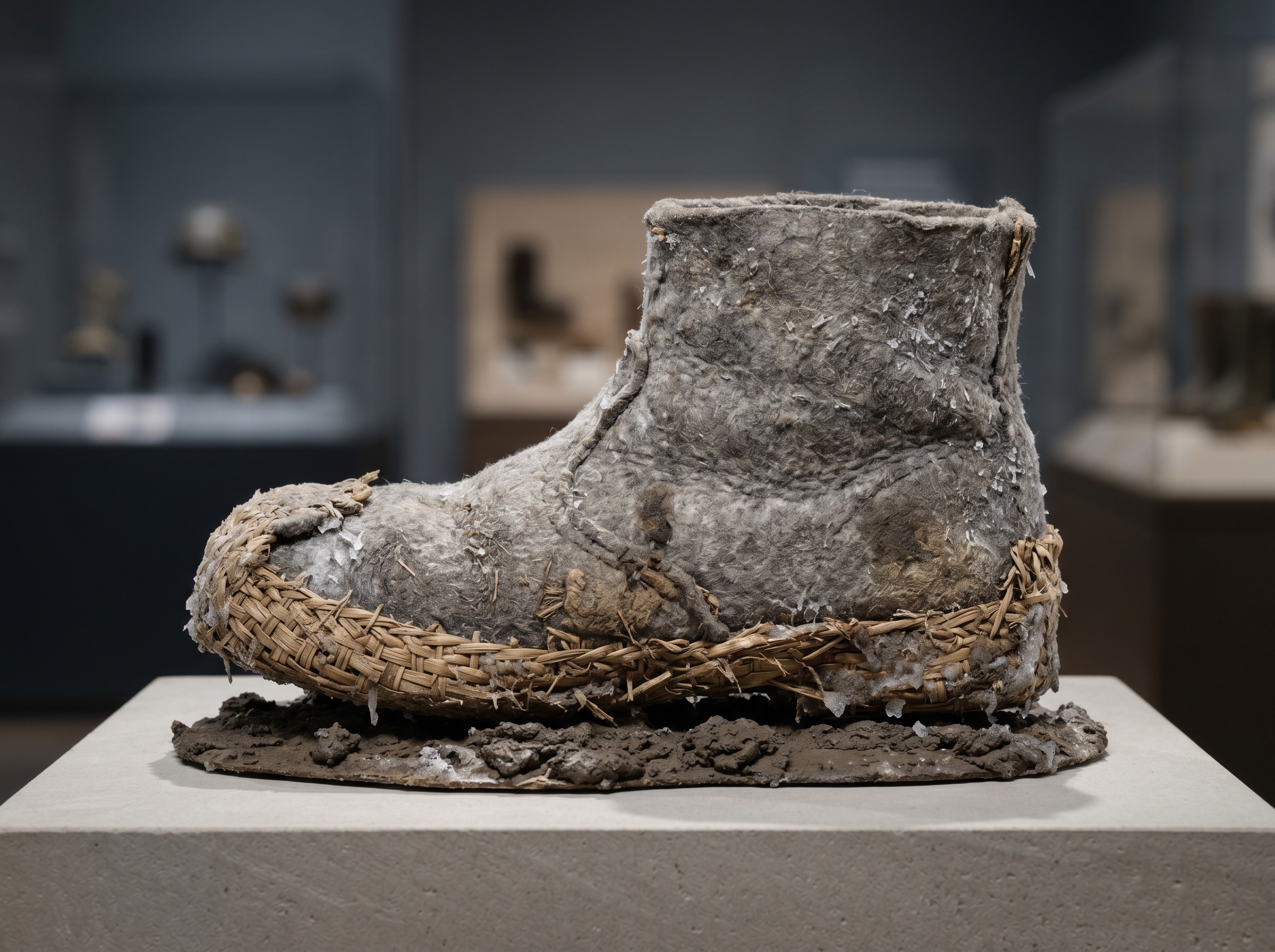
Glossary
- kessel
- The tactical encirclement of a large military force within a hostile perimeter, subjecting the trapped pocket to systematic starvation and attrition.
- rattenkrieg
- The German soldiers' term, meaning 'rat war,' for the vicious, multi-tiered close-quarters fighting within collapsed rooms and basements.
- hugging the enemy
- The Soviet combat tactic of maintaining infantry defense lines within fifty meters of German positions to neutralize Luftwaffe close air support.
- airlift math
- The stark logistic disparity where the encircled 6th Army demanded five hundred daily tons of food and fuel, but received fewer than one hundred.
- maskirovka
- The multi-layered Soviet doctrine of military deception, encompassing physical concealment and dummy radio traffic to mask massive troop concentrations.