Rattenkrieg
Curated by Valerius • The German Sixth Army Trapped at Stalingrad
Definition
The German soldiers' term, meaning 'rat war,' for the vicious, multi-tiered close-quarters fighting within collapsed rooms and basements.
In Context
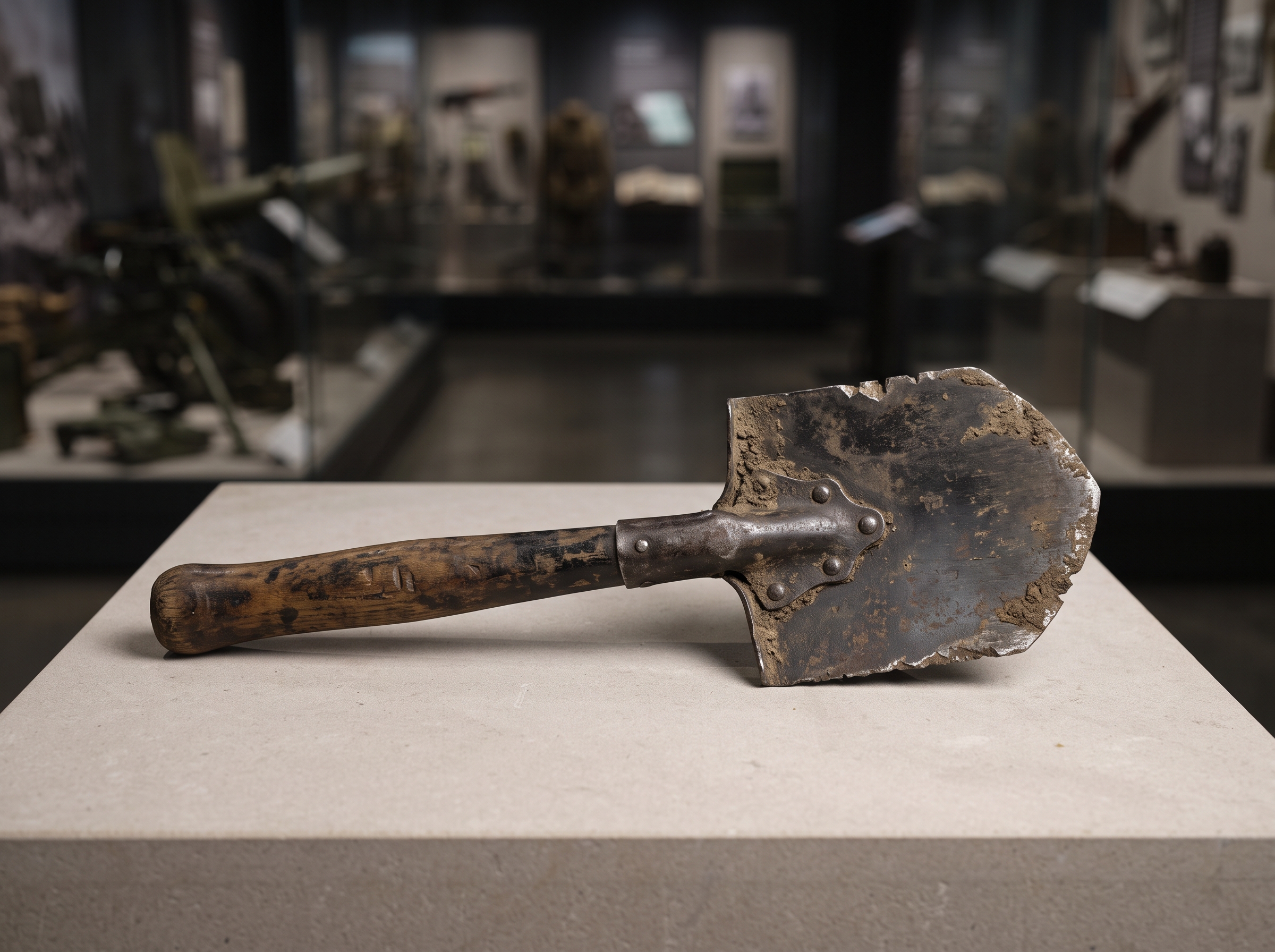
This proximity rendered German close air support impossible. Pilots could no longer drop bombs without hitting their own infantry. The battle degenerated into the Rattenkrieg, a rat war of room-to-room combat fought with sharpened entrenching tools and high-capacity PPSh-41 submachine guns. Soviet soldiers traded blood for time. Every day they held the rubble of the Tractor Factory or the slopes of Mamayev Kurgan cost the 6th Army thousands of rounds of ammunition it could not replace over the ruined rail network. Combat shrank to point-blank range. Men fought over single floors of apartment buildings for weeks, the floorboards covered in spent brass casings.
Primary Source
The German Sixth Army Trapped at Stalingrad
How the mathematical collapse of supply lines sealed the fate of the German 6th Army on the frozen banks of the Volga. The physical realities of distance and tonnage dictated their slow annihilation in 1942.
Read Study (15 min) →Artifacts
Glossary
- rasputitsa
- The biannual mud season in Eastern Europe, caused by heavy rain or thawing snow, which completely liquified unpaved supply roads.
- kessel
- The tactical encirclement of a large military force within a hostile perimeter, subjecting the trapped pocket to systematic starvation and attrition.
- hugging the enemy
- The Soviet combat tactic of maintaining infantry defense lines within fifty meters of German positions to neutralize Luftwaffe close air support.
- airlift math
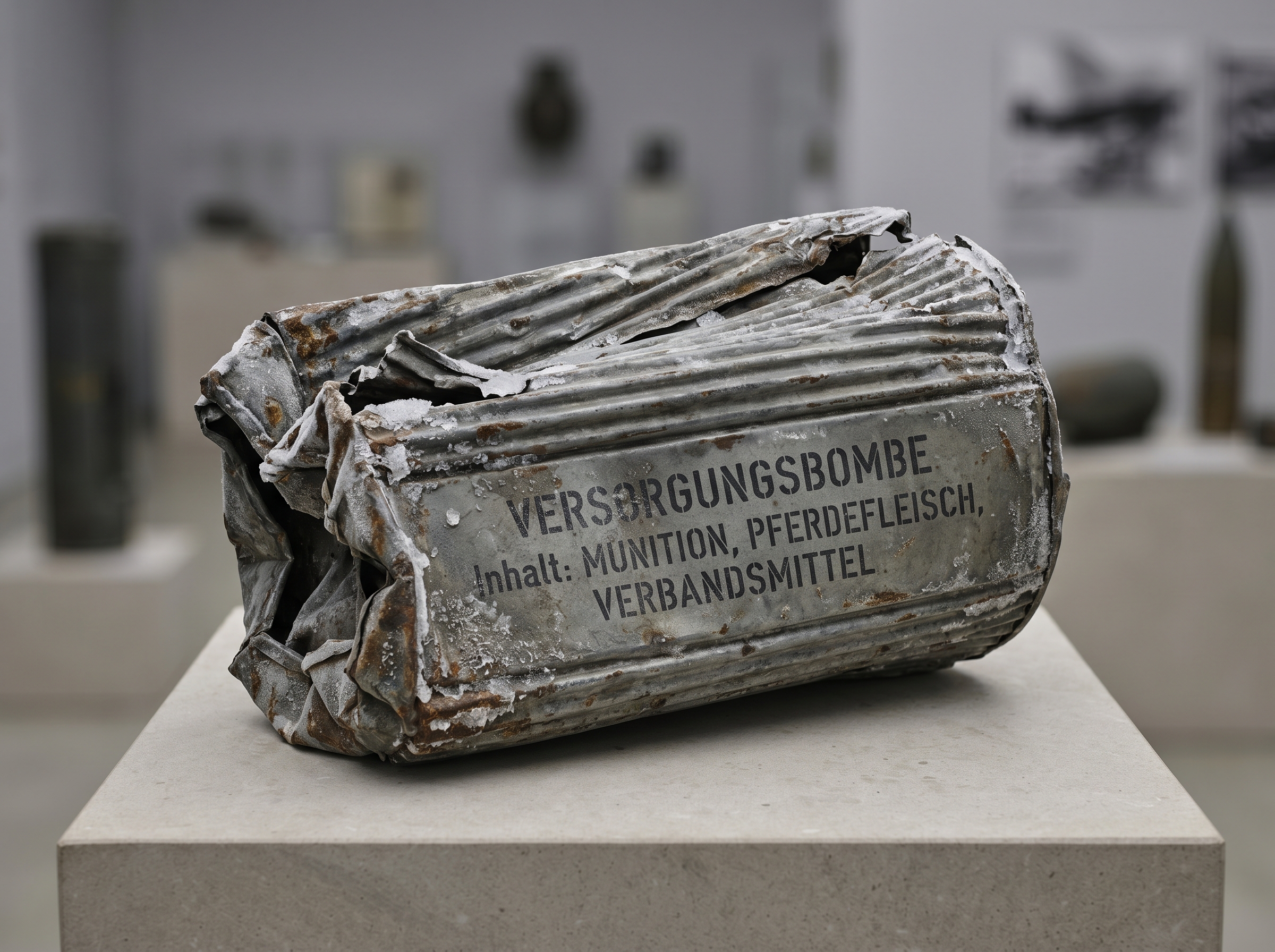
- The stark logistic disparity where the encircled 6th Army demanded five hundred daily tons of food and fuel, but received fewer than one hundred.
- maskirovka
- The multi-layered Soviet doctrine of military deception, encompassing physical concealment and dummy radio traffic to mask massive troop concentrations.