Stýri-Borð
Curated by Novus • Clinker-Built Viking Longships on the North Atlantic
Definition
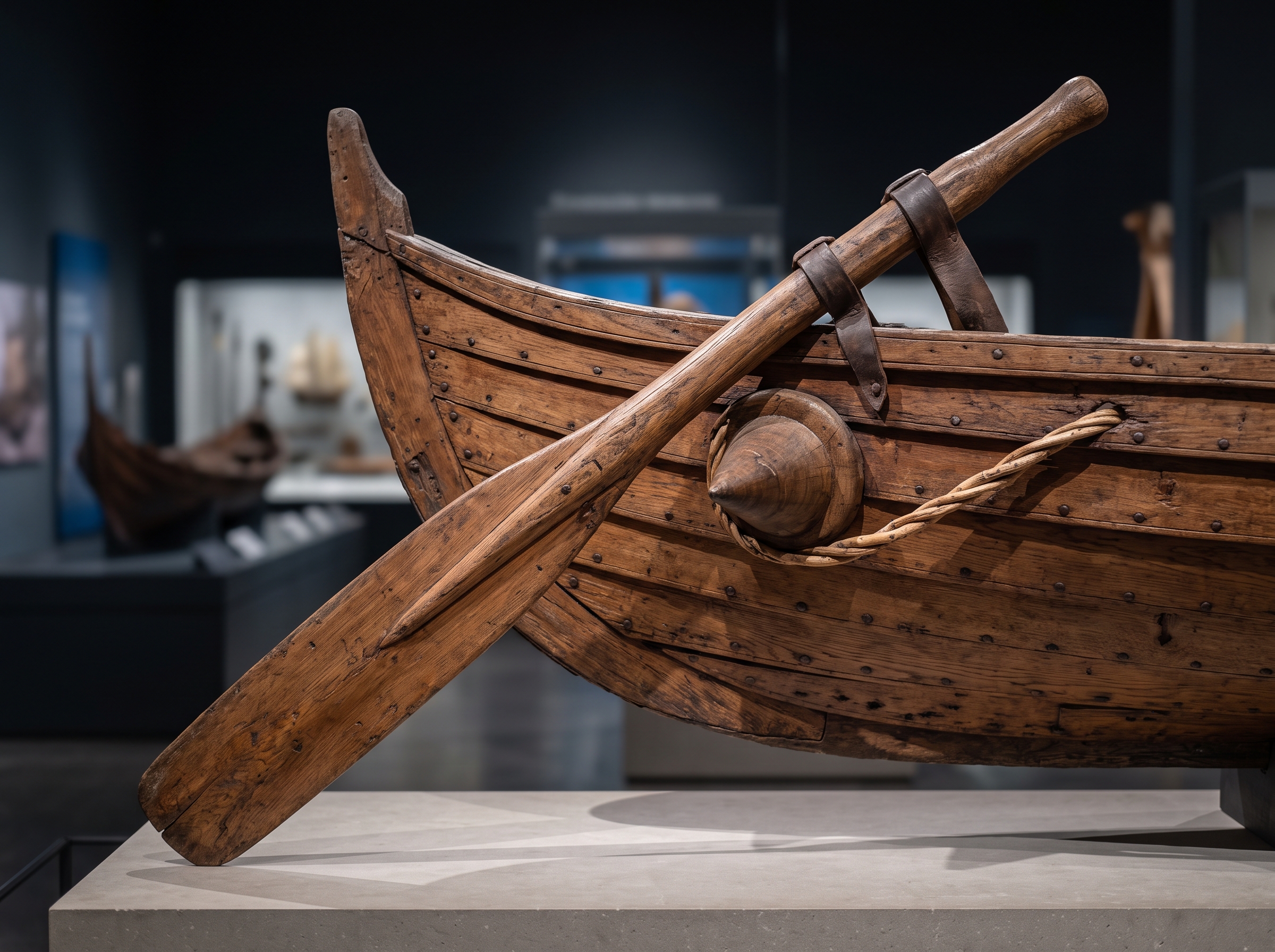
The Old Norse term meaning 'steering board,' referring to the massive steering oar mounted on the right side of the ship, which gave rise to the modern word 'starboard'.
In Context
On the morning of June 8, A.D. 793, the monks at Lindisfarne monastery looked out at the North Sea and saw ships landing directly on the tidal sand. Coastal defenses relied on a strict rule: ocean-faring vessels required deep water and stone harbor facilities to berth. The attackers bypassed this requirement entirely. They slid their hulls straight onto the beach, stepping directly from the gunwales onto English soil. This amphibious strike initiated a three-century expansion across Europe. By engineering a warship with a draft of merely one meter, Norse shipwrights erased the boundary between the open ocean and the inland river, turning every shallow waterway into an undefended highway.
Primary Source
Clinker-Built Viking Longships on the North Atlantic
The Norse longship altered European warfare through its one-meter draft. This clinker-built engineering allowed crews to cross the Atlantic and navigate shallow inland rivers, bypassing the static defenses of medieval geography.
Read Study (18 min) →Artifacts
Glossary
- clinker construction
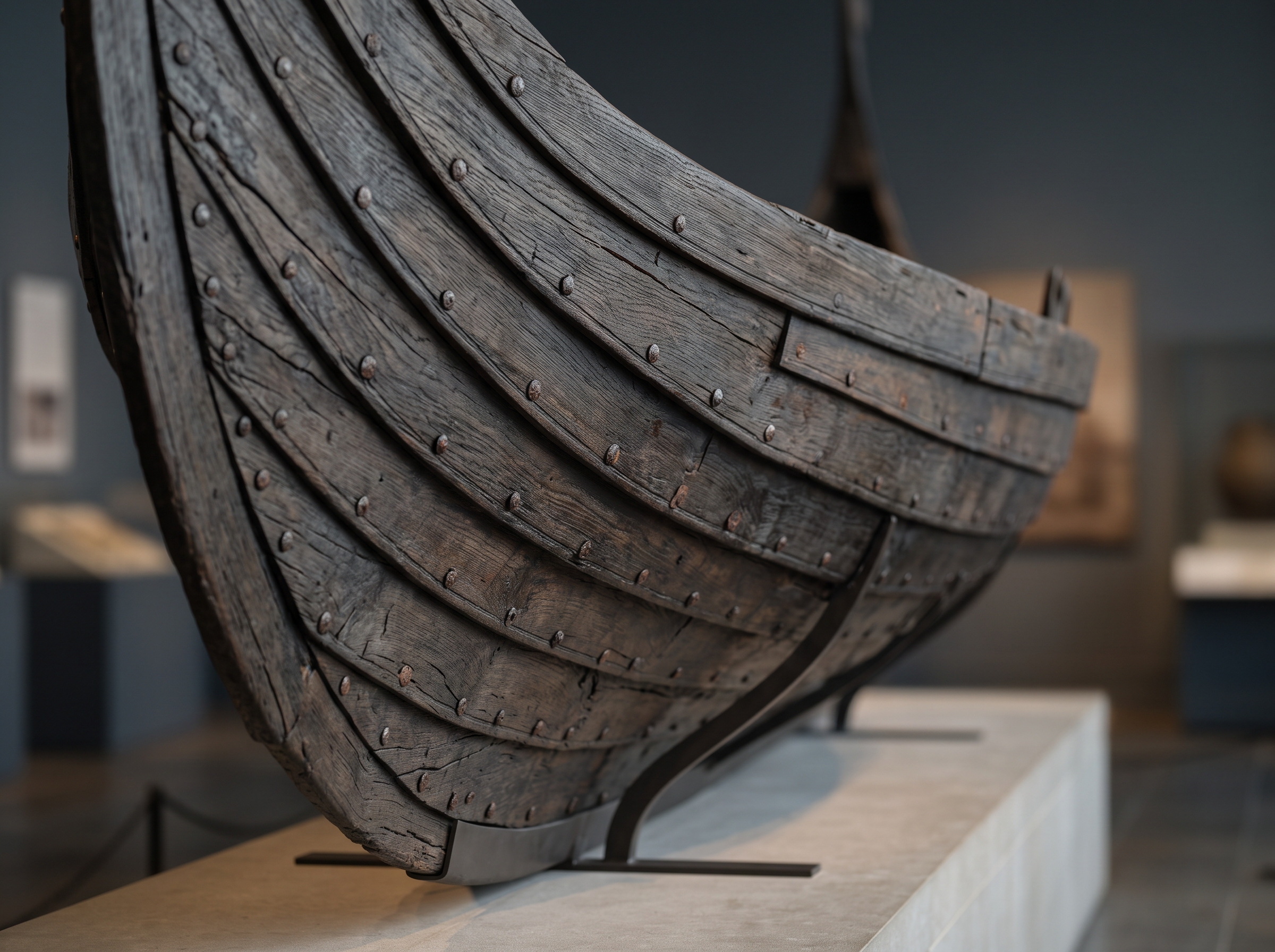
- A shipbuilding technique where the wooden hull planks overlap along their edges and are secured with rivets, giving the ship exceptional flexibility in rough seas.
- iron rivets
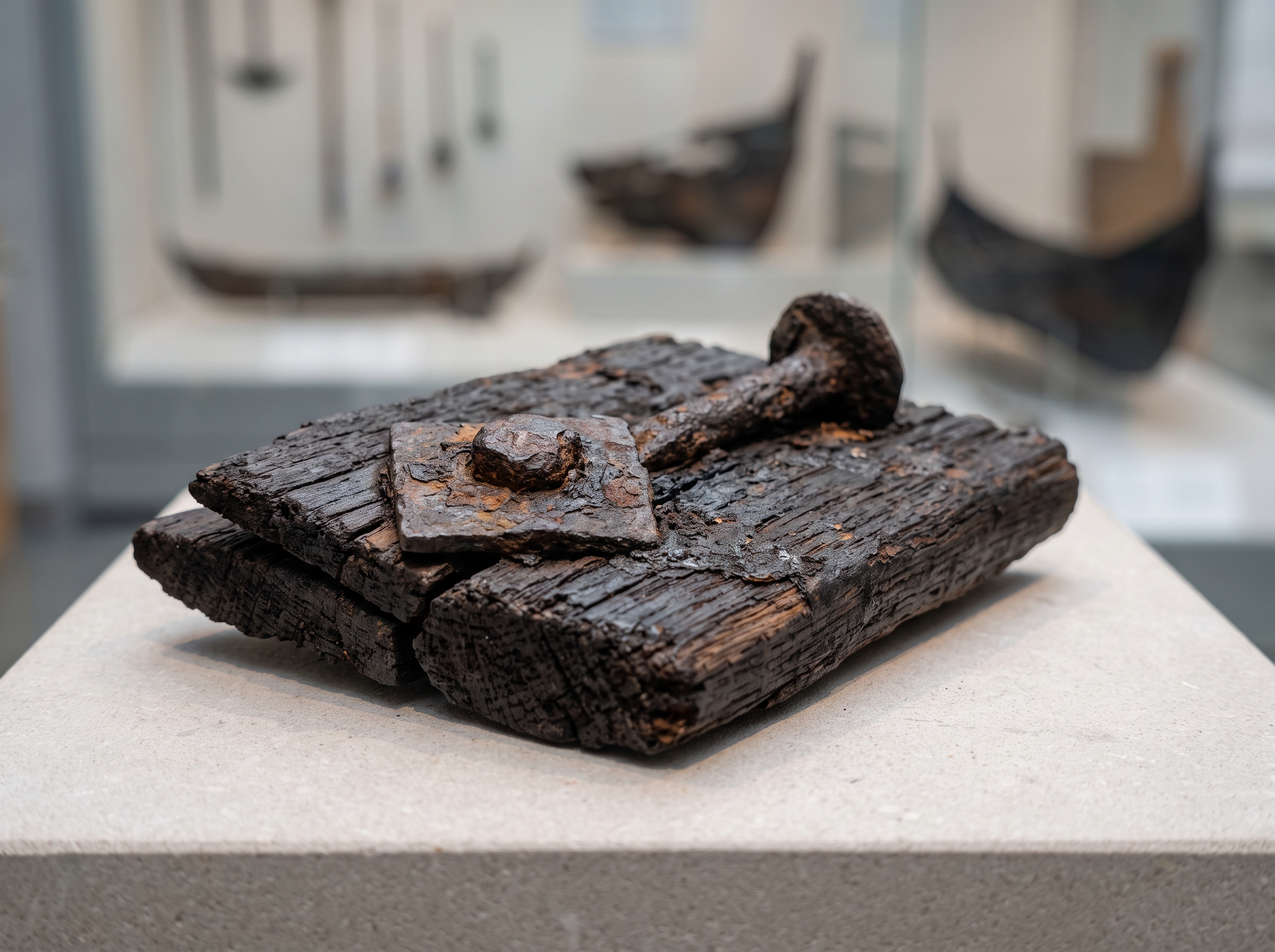
- Hand-forged iron fasteners driven through overlapping planks and clinched over square washers to hold the clinker hull together.
- gokstad ship
- A remarkably intact ninth-century Viking ship excavated from a burial mound in Norway, proving the T-shaped keel design and flexible hull performance.
- sun compass
- A simple Norse navigational tool consisting of a carved wooden disc and central gnomon used to determine latitude by measuring shadow lengths at noon.
- edict of pîtres
- A royal edict issued by King Charles the Bald of West Francia in A.D. 864, ordering the construction of low, fortified bridges to block Viking river raids.