Column Relief Fragment
Curated by Vera • Marcus Aurelius Writing Meditations on the Danube
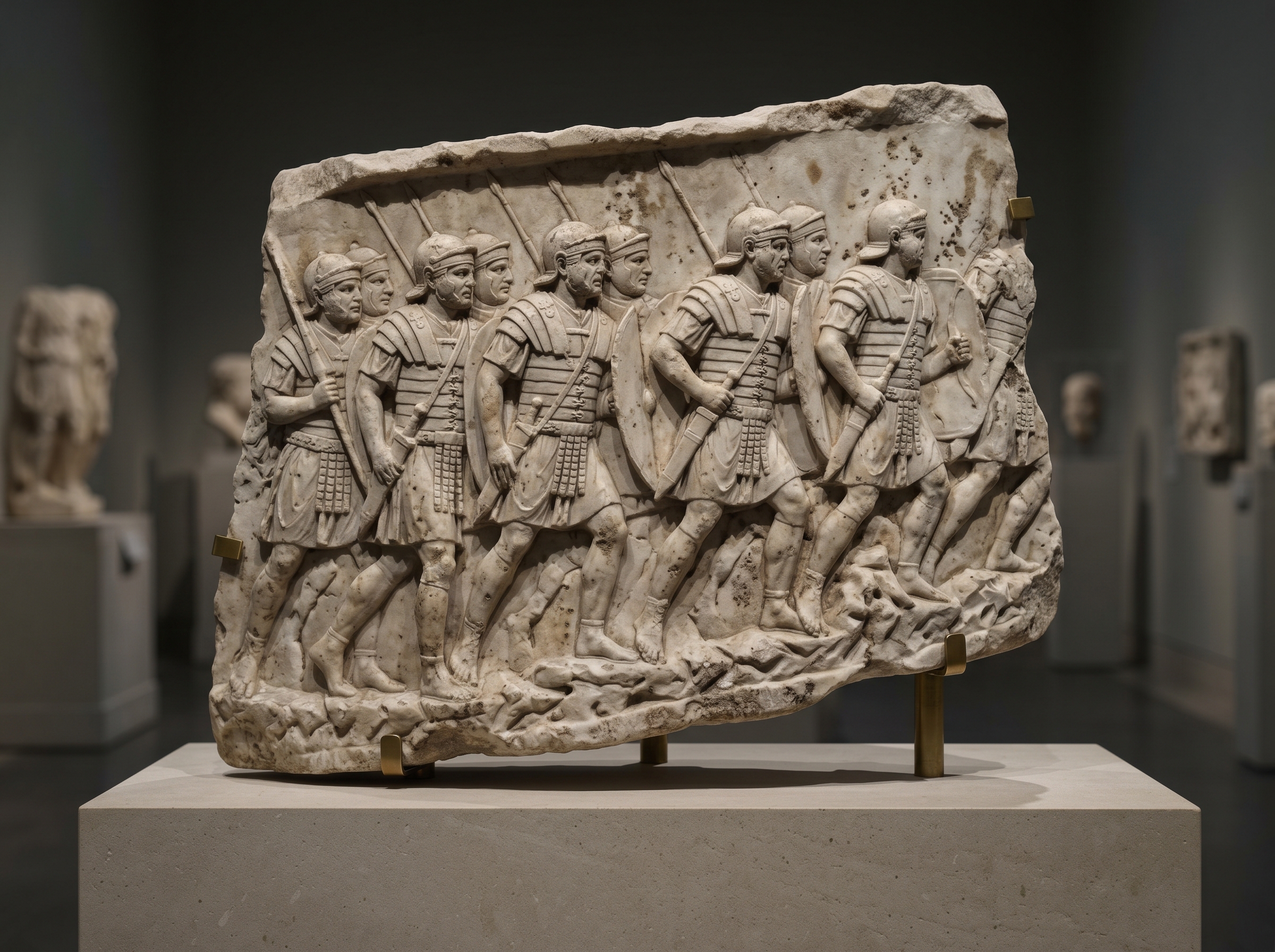
Artifact Details
A deep relief carving in weathered Carrara marble. It depicts Roman legionaries in segmented armor marching over rough terrain. The stone is pitted and stained with age.
Primary Source
Marcus Aurelius Writing Meditations on the Danube
The leather walls of the imperial tent offered little protection against the Danubian wind in the winter of A.D. 170. Outside, the Roman legionary camp at Carnuntum was freezing, knee-deep in mud, and dying of plague. Inside, Marcus Aurelius, the most powerful man on earth, sat on a wooden camp stool holding a bone stylus. He was 50 years old, physically frail, and trapped in a brutal border war against the Marcomanni confederation. To keep from losing his mind, he began to write. He wrote exclusively for himself, scratching Greek letters into wax to force his own brain into order. These private notes, never intended for publication, became a psychological survival manual against the crushing weight of supreme power.
Read Study (17 min) →Artifacts
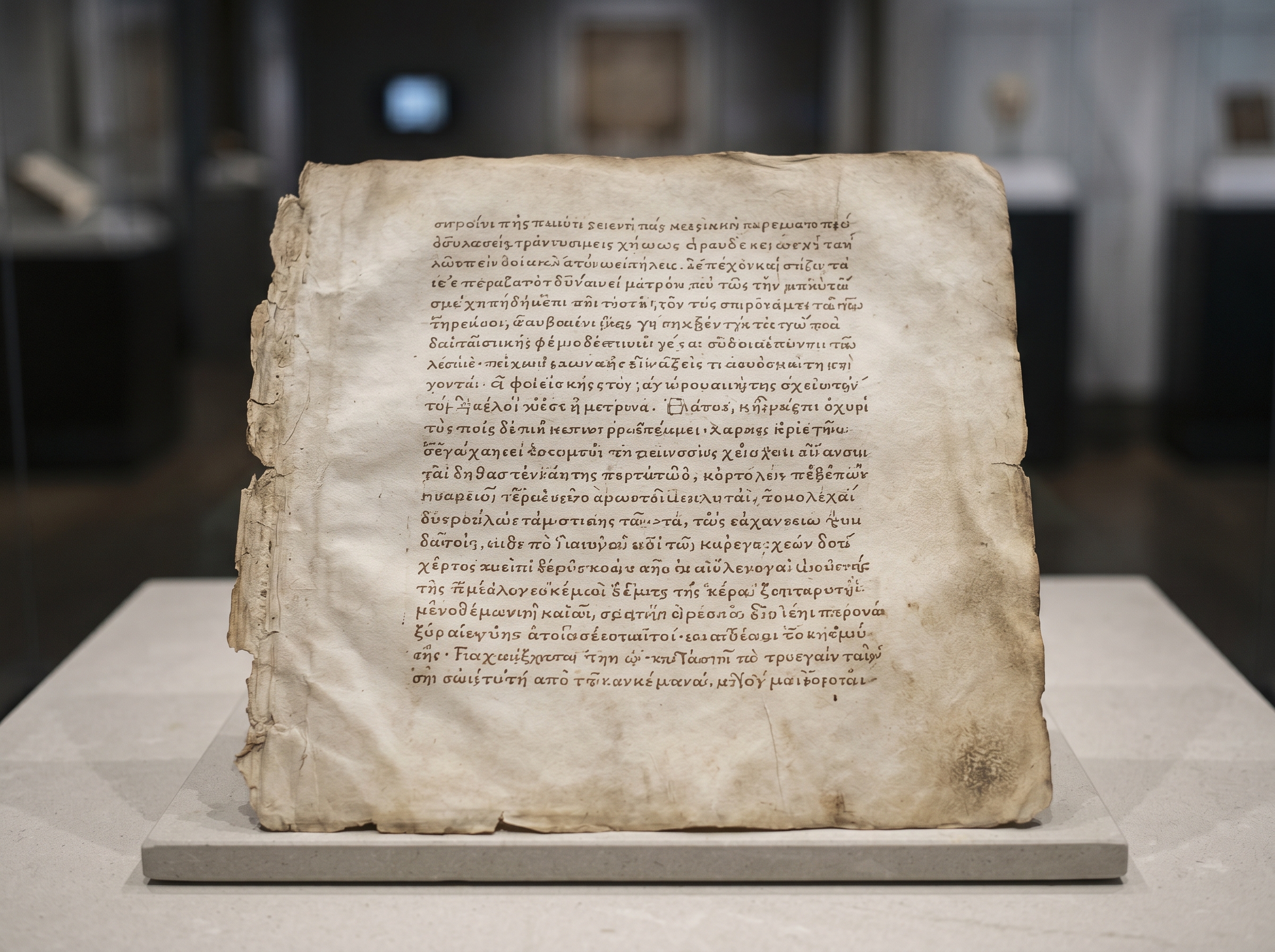
Vatican Codex Graecus 1950
A 14th-century manuscript containing the text of the Meditations, one of the few surviving conduits of Marcus's private thoughts.
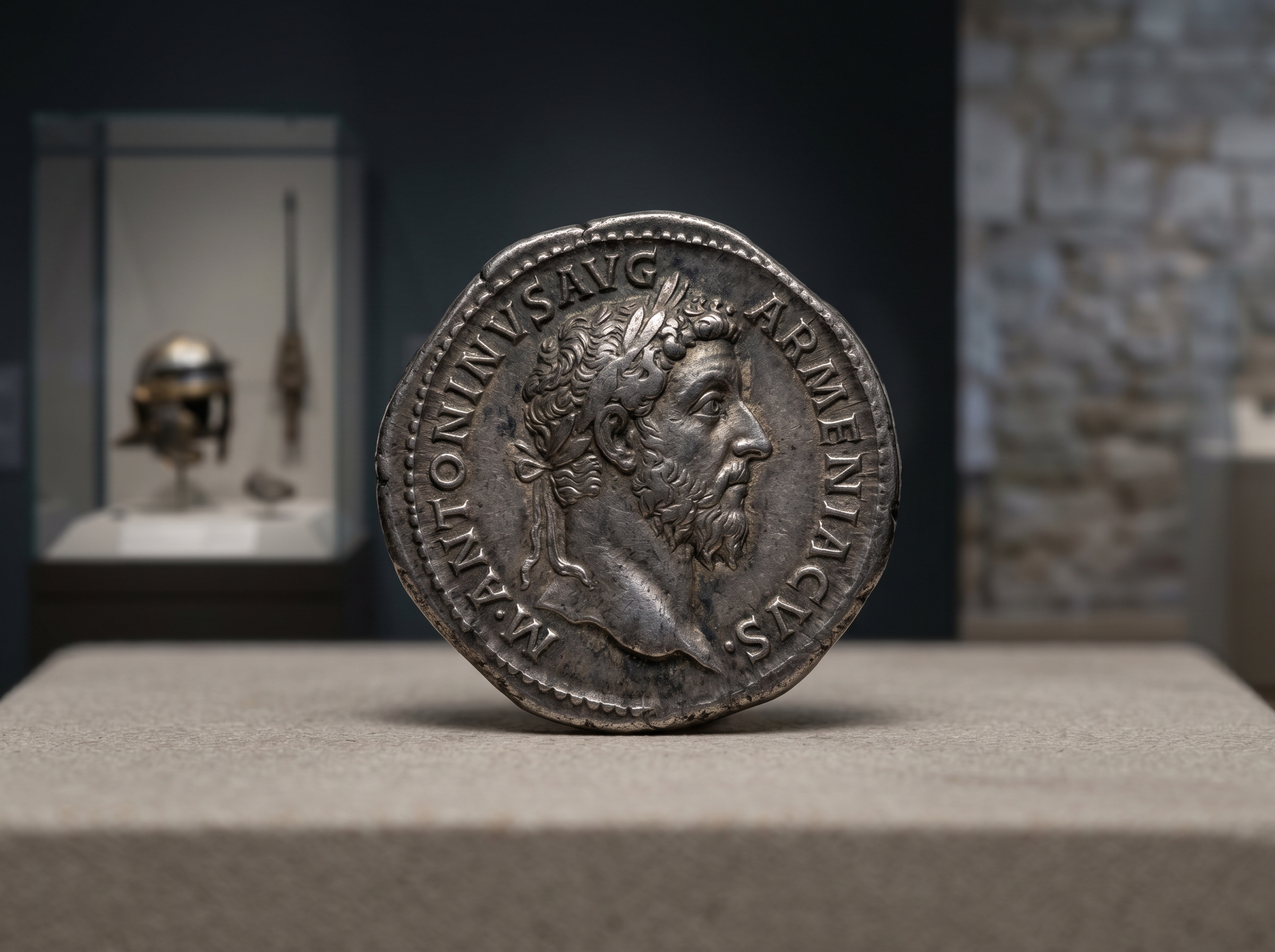
Silver Denarius
A Roman silver coin minted during Marcus's reign, used to pay the legions stationed along the freezing Danubian frontier.
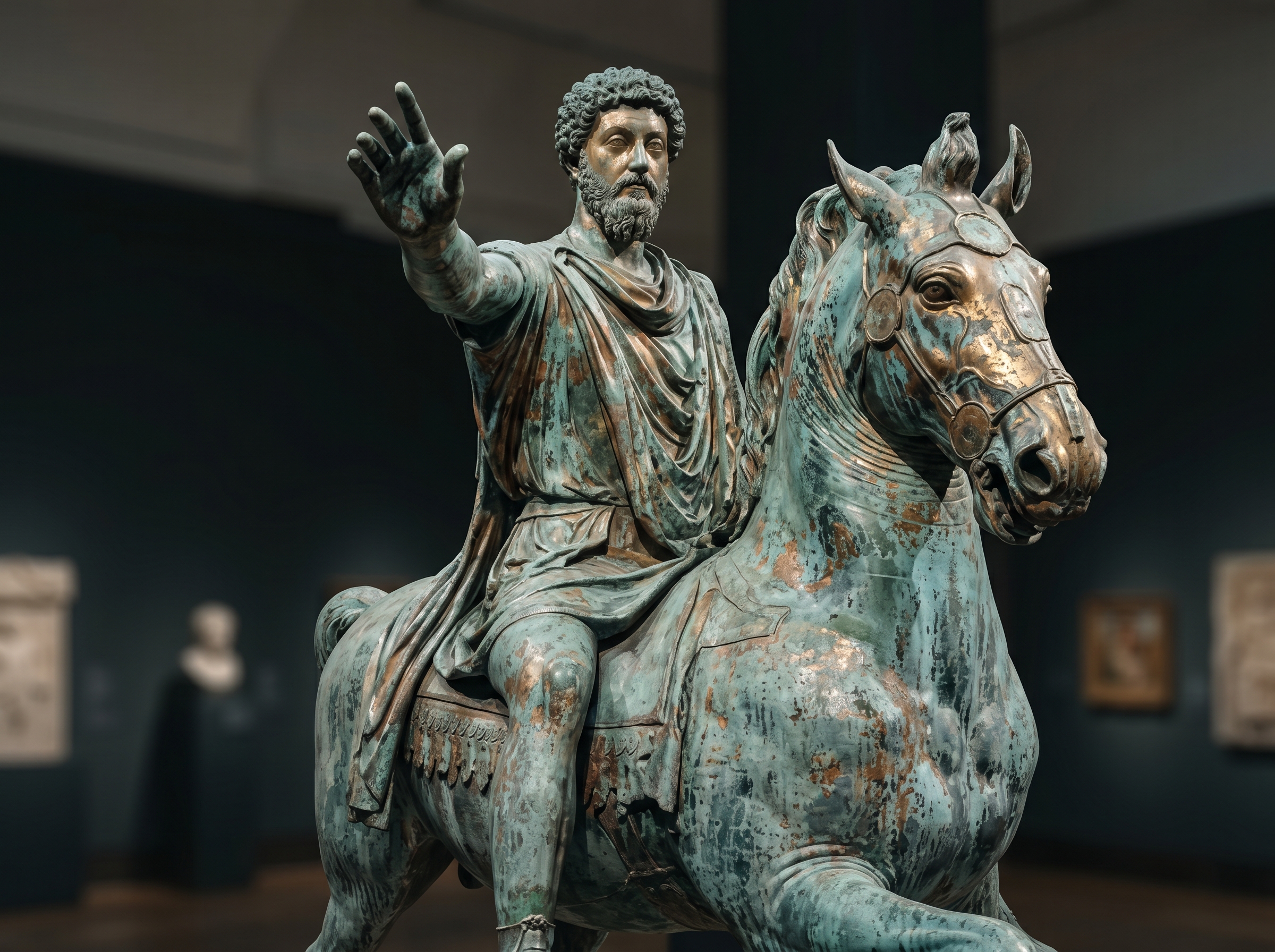
Bronze Equestrian Statue
The only fully surviving bronze statue of a pre-Christian Roman emperor, spared from melting because it was mistaken for Constantine.
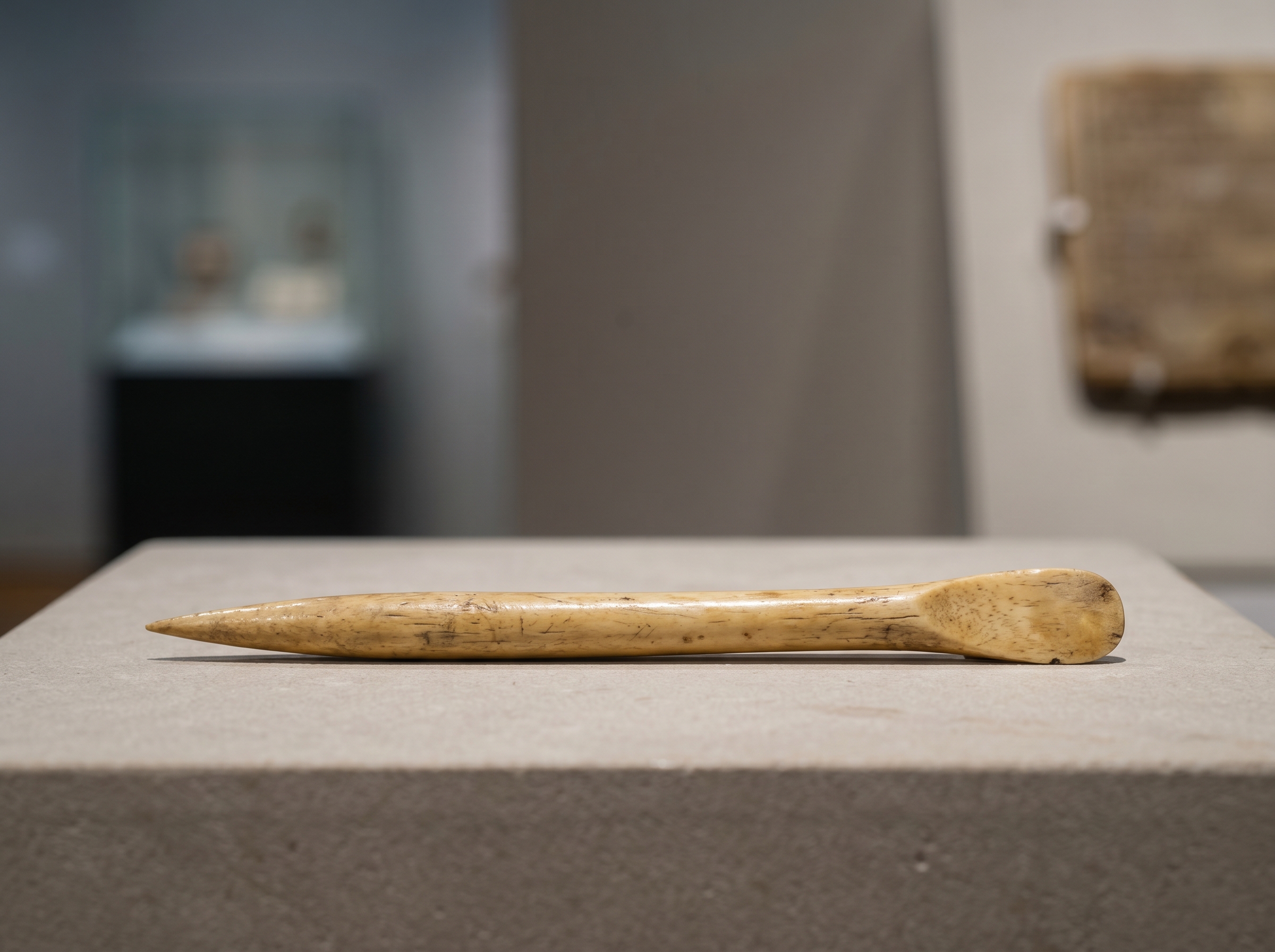
Roman Bone Stylus
A standard Roman writing implement used to scratch notes into wax tablets, similar to the tools Marcus would have used in camp.
Glossary
- hegemonikon: The Stoic concept of the 'ruling faculty' or rational mind—the inner citadel of reasoned judgment that remains invulnerable to external turmoil.
- amor fati: The philosophical mindset of actively loving and embracing every unfolding event and hardship as necessary, purposeful, and woven into destiny.
- logos: The rational, divine principle and active animating reason that governs and structures the entire cosmos in Stoic cosmology.
- sympatheia: The Stoic doctrine of cosmic mutual interdependence, holding that all parts of the universe are organically interwoven into a single living whole.