Byzantine Silk Samite Fragment
Curated by Orea • The Silk Road Through Mountains and Deserts
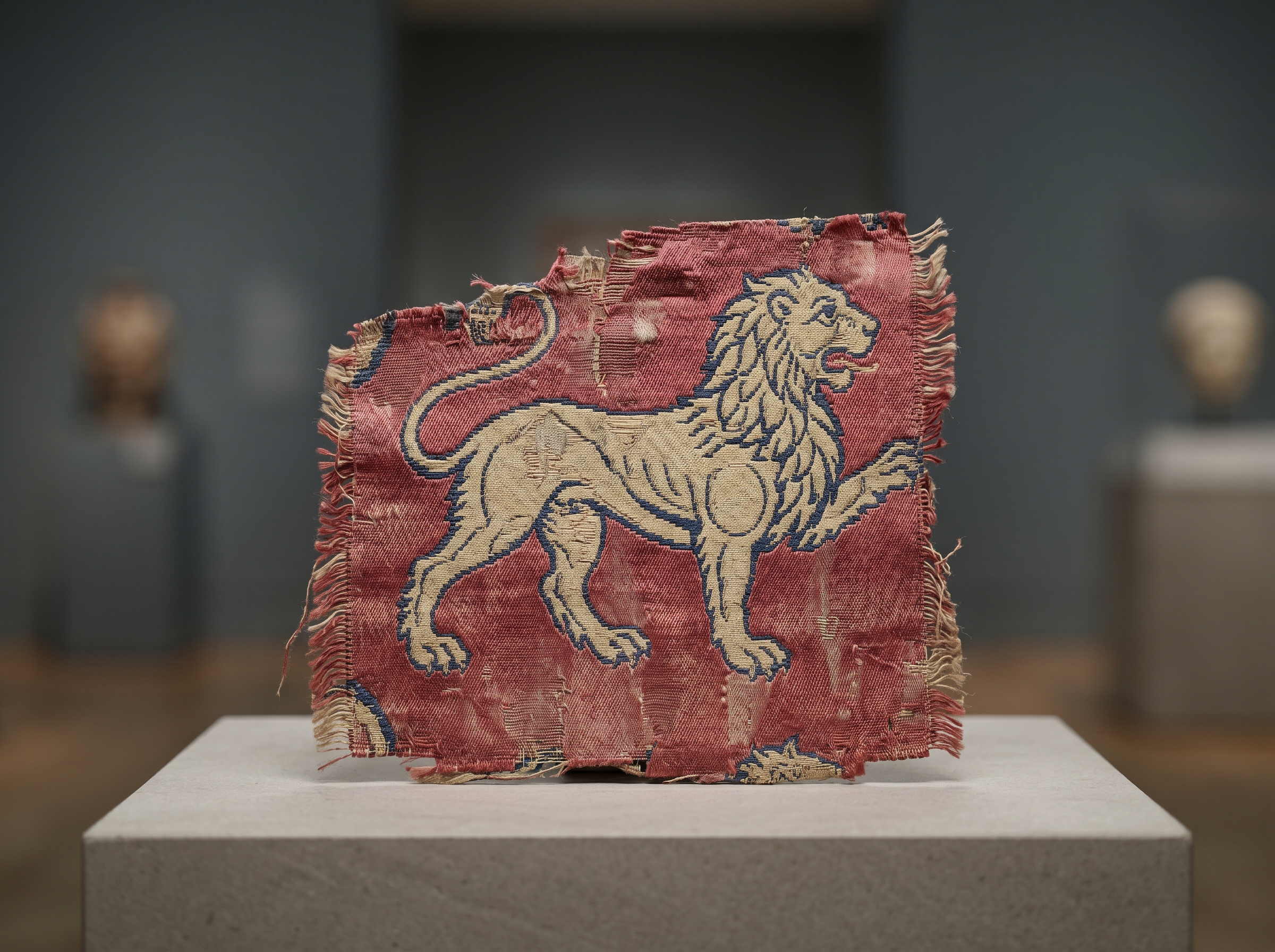
Artifact Details
A frayed, irregular fragment of dense, heavy silk fabric. The weave is a complex samite (weft-faced compound twill). The colors are faded but distinct: a muted crimson background with a pattern of a stylized, muscular lion rendered in pale gold and dark blue threads. The edges are unraveled, showing the individual warp threads.
Primary Source
The Silk Road Through Mountains and Deserts
The Hexi Corridor forms a 1,000-kilometer geographical funnel. Impassable Tibetan Plateau terrain borders its southern edge. To its north expands the arid expanse of the Gobi Desert. Following campaigns in 121 B.C., the Han Dynasty anchored the Jade Gate at its western extremity, fortifying the only viable land route connecting the North China Plain to the Tarim Basin. Merchants attempting to move goods overland across Eurasia faced a rigid topographic mandate. Traversing the continent meant navigating an environment where survival depended entirely on isolated water sources and narrow mountain passes. This 6,400-kilometer network emerged as a tectonic imperative, dictated by the extreme limits of arid geography.
Read Study (17 min) →Artifacts
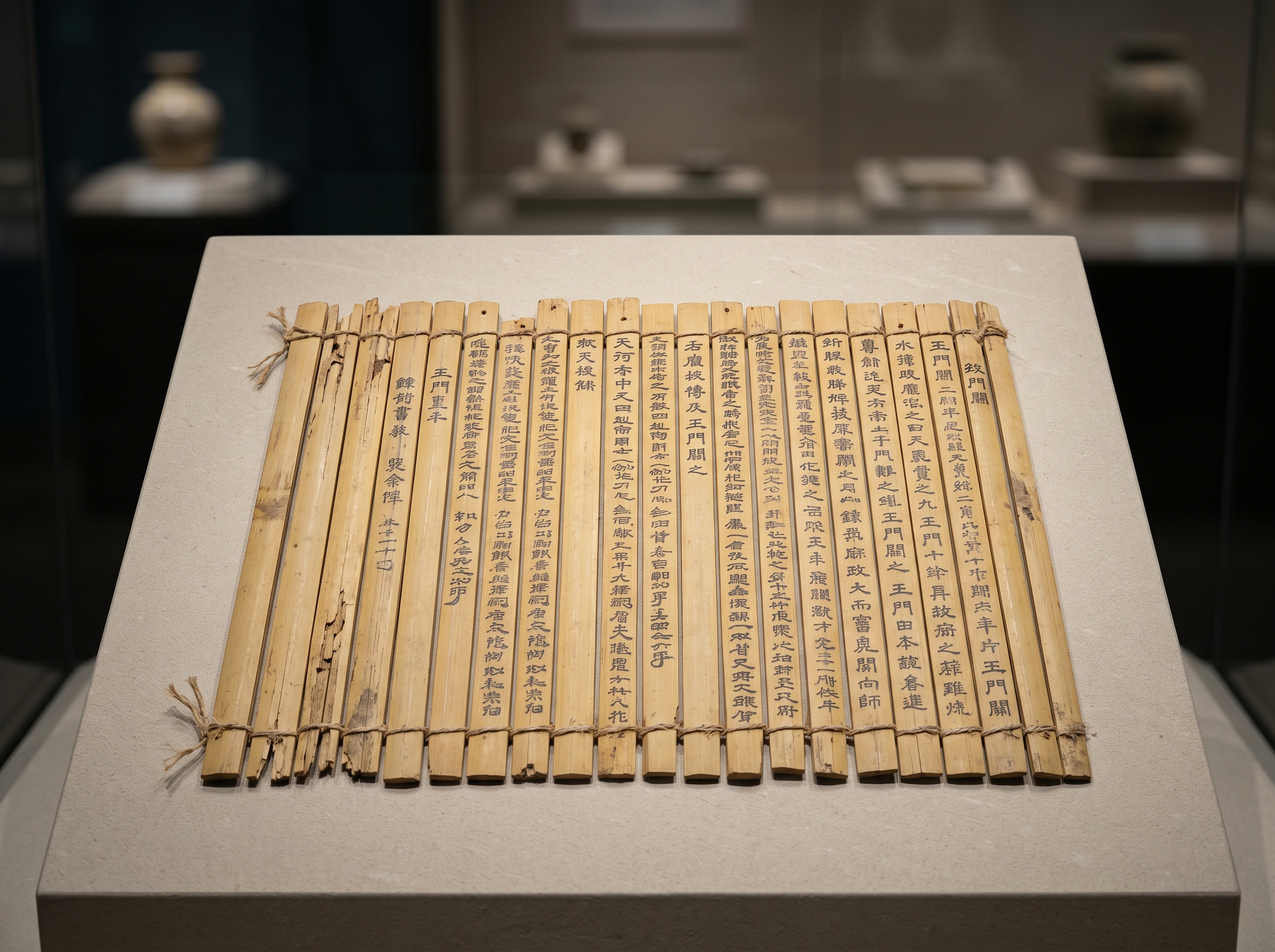
Han Dynasty Bamboo Slips
Administrative records detailing the supply lines, rations, and defenses of the Jade Gate.
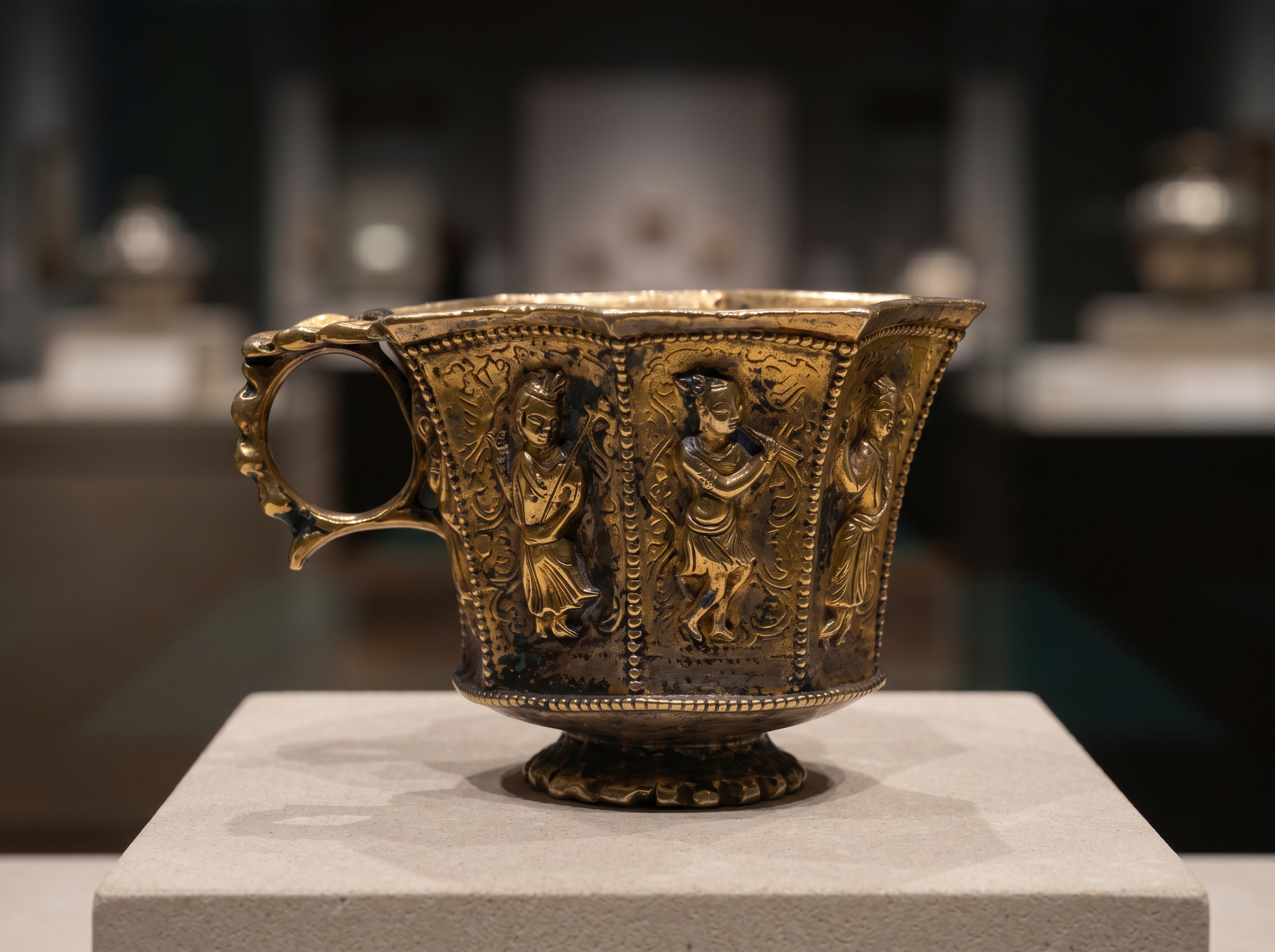
Sogdian Gilded Silver Cup
A luxury vessel demonstrating the syncretism of Persian, Greek, and Chinese metallurgical techniques.
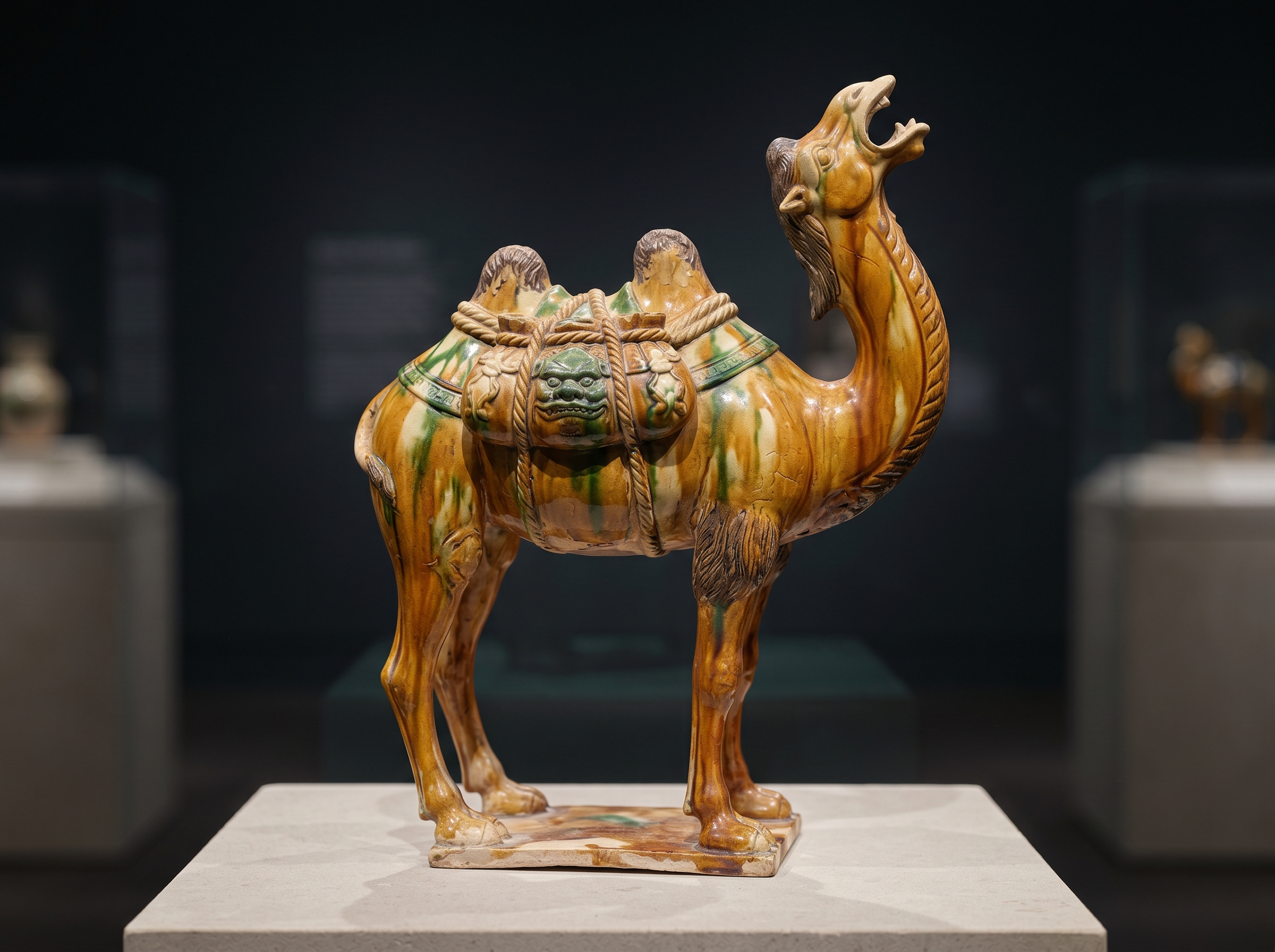
Tang Dynasty Ceramic Camel
A sancai (three-color) glazed ceramic depicting a Bactrian camel carrying trade goods.
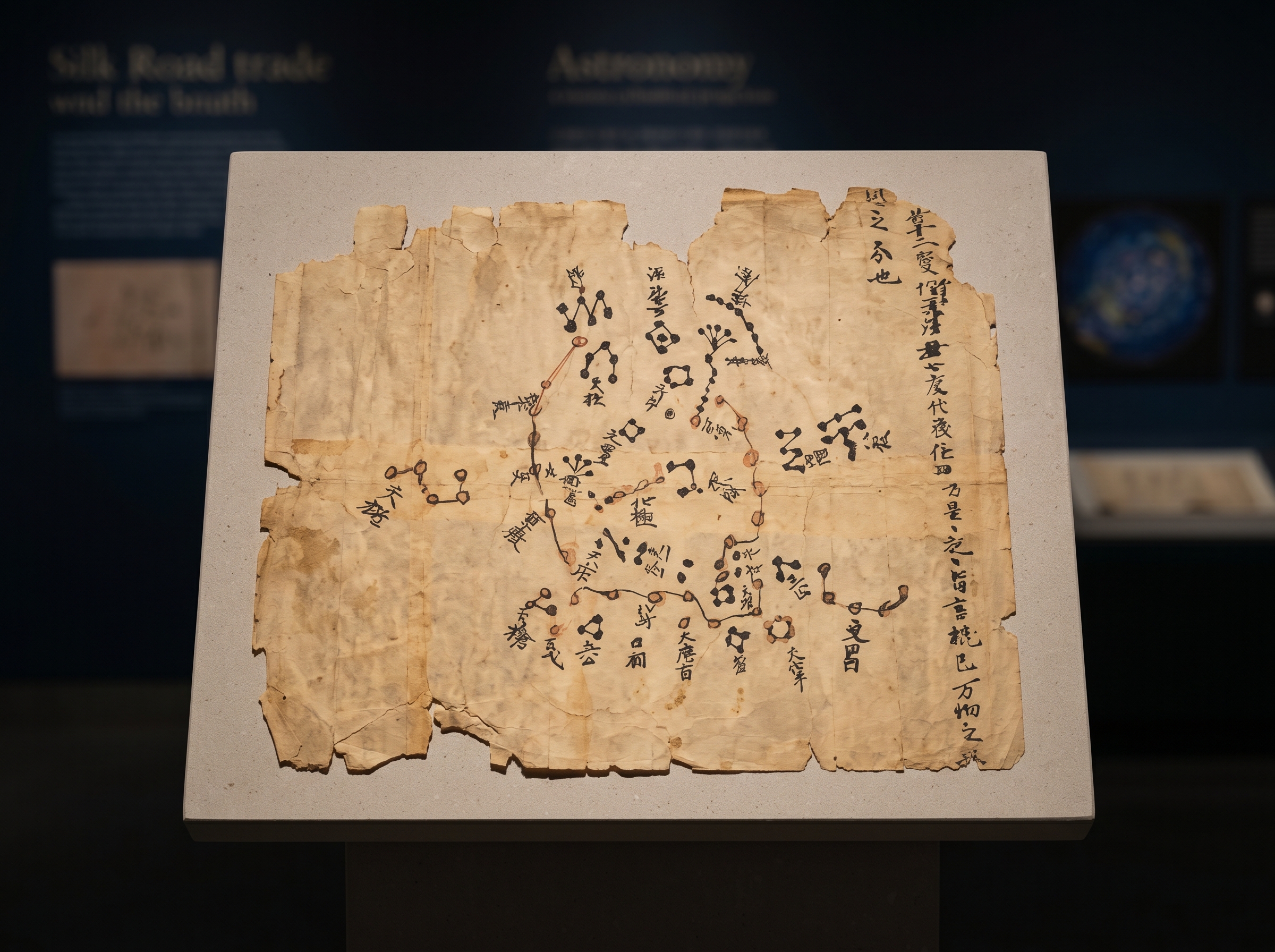
Dunhuang Star Atlas Fragment
The oldest complete preserved star map in the world, utilized for celestial navigation across the desert.
Glossary
- sericulture: The high-precision cultivation of silkworms and harvesting of cocoons to produce raw silk, treated as a guarded state secret for centuries.
- caravanserai: A fortified, square-walled roadside inn built around a spacious courtyard to shelter long-distance merchants, draft animals, and valuable cargo.
- pax mongolica: The era of relative geopolitical stability across Eurasia under Mongol hegemony, enabling secure, uninterrupted transcontinental transit.
- sogdiana: The ancient Iranian-speaking region in Central Asia whose highly adaptable merchants organized and dominated the Silk Road's primary trading network.