Sogdiana
Curated by Orea • The Silk Road Through Mountains and Deserts
Definition
The ancient Iranian-speaking region in Central Asia whose highly adaptable merchants organized and dominated the Silk Road's primary trading network.
In Context
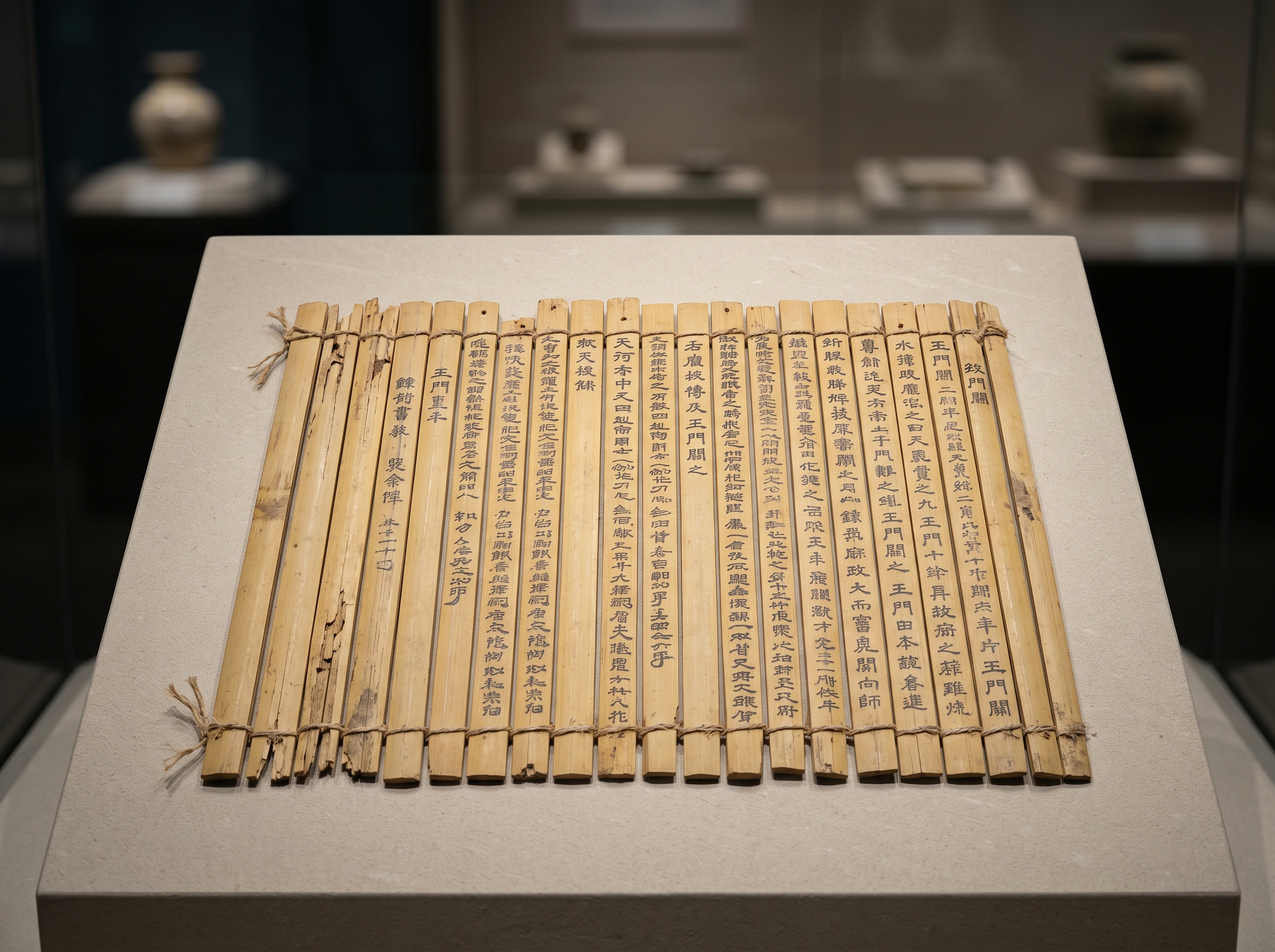
Beyond the mountains, the Zarafshan river valley offered fertile ground and a respite from the high-altitude passes. This region, known as Sogdiana, produced the primary middlemen of the Eurasian network. From the fourth to the eighth centuries, Sogdian merchants directed the flow of goods across the center of the continent. These traders established walled colonies from the Byzantine frontier in the west to the Tang capital of Chang'an in the east. Ancient letters discovered in a ruined watchtower near Dunhuang reveal a commercial intelligence network tracking the price of musk, silver, and silk across thousands of miles.
Primary Source
The Silk Road Through Mountains and Deserts
An analysis of the geographical choke points, arid basins, and mountain passes that dictated the precise route of the ancient Silk Road.
Read Study (17 min) →Artifacts
Glossary
- sericulture
- The high-precision cultivation of silkworms and harvesting of cocoons to produce raw silk, treated as a guarded state secret for centuries.
- caravanserai
- A fortified, square-walled roadside inn built around a spacious courtyard to shelter long-distance merchants, draft animals, and valuable cargo.
- pax mongolica
- The era of relative geopolitical stability across Eurasia under Mongol hegemony, enabling secure, uninterrupted transcontinental transit.
- hexi corridor
- The narrow, one-thousand-kilometer passage between the Tibetan Plateau and the Gobi Desert that channeled all Chinese land trade westward.
- tarim basin
- The vast, extremely arid endorheic region containing the Taklamakan Desert, surrounded by formidable mountain ranges that dictated oasis routes.