Death Zone
Curated by Orea • Mount Everest Above 8,000 Meters in the Death Zone
Definition
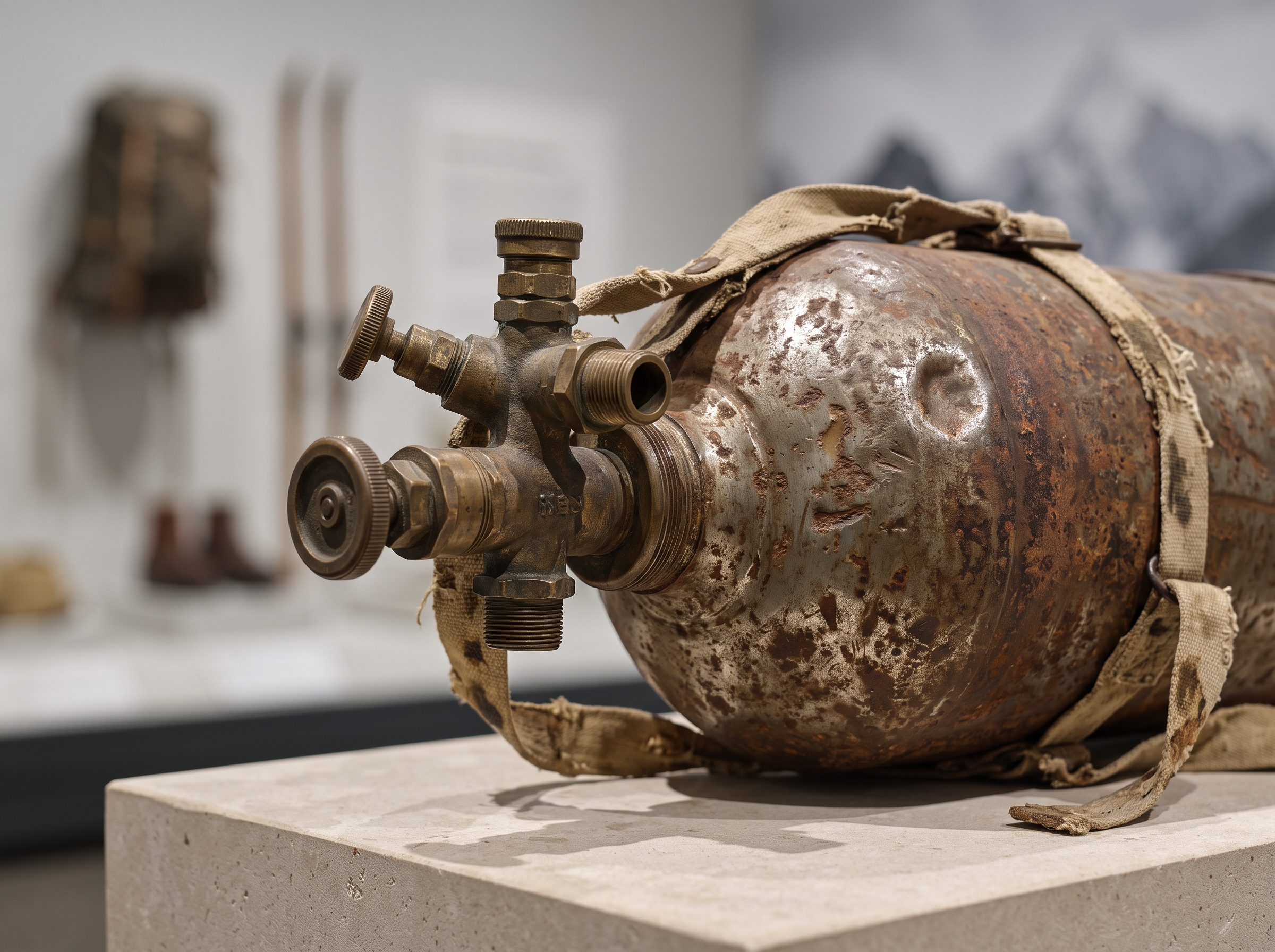
Altitudes above 8,000 meters (26,000 ft) where the amount of oxygen is insufficient to sustain human life.
In Context
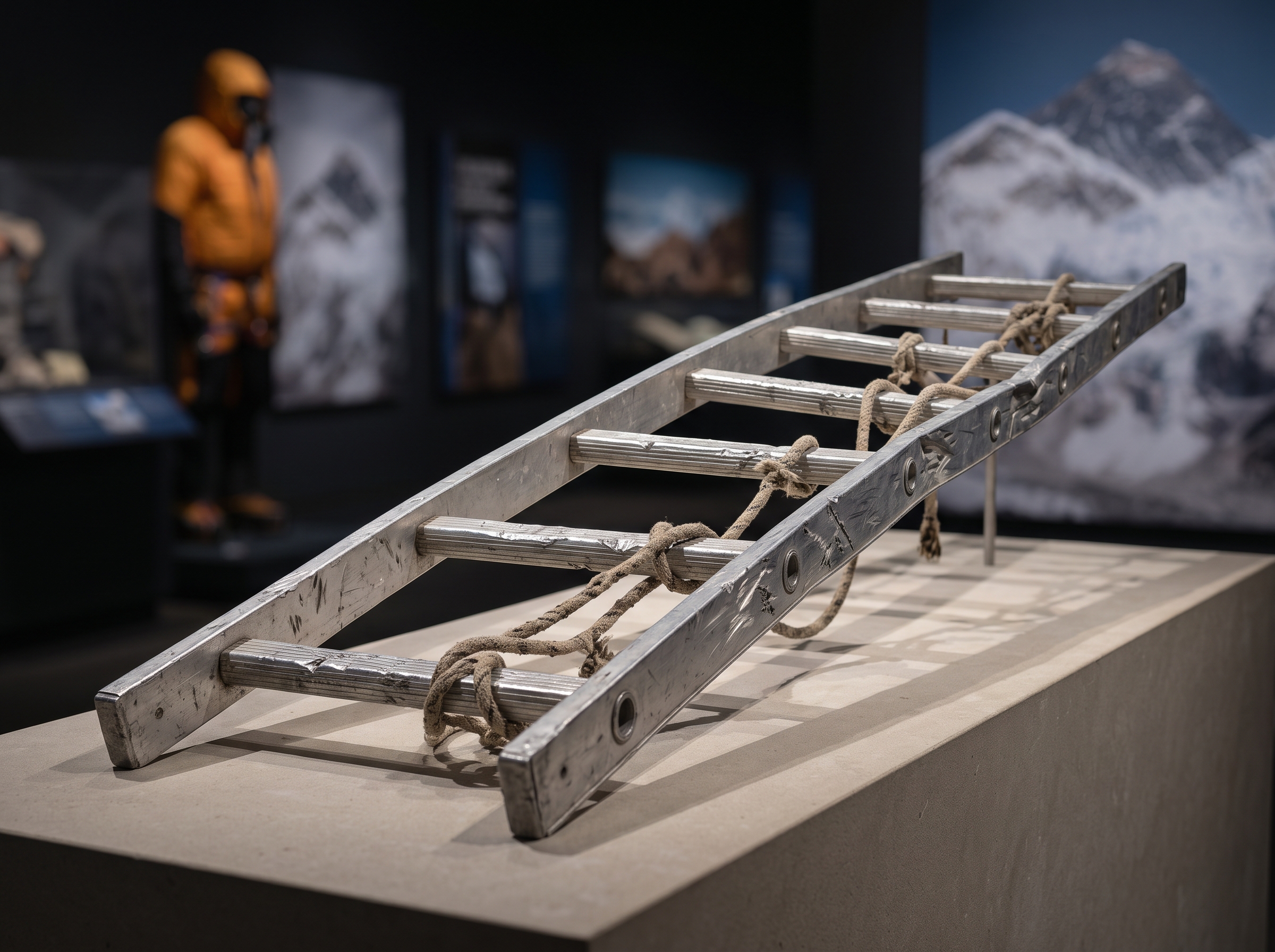
Paying clients from dozens of commercial expeditions attempt the summit simultaneously, leading to severe congestion at this exact coordinate. A viral photograph from May 2019 revealed a continuous, unbroken line of climbers waiting for hours in the Death Zone. Prolonged exposure here frequently proves lethal. Standing idle in extreme cold drains core body temperature while consuming strictly calculated oxygen supplies. Ascending climbers clip into a single fixed nylon rope, entirely dependent on the pace of the slowest person ahead of them.
Primary Source
Mount Everest Above 8,000 Meters in the Death Zone
An exploration of Mount Everest not as a triumph, but as a rigid thermodynamic and biological barrier. When the partial pressure of oxygen drops to one-third of sea level, human carrying capacity drops to zero.
Read Study (16 min) →Artifacts

Glossary
- hypoxia
- A condition in which the body or a region of the body is deprived of adequate oxygen supply at the tissue level.
- qomolangma
- The Tibetan name for Mount Everest, translating to 'Holy Mother'.
- khumbu icefall
- A rapidly moving, treacherous glacier characterized by massive ice towers and deep crevasses on the Nepali side.
- hace
- High Altitude Cerebral Edema; a severe, often fatal altitude sickness causing the brain to swell with fluid.
- hape
- High Altitude Pulmonary Edema; a severe, life-threatening high-altitude illness where fluid accumulates in the lungs.