Palatial Economies
Curated by Valerius • Late Bronze Age Collapse from Mycenae to Ugarit
Definition
Highly centralized Bronze Age state structures where a central authority managed the collection, storage, and redistribution of agricultural and trade goods.
In Context
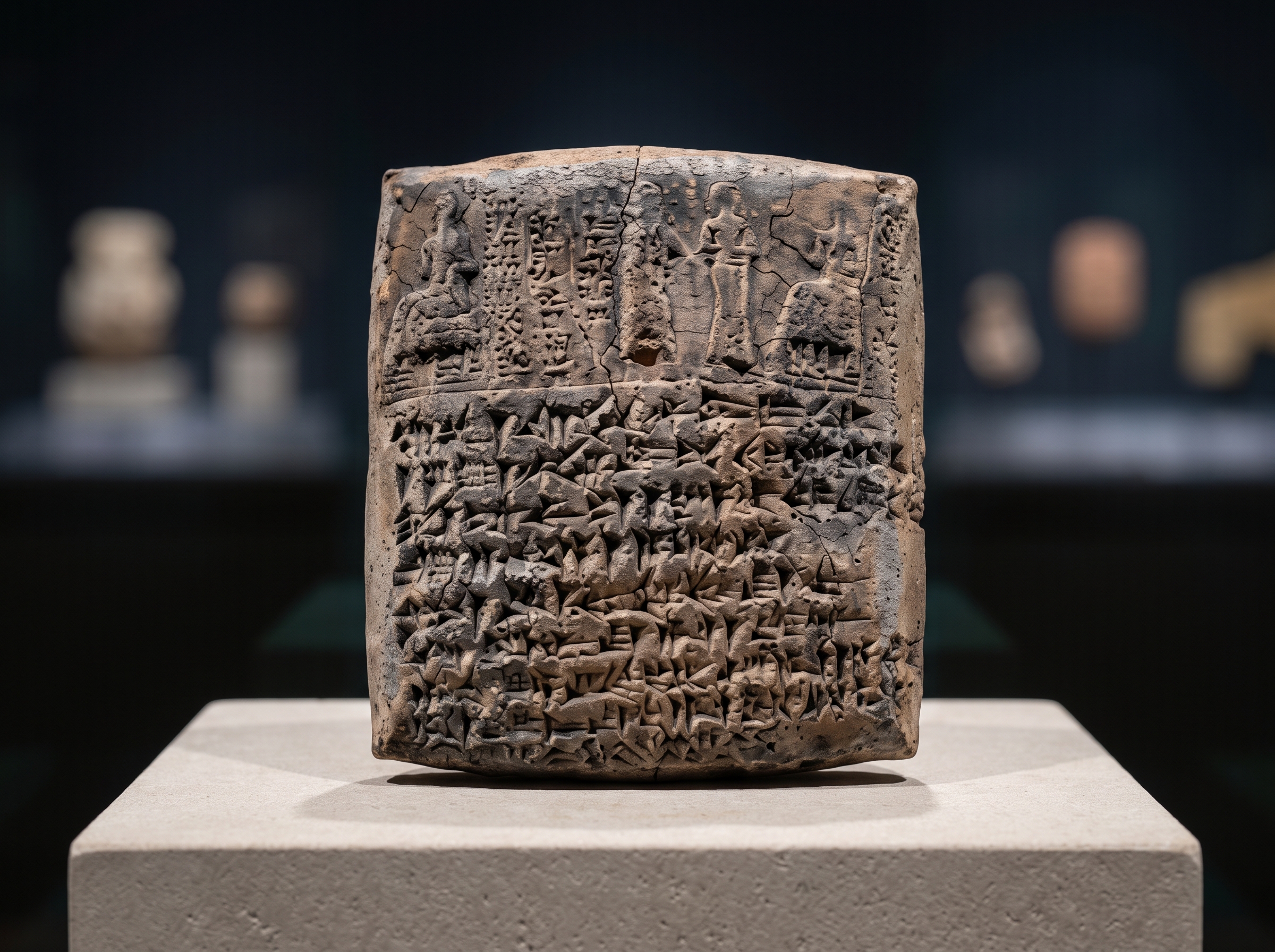
In 1200 B.C., the Mediterranean operated as a massive, synchronized network of commerce. Merchant galleys crisscrossed the waters carrying copper from Cyprus, timber from Lebanon, and luxury goods from Minoan Crete. State-run palatial economies controlled this flow. Kings addressed each other as "brother" in cuneiform diplomatic letters, negotiating massive shipments of raw goods with extreme precision. Surviving tablets document a deeply integrated world.
Primary Source
Late Bronze Age Collapse from Mycenae to Ugarit
A deep analysis of the logistical and systemic collapse of the Late Bronze Age Mediterranean. The 1177 B.C. collapse proves that hyper-optimized, tightly coupled global trade networks are fundamentally fragile against compounding simultaneous external shocks.
Read Study (15 min) →Artifacts
Glossary
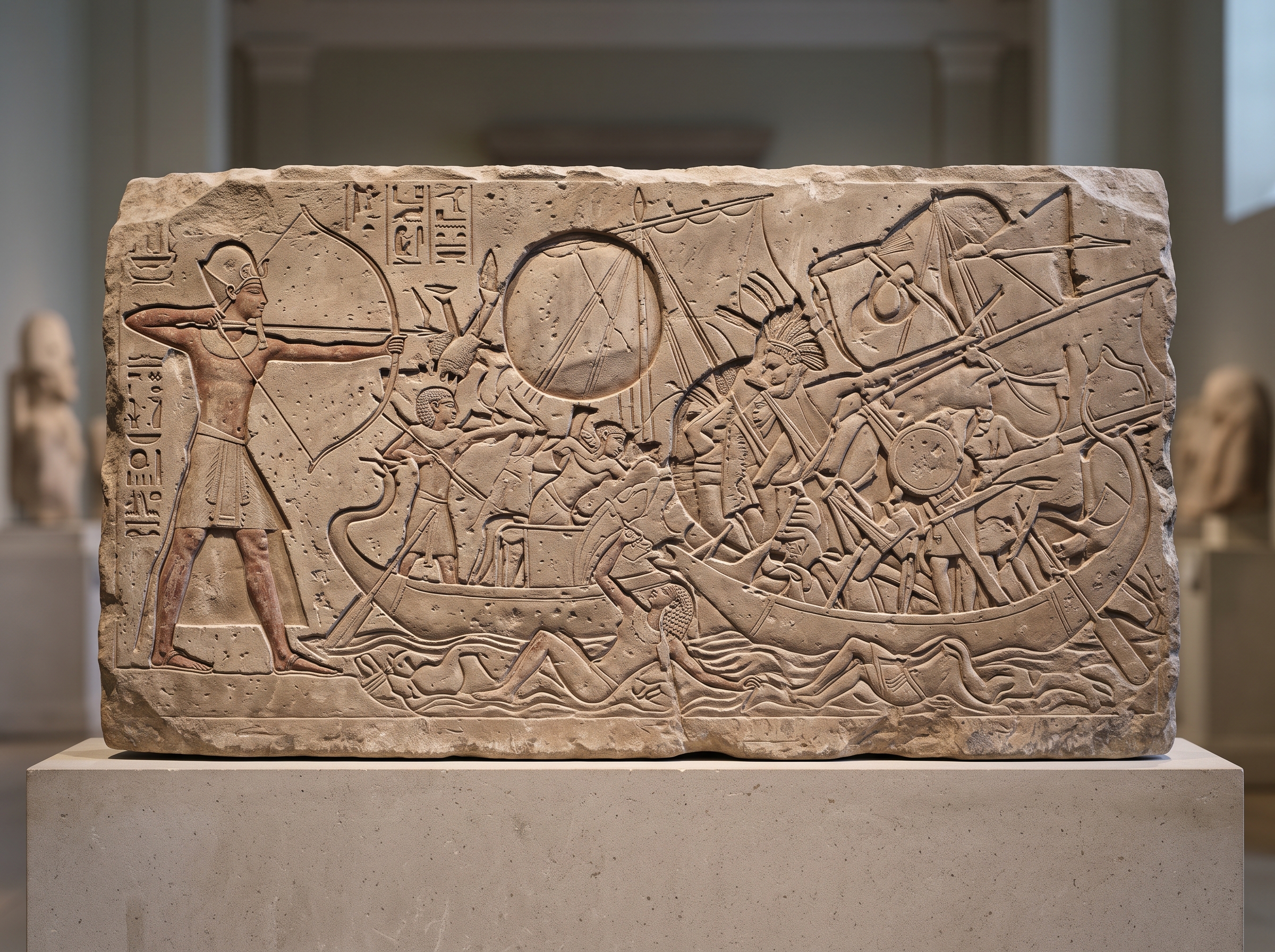
- sea peoples
- A modern archaeological term for the confederation of displaced maritime groups, refugees, and raiders who assaulted the Eastern Mediterranean at the end of the Bronze Age.
- cuneiform
- An ancient wedge-shaped writing system pressed into wet clay tablets, used for diplomacy, trade records, and state administration.
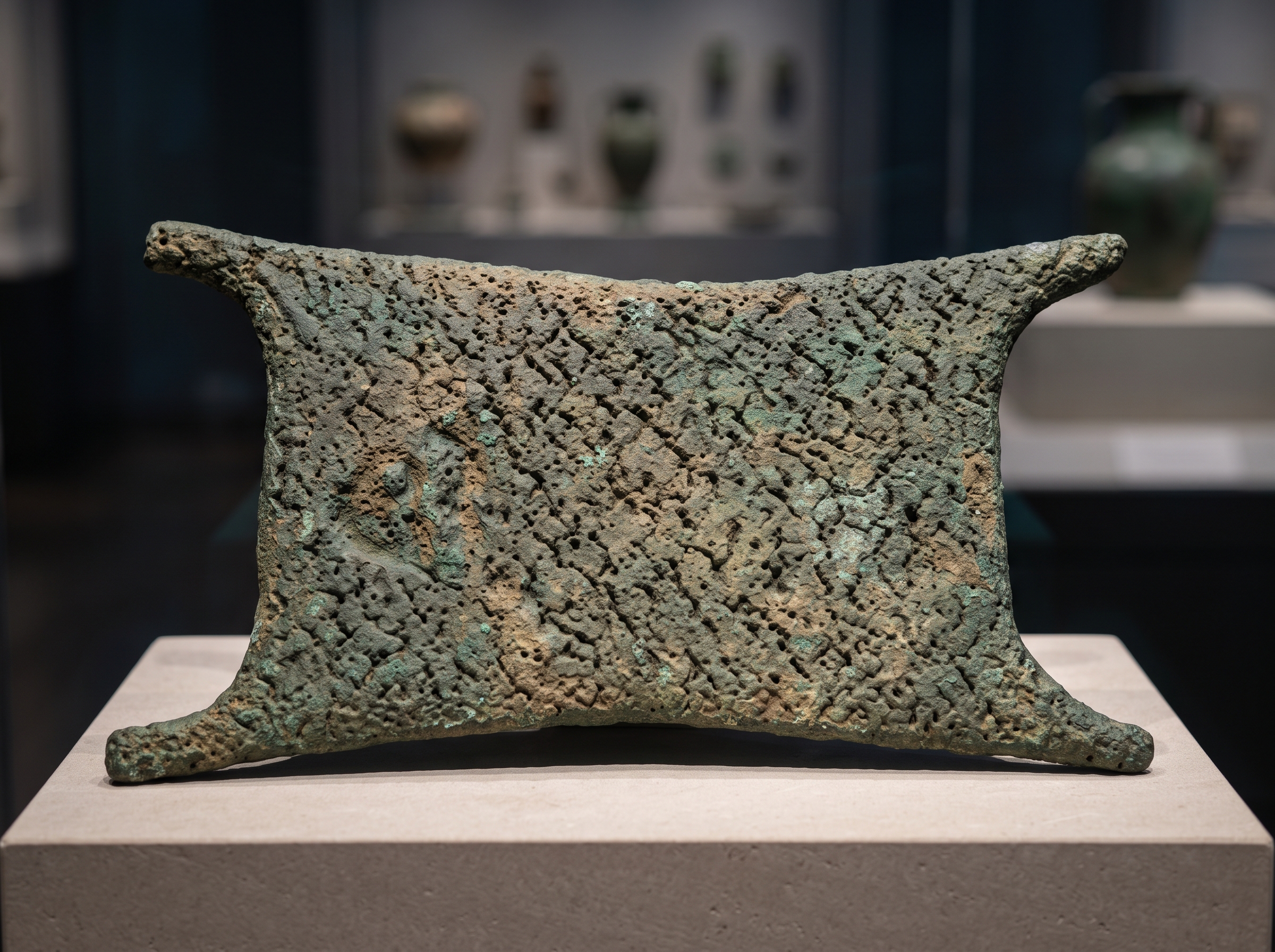
- oxhide ingots
- Heavy, 30-kilogram slabs of cast copper shaped like stretched animal hides with four corner handles, used as standard units of trade.
- naue ii
- A revolutionary, leaf-shaped cast bronze sword designed for both cutting and thrusting, which gave mobile infantry an advantage over rigid chariot armies.
- ramses iii
- The last great pharaoh of the New Kingdom of Egypt, who successfully defended Egypt's borders against the Sea Peoples in 1177 B.C.