Sea Peoples
Curated by Valerius • Late Bronze Age Collapse from Mycenae to Ugarit
Definition
A modern archaeological term for the confederation of displaced maritime groups, refugees, and raiders who assaulted the Eastern Mediterranean at the end of the Bronze Age.
In Context
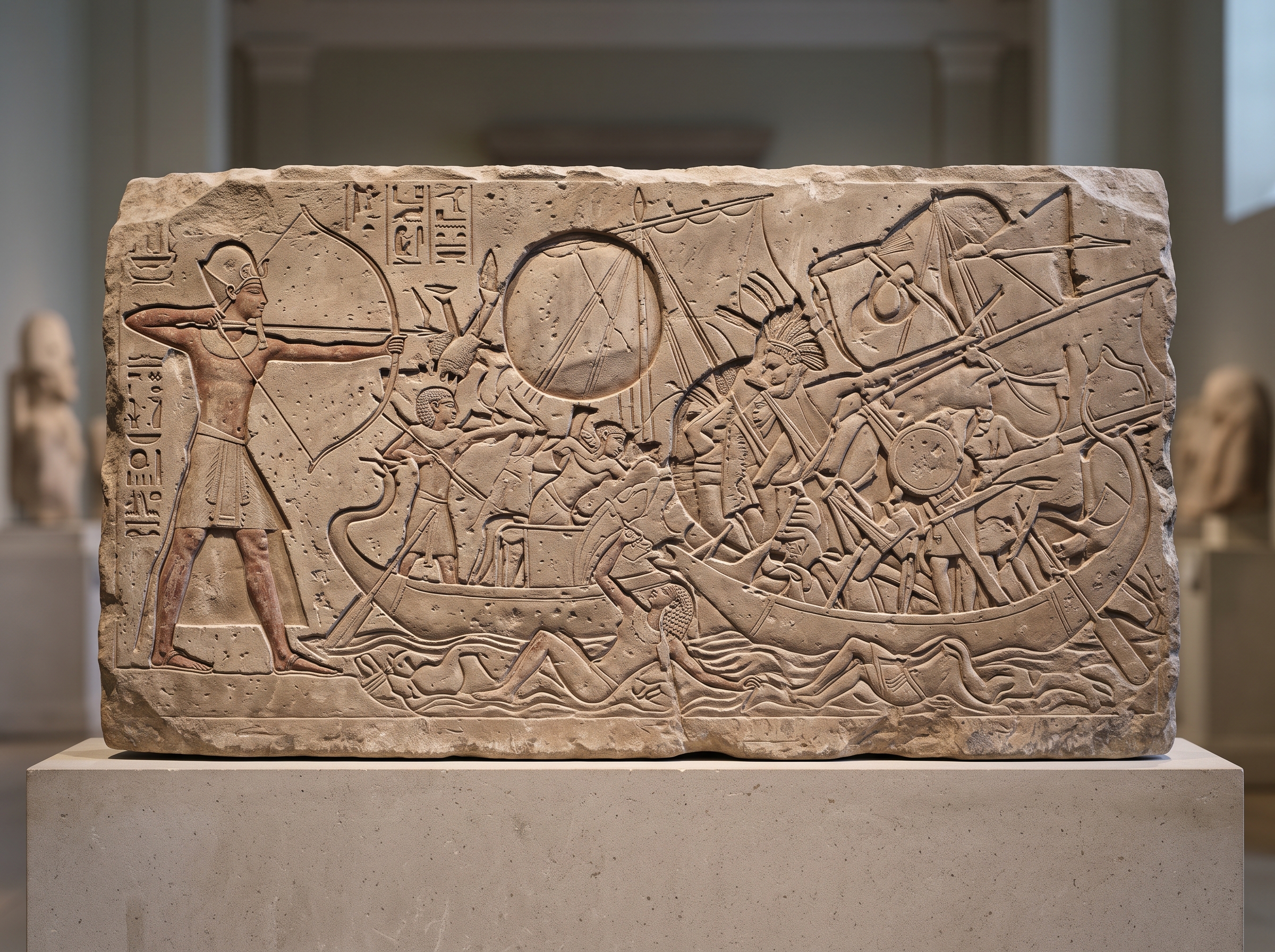
Historical texts label the resulting aggressors the "Sea Peoples." Egyptian reliefs depict them as terrifying foreign invaders wearing feathered headdresses and horned helmets. Modern archaeological consensus suggests a more complex, desperate truth. These forces formed a loose confederation of displaced populations, pirates, and refugees pushed onto the water by climate collapse. Surviving records name various groups: the Sherden, the Peleset, the Tjeker, and the Lukka.
Primary Source
Late Bronze Age Collapse from Mycenae to Ugarit
A deep analysis of the logistical and systemic collapse of the Late Bronze Age Mediterranean. The 1177 B.C. collapse proves that hyper-optimized, tightly coupled global trade networks are fundamentally fragile against compounding simultaneous external shocks.
Read Study (15 min) →Artifacts
Glossary
- palatial economies
- Highly centralized Bronze Age state structures where a central authority managed the collection, storage, and redistribution of agricultural and trade goods.
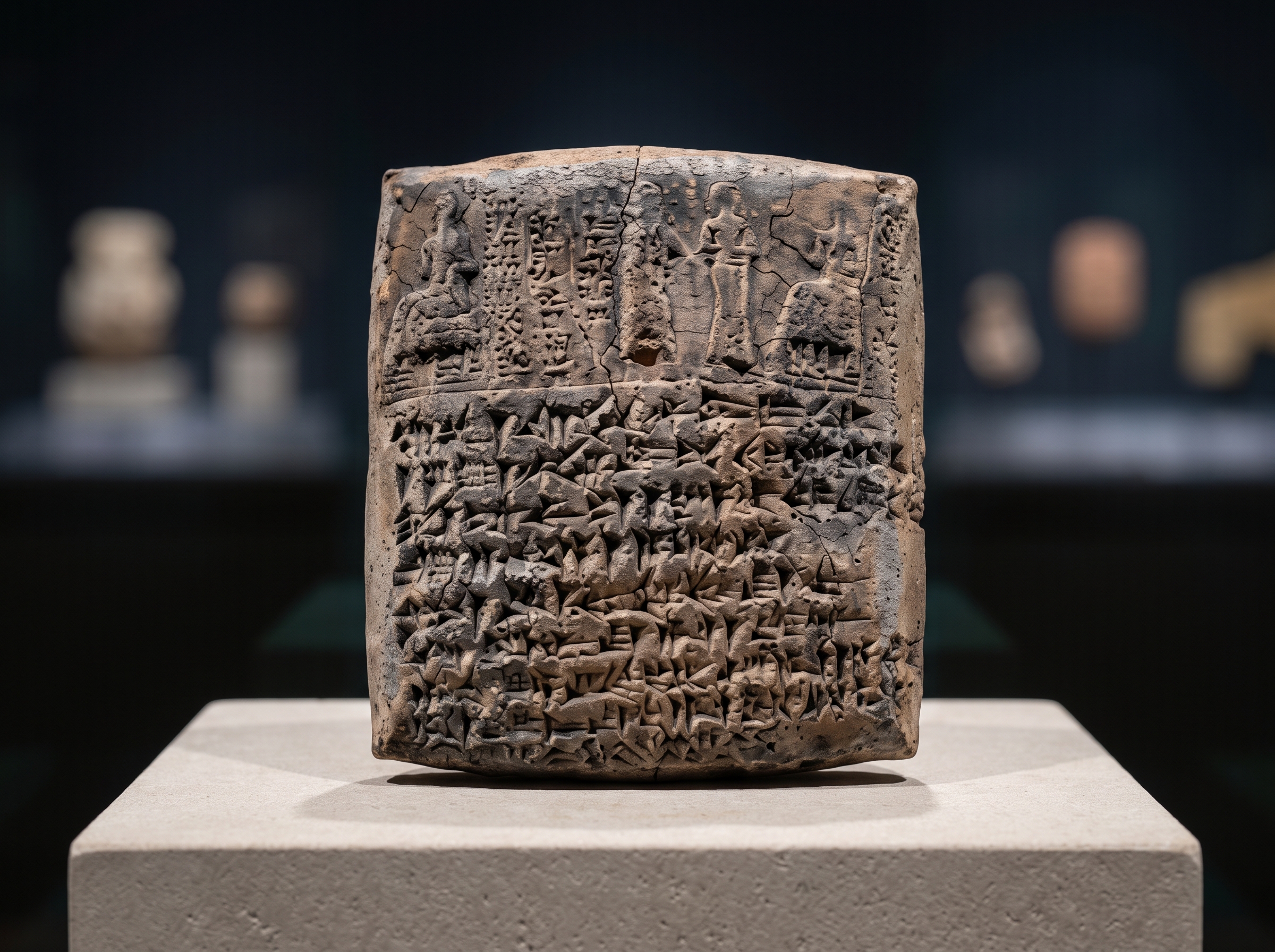
- cuneiform
- An ancient wedge-shaped writing system pressed into wet clay tablets, used for diplomacy, trade records, and state administration.
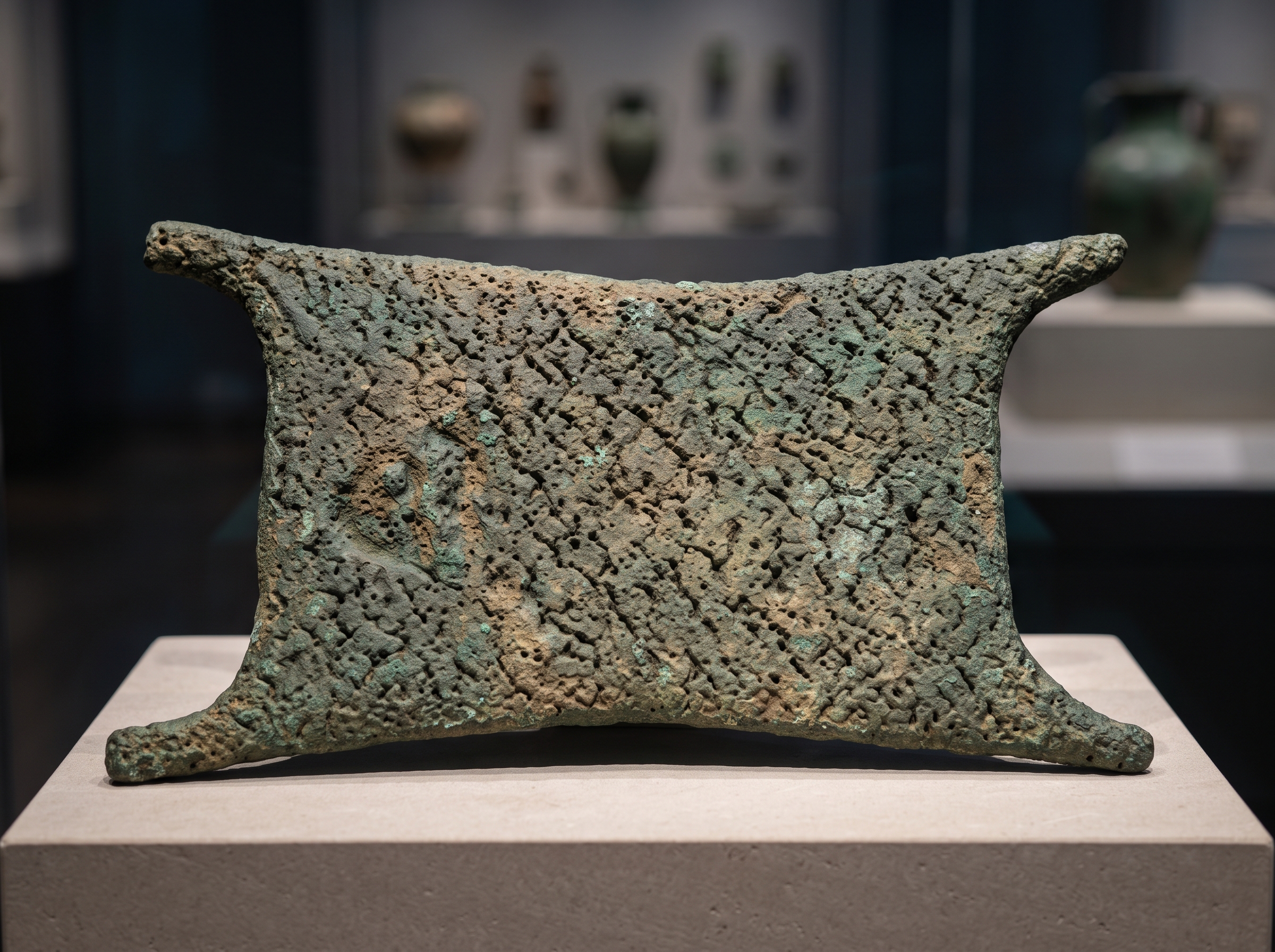
- oxhide ingots
- Heavy, 30-kilogram slabs of cast copper shaped like stretched animal hides with four corner handles, used as standard units of trade.
- naue ii
- A revolutionary, leaf-shaped cast bronze sword designed for both cutting and thrusting, which gave mobile infantry an advantage over rigid chariot armies.
- ramses iii
- The last great pharaoh of the New Kingdom of Egypt, who successfully defended Egypt's borders against the Sea Peoples in 1177 B.C.