Royal Cubit
Curated by Orea • The Great Pyramid of Giza and Pharaoh Khufu
Definition
The standard ancient Egyptian unit of linear measurement, roughly 52.4 centimeters, derived from the length of a human forearm.
In Context
Margins for error proved non-existent. Slight deviations at the base would compound exponentially as the structure rose, preventing the four faces from meeting at a perfect apex 146 meters in the air. Architects enforced a standard unit, the Royal Cubit, distributed via wooden measuring rods to every work gang. Precision demanded that base sides, each over 230 meters long, differ by no more than a few centimeters.
Primary Source
The Great Pyramid of Giza and Pharaoh Khufu
Khufu's monument demanded total geographic mobilization and the synchronized absorption of the Egyptian economy. Moving 6 million tons of stone created a bureaucratic template that governed Egypt for centuries.
Read Study (17 min) →Artifacts
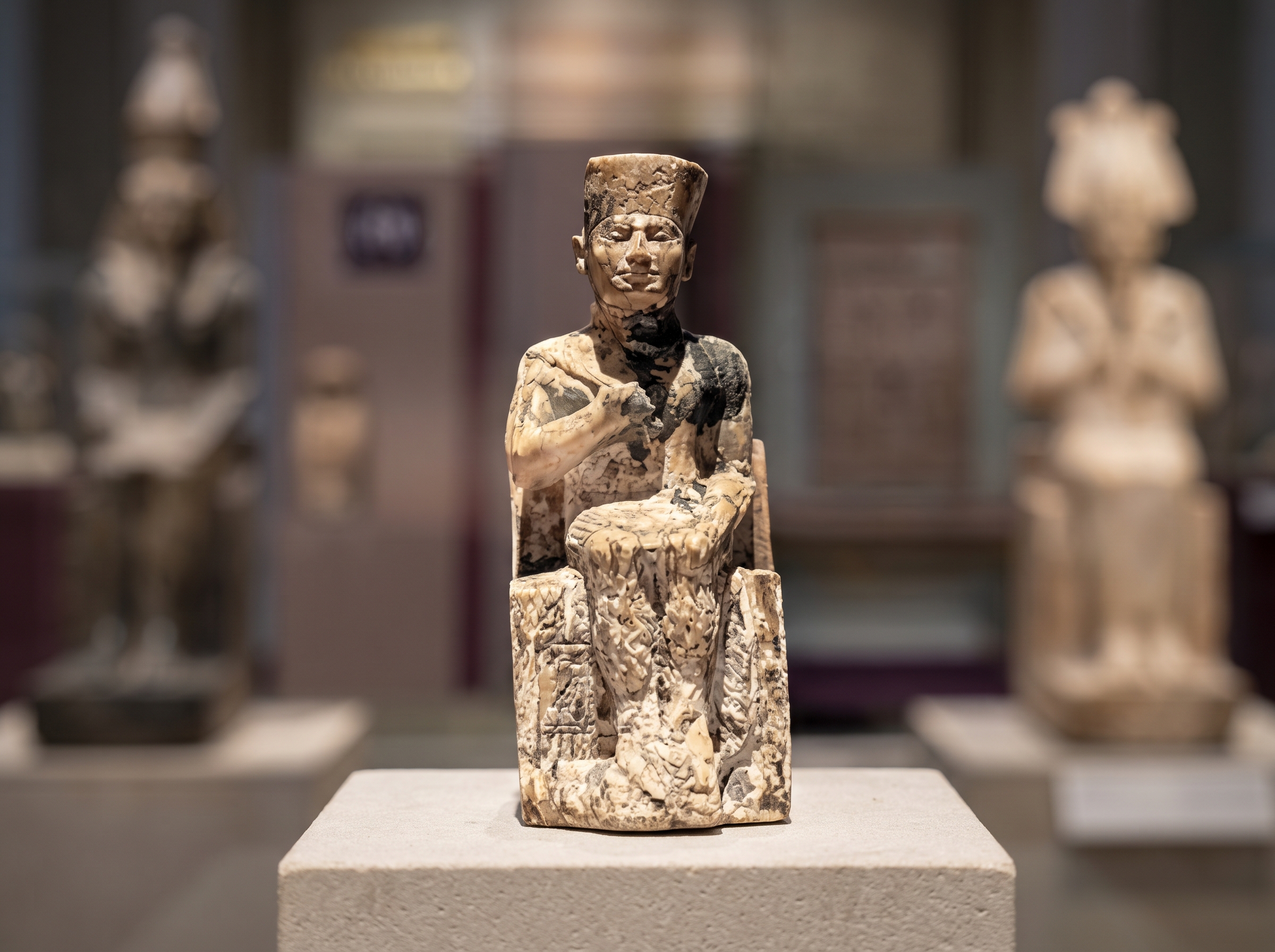
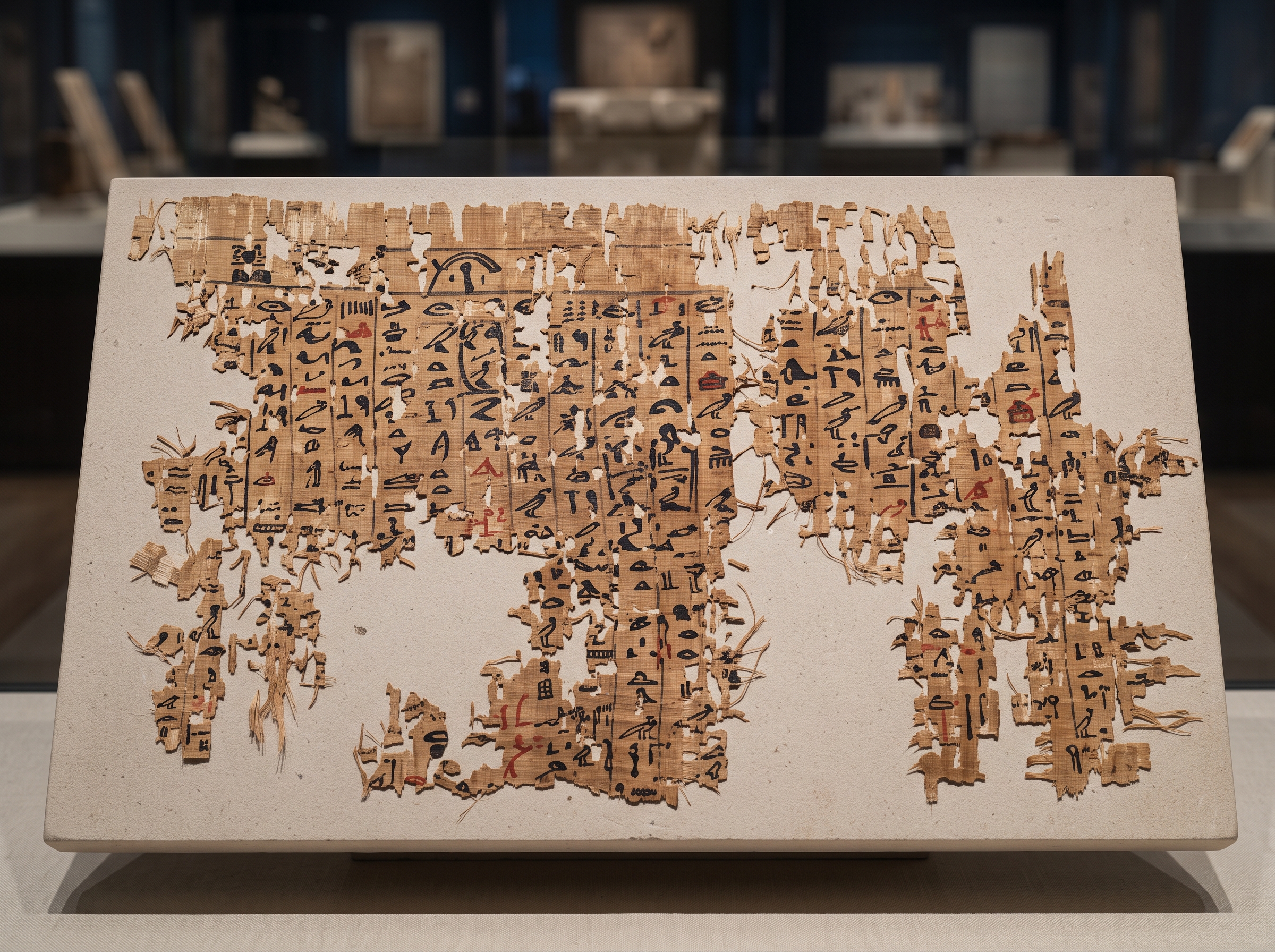
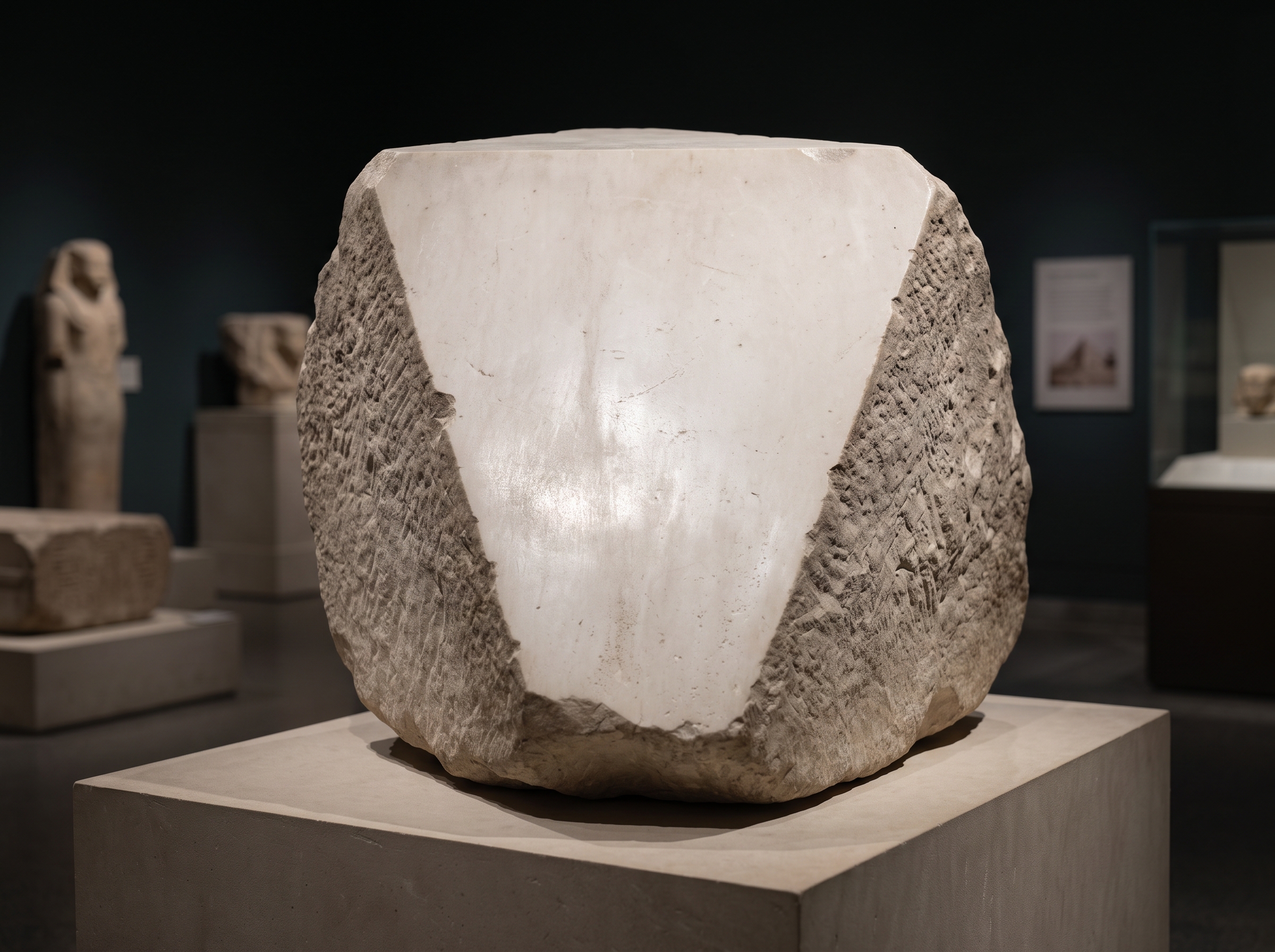
Glossary
- corvée
- Unpaid, state-mandated conscripted labor levied on the peasantry to complete massive public works projects during the Nile flood season.
- mastaba
- A flat-roofed, bench-shaped mudbrick or stone tomb that served as the primary architectural precursor to the stepped and true pyramids.
- tura limestone
- The exceptionally fine, bright-white limestone quarried across the Nile and hauled to Giza to serve as the highly reflective outer casing blocks.
- dolerite
- An extremely hard, dense basaltic rock fashioned into heavy spherical hammerstones used to laboriously pound and shape granite blocks.
- relieving chambers
- The five narrow, granite-roofed compartments constructed above the King's Chamber to divert the immense weight of the pyramid overhead.