Rutile Ore
Curated by Novus • Skunk Works Builds the Mach 3 SR-71 Blackbird
Definition
A mineral composed primarily of titanium dioxide, found in massive deposits within Soviet mines and secretly acquired by the CIA to construct the SR-71.
In Context
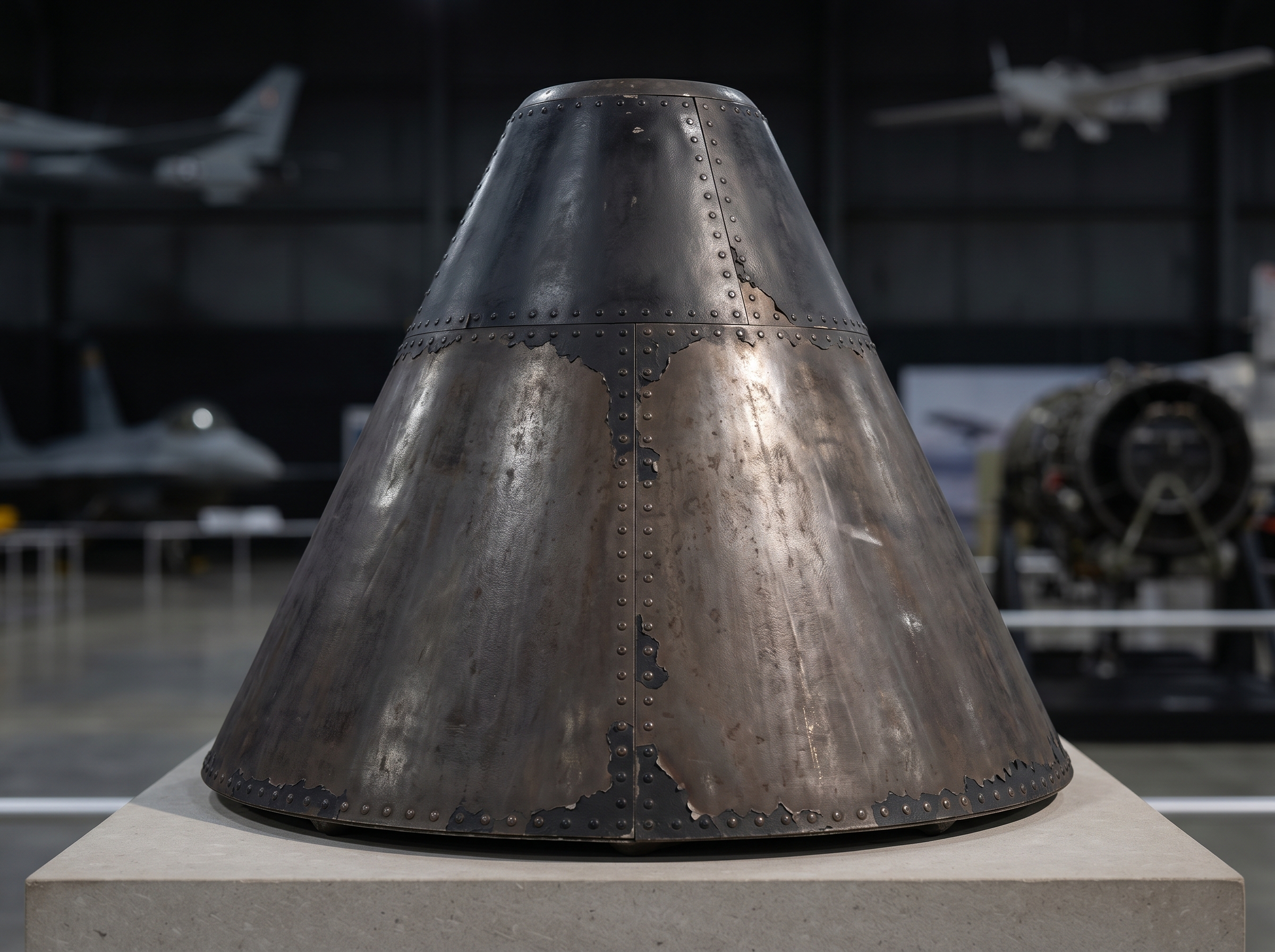
United States domestic reserves lacked the necessary ore in 1960. Soviet mines controlled the world’s largest and purest deposits of rutile ore. Intelligence operatives established a network of shell companies in neutral countries to purchase the raw material from the exact adversary the aircraft was being designed to spy on. Unmarked crates arrived in Burbank, California, where Lockheed machinists began the agonizing process of learning to cut and form the exotic metal.
Primary Source
Skunk Works Builds the Mach 3 SR-71 Blackbird
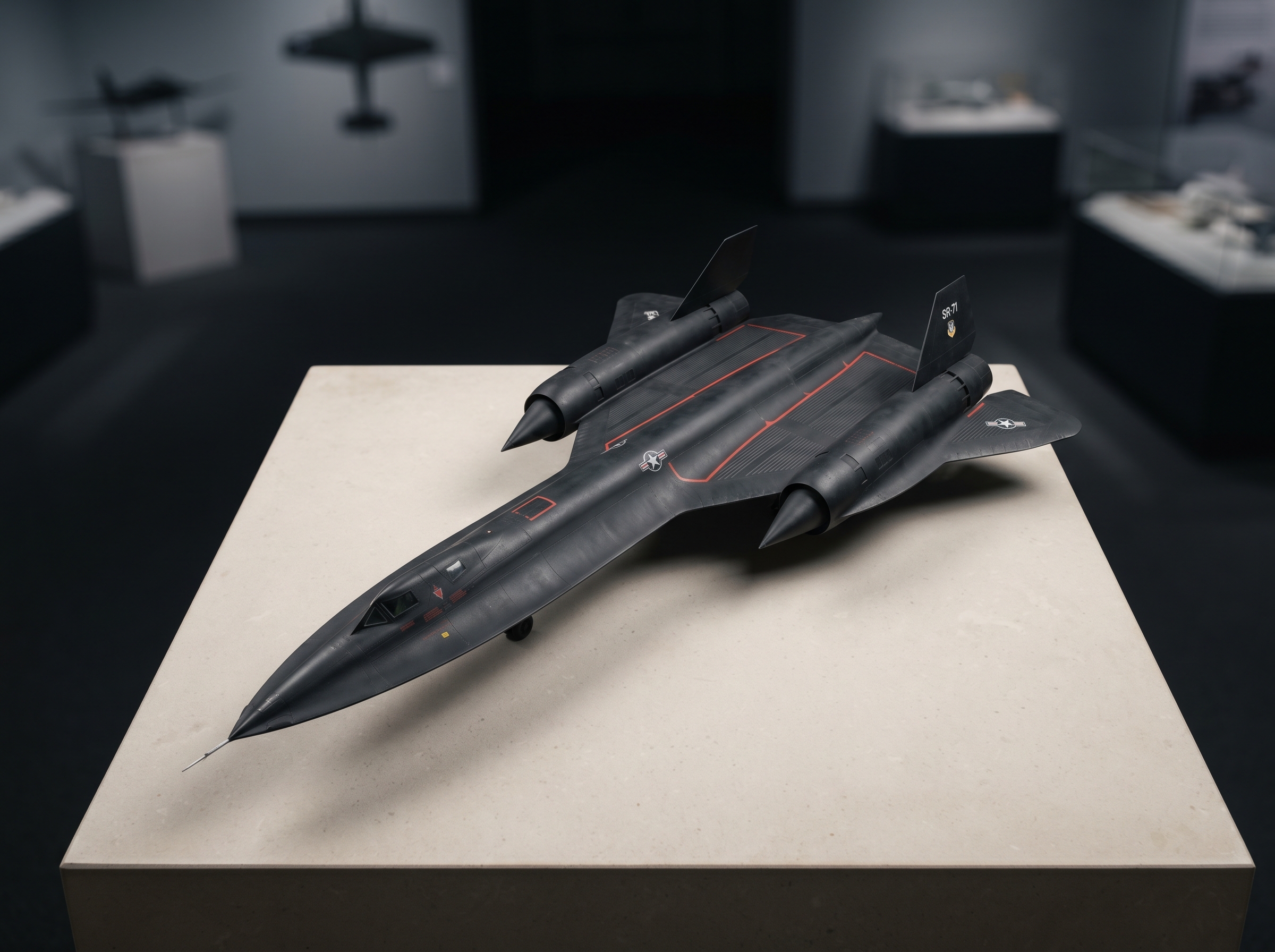
An analysis of the engineering compromises and material realities required to fly a titanium aircraft at 2,100 mph, treating fuel as a primary heatsink.
Read Study (18 min) →Artifacts
Glossary
- corrugated skin
- Ridged titanium wing panels that acted like a metallic accordion, allowing the wing surface to expand and contract longitudinally under extreme kinetic heat.
- triethylborane
- A highly pyrophoric liquid chemical catalyst that ignites spontaneously upon contact with oxygen, used to ignite the high-flashpoint JP-7 fuel.
- jp-7
- A specialized, high-flashpoint hydrocarbon jet fuel developed specifically for the SR-71 to remain stable under Mach 3 heat and act as a primary cooling agent.
- turboramjet
- A hybrid jet engine design (such as the J58) that operates as a standard turbojet at subsonic speeds and redirects airflow to act as a ramjet at supersonic speeds.
- unstart
- The violent, aerodynamic expulsion of a supersonic shockwave from an engine inlet, instantly robbing that side of the aircraft of thrust and causing extreme asymmetrical yaw.